

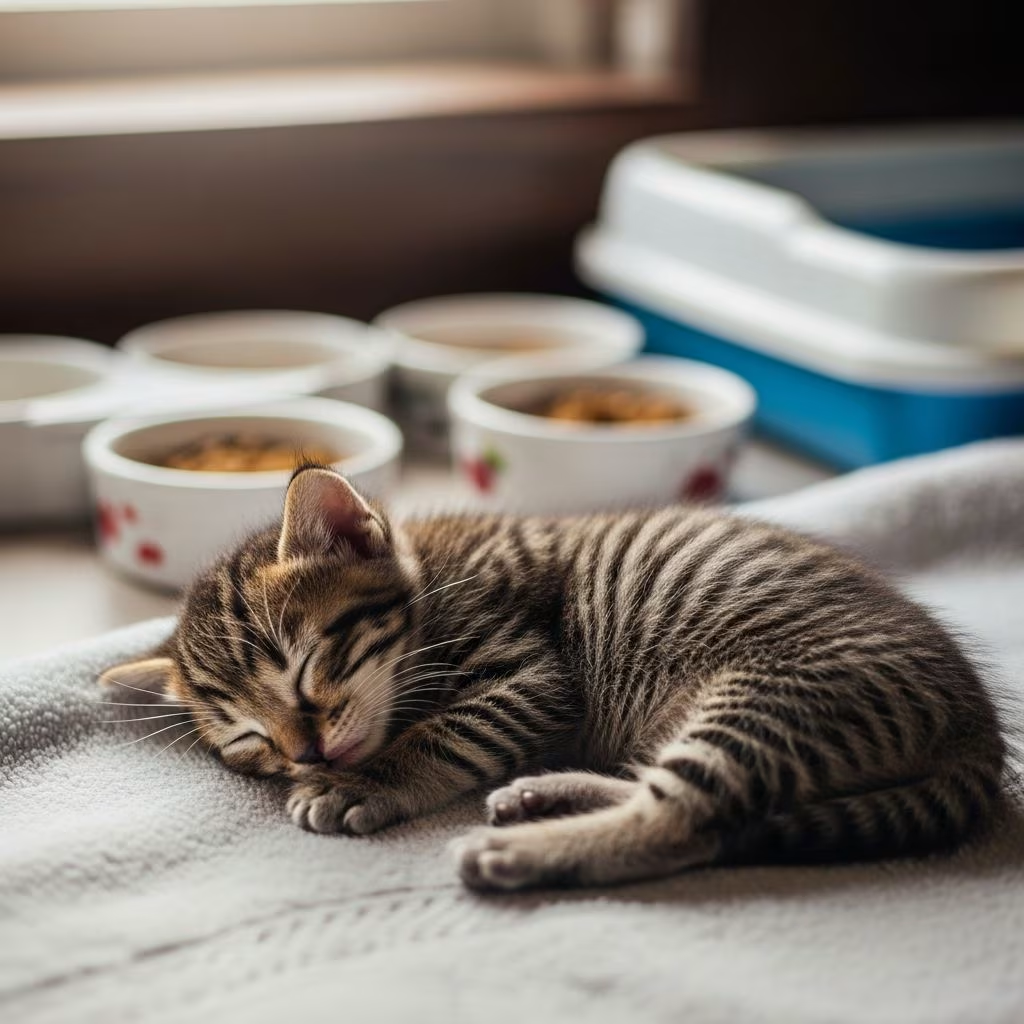
New kitten owners often find themselves puzzled by their young pet’s bathroom habits. Understanding when kittens develop the ability to control their bowel movements and what constitutes normal pooping patterns is essential for proper kitten care. This comprehensive guide walks you through each developmental stage, helping you recognize healthy digestive patterns and identify when professional veterinary advice may be needed.
The Biology of Early Kitten Development
During the earliest days of life, newborn kittens are remarkably dependent on their mothers for virtually all bodily functions. Unlike human infants who have some innate reflexes, kittens cannot initiate bowel movements independently during their first few weeks. Their digestive systems require external stimulation to function properly, a biological adaptation that keeps mother cats actively engaged in their offspring’s care.
The mother cat’s role extends far beyond providing nutrition through nursing. She actively stimulates her kittens’ genital and abdominal areas through licking, triggering the nervous system responses necessary for elimination. This instinctive behavior serves multiple purposes: it promotes healthy digestion, maintains cleanliness in the nest, and prevents the accumulation of waste that could attract predators or cause infections.
As kittens mature, their nervous and digestive systems gradually develop the capacity for independent function. The timeline for this development is remarkably consistent across healthy kittens, though individual variations do exist based on genetics, nutrition, and overall health status.
Birth to One Week: Complete Dependency Phase
Newborn kittens enter the world with closed eyes and an underdeveloped nervous system. During this critical first week, they spend most of their time sleeping and nursing, with bowel movements occurring multiple times daily—typically after each feeding session. However, these bowel movements are not initiated by the kitten; rather, they are direct results of maternal stimulation.
If you’re hand-raising orphaned kittens during this stage, you’ll need to replicate the mother cat’s stimulation technique. Using a warm, damp cloth, gently stroke the kitten’s genital and anal areas in circular motions. This mimics the mother’s licking action and encourages the kitten to eliminate waste. Many caregivers find it helpful to perform this stimulation after each feeding and before putting the kitten back to sleep.
During this phase, you may notice that the mother cat consumes the kittens’ waste as part of her cleaning routine. This behavior, while appearing unusual to human observers, serves important functions: it reduces odor in the nesting area and provides the mother with additional nutrients and information about her kittens’ health status.
Second Week: Emerging Awareness and Increased Activity
By the second week of life, noticeable developmental changes begin to emerge. Kittens’ eyes start to open, revealing a new world of visual information. Their mobility improves considerably, and they begin making short exploratory ventures away from their mother, though they never venture far.
Digestive systems continue maturing during this stage, but kittens still require maternal stimulation for successful bowel movements. The frequency of pooping typically remains consistent with the first week—often two to three times daily, depending on nursing frequency and the kitten’s individual metabolism.
If you’re caring for orphaned kittens, continue the gentle stimulation technique. You may notice the kittens becoming more responsive to your efforts and showing signs of anticipation when they sense that stimulation is about to occur. This behavioral development indicates that their nervous systems are maturing and creating associations between stimulation and elimination.
Third Week: Transition Toward Independence
The third week represents a significant turning point in kitten development. Physical growth accelerates noticeably, and kittens demonstrate substantially improved coordination and strength. Their explorations become more adventurous, and they begin interacting with littermates in play-like behaviors. Most importantly, their digestive and nervous systems reach developmental milestones that enable greater independence.
During this week, kittens begin developing the neurological capacity to recognize and respond to the urge to eliminate. While they may still benefit from occasional maternal stimulation, many kittens start initiating bowel movements independently. This emerging capability represents the beginning of the transition toward self-sufficient bathroom habits.
If you’re raising orphaned kittens, you may notice they begin moving to a specific corner of their enclosure or showing behavioral signs before elimination. This is an excellent time to introduce a small litter box filled with soft, easily-penetrable substrate. Placing the kittens in the litter box after feeding and before sleep can help them begin associating this location with appropriate elimination spots.
Fourth Week: Growing Self-Sufficiency
By the fourth week of life, most kittens demonstrate marked improvements in their ability to control bowel movements. They become increasingly motivated to use designated elimination areas and show less reliance on maternal stimulation. Their bowel movements typically become more predictable in timing, though frequency may still vary based on their feeding schedule.
This is an ideal time to establish consistent litter box habits. Ensure the box is easily accessible, located away from food and water bowls, and kept scrupulously clean. Kittens naturally prefer clean elimination areas and are more likely to use a litter box consistently if it meets their standards for hygiene.
Observation during this stage provides valuable information about your kitten’s developing digestive patterns. Note the typical times when bowel movements occur, the consistency and appearance of the stool, and any variations that might indicate digestive upset. This baseline information becomes helpful if future concerns about your kitten’s health arise.
Fifth to Eighth Week: Establishing Routine Patterns
By the fifth and sixth weeks, most kittens have developed fairly consistent bowel movement patterns and should be using the litter box independently without assistance. Their digestive systems have matured significantly, and they’re typically transitioning from exclusive milk nutrition to solid kitten food.
This dietary transition often influences bowel movement patterns. As kittens consume more solid food and less mother’s milk, their stool consistency typically becomes firmer, and the frequency may shift. It’s normal to observe one to three bowel movements daily at this stage, with frequency often matching the number of daily meals.
Continue monitoring litter box habits during this period. Successful, consistent use indicates that neurological development is progressing normally and that your kitten is adjusting well to weaning. Any signs of difficulty—such as straining, inconsistent litter box use, or changes in stool appearance—warrant consultation with a veterinarian.
Optimal Litter Box Setup for Developing Kittens
Successful litter box training relies heavily on the environment you create. Consider these factors when establishing your kitten’s bathroom setup:
- Size and accessibility: Use a box that’s proportional to your kitten’s size, with low sides that allow easy entry. The box should be roughly one and a half times the length of your kitten.
- Substrate choice: Fine, clumping litter appeals to most kittens. Avoid strongly scented varieties that may be overwhelming to developing senses.
- Location strategy: Place boxes in quiet areas away from food, water, and sleeping areas. Multiple boxes in different locations supports consistent use during the learning phase.
- Maintenance routine: Scoop daily and perform full litter changes weekly. Kittens prefer clean facilities and are more likely to use boxes consistently when they meet cleanliness standards.
- Observation and adjustment: Watch where your kitten naturally gravitates for elimination and place additional boxes in those preferred areas if needed.
Beyond Twelve Weeks: Mature Patterns Emerging
Once kittens reach three months of age and beyond, their bowel movement patterns closely resemble those of adult cats. Most healthy kittens at this stage have one to two bowel movements daily, though individual variations persist based on diet, activity level, and metabolism.
The frequency of daily bowel movements often correlates with feeding frequency. Kittens eating multiple small meals throughout the day may have more frequent bowel movements than those on a twice-daily feeding schedule. As long as the kitten appears healthy, maintains appropriate growth, and shows no signs of digestive distress, variation within normal ranges is completely acceptable.
Understanding Healthy Kitten Stool Characteristics
Recognizing what constitutes healthy kitten poop helps you identify potential health issues early. Several characteristics indicate your kitten’s digestive system is functioning optimally:
| Characteristic | Healthy Appearance | Concerning Signs |
|---|---|---|
| Consistency | Firm but not hard; holds its shape | Soft, mushy, or liquid; excessively hard |
| Color | Dark brown, uniform throughout | Pale, gray, red-tinged, or black |
| Odor | Present but not overwhelming or foul | Strongly unpleasant, sour, or putrid |
| Appearance | No visible worms, hair, or undigested food | Visible parasites, excessive hair, undigested particles |
Regular stool monitoring provides an effective early warning system for potential health problems. Changes in color, consistency, or frequency can indicate dietary issues, parasitic infections, allergies, or other medical concerns requiring veterinary attention.
Common Digestive Concerns in Young Kittens
Understanding potential digestive issues helps you provide appropriate care and recognize when professional help is needed. Common concerns during kitten development include:
Constipation and Straining
If your kitten hasn’t had a bowel movement within 48 hours or shows signs of straining and discomfort, constipation may be present. This can result from dehydration, dietary changes, lack of exercise, or inadequate fiber intake. Ensure your kitten has constant access to fresh water and engages in regular play to stimulate digestive motility. If constipation persists beyond a day, veterinary evaluation is appropriate.
Diarrhea and Soft Stools
Loose stools are common during the weaning transition when kittens first encounter solid foods. However, persistent diarrhea lasting more than a day or accompanied by lethargy, vomiting, or loss of appetite requires veterinary assessment. Diarrhea can indicate food sensitivities, parasitic infections, or other health issues requiring professional diagnosis.
Dietary Transitions and Digestive Adjustment
Abrupt food changes can disrupt your kitten’s digestive balance. When transitioning to new kitten food, mix increasing proportions of the new food with the previous diet over 7-10 days. This gradual approach allows your kitten’s digestive system to adjust without upset.
Frequently Asked Questions About Kitten Bowel Development
Q: What should I do if my newborn kitten won’t poop after stimulation?
A: Ensure your stimulation technique is gentle and mimics the mother cat’s licking motion. The area should be warm and moist, not cold or dry. If stimulation produces no results after several attempts over an hour, and the kitten appears uncomfortable or hasn’t eliminated for several hours after feeding, contact your veterinarian.
Q: Is it normal for kitten poop to change color or consistency during development?
A: Gradual changes in stool appearance often accompany dietary transitions and developmental stages. However, sudden dramatic changes warrant attention. Dark brown, firm stools indicate healthy digestion, while pale, gray, or excessively soft stools may signal dietary issues or health concerns.
Q: How many litter boxes do I need for developing kittens?
A: A good rule is one box per kitten plus one additional box. For a litter of three kittens, provide four boxes in different locations. Multiple boxes increase the likelihood that your kittens will consistently use appropriate elimination areas.
Q: When should I contact my vet about my kitten’s bowel movements?
A: Contact your veterinarian if your kitten hasn’t had a bowel movement within 48 hours, shows signs of straining or pain during elimination, produces diarrhea lasting more than a day, has visibly bloody or black stools, or shows behavioral changes like lethargy alongside digestive changes.
Supporting Your Kitten’s Digestive Health
Beyond understanding development timelines and recognizing healthy patterns, you can actively support your kitten’s digestive wellness through several evidence-based practices:
- Provide high-quality kitten-specific nutrition formulated for their developmental needs, not adult cat food
- Ensure constant access to fresh water to support digestive function and overall health
- Maintain a consistent feeding schedule to establish predictable elimination patterns
- Encourage regular play and exercise to stimulate healthy digestive motility
- Schedule regular veterinary check-ups at 6-8 weeks, 10-12 weeks, and 14-16 weeks to monitor development
- Keep stress levels low through calm handling and stable environmental conditions
- Practice excellent litter box hygiene to encourage consistent use and prevent behavior issues
Understanding your kitten’s bowel development journey transforms what might seem like a puzzling bodily function into a fascinating window into their overall health and development. By recognizing the expected progression from complete dependency to independent bathroom habits, monitoring for healthy stool characteristics, and providing appropriate environmental support, you create ideal conditions for your kitten to thrive. When concerns arise, this knowledge helps you communicate effectively with your veterinarian about what’s normal and what warrants professional attention.
References
- When Do Kittens Start Pooping — Shawsheen Animal Hospital. Accessed January 2026. https://shawsheenanimalhospital.com/blog/when-do-kittens-start-pooping/
- Understanding Kitten Poop: What’s Normal and What’s Not — Barely There Litter. Accessed January 2026. https://barelytherelitter.com.au/blogs/kitten-training/understanding-kitten-poop-what-s-normal-and-what-s-not
- When Do Kittens Start Pooping? A Guide To Kitty Poops — Rover.com. Accessed January 2026. https://www.rover.com/blog/when-do-kittens-start-pooping/
- When Do Kittens Start Pooping? — PrettyLitter. Accessed January 2026. https://www.prettylitter.com/blog/when-do-kittens-start-pooping
- How Often Should a Kitten Poop? — SiiPet. Accessed January 2026. https://siipet.com/blogs/knowledge/how-often-should-a-kitten-poop



