

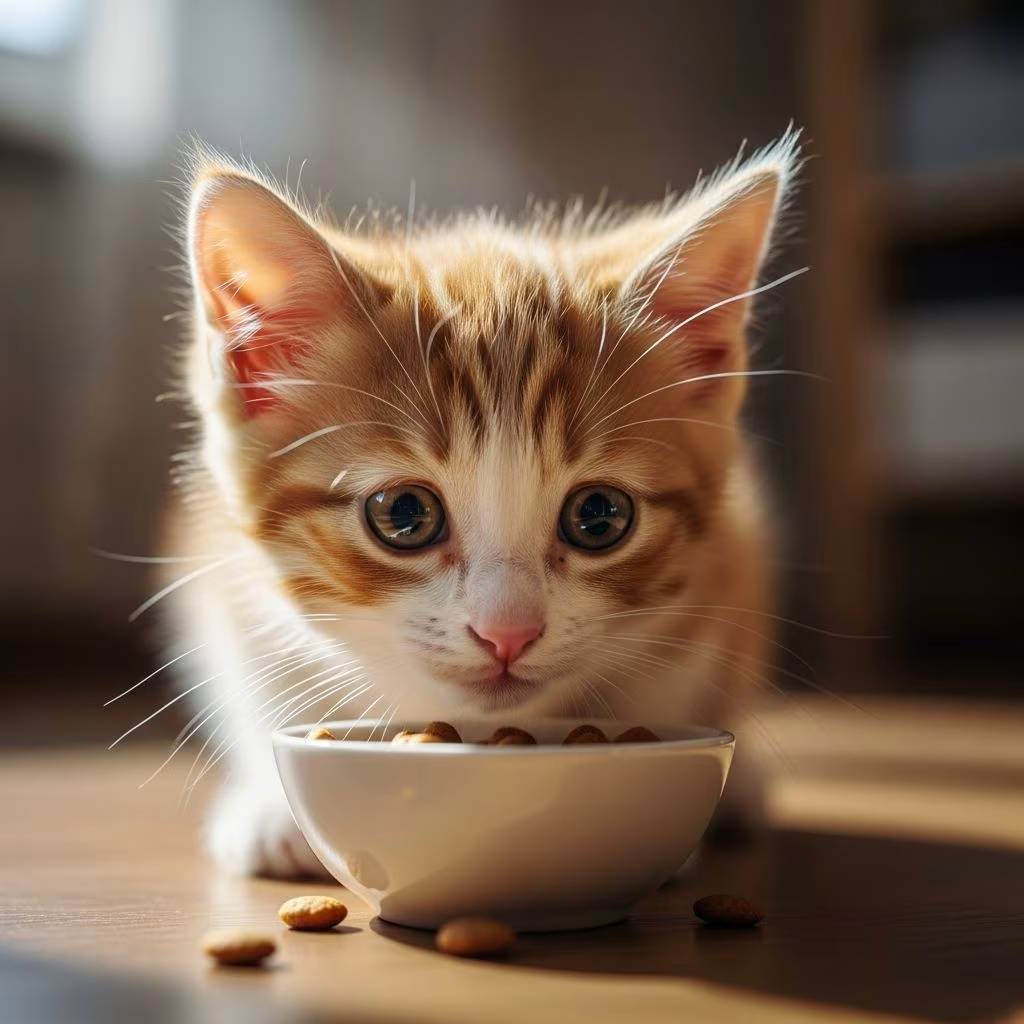
When a young cat stops eating or refuses meals, it can be deeply concerning for any pet owner. Whether you’ve recently brought home a new kitten or your established young cat has suddenly lost interest in food, understanding the underlying causes is essential for addressing the problem effectively. Loss of appetite in kittens can stem from numerous sources ranging from simple environmental adjustments to serious medical conditions, requiring careful observation and sometimes professional intervention.
Medical Assessment Should Come First
Before exploring behavioral or environmental factors, a thorough health evaluation is paramount. A significant decline in eating habits or complete refusal of food may indicate underlying medical conditions that require veterinary attention. Dental problems represent one common culprit, as painful teeth or inflamed gums can make eating uncomfortable or impossible for young cats. Gastrointestinal issues including infections, parasites, or digestive sensitivities can also suppress appetite. Additionally, upper respiratory infections and other systemic illnesses frequently impact a kitten’s willingness to eat.
Schedule a veterinary appointment if your kitten’s reduced appetite persists for more than a day or two, or if you notice accompanying symptoms such as lethargy, vomiting, diarrhea, or behavioral changes. Your veterinarian can rule out medical causes and, if necessary, recommend appetite-stimulating medications or nutritional supplements.
Environmental Factors Affecting Feeding Behavior
Bowl Selection and Placement Matters More Than You Think
The physical characteristics of feeding bowls significantly influence whether kittens will eat comfortably. Many kittens experience sensitivity when their whiskers contact bowl sides during eating. Whiskers function as sophisticated sensory organs, and continuous stimulation while feeding can create negative associations with mealtimes. Selecting wide, shallow bowls instead of narrow, deep ones prevents this whisker contact and may immediately resolve feeding reluctance.
Bowl material also plays a subtle but important role. Plastic bowls can retain odors and flavors from previous meals, potentially deterring fastidious cats. Ceramic or stainless steel alternatives are superior choices as they resist odor retention and are easier to thoroughly clean. After each meal, wash feeding dishes with appropriate pet-safe detergent and rinse completely to eliminate lingering residues.
Location represents another critical element. Some kittens prefer eating in private, away from household activity and other animals. Experiment with relocating the food bowl to a quiet corner, away from foot traffic, noise, and the presence of other pets. Allow your kitten to eat undisturbed by maintaining distance from their feeding area while they consume meals.
Stress and Environmental Adjustment
Newly adopted kittens face significant stress during the transition to a new home. Unfamiliar surroundings, separation from littermates, and exposure to new people and pets create anxiety that directly impacts appetite. Young cats in stressful situations may refuse food entirely until they acclimate to their new environment.
Creating a dedicated safe space helps kittens feel secure enough to eat. A quiet room with essential resources—food, water, litter box, and hiding spots—allows your kitten to explore and adjust at their own pace. Pheromone-based products designed to reduce stress may facilitate this adjustment period. These products come in spray, diffuser, or collar formats and help create calming chemical signals that mimic natural cat pheromones.
If you have multiple pets, feed your new kitten separately in a closed room initially. Once the kitten becomes more comfortable, you can gradually introduce other pets during feeding time, creating positive associations with their presence.
Nutritional and Dietary Considerations
Food Transitioning and Flavor Preferences
Kittens often resist sudden changes to their diet. If your kitten ate specific food at their previous home, request details about brand, flavor, and format from the previous owner or shelter. Abrupt switches can trigger appetite loss, so introduce new foods gradually over several days, incrementally increasing the proportion of new food while decreasing the previous variety.
Individual kittens develop distinct preferences for protein sources and food textures. Some prefer chicken while others favor seafood flavors. Rather than forcing a single food choice, experiment with variety to identify your kitten’s preferences. Once you determine their favored protein, consider feeding consistent dry food featuring that protein while offering variety through different flavors of wet food from the same brand to minimize digestive upset.
Texture and Temperature Optimization
The physical form of food significantly affects palatability. If your kitten rejects dry kibble, try moistening it with warm water or mixing it with canned food to create a more appealing texture. Warming dry food slightly increases aromatic compounds that attract cats, though avoid excessive heat. Conversely, if your kitten prefers dry food and avoids wet varieties, mixing small amounts of canned food into kibble introduces texture diversity that may prove more engaging.
Wet food should always be served at room temperature or slightly warmed; cold food loses much of its aroma and appeal. The warmth also makes the meal more enticing to kittens transitioning from their mother’s milk, which they previously consumed at body temperature.
Preventing Overfeeding and Digestive Issues
Indigestion can result from consuming excessively large meals or overeating. Cats experiencing digestive upset may subsequently refuse food. Rather than leaving food available constantly, establish a consistent feeding schedule with portion sizes appropriate to your kitten’s age and weight. Most kitten food packaging provides feeding guidelines based on body weight; follow these recommendations carefully.
Smaller, more frequent meals prevent indigestion and support healthier digestion than single large meals. Additionally, leaving food out continuously prevents kittens from developing regular eating routines, which can lead to either under- or overeating.
Establishing Healthy Feeding Routines
The Power of Consistent Schedules
Kittens thrive on predictable routines that support both physical development and emotional security. Establishing fixed feeding times helps regulate digestion and energy levels while providing comfort through predictability. Avoid feeding at irregular times, which can disrupt metabolic patterns and contribute to eating disorders.
A typical schedule might involve three to four small meals daily for young kittens, transitioning to two meals as they mature. Consult your veterinarian about age-appropriate feeding frequency and portion sizes specific to your kitten’s growth stage.
Enhancing Food Palatability
When food seems bland to your kitten, simple additions can restore interest. Warm chicken or beef broth mixed into kibble adds moisture, aroma, and flavor without overwhelming your kitten’s digestive system. Ensure broth is lukewarm, not cold, to maximize appeal.
Highly palatable toppers also encourage eating. Adding small amounts of wet kitten food to dry kibble creates textural variety while maintaining nutritional balance. These techniques work particularly well for transitioning kittens between food types or reestablishing appetite in picky eaters.
Hand-Feeding as a Confidence Builder
When kittens feel anxious in new environments, hand-feeding provides reassurance and strengthens bonding. Offer small amounts of food directly to your kitten while gradually moving your hand closer to their normal feeding bowl and location. This technique helps kittens associate the bowl with comfort and safety. Once your kitten becomes more confident, transition to bowl feeding.
Age-Related Eating Changes
Kittens transitioning from weaning to solid food are still developing preferences for textures and flavors. Exposing young kittens to varied food types—different kibble shapes, pâtés, stews, and broths—helps them learn what they enjoy. This exploration period is normal, and providing options allows kittens to develop balanced nutritional habits.
Around 12 months of age, most kittens transition to adult formulations. This dietary shift may initially cause feeding reluctance. Gradual transitions over 7-10 days help prevent digestive upset and maintain consistent appetite during this developmental milestone.
Holistic Feeding Environment Assessment
| Environmental Factor | Impact on Appetite | Solution |
|---|---|---|
| Bowl Type | Whisker contact causes discomfort | Use wide, shallow ceramic or stainless steel bowls |
| Bowl Location | High traffic and noise create stress | Place in quiet corner away from household activity |
| Feeding Schedule | Irregular timing disrupts digestion and routine | Establish consistent daily feeding times |
| Food Temperature | Cold food loses aromatic appeal | Serve wet food at room temperature or slightly warmed |
| Presence of Other Pets | Competition creates anxiety | Feed kitten separately in closed room initially |
| Bowl Cleanliness | Residual odors deter fastidious cats | Wash thoroughly after each meal with safe detergent |
When Professional Help Becomes Necessary
While many feeding challenges resolve through environmental adjustments and dietary modifications, persistent appetite loss warrants professional evaluation. Contact your veterinarian if your kitten refuses food for more than one or two meals, shows signs of illness, or if appetite problems continue despite implementing suggested strategies.
Your veterinarian can assess your kitten’s overall health, identify underlying conditions, and recommend appetite-stimulating medications or supplements if necessary. Some kittens benefit from prescription diets formulated for digestive sensitivity or picky eating patterns.
Frequently Asked Questions
How long can a kitten safely go without eating?
Kittens have faster metabolisms than adult cats and require food more frequently. While an adult cat might survive several days without food, kittens should not go more than a few hours without eating. If your kitten hasn’t eaten for 24 hours, seek veterinary attention promptly.
Is it normal for kittens to be picky eaters?
Yes, kittens often develop food preferences as they explore different textures and flavors. However, the goal is establishing consistent eating habits that support growth and development. Offering balanced variety while maintaining routine helps satisfy preferences without enabling excessive pickiness.
Should I leave food available all day?
Free-feeding (leaving food constantly available) prevents kittens from developing healthy eating routines and can lead to overeating or inappropriate portions. Scheduled feeding with set meal times and appropriate portion sizes promotes better digestion and predictable routines.
Can stress really cause a kitten to stop eating?
Absolutely. Stress directly impacts appetite through both psychological and physiological mechanisms. New environments, introduction to new pets, loud noises, and other stressors can suppress eating entirely. Creating safe spaces and allowing adjustment time helps kittens overcome stress-related appetite loss.
What’s the difference between picky eating and loss of appetite?
Picky eating involves selective food preferences while a kitten maintains interest in eating. Loss of appetite represents disinterest in eating entirely, including previously enjoyed foods. Loss of appetite typically indicates an underlying issue requiring investigation, while pickiness often responds to offering preferred food options.
Summary: Creating Supportive Feeding Conditions
Supporting healthy eating in young cats requires attention to medical health, environmental conditions, and nutritional factors. Begin with veterinary assessment to rule out medical causes, then systematically address environmental stressors, bowl selection, feeding location, and schedule consistency. Offer appropriate food textures and temperatures while providing variety in flavors to match your kitten’s developing preferences. Remember that patience and gradual adjustments typically prove more effective than sudden changes. By combining professional guidance with thoughtful environmental modifications and nutritional attention, you can resolve most kitten feeding challenges and establish habits that support lifelong health.
References
- Kitten Not Eating? Common Causes and Solutions — BasePaws. https://basepaws.com/blog/kitten-not-eating-common-causes-and-solutions
- New Kitten Won’t Eat: Causes and Solutions — Pawp. https://pawp.com/new-kitten-wont-eat/
- Why is Your Kitten Not Eating? Reasons for a Change in Food Intake — Purina. https://www.purina.com/articles/cat/kitten/health/kitten-not-eating
- Cat Not Eating: Common Causes and Solutions — The Animal Doctors. https://www.theanimaldoctors.org/cat-not-eating-common-causes-and-solutions/
- 6 Reasons Why Your Cat Is Not Eating and What To Do — PetMD. https://www.petmd.com/cat/nutrition/cat-not-eating-what-to-do
- 5 Reasons Your Kitten Might Not Be Eating and What To Do About It — Wellness Pet Food. https://www.wellnesspetfood.com/blog/5-reasons-your-kitten-might-not-be-eating-and-what-to-do-about-it/



