
Your Kitten at 10-12 Months: What to Expect
Complete guide to kitten development at 10-12 months as they transition to adulthood.
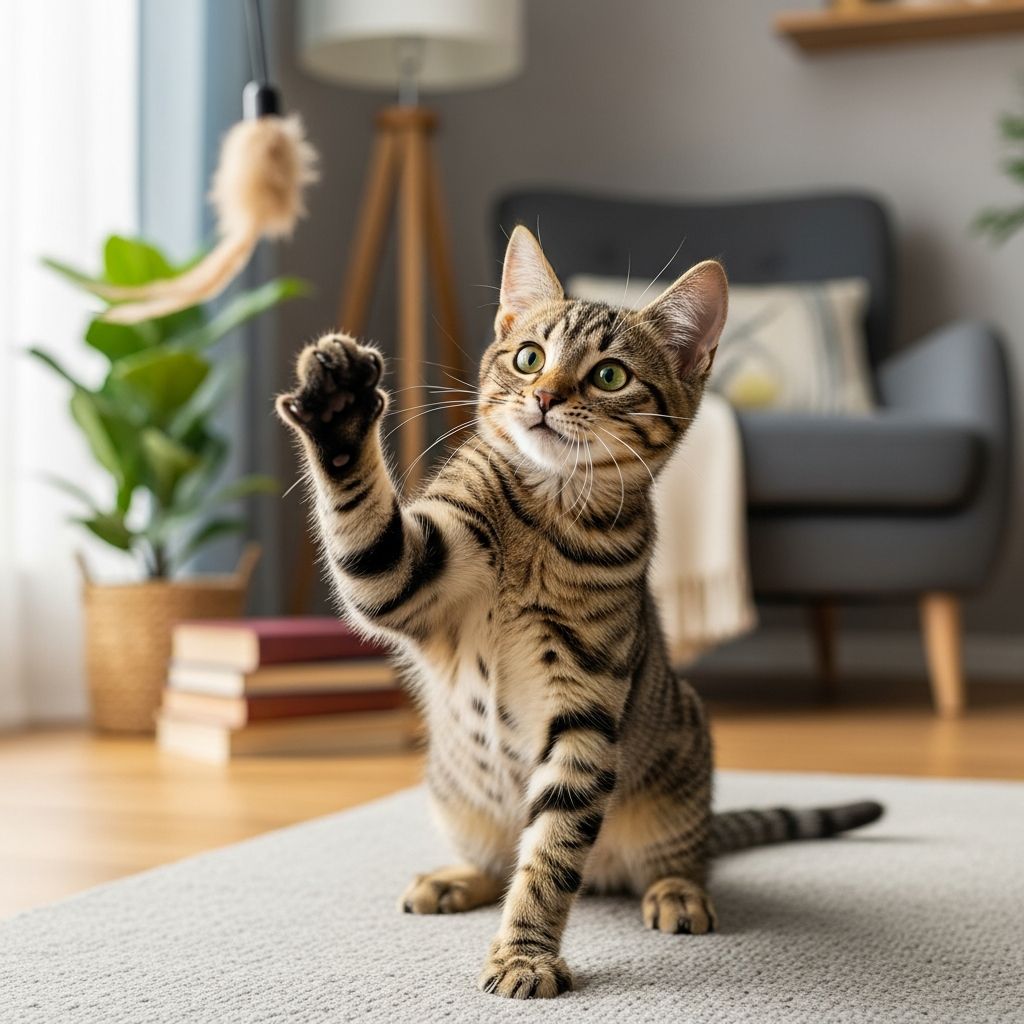
As your kitten approaches their first birthday, you’ll notice significant changes in their appearance, behavior, and personality. The 10-to-12-month period represents a critical transition phase where your kitten begins their journey toward adulthood. Understanding what to expect during this time helps you provide appropriate care, nutrition, and socialization to ensure your feline friend develops into a healthy and well-adjusted adult cat.
Physical Development and Growth
By 10 to 12 months of age, your kitten has experienced remarkable growth since birth. At this stage, most kittens are approaching or have nearly reached their adult size, though they may continue to gain weight and muscle mass for several more months depending on their breed. Larger breeds, such as Maine Coons and Ragdolls, may take longer to reach full maturity compared to smaller breeds.
The growth rate that was so rapid during the first few months has now slowed considerably. Your kitten’s skeletal structure is nearly fully developed, and their body proportions will begin to resemble those of an adult cat more closely. The long, gangly appearance typical of younger kittens will gradually transform into a more refined, mature physique. However, your kitten may still display some kitten-like characteristics, particularly in their energy levels and playfulness.
During this period, your kitten’s teeth are fully developed. All permanent teeth should be in place by now, as the transition from baby teeth to adult teeth is typically complete by around 6 to 7 months of age. Their eyes have also reached their final color, which will remain consistent throughout their adult life. If your kitten’s eyes were blue as a newborn, they will have shifted to their permanent color by this age.
Behavioral Changes and Personality Development
At 10 to 12 months, your kitten enters what is often called the adolescence stage, which typically lasts from 6 to 18 months. During adolescence, kittens display heightened exploration and may begin testing boundaries with their human family members. This is a natural part of their development as they establish their place within the household hierarchy.
Your kitten’s personality will now be more fully developed, and their individual quirks and preferences will become increasingly apparent. They may demonstrate distinct preferences for certain toys, play styles, play locations within the home, and types of human interaction. Some kittens may be highly social and demand constant attention, while others may be more independent and reserved.
Play behavior becomes increasingly sophisticated at this age. Your kitten will engage in more complex play sequences that mimic hunting behaviors, including stalking, pouncing, and wrestling. They may also display a greater interest in interactive play with their human family members and may initiate play sessions on their own.
If your kitten has not been spayed or neutered, you may begin to notice the emergence of sexual behaviors, particularly in males. These behaviors can include marking territory with urine, increased vocalization, and attempts to escape the home. If your kitten has already been spayed or neutered—which is recommended before reaching this age—these behaviors will not develop.
Nutritional Needs and Feeding Transitions
One of the most significant changes you’ll need to make at this stage involves transitioning your kitten from kitten food to adult cat food. This transition should be gradual to avoid digestive upset and allow your kitten’s digestive system to adjust to the new diet.
Kitten food is formulated with higher levels of protein, calories, and specific nutrients to support rapid growth and development. Once your kitten reaches 10 to 12 months of age and has essentially stopped growing, they no longer require these elevated nutrient levels. Adult cat food is specifically formulated to maintain the health and energy levels of fully grown cats.
Recommended Feeding Transition Plan:
- Week 1-2: Mix 75% kitten food with 25% adult cat food
- Week 3-4: Mix 50% kitten food with 50% adult cat food
- Week 5-6: Mix 25% kitten food with 75% adult cat food
- Week 7 onwards: Transition to 100% adult cat food
The type of food you choose—wet, dry, or a combination of both—should meet the nutritional standards established by the Association of American Feed Control Officials (AAFCO). Look for foods that are specifically labeled as complete and balanced for adult cat maintenance. Discuss your kitten’s specific nutritional needs with your veterinarian, as individual requirements may vary based on activity level, health status, and breed.
By 10 to 12 months, you can transition your kitten to eating twice daily instead of the three or more times per day that younger kittens require. Most adult cats thrive on a twice-daily feeding schedule, though some owners prefer to provide meals once or twice daily depending on their lifestyle and their cat’s preference.
Spaying and Neutering Considerations
If your kitten has not already been spayed or neutered, this is an excellent time to address this important health procedure if you have not already done so. Most veterinarians recommend spaying or neutering kittens between 4 and 6 months of age, but if this hasn’t been accomplished, it should be prioritized. Spaying and neutering provide numerous health and behavioral benefits, including prevention of certain cancers, elimination of heat cycles in females, reduction in marking behavior in males, and prevention of unwanted litters.
Discuss the timing and procedure with your veterinarian to determine the best approach for your individual kitten. Recovery from these procedures is typically quick, especially in young cats, and the long-term benefits far outweigh any temporary discomfort associated with the surgery.
Veterinary Care and Health Monitoring
At 10 to 12 months of age, your kitten should have completed their initial vaccination series. If your kitten received their final kitten vaccines at around 16 weeks of age, booster vaccinations may be due at around one year of age, depending on your veterinarian’s recommendations and your local disease prevalence.
This is an ideal time to schedule a wellness visit with your veterinarian to ensure your kitten is developing appropriately and to address any health concerns that may have arisen. During this visit, your veterinarian can perform a thorough physical examination, assess your kitten’s weight and body condition, and recommend any necessary preventive care measures.
Discuss parasite prevention with your veterinarian, including protection against fleas, ticks, and internal parasites. Even indoor kittens should receive appropriate parasite prevention, as parasites can be brought into the home on clothing or through open windows and doors. Your veterinarian can recommend the most appropriate parasite prevention products for your kitten’s age, weight, and lifestyle.
Social Development and Human Interaction
Research demonstrates that kittens who receive 15 to 40 minutes of handling daily during their first seven weeks of life are more likely to develop larger brains and demonstrate greater exploratory behavior, playfulness, and learning ability. However, socialization and handling remain important throughout the 10-to-12-month period and beyond. Continued positive interaction with humans helps your kitten develop confidence and reduces the likelihood of behavioral problems later in life.
At this age, your kitten should be comfortable with routine handling, including nail trimming, grooming, and examination by your veterinarian. If your kitten has not been adequately socialized, this is still a good time to work on building their comfort level with necessary handling and with new people and environments. Gradual, positive exposure to new experiences during this period can help prevent fear and anxiety-related behaviors.
Environmental Enrichment and Play
As your kitten enters adolescence, they have an increased capacity for complex play and exploration. Providing appropriate environmental enrichment becomes increasingly important for physical and mental well-being. Ensure your kitten has access to cat trees or climbing structures, interactive toys, puzzle feeders, and opportunities for safe outdoor exploration if appropriate.
Regular play sessions with your kitten help maintain their physical fitness, provide mental stimulation, and strengthen the bond between you and your pet. Interactive toys such as wand toys, laser pointers, and balls encourage your kitten to engage in predatory behaviors in a safe, controlled environment. Rotating toys regularly can help maintain your kitten’s interest and prevent boredom.
Litter Box Management
Your kitten should be reliably using the litter box by this age. Ensure that your litter box setup remains appropriate for your adolescent kitten. Provide at least one litter box per kitten plus one additional box (so two boxes for one kitten, three for two kittens, etc.). Litter boxes should be placed in quiet, accessible locations away from food and water bowls.
If your kitten has not been spayed or neutered and you notice inappropriate elimination or marking behavior, consult with your veterinarian. These behaviors often resolve following spaying or neutering, but may persist if the procedure is delayed too long.
Frequently Asked Questions About 10-12 Month Old Kittens
Q: When should I switch my kitten to adult food?
A: You can begin transitioning your kitten from kitten food to adult cat food at around 10 to 12 months of age. Make the transition gradually over several weeks to prevent digestive upset. Most kittens can eat adult maintenance food by their first birthday, though some larger breeds may benefit from extended kitten nutrition.
Q: Is my kitten fully grown at 12 months?
A: Most kittens are close to their adult size by 12 months, though they may continue to gain weight and muscle mass for several more months, particularly if they are a larger breed. Talk to your veterinarian about your specific kitten’s growth expectations based on their breed.
Q: What should I do if my kitten hasn’t been spayed or neutered yet?
A: If your kitten has not been spayed or neutered, schedule an appointment with your veterinarian as soon as possible. Spaying and neutering at this age provide significant health and behavioral benefits and prevent unwanted litters. Recovery is typically quick, even in slightly older kittens.
Q: How much should my 10-12 month old kitten weigh?
A: Ideal weight depends on your kitten’s breed and individual genetics. By 12 months, your kitten should be close to their breed’s ideal adult weight. Your veterinarian can assess whether your kitten is at an appropriate weight and body condition for their breed.
Q: Is my kitten still considered a kitten at 12 months?
A: At 12 months, your kitten is transitioning into adulthood but is still in the adolescence stage behaviorally. While they may be physically mature or nearly mature, cats typically remain kitten-like in their behavior and energy levels through their first two years of life.
Q: How often should I take my kitten to the veterinarian at this age?
A: Schedule a wellness visit at around 12 months to ensure your kitten’s development is on track and to address any health concerns. After this visit, annual wellness exams are typically recommended for healthy adult cats, though your veterinarian may recommend more frequent visits based on individual health factors.
Creating a Smooth Transition to Adulthood
The 10-to-12-month period is a critical window for establishing routines and behaviors that will carry into your cat’s adult life. Continue to provide consistent, positive interactions; maintain a stable environment; and address any behavioral or health concerns promptly with your veterinarian. By understanding what to expect during this developmental stage and providing appropriate nutrition, healthcare, enrichment, and socialization, you help ensure that your kitten develops into a healthy, well-adjusted adult cat with whom you can enjoy a long and rewarding relationship.
References
- Kitten Development Stages and Kitten Age Chart — PetMD. Accessed 2025-11-28. https://www.petmd.com/cat/care/kitten-development-understanding-kittens-major-growth-milestones
- Kitten Development Milestones by Weeks & Months — SHEBA. Accessed 2025-11-28. https://www.sheba.com/lifestyle/kitten-milestones
- How to Determine a Kitten’s Age — Kitten Lady. Accessed 2025-11-28. http://www.kittenlady.org/age
- Developmental Stages of Kitten Behavior — PAWS. Accessed 2025-11-28. https://www.paws.org/resources/developmental-stages-of-kitten-behavior/
- How Old Is That Kitten? Kitten Progression: At-a-Glance — Alley Cat Allies. Accessed 2025-11-28. https://www.alleycat.org/resources/kitten-progression/
Similar Articles








Read full bio of Sneha Tete




