

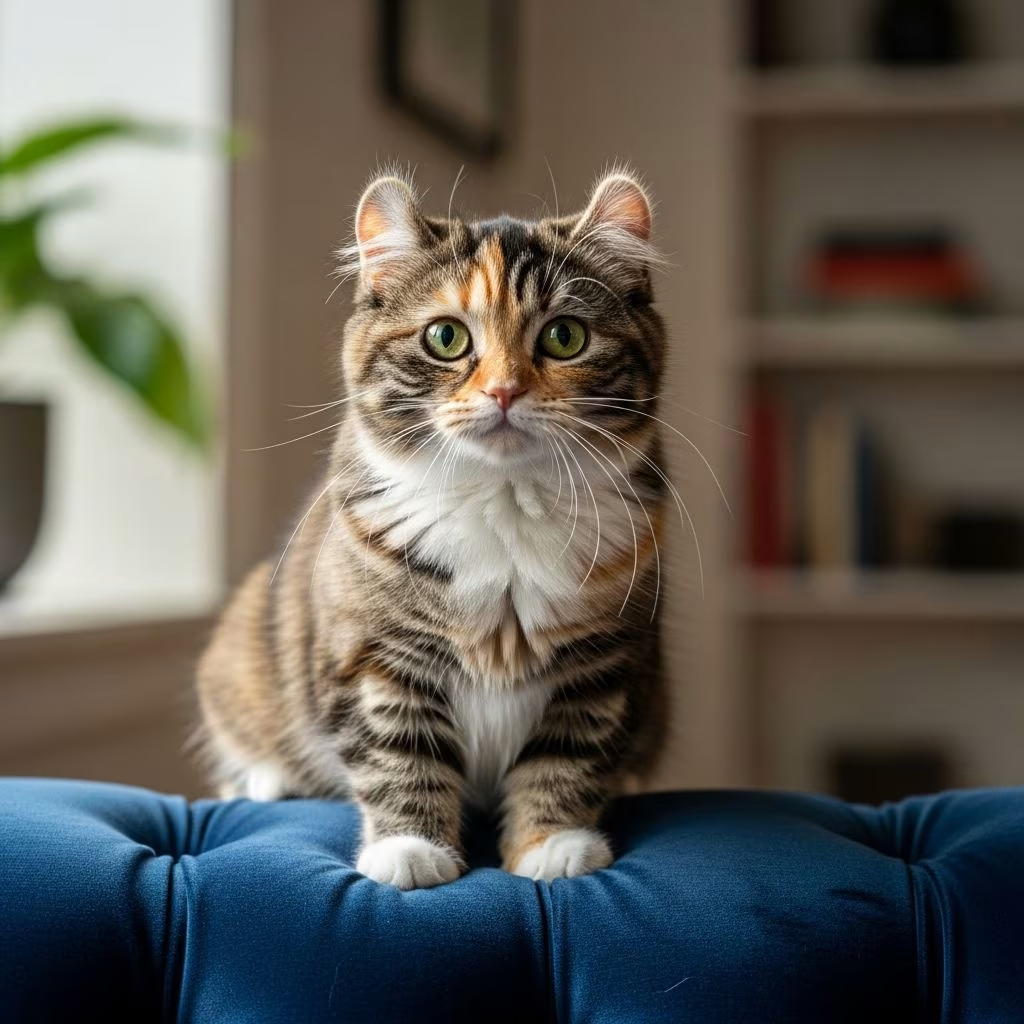
The Kinkalow cat captivates with its miniature stature and distinctive features, making it a standout choice for cat enthusiasts seeking a unique companion. This rare breed combines the short-legged charm of the Munchkin with the elegant ear curls of the American Curl, resulting in a pint-sized pet full of personality and grace.
Origins and Development of the Kinkalow Breed
Emerging in the late 20th century, the Kinkalow was selectively bred to merge two beloved traits: the dwarf-like body from Munchkins and the backward-curling ears from American Curls. Breeders aimed to create a cat that retained kitten-like proportions into adulthood while adding an exotic auditory flair. Though not yet fully recognized by major feline associations, Kinkalows have gained a devoted following for their novelty and endearing qualities.
Development began through careful crossbreeding, with kittens inheriting dominant genes for short limbs and ear cartilage curling. Early litters showed variability, but consistent selection has stabilized the breed’s signature look. Today, responsible breeders prioritize health screening to mitigate genetic concerns from parent breeds.
Distinctive Physical Features
Kinkalows measure just 7 to 8 inches tall at the shoulder, with bodies spanning 12 to 18 inches in length, weighing between 3 and 7 pounds. Their compact, muscular frames give them a forever-kitten appearance, enhanced by legs 40-50% shorter than standard proportions.
- Short Legs: Front legs are notably stubby, while hind legs are slightly longer, creating a crouched, agile stance ideal for ground-level play.
- Curled Ears: Born straight, ears begin curling within days, achieving 90-180 degrees by 5 months, resembling a pixie or tiger cub.
- Body and Tail: Long, elegant tail exceeds body length; head is rounded with prominent whiskers.
Coat varieties include short or semi-long fur in patterns like solid colors (white, black, orange), tabby, tortoiseshell, calico, cream, and gray. Shedding is moderate, requiring weekly brushing to maintain softness.
| Physical Trait | Description | Average Measurement |
|---|---|---|
| Height | Low-to-ground stature | 7-8 inches |
| Weight | Lightweight dwarf build | 3-7 pounds |
| Leg Length Ratio | Short compared to body | 40-50% of height |
| Ear Curl | Backward fold | 90-180 degrees |
Personality Traits and Daily Behavior
Kinkalows embody a “Peter Pan” spirit, blending perpetual playfulness with affectionate loyalty. They thrive on human interaction, eagerly joining family activities, yet appreciate brief independent moments.
Highly intelligent, these cats excel in training, mastering tricks like fetch or leash-walking. Their curiosity drives exploration, though short legs limit high climbs—preferring pouncing and dashing across floors.
- Playful and energetic, retaining kitten vigor into seniority.
- Affectionate cuddlers who greet newcomers warmly.
- Sociable with children, dogs, and other cats, rarely showing aggression.
Males may roam more during mating seasons if unneutered, while females tend to stay close to home. Overall, their gregarious nature suits apartments, families, seniors, or multi-pet homes.
Care Essentials for Optimal Health
Maintaining a Kinkalow’s well-being involves tailored nutrition, exercise, and grooming. Feed high-quality, portion-controlled meals to prevent obesity, given their compact size—aim for 200-250 calories daily, split into meals.
Provide low-height scratching posts, interactive toys, and puzzle feeders to channel hunting instincts safely. Vertical spaces should be accessible via ramps to avoid jumping risks. Weekly baths aren’t needed, but brush 2-3 times weekly for coat health; check ears monthly for wax buildup.
- Diet: Protein-rich kibble or wet food; monitor weight closely.
- Exercise: 20-30 minutes daily of play; leash training for outdoor fun.
- Grooming: Brush, nail trims, dental care routine.
Health Considerations and Lifespan
Kinkalows typically live 12-15 years, but their hybrid genetics warrant vigilance. Lordosis (spine curving) and pectus excavatum from Munchkin heritage pose risks, especially from high jumps. Ear curls may lead to infections if unclean; annual vet checks include orthopedic exams.
Other concerns: arthritis in later years, dental issues, and obesity. Spay/neuter early to curb roaming. With proactive care, many enjoy robust lives.
| Common Health Issue | Symptoms | Prevention |
|---|---|---|
| Lordosis | Abdominal sagging, reluctance to jump | Avoid high perches, regular vet screening |
| Ear Infections | Head shaking, odor | Weekly cleaning, dry ears post-bath |
| Obesity | Weight gain, lethargy | Calorie control, active play |
Bringing a Kinkalow into Your Home
Acquire from ethical breeders who health-test parents; expect $800-$2000. Shelters occasionally have mixes. Kitten-proof low areas for their ground-level curiosity. Introduce slowly to other pets.
They adapt quickly, bonding deeply within weeks. Budget for vet costs, premium food, and toys.
Daily Life with a Kinkalow: Real Owner Insights
Owners rave about their cats’ clownish antics—chasing laser dots with bouncy gait or perching on laps during movie nights. One notes, “My Kinkalow’s endless curiosity keeps our home lively, yet she’s the gentlest with kids.” Their adaptability shines in small spaces, turning apartments into playgrounds.
Challenges include extra cleaning for active paws and monitoring jumps, but rewards outweigh: unwavering companionship and joy.
Comparing Kinkalows to Similar Breeds
| Breed | Key Traits | Best For |
|---|---|---|
| Kinkalow | Short legs, curled ears, playful | Families, apartments |
| Munchkin | Short legs, straight ears, energetic | Active homes |
| American Curl | Curled ears, athletic build, friendly | Multi-pet households |
Frequently Asked Questions (FAQs)
Are Kinkalows good with children?
Yes, their patient, playful demeanor makes them excellent family pets, tolerating gentle handling well.
Do Kinkalows require special diets?
Standard cat food suffices, but portion control prevents weight gain due to limited mobility.
Can Kinkalows jump high?
Short legs restrict height, but they’re agile runners; provide ramps for safety.
How do I care for curled ears?
Gently clean weekly with vet-approved solution to prevent infections.
Are Kinkalows hypoallergenic?
No, moderate shedding occurs; regular grooming helps.
Why Choose a Kinkalow?
In a world of common breeds, Kinkalows offer rarity, charm, and devotion. Their blend of whimsy and warmth creates lifelong bonds, perfect for those craving a pint-sized adventurer.
References
- Kinkalow: Pet Profile (Breed Overview) — Dutch. 2023. https://www.dutch.com/blogs/cats/kinkalow
- Kinkalow Cat Breed: Info, Pictures, Temperament & More — Catster. 2023. https://www.catster.com/cat-breeds/kinkalow-cat/
- Kinkalow Cats 101: Fun Facts & Myths — YouTube (Pet Enthusiast Channel). 2022-10-15. https://www.youtube.com/watch?v=UXO30osFOk4
- Kinkalow Cat Breed Profile — Litter-Robot. 2023. https://www.litter-robot.com/blog/kinkalow-cat/
- All about Kinkalow breed — Animalia.bio. 2023. https://animalia.bio/pets/kinkalow



