Kinesiology Tape for Dogs: Benefits and Safe Use
Discover how kinesiology tape supports your dog's recovery, reduces pain, and improves mobility without restricting movement.
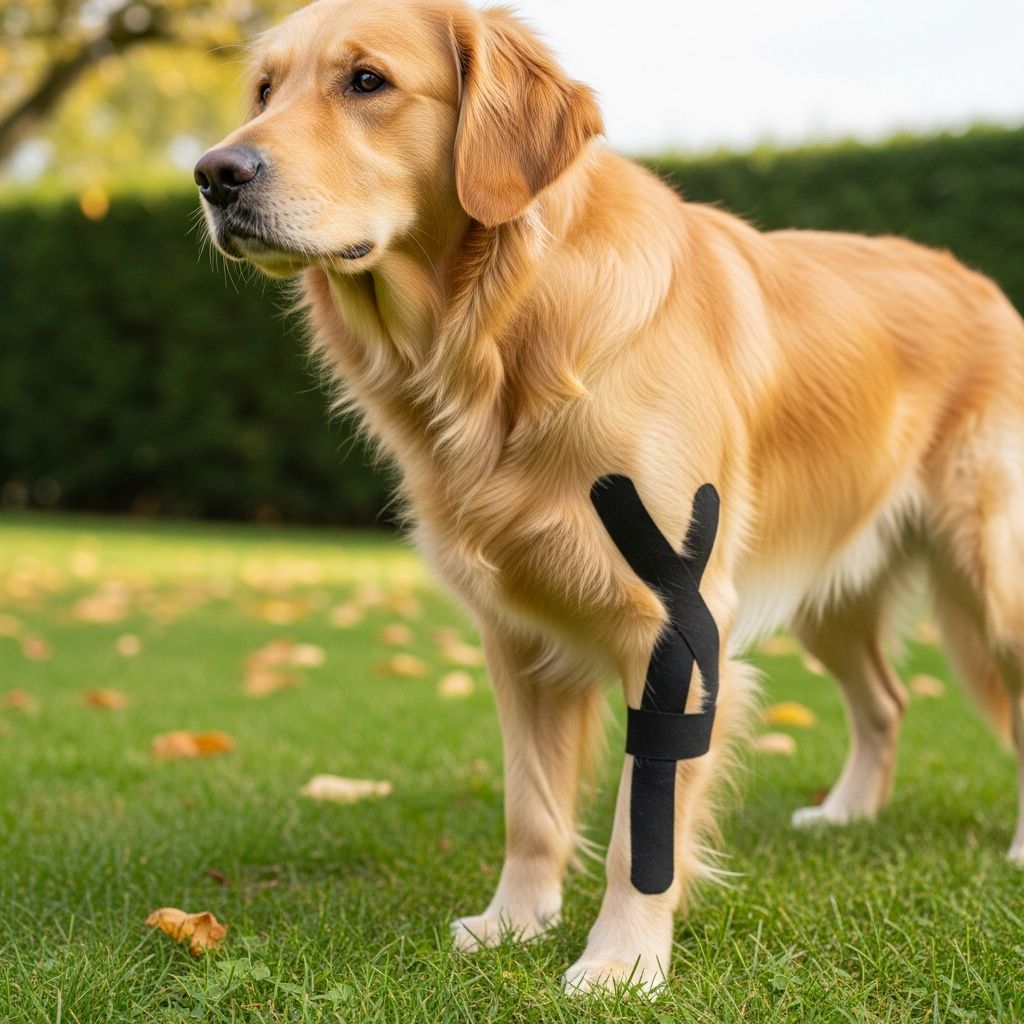
Kinesiology tape offers dogs a non-invasive way to manage pain, support joints, and enhance recovery from various conditions. This elastic therapeutic tape mimics skin movement, providing gentle stimulation without limiting mobility.
Understanding Kinesiology Tape in Canine Care
Kinesiology tape, often called K-tape, is a flexible adhesive strip designed to lift the skin slightly, promoting better circulation and sensory feedback. In veterinary practice, it helps dogs with musculoskeletal issues by reducing inflammation and aiding proprioception—the sense of body position.
Originally developed for human athletes, its use has expanded to animals. The tape’s elasticity allows full range of motion, unlike rigid braces, making it ideal for active pets.
Key Benefits for Your Dog’s Health
Dogs benefit from kinesiology tape through multiple mechanisms. It stimulates mechanoreceptors in the skin, which can interrupt pain signals via the gate control theory, leading to noticeable relief.
- Pain Reduction: Eases discomfort from arthritis, strains, or post-surgical sites by relaxing tense muscles.
- Swelling Control: Improves lymphatic drainage, minimizing edema after injuries or operations.
- Joint and Muscle Support: Provides stability for unstable knees, hips, or backs without restricting movement.
- Enhanced Proprioception: Boosts body awareness, crucial for dogs with neurological weaknesses or recovery from disc disease.
- Faster Healing: Promotes quicker tissue repair by increasing blood flow gently.
In one study on healthy dogs, taping showed subtle gait adjustments, suggesting neuromuscular adaptations that maintain stability.
Common Conditions Treated with K-Tape
Veterinarians apply kinesiology tape to a range of issues, tailoring techniques to specific needs. Here’s a breakdown:
| Condition | How K-Tape Helps | Example Application |
|---|---|---|
| Arthritis/Osteoarthritis | Manages pain, supports joints | Tape around affected joint for muscle lift |
| ACL Tears/Knee Injuries | Stabilizes without brace | Knee support pattern with light stretch |
| Hip Dysplasia | Reduces pain, improves gait | Hip girdle taping |
| Back/Neck Pain | Relaxes muscles, supports spine | Longitudinal strips along spine |
| Neurological Deficits (e.g., IVDD, DM) | Improves foot placement, proprioception | Limb taping to prevent knuckling |
| Post-Surgery Swelling | Decreases edema, aids mobility | Surrounding fan patterns |
For neurological cases like degenerative myelopathy (DM) or fibrocartilaginous embolism (FCE), tape encourages proper limb positioning between therapy sessions, potentially shortening rehab time.
Safe Application Techniques for Dog Owners
Proper prep ensures effectiveness and prevents irritation. Clip fur minimally in the area, clean skin with alcohol, and round tape edges to avoid peeling.
- Select Tape: Use pet-safe, extra-sticky varieties like those for horses; avoid human tape if not specified for animals.
- Stretch Guidelines: Apply with 10-50% stretch based on target—light for muscles, medium for joints.
- Basic Patterns: For knees, anchor above and below with Y-shape; for backs, parallel strips.
- Duration: Leave 3-5 days, monitoring for chewing or redness.
- Removal: Peel gently with oil; cut if stuck.
Owners report dogs tolerate it well, often preferring it over braces.
Scientific Evidence and Limitations
Research on dogs is emerging but limited. A study found minimal gait changes in healthy dogs, attributing variations to natural adaptability rather than strong tape effects.
Human trials (over 200 on PubMed) show mixed results for pain relief or performance, with small sample sizes. Veterinary anecdotes and surveys are promising: 95% of owners in one arthritis study noted reduced discomfort.
Effects may stem from placebo, sensory input, or minor circulatory boosts, but more canine-specific trials are needed.
Precautions and When to Avoid Taping
While low-risk, kinesiology tape isn’t for every dog. Consult a vet first.
- Avoid over open wounds, infections, hot spots, or irritated skin.
- Not for pregnant dogs, those with cancer, kidney disease, or circulatory issues.
- Skip if no conscious motor function or pain sensation in limbs.
- Watch for chewing; monitor digestion if ingested.
Seek professional training from certified rehab therapists (CCRT) or vets to avoid worsening conditions.
Integrating K-Tape into Rehabilitation Plans
Combine with physical therapy, acupuncture, or meds for best results. For post-TPLO surgery, tape manages swelling while encouraging gait normalization.
Neurological patients benefit from home use between visits, patterning movement and protecting paws from dragging. Track progress with videos to adjust applications.
Real-World Success Stories from Pet Owners
Many report transformations. One owner noted their dysplastic dog’s easier movement after routine taping. Another saw reduced knuckling in a DM case, extending quality time.
These align with vet observations: hind-limb weakness and joint pain respond reliably with simple techniques.
Frequently Asked Questions (FAQs)
Is kinesiology tape safe for all dogs?
Generally yes if applied correctly, but consult a vet for underlying conditions.
How long does one application last?
3-5 days, depending on activity and fur.
Can I apply it myself?
With training, yes; start with professional guidance.
Does it work for older dogs with arthritis?
Yes, it supports comfort and motion effectively.
What if my dog chews the tape?
Monitor for passage; contact vet if not.
Choosing the Right Products
Opt for veterinary-grade tapes: waterproof, hypoallergenic, with good adhesion. Colors don’t affect function but can make patterns visible.
Brands tested on animals ensure safety and durability during play or baths.
References
- How Can My Dog Benefit From Kinesiology Tape? — Vital Vet. 2023. https://vitalvet.org/blogs/news/how-can-my-dog-benefit-from-kinesiology-tape
- The Benefits and Applications of Kinesiotape in Dogs — Rehab 4 Pets. 2024. https://rehab4pets.com/k-tape/
- Kinesiology Tape for Canine Patients Suffering from Conscious Proprioception Deficits — Resurge Vet. 2023. https://www.resurge.vet/blog/kinesiology-tape-for-canine-patients-suffering-from-conscious-proprioception-deficitscp-deficits
- Kinesiology Tape for Dogs: Does it Help with Mobility? — Bernies Best. 2024. https://www.bernies.com/blogs/bernies-blog/kinesiology-tape-for-dogs-does-it-help-with-mobility/
- Using Kinesiology Tape On Your Dog — Whole Dog Journal. 2023. https://www.whole-dog-journal.com/health/using-kinesiology-tape-on-your-dog/
- The effect of kinesiology taping on gait variability in healthy dogs — PMC (PubMed Central). 2024. https://pmc.ncbi.nlm.nih.gov/articles/PMC12722960/
- Relieve Your Pet’s Pain with Kinesiology Taping — Bhatt Vet Specialty. 2023. https://www.bhattvetspecialty.com/blog-veterinarian-care/relieve-your-pets-pain-with-kinesiology-taping
Similar Articles








Read full bio of medha deb