

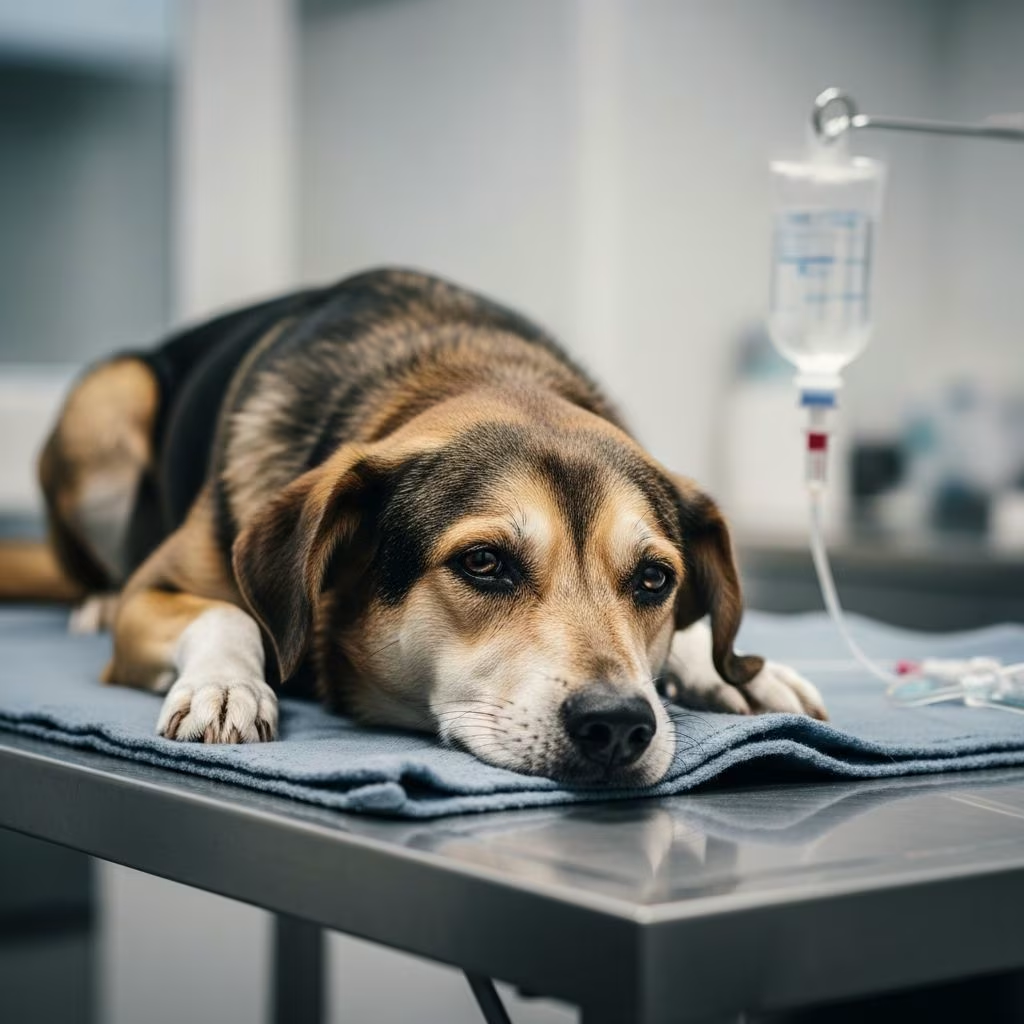
Canine kidney failure, also known as renal failure, represents a serious health challenge where the kidneys lose their capacity to filter waste from the blood effectively. This condition manifests in two primary forms: acute, which strikes suddenly, and chronic, which develops gradually over time. Early recognition and intervention are crucial for improving outcomes and extending quality of life.
Understanding the Kidneys’ Role in Canine Health
The kidneys serve as vital organs responsible for filtering blood, removing toxins, balancing electrolytes, regulating blood pressure, and producing hormones that support red blood cell production. When these functions falter, waste accumulates, leading to systemic issues like uremia, dehydration, and organ strain. In dogs, kidney tissue can compensate for significant damage—up to two-thirds—before symptoms become evident, explaining why the disease often appears advanced upon diagnosis.
Types of Kidney Failure: Acute vs. Chronic
Acute Kidney Injury (AKI) develops rapidly, often within hours or days, due to sudden insults like toxin exposure or severe dehydration. It requires immediate veterinary attention, as prompt treatment can reverse some damage.
Chronic Kidney Disease (CKD) progresses slowly, typically over months or years, from ongoing degeneration, aging, or genetic factors. By the time signs appear, much of the kidney function is irreversibly lost, shifting focus to management rather than cure.
| Type | Onset | Common Causes | Prognosis |
|---|---|---|---|
| Acute | Sudden (hours/days) | Toxins, infections, ischemia | Potentially reversible with quick care |
| Chronic | Gradual (months/years) | Aging, genetics, metabolic issues | Manageable, focuses on slowing progression |
Common Causes and Risk Factors
Kidney failure stems from diverse triggers. Acute cases frequently involve ingested toxins such as antifreeze (ethylene glycol), grapes, raisins, NSAIDs, or lilies, which directly damage renal cells. Infections like leptospirosis or pyelonephritis, ischemia from low blood flow, and hypercalcemia also contribute.
Chronic failure often links to genetic predispositions in breeds like Boxers, German Shepherds, Shih Tzus, and others with inherited renal dysplasia. Metabolic disorders, autoimmune conditions like glomerulonephritis, cancers such as renal adenocarcinoma, and long-term issues like kidney stones or parasites exacerbate damage.
- Toxins: Antifreeze, grapes/raisins, certain medications
- Infections: Bacterial pyelonephritis, leptospirosis
- Genetic: Breed-specific vulnerabilities
- Other: Cancer, autoimmune diseases, dehydration
Recognizing the Warning Signs
Symptoms vary by type and stage. In acute failure, signs erupt abruptly: excessive vomiting, severe lethargy, chemical-smelling breath, uncoordinated movements, and collapse. Chronic cases show subtler progression: increased thirst and urination (polydipsia/polyuria), followed by appetite loss, weight loss, mouth ulcers, bloody urine, diarrhea, and foul breath from uremia.
Owners might overlook early compensated stages where dogs drink and urinate more to maintain balance. Advanced uremia brings nausea, promoting further dehydration and weight loss.
- Increased/decreased water intake
- Changes in urine volume or blood in urine
- Vomiting and diarrhea
- Lethargy and weakness
- Loss of appetite and weight loss
- Bad breath, mouth sores
Diagnosis: Key Tests and Evaluations
Veterinarians diagnose through bloodwork revealing elevated creatinine, blood urea nitrogen (BUN), and phosphorus; urinalysis showing dilute urine, protein, or casts; and imaging like ultrasound to detect stones, tumors, or structural issues. Blood pressure checks and electrolyte panels guide staging per IRIS guidelines.
Staging CKD from 1 (mild) to 4 (severe) helps tailor treatments, with stage 2+ recommending renal diets.
Emergency Response and Initial Treatment
Suspected kidney failure demands immediate vet care, especially for acute cases with persistent vomiting, anorexia over 24 hours, or collapse—these signal life-threatening uremia. Hospitalization involves IV fluids for diuresis, flushing toxins and supporting remaining nephrons. Monitoring urine output is critical.
Additional therapies include anti-nausea drugs (maropitant, ondansetron), antibiotics for infections, and gastrointestinal protectants. Dialysis—hemodialysis or peritoneal—is rare, available only at specialty centers.
Long-Term Management Strategies
For chronic cases, treatment emphasizes slowing progression and comfort. Renal diets low in phosphorus and moderate in high-quality protein reduce workload and toxin buildup, proven to extend survival.
Subcutaneous fluids at home (daily to weekly) prevent dehydration and flush kidneys. Phosphate binders (e.g., aluminum hydroxide) control hyperphosphatemia if diets insufficient. ACE inhibitors like enalapril manage proteinuria and hypertension.
Address complications: antibiotics for infections, pain relief cautiously, and nutritional support via feeding tubes if needed.
Nutrition’s Critical Role
Diet is foundational. Renal-specific foods limit phosphorus to avert mineralization of remaining tissue, use digestible proteins to minimize waste, and maintain omega-3s for anti-inflammatory benefits. Transition gradually; if refusal occurs, assist feeding.
- Low phosphorus: Prevents secondary damage
- Moderate protein: Reduces uremic toxins
- High-quality sources: Supports muscle maintenance
- Controlled sodium: Manages blood pressure
Breed Vulnerabilities and Prevention Tips
Certain breeds face heightened risks due to genetics: Bulldogs, Cocker Spaniels, Lhasa Apsos, Samoyeds. Preventive measures include toxin-proofing homes, prompt urinary issue treatment, regular senior checkups with bloodwork, and breed-specific screenings.
Avoid NSAIDs without vet approval; ensure ample fresh water to support hydration.
Prognosis and Quality of Life
Acute cases can recover fully if treated swiftly, but chronic is progressive. Early CKD dogs may thrive for years with management; advanced stages focus on palliation. Regular monitoring adjusts therapies, prioritizing comfort.
Euthanasia considerations arise when uremia causes unmanageable suffering despite interventions.
Frequently Asked Questions (FAQs)
What causes sudden kidney failure in dogs?
Toxins like antifreeze or grapes, infections, or dehydration trigger acute failure rapidly.
Can dogs recover from kidney failure?
Acute cases often do with prompt IV therapy; chronic requires lifelong management.
How do I give subcutaneous fluids at home?
Vets demonstrate: inject warmed fluids under skin via needle, typically 100-250ml daily.
Is there a special diet for kidney disease?
Yes, low-phosphorus, moderate-protein renal diets improve survival and slow progression.
When is kidney failure an emergency?
Severe vomiting, collapse, or no eating/drinking for 24+ hours demand immediate care.
Monitoring Progress at Home
Track weight, water intake (aim 50-100ml/kg/day), urine production, and symptoms. Monthly bloodwork assesses trends. Adjust based on response to fluids and diet.
References
- Kidney Failure in Dogs — PetMD. 2023. https://www.petmd.com/dog/conditions/urinary/kidney-failure-dogs
- Dog Kidney Failure: Treatment & Recovery — Madison Park Veterinary Hospital. 2023-12-27. https://www.madisonparkvet.com/site/blog/2023/12/27/dog-kidney-failure
- Kidney Failure-Chronic in Dogs — VCA Animal Hospitals. 2024. https://vcahospitals.com/know-your-pet/kidney-failure-chronic-in-dogs
- Kidney Disease in Dogs: Signs, Symptoms, and Treatment — American Kennel Club. 2024. https://www.akc.org/expert-advice/health/dog-kidney-disease/
- Renal Dysfunction in Dogs and Cats — Merck Veterinary Manual. 2024. https://www.merckvetmanual.com/urinary-system/noninfectious-diseases-of-the-urinary-system-in-small-animals/renal-dysfunction-in-dogs-and-cats
- Kidney Infections & Problems in Dogs — Bruceville Pet Hospital. 2022-06-16. https://www.brucevilleph.com/site/blog/2022/06/16/kidney-infection-problems-dogs
- Kidney Failure in Dogs: Emergency Signs & What to Do Now — Garden State Veterinary Specialists. 2024. https://gsvs.org/blog/kidney-failure-dogs-emergency-signs/



