

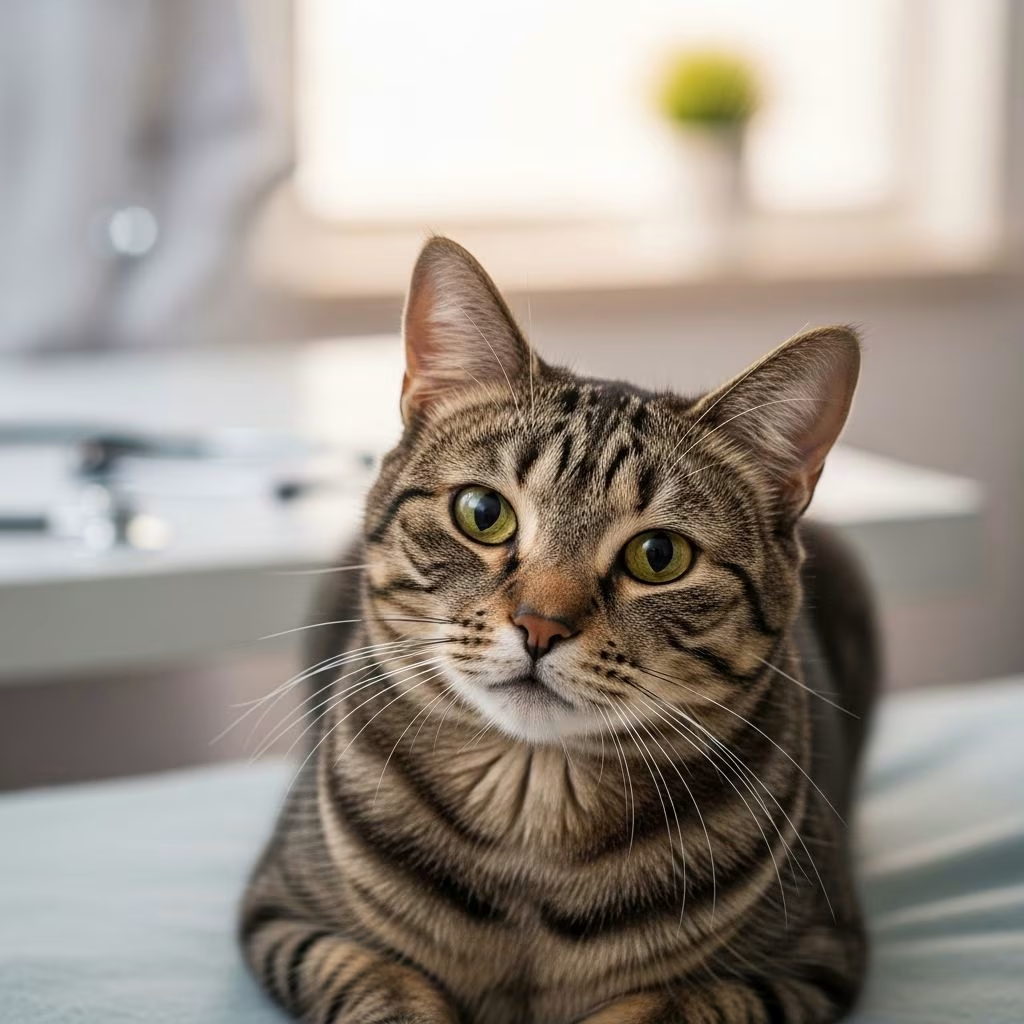
Understanding Kidney Failure in Cats
Kidney failure, also known as renal failure, is a serious condition that affects many cats, particularly as they age. The kidneys play a vital role in filtering waste products from the blood and maintaining proper hydration and electrolyte balance. When the kidneys fail to function properly, toxic waste accumulates in the bloodstream, leading to a range of health complications. Kidney failure in cats can develop suddenly (acute kidney failure) or progress gradually over time (chronic kidney disease). Understanding the symptoms, stages, and treatment options is crucial for cat owners to ensure their pets receive appropriate care and maintain the best possible quality of life.
Symptoms of Kidney Failure in Cats
The clinical signs of kidney failure in cats vary depending on whether the condition is acute or chronic. Recognizing these symptoms early can make a significant difference in the management and outcome of the disease.
Acute Kidney Failure Symptoms
Acute kidney failure develops suddenly and presents with more dramatic symptoms. Cats experiencing acute kidney failure typically exhibit:
– Sudden onset of decreased appetite or complete loss of appetite (anorexia)- Lethargy or listlessness, with cats appearing unusually tired or unresponsive- Vomiting, sometimes tinged with blood- Sudden changes in urination patterns- Dehydration- Weakness and muscle weakness
Chronic Kidney Disease Symptoms
Chronic kidney disease develops gradually, and cats often do not show any symptoms until the disease becomes more severe. When symptoms do appear, they include:
– Increased thirst (polydipsia)- Increased urination (polyuria)- Weight loss and muscle wasting- Changes in appetite- Foul breath, typically an ammonia-like odor- Poor coat quality- Lethargy and decreased activity- Behavioral changes such as hiding or appearing aloof- Vomiting or nausea- Diarrhea, which may contain blood- Changes in body temperature- Edema (fluid-filled swelling in the limbs)
Understanding the Stages of Chronic Kidney Disease
Chronic kidney disease in cats is classified into stages based on kidney function and creatinine levels. Understanding these stages helps veterinarians and cat owners determine the appropriate treatment approach and prognosis.
Stage I: Early Disease
In Stage I, cats have elevated creatinine levels but minimal clinical symptoms. Most cats at this stage are asymptomatic and may only be identified through routine blood work. Early detection at this stage allows for proactive management to slow disease progression.
Stage II: Mild to Moderate Disease
Stage II represents mild to moderate kidney disease with moderate elevation in creatinine levels. Cats may begin to show subtle clinical signs. At this stage, cats often benefit from therapeutic diet modifications and more frequent veterinary monitoring to prevent further progression.
Stage III: Advanced Disease
In Stage III, kidney function is significantly compromised with high creatinine levels. Cats typically display noticeable clinical symptoms and require active treatment including fluid therapy, medications, and dietary management to maintain quality of life.
Stage IV: End-Stage Disease
Stage IV represents end-stage kidney disease with severe loss of kidney function. Cats require intensive management and treatment. With proper care, cats with as little as 5% kidney function can survive for an extended period. Treatment options at this stage are more limited and focus primarily on managing symptoms and maintaining comfort.
Causes of Kidney Failure in Cats
Kidney failure in cats can result from various underlying causes. Acute kidney failure is often caused by sudden events such as toxin exposure, urinary obstruction, infection, or trauma. Chronic kidney disease develops over time and may be associated with aging, hypertension, proteinuria, diabetes, hyperthyroidism, or prior episodes of acute kidney injury. Some cats develop kidney disease without an identifiable underlying cause.
Diagnosis of Kidney Failure
Diagnosing kidney failure involves several diagnostic tools and tests. Routine blood tests and urine checks are particularly important as cats get older, as early detection can help veterinarians treat kidney disease before it becomes severe.
Blood Work
Blood work often shows elevations in two kidney-related values: blood urea nitrogen (BUN) and creatinine. These measurements indicate how well the kidneys are filtering waste from the blood. Depending on how advanced the condition is, additional abnormalities may be present, including electrolyte changes or anemia (low red blood cell count).
Urinalysis
Urinalysis provides valuable information about kidney function and can reveal the presence of protein in the urine, which indicates kidney damage. Regular urine testing helps monitor disease progression and detect complications such as urinary tract infections.
Additional Tests
Your veterinarian may recommend additional imaging such as ultrasound or X-rays to assess kidney size and structure, and to rule out other conditions such as urinary obstructions or tumors.
Treatment Options for Kidney Failure in Cats
While kidney failure cannot always be cured, especially in chronic cases, several treatment options can help manage the condition and improve your cat’s quality of life. Treatment approaches vary depending on the severity and stage of the disease and may include multiple therapies used in combination.
Therapeutic Diet
One of the most important treatments for cats with kidney disease is a specialized renal diet. Prescription diets designed for kidney support are formulated with restricted protein, phosphorus, and sodium levels, which helps reduce the strain on the kidneys and minimizes toxin buildup in the blood. These diets are often higher in omega-3 fatty acids to reduce inflammation. Studies show that cats with chronic kidney disease fed a renal support diet live approximately twice as long as cats fed a standard maintenance diet. Your veterinarian can recommend a diet tailored to your cat’s specific needs.
Fluid Therapy
Fluid therapy is a staple of kidney disease treatment and is essential for keeping cats hydrated and helping their kidneys flush toxins and waste products from the blood. Fluid therapy also helps prevent constipation, which is a common secondary problem related to kidney disease-induced dehydration. In early stages of chronic kidney disease, encouraging your cat to drink more water by providing fresh water sources and considering water fountains can be beneficial. As the disease progresses, intravenous (IV) fluid therapy may be administered during hospitalization, and subcutaneous (SQ) fluids can be given at home. In the later stages of chronic kidney disease, when cats cannot drink enough to maintain healthy hydration, subcutaneous fluids are well tolerated and can significantly improve quality of life.
Medications
Several medications are available to help manage the symptoms of kidney failure in cats:
– Anti-nausea medications: Drugs such as Cerenia help control stomach upset stemming from kidney disease- Antacids: Famotidine and other antacids help prevent ulcers caused by stomach acid buildup- Appetite stimulants: Medications such as mirtazapine can help improve appetite in cats experiencing anorexia- Blood pressure medication: Benazepril and other antihypertensive medications help control high blood pressure, which can worsen kidney disease- Phosphate binders: Oral phosphate binders such as aluminum hydroxide help lower the amount of phosphorus absorbed through the gut wall, slowing kidney disease progression- Potassium supplementation: Cats in renal failure tend to lose too much potassium in the urine, so supplementation may be necessary to maintain proper electrolyte balance- B vitamins: Supplementation may be recommended to replace nutrients lost through increased urination- Medications for anemia: Cats with chronic kidney disease often develop anemia due to lack of stimulation of the bone marrow. Newer drugs have been developed to help stimulate bone marrow production- Correcting electrolyte imbalances: Potassium increases or decreases are common depending on the stage of kidney failure and must be carefully monitored and corrected
Supplements
Several supplements can help decrease azotemia (elevated nitrogen levels in the blood) and promote kidney function. Purina Hydra Care is specifically designed to help your cat drink more water, which promotes kidney function. Other supplements such as AminAvast and VetriScience may also be beneficial. Always consult with your veterinarian before giving your cat any supplements to ensure it is safe and appropriate for your cat’s specific medical history.
Hospitalization and Intensive Care
Hospitalization is common for acute kidney failure to provide intensive monitoring and treatment. In many cases, hospitalization with intravenous fluids and the placement of a feeding tube can stabilize the cat. Some cats respond well to this aggressive treatment and may be able to return home for continued management of their underlying kidney disease.
Advanced Treatment Options
For more intensive treatment, hemodialysis (a treatment to filter a cat’s blood) is available at specialized veterinary centers. Hemodialysis will not cure kidney failure but may improve quality of life. However, few veterinary clinics possess the necessary equipment, and the cost of hemodialysis for cats is very high, making it an option only for selected cases.
Managing Kidney Disease Long-Term
Cats diagnosed with kidney disease require ongoing management and monitoring. Regular veterinary exams, blood tests, and urine tests help track kidney function and allow veterinarians to adjust treatment as needed. Early detection of any changes in your cat’s condition can lead to better management of the disease. Cats diagnosed early with kidney disease will benefit from nutritional management and more frequent veterinary attention, which may include more regular checkups and blood work. Fresh water should always be available, and drinking should be encouraged. Adequate nutrition should be provided daily.
Additionally, throughout your cat’s life, any disease process or illness that could affect hydration should be treated promptly with IV fluids. Drugs prescribed in the future for any other disease process will need to be tailored or substituted for more kidney-friendly alternatives, as kidney metabolism will be decreased. If not properly considered, overdosages and worsening of kidney disease could occur.
Frequently Asked Questions
Q: At what age do cats typically develop kidney disease?
A: Kidney disease can develop at any age, but chronic kidney disease is more common in senior cats. Routine blood tests and urine checks are especially important as cats get older to help detect kidney disease early.
Q: Can kidney failure in cats be cured?
A: Chronic kidney failure cannot be cured, but it can be effectively managed with proper treatment. Acute kidney failure sometimes can be reversed with aggressive treatment, depending on the underlying cause.
Q: How long can a cat live with kidney failure?
A: With proper treatment, cats with even minimal kidney function can survive for a long time. Cats with chronic kidney disease fed a renal support diet live approximately twice as long as cats on a standard diet.
Q: What should I feed a cat with kidney disease?
A: Your veterinarian will recommend a therapeutic renal diet specifically formulated with restricted protein, phosphorus, and sodium. These specialized diets help reduce strain on the kidneys and minimize toxin buildup.
Q: Can I give my cat supplements for kidney disease?
A: Some supplements may be beneficial for cats with kidney disease, but always consult your veterinarian before administering any supplements to ensure they are appropriate and safe for your cat’s specific condition.
Q: How often should my cat with kidney disease have veterinary checkups?
A: Cats with kidney disease should have more frequent veterinary checkups and blood work compared to healthy cats. Your veterinarian will recommend an appropriate schedule based on your cat’s stage of disease.
References
- Kidney Failure in Cats: Symptoms, Stages and Causes — PetMD. 2024. https://www.petmd.com/cat/conditions/urinary/kidney-failure-in-cats
- Chronic Kidney Disease — Cornell University College of Veterinary Medicine. 2024. https://www.vet.cornell.edu/departments-centers-and-institutes/cornell-feline-health-center/health-information/feline-health-topics/chronic-kidney-disease
- Chronic Kidney Disease in Cats — VCA Animal Hospitals. 2024. https://vcahospitals.com/know-your-pet/kidney-failure-chronic-in-cats
- Kidney Disease in Cats: Signs, Causes, and Treatment — PetMD. 2024. https://www.petmd.com/cat/conditions/urinary/kidney-disease-cats
- Feline CKD: Current therapies – what is achievable? — NIH National Center for Biotechnology Information. 2024. https://pmc.ncbi.nlm.nih.gov/articles/PMC10816691/
- Kidney Failure in Cats: Symptoms, Treatment & More — Bond Vet. 2024. https://bondvet.com/blog/kidney-failure-in-cats
- Renal Disease in Cats: Symptoms and Treatment — Rock Animal Hospital. 2024. https://rockanimal.com/articles/renal-disease-in-cats



