

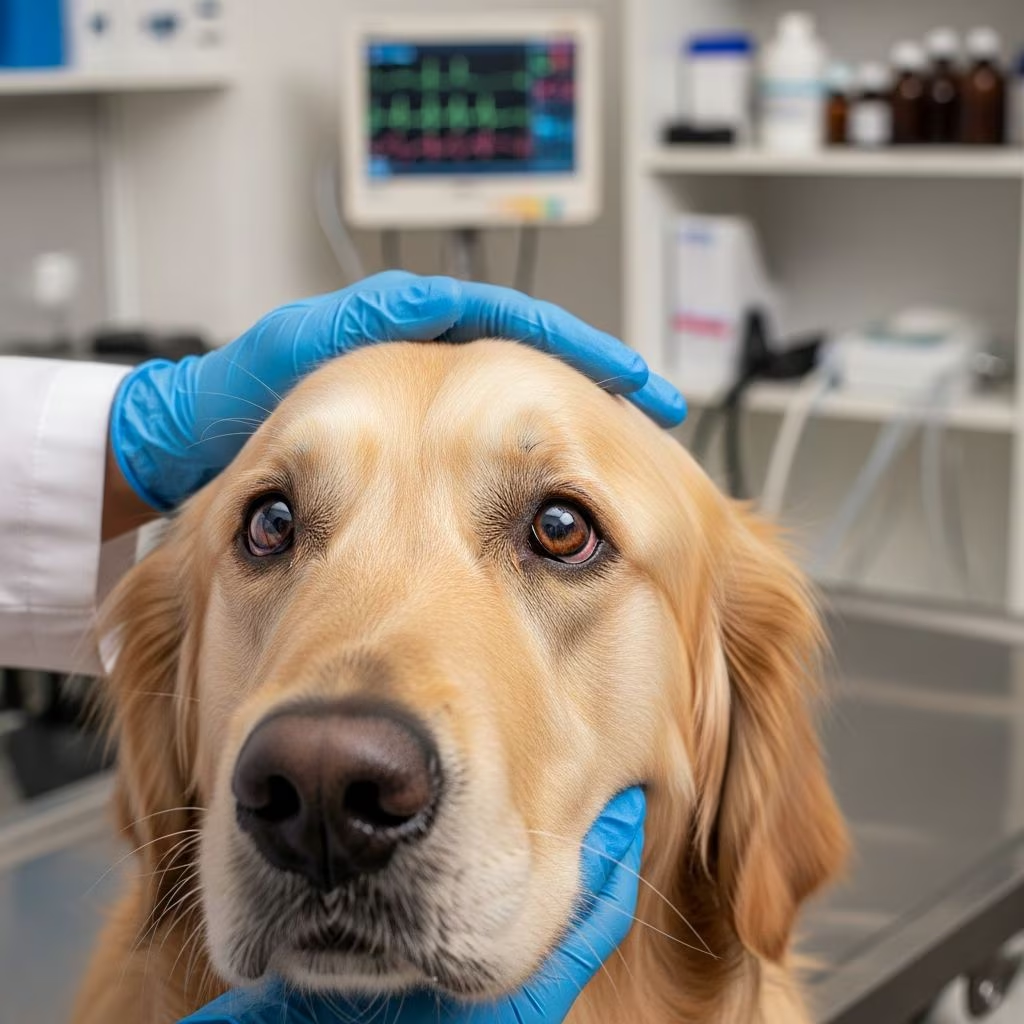
Kidney failure represents one of the most serious health challenges facing aging dogs and can develop rapidly in younger animals exposed to toxins or infections. The kidneys serve as the body’s filtration system, removing metabolic waste products and excess fluid from the bloodstream while maintaining critical electrolyte balance. When kidney function deteriorates, waste accumulates in the bloodstream, leading to systemic complications that affect virtually every organ system. Understanding the manifestations of kidney dysfunction enables pet owners to seek timely veterinary intervention, which can significantly influence treatment outcomes and quality of life.
Differentiating Between Acute and Chronic Kidney Dysfunction
Kidney disease in dogs exists in two distinct forms, each with different onset patterns, underlying causes, and treatment approaches. Recognizing which type your dog is experiencing helps veterinarians develop targeted management strategies and establishes realistic expectations for recovery.
Acute kidney dysfunction develops suddenly, often within hours to days of a triggering incident. This rapid onset distinguishes it from other conditions and typically follows exposure to specific toxins, infections, or traumatic events. The sudden nature of acute kidney failure demands immediate emergency medical attention, as the body has not had time to compensate for the rapid loss of kidney function.
Chronic kidney disease develops gradually over months or years as kidney tissue progressively deteriorates and becomes less efficient at filtering waste. In this form, the body initially compensates by increasing blood flow to the remaining functional kidney tissue, a mechanism that temporarily maintains relatively normal waste removal. However, once approximately two-thirds of kidney tissue is destroyed, the compensatory mechanisms become overwhelmed, and clinical signs become apparent relatively suddenly despite the disease’s slow progression.
Observable Physical Changes Associated with Kidney Compromise
The manifestations of kidney failure vary depending on disease severity and progression rate. Early detection relies on recognizing subtle changes in your dog’s behavior and physiology before advanced complications develop.
Water Consumption and Urination Patterns
Among the earliest indicators of kidney disease is altered water consumption and urine output. Dogs may drink substantially more water than usual and correspondingly urinate more frequently. This compensatory mechanism occurs because failing kidneys cannot concentrate urine effectively, requiring the body to process additional fluid volumes to maintain waste removal. Conversely, in advanced acute kidney failure, urine production may decrease dramatically or cease entirely, signaling severe functional deterioration requiring emergency intervention.
Gastrointestinal Manifestations
Vomiting and reduced appetite represent common consequences of uremic poisoning—the buildup of toxic waste products in the bloodstream. These gastrointestinal symptoms often develop as kidney failure progresses, with some dogs experiencing complete appetite loss. Diarrhea may accompany these symptoms, particularly in advanced disease stages.
Oral ulcerations constitute another distressing manifestation of kidney failure. These ulcers develop in the mouth and can cause pain, difficulty eating, and contribute to the characteristic bad breath associated with advanced kidney disease. The breath odor often resembles chemicals or ammonia, reflecting the accumulation of volatile waste compounds normally filtered by healthy kidneys.
Behavioral and Neurological Changes
Dogs experiencing kidney failure frequently display lethargy and reduced activity levels, reflecting the systemic effects of uremic toxins on energy metabolism. More severe cases may manifest uncoordinated movement, stumbling, or balance problems, indicating neurological involvement. In advanced disease, seizures or behavioral alterations may occur.
Weight Loss and General Decline
Progressive weight loss accompanies advancing kidney disease as appetite diminishes and the body’s nutritional status deteriorates. This weight loss, combined with lethargy and reduced engagement with family activities, reflects the profound systemic impact of kidney dysfunction.
Underlying Causes of Acute Kidney Injury
Acute kidney failure typically results from specific, identifiable insults to the kidneys. Understanding these causes helps owners prevent exposure and recognize emergency situations requiring immediate veterinary care.
Toxin Exposure
Numerous household substances can precipitate acute kidney failure. Ethylene glycol, commonly found in antifreeze, represents one of the most dangerous toxins, causing rapid and severe kidney damage. Grapes and raisins, while safe for humans, trigger acute kidney injury in dogs through unknown mechanisms. Common human medications including ibuprofen and naproxen damage canine kidneys, as do overdoses of veterinary pain medications such as carprofen and meloxicam.
Infectious Diseases
Leptospirosis, a bacterial infection transmitted through contaminated water, represents a significant cause of acute kidney failure. Dogs contract this infection by ingesting water contaminated with infected animal urine, making exposure particularly likely for dogs with access to outdoor water sources. The infection directly damages kidney tissue, compromising filtration function.
Dehydration
Severe dehydration from any cause—heat exposure, illness, or inadequate water access—can precipitate acute kidney failure, particularly in older dogs or those with underlying health conditions.
Contributing Factors in Chronic Kidney Disease
Chronic kidney disease develops through multiple pathways, often without a single identifiable cause. Metabolic disorders including Fanconi syndrome, diabetes mellitus, and diabetes insipidus contribute to progressive kidney damage. Hypertension accelerates kidney tissue destruction and worsens outcomes in dogs with existing kidney disease. Age itself represents a risk factor, as the cumulative effects of aging reduce kidney reserve and tissue resilience.
Therapeutic Approaches for Acute Kidney Dysfunction
Acute kidney failure constitutes a medical emergency requiring immediate hospitalization and aggressive intervention. Early treatment significantly influences recovery prospects and survival rates.
Intravenous Fluid Therapy
The cornerstone of acute kidney failure treatment involves intravenous fluid administration. These fluids restore hydration and actively flush accumulated toxins from the bloodstream, supporting kidney function while allowing damaged tissue to heal. Veterinary teams carefully monitor urine production throughout fluid therapy, using output as an indicator of improving kidney function or need for additional interventions.
Medications and Supportive Care
Antibiotics are administered when infection causes or complicates acute kidney failure. Additional medications prevent or treat gastric ulceration, a common consequence of uremic toxicity. Medications supporting gastrointestinal function address nausea and protect the stomach lining from further damage.
Nutritional Support
Dogs with acute kidney failure frequently refuse food due to nausea and gastrointestinal upset. When appetite loss persists despite medical management, temporary feeding tubes deliver essential nutrients directly into the stomach, maintaining nutritional status during recovery.
Advanced Interventions
Dogs unresponsive to conventional IV fluid therapy may require dialysis procedures. Peritoneal dialysis involves placing a tube into the abdominal cavity through which sterile fluid is introduced, allowed to dwell while toxins move into the fluid, and then withdrawn. Hemodialysis filters blood directly through an external machine, removing waste products and excess fluid more efficiently than peritoneal dialysis. These advanced procedures, typically available only at specialty or university veterinary hospitals, can reverse acute kidney failure in selected cases.
Managing Chronic Kidney Disease
Chronic kidney disease requires a different therapeutic approach focused on slowing disease progression and maintaining quality of life rather than achieving complete recovery. Early diagnosis and aggressive management enable many dogs to maintain relatively normal lifestyles for months or years.
Dietary Modifications
Specialized nutrition forms a cornerstone of chronic kidney disease management. The optimal diet for advanced kidney disease is reduced in protein, low in phosphorus, and not acidified. Lower protein intake decreases metabolic waste production that stresses compromised kidneys, while phosphorus restriction helps prevent secondary mineral metabolism abnormalities. These dietary modifications reduce the accumulation of uremic toxins that cause nausea, lethargy, and other clinical signs, allowing many dogs to feel substantially better once appropriate diet is instituted.
Fluid Therapy at Home
Once stabilized, many dogs benefit from ongoing subcutaneous fluid administration at home. These fluids, injected under the skin, prevent dehydration, continuously flush toxins through the kidneys, and provide electrolyte replacement. Frequency varies from daily to weekly depending on disease severity, with most dogs receiving optimal benefit from daily fluid administration. This treatment extends kidney function and helps maintain electrolyte balance without requiring hospitalization.
Electrolyte and Protein Management
Balancing and correcting electrolytes, particularly potassium, constitutes an essential component of kidney disease management. Blood tests guide specific treatments targeting individual abnormalities. Protein in the urine (proteinuria) signals increased disease progression risk. Blood pressure medications such as benazepril and enalapril reduce pressure within kidney blood vessels, decreasing proteinuria and slowing disease advancement.
Symptom Management
Medications control nausea and vomiting, improving appetite and quality of life. Regular blood and urine testing monitors kidney function and guides treatment adjustments. With early diagnosis and aggressive management, many dogs maintain adequate kidney function to live comfortably for extended periods.
When to Seek Emergency Veterinary Care
Certain findings indicate need for immediate emergency evaluation. Sudden onset of vomiting, inability to urinate or dramatic changes in urine output, extreme lethargy or unresponsiveness, difficulty breathing, seizures, or collapse all warrant emergency treatment. Suspected toxin ingestion requires immediate decontamination efforts, which become less effective with time delay.
Prognosis and Quality of Life Considerations
Acute kidney failure outcomes depend on disease severity, underlying cause, and response to treatment. Some dogs recover completely, particularly when toxin exposure is treated rapidly and kidney tissue damage is reversible. Others develop chronic kidney disease requiring ongoing management. Chronic kidney disease progresses inexorably but can be managed effectively to maintain good quality of life for extended periods with appropriate treatment and monitoring.
The key to optimizing outcomes involves recognizing early signs, obtaining prompt veterinary evaluation, and adhering to prescribed treatment regimens. Pet owners who understand kidney disease manifestations position themselves to identify problems early when treatment proves most effective.
References
- Kidney Failure in Dogs: Signs & Symptoms — Quail Hollow Veterinary Clinic. 2023-10-15. https://www.quailhollowvet.com/site/blog/2023/10/15/kidney-failure-dogs
- Kidney Failure in Dogs – PetMD — PetMD. https://www.petmd.com/dog/conditions/urinary/kidney-failure-dogs
- Chronic Kidney Disease in Dogs — VCA Animal Hospitals. https://vcahospitals.com/know-your-pet/kidney-failure-chronic-in-dogs
- Acute Kidney Failure in Dogs — BluePearl Pet Hospital. https://bluepearlvet.com/medical-articles-for-pet-owners/acute-kidney-failure-in-dogs/
- Dog Kidney Failure: Treatment & Recovery — Madison Park Veterinary Hospital. 2023-12-27. https://www.madisonparkvet.com/site/blog/2023/12/27/dog-kidney-failure
- Kidney Disease in Dogs: Signs, Symptoms, Treatments — American Kennel Club. https://www.akc.org/expert-advice/health/dog-kidney-disease/
- Kidney Failure in Dogs — TLC for Pets Veterinary Clinic. https://www.tlcforpets.net/kidney-failure-in-dogs
- Kidney Disease and Renal Failure in Dogs — Blue Cross UK. https://www.bluecross.org.uk/advice/dog/health-and-injuries/kidney-failure-and-disease-in-dogs



