

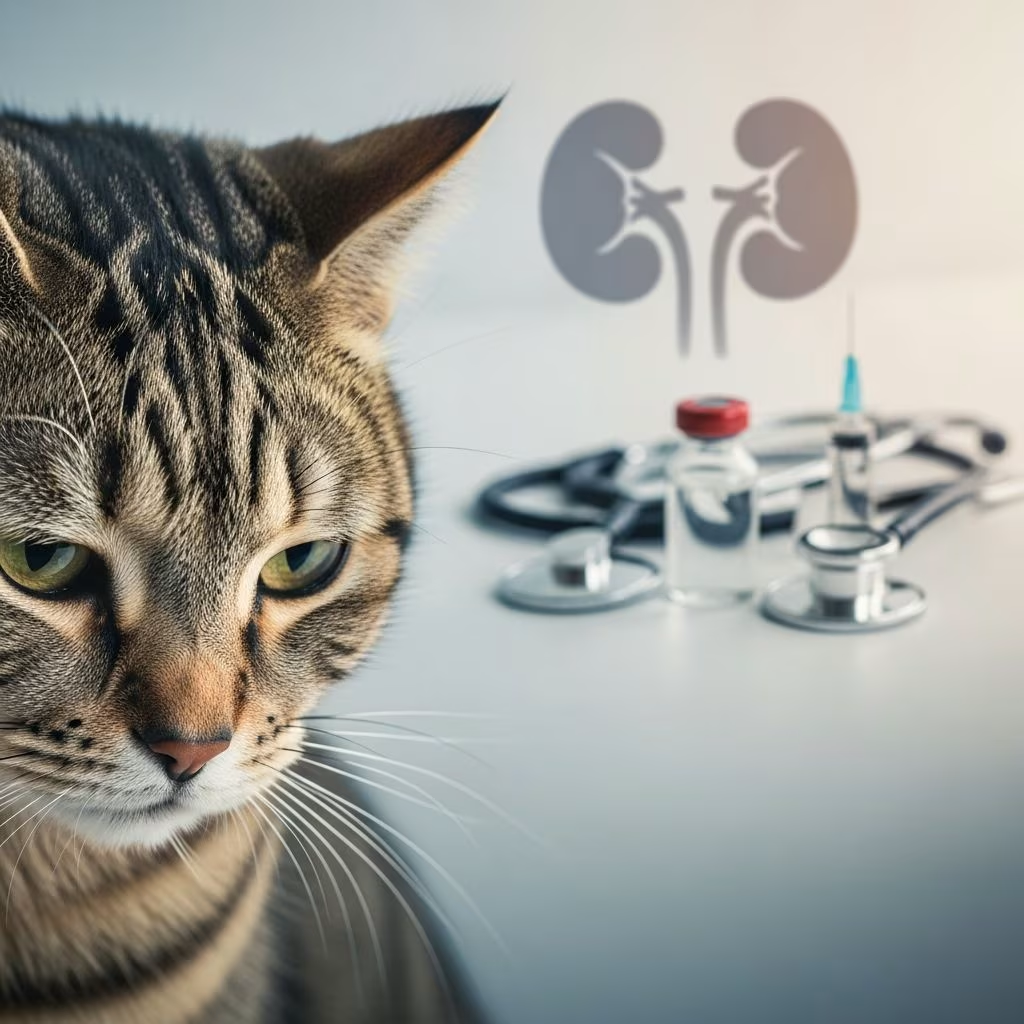
Understanding Kidney Disease in Cats
Kidney disease is one of the most common health conditions affecting cats, particularly as they age. The kidneys play a vital role in maintaining your cat’s overall health by filtering waste products from the blood and eliminating them through urine. Additionally, the kidneys are responsible for getting rid of metabolic waste products and chemicals through excretion in the urine. If this vital organ is not functioning as it should, there are lots of systemic consequences. When the kidneys become diseased or damaged, they can no longer perform these essential functions effectively, leading to a buildup of toxic substances in the body and a range of health problems.
Understanding kidney disease in cats is crucial for every cat owner. Early detection and proper management can significantly improve your cat’s quality of life and extend their lifespan. This comprehensive guide will help you recognize the signs of kidney disease, understand its causes, and explore the treatment options available to keep your feline companion healthy and comfortable.
Types of Kidney Disease in Cats
Kidney disease in cats can be classified into two main categories, each with distinct characteristics and treatment approaches.
Acute Kidney Failure
Acute renal failure occurs suddenly, typically developing within days or weeks. This type of kidney failure can happen in cats of any age and is often caused by specific triggering events. If diagnosed and treated promptly, acute renal failure can sometimes be reversed, making early veterinary intervention critical.
Common causes of acute kidney failure include:
- Exposure to toxins such as antifreeze, lilies, pesticides, cleaning fluids, and rat poison
- Urethral blockages that prevent urine from flowing
- Severe infections, including feline infectious peritonitis and pyelonephritis
- Trauma or serious injury to the kidneys
- Organ failure or sepsis
- Certain medications, including human NSAIDs like acetaminophen or ibuprofen
Chronic Kidney Disease
Chronic kidney disease (CKD) develops gradually over months or even years and is typically irreversible. This progressive condition is more common in older cats and gradually reduces the kidneys’ ability to filter toxins from the blood. While chronic kidney disease cannot be cured, it can be managed effectively to slow its progression and maintain the cat’s quality of life.
Causes of chronic kidney disease include:
- Autoimmune diseases that attack kidney tissue
- Genetic predisposition and inherited kidney cysts
- Long-term dietary factors, particularly dry food consumption leading to chronic dehydration
- Cumulative damage from previous kidney injuries or infections
Causes of Kidney Disease in Cats
Kidney disease in cats can result from various factors, though in many cases the exact cause remains unknown. Understanding potential causes helps cat owners take preventive measures and recognize risk factors.
Dietary Factors
Diet plays a significant role in feline kidney health. Cats have a naturally low drive to drink water, which means they often become dehydrated without feeling thirsty. Feeding your cat dry food exclusively can contribute to chronic dehydration and may increase the risk of kidney failure. Conversely, wet or canned food can help keep cats properly hydrated and promote kidney health. Additionally, cats have difficulty processing high levels of protein and phosphorus in their diet, which can stress the kidneys over time.
Toxin Exposure
One of the most common causes of acute kidney failure in cats is exposure to toxic substances. Household items that pose serious risks include antifreeze, certain plants like lilies, pesticides, cleaning products, and human medications. Even small amounts of some toxins can cause severe kidney damage, which is why it’s essential to keep these substances away from your cat.
Infections and Disease
Severe infections can cause acute kidney damage. Conditions like feline infectious peritonitis, toxoplasmosis, and pyelonephritis (kidney infection) can all lead to kidney disease. Cats with chronic kidney disease also develop bladder infections more frequently, which can increase the risk of kidney infections.
Recognizing the Signs of Kidney Disease
The symptoms of kidney disease in cats vary depending on the severity of the condition and whether the disease is acute or chronic. Knowing what to look for can help you catch the disease early.
Common Early Signs
The most common signs of kidney disease in cats are increased thirst and urination. You may notice your cat drinking significantly more water than usual and making more frequent trips to the litter box. Additional early signs include:
- Decreased appetite or poor appetite
- Weight loss and muscle wasting
- Lethargy and low energy levels
- Changes in behavior, such as hiding, decreased activity, or acting aloof
- Changes in stool patterns, including constipation or diarrhea
Advanced Symptoms
As kidney disease progresses, additional symptoms may develop. In later stages of the disease, gastrointestinal signs become more apparent. These include:
- Foul breath, usually with an ammonia-like odor
- Vomiting, which may contain blood in severe cases
- Diarrhea, which may contain blood
- Poor fur quality and coat appearance
- Pale gums
- Oral ulcers and mouth sores
- Drooling
- Depression and general malaise
- Dehydration signs, such as decreased skin elasticity and dry gums
Severe Stage Symptoms
In the most advanced stages of kidney disease, cats may experience:
- Changes in body temperature, including fever or hypothermia in late stages
- Edema (fluid-filled swelling in the limbs)
- Arched back or stiff-legged gait indicating kidney pain
- Sudden blindness due to retinal detachment caused by high blood pressure
- Inability to urinate or changes in urination patterns
- Coma in end-stage disease
Stages of Chronic Kidney Disease
Veterinarians typically classify chronic kidney disease into four stages based on the severity of kidney dysfunction and symptoms present.
Stage 1: Early Kidney Disease
At this stage, cats typically don’t show obvious symptoms, but a veterinarian will notice mild kidney abnormalities on blood work results. Treatment isn’t usually required at this point, but regular veterinary check-ups are important for monitoring progression.
Stage 2: Moderate Kidney Disease
Cats at Stage 2 may show symptoms such as weight loss, dehydration, decreased appetite, and increased thirst and urination. Your veterinarian will likely recommend transitioning your cat to a therapeutic kidney diet at this stage.
Stage 3: Moderate-Severe Kidney Disease
Symptoms at this stage include all previous signs, with increased severity. Treatment includes giving the cat fluids under their skin to maintain hydration.
Stage 4: End-Stage Kidney Disease
Cats at Stage 4 are approaching kidney failure and may experience pale gums, oral ulcers, and possible blindness due to high blood pressure. Your veterinarian will focus on treating symptoms and managing complications.
Diagnosis of Kidney Disease
If you suspect your cat has kidney disease, a thorough veterinary examination is essential. Your veterinarian will perform several diagnostic tests to confirm kidney disease and assess its severity.
Diagnostic procedures include:
- Blood tests to measure kidney function markers such as creatinine and blood urea nitrogen (BUN)
- Urinalysis to evaluate urine concentration and detect protein or other abnormalities
- X-rays to visualize the kidneys and check for blockages or abnormalities
- Ultrasound imaging to assess kidney structure and detect cysts or tumors
- Kidney biopsy in some cases to determine the specific type of kidney disease
Early detection is key to managing kidney disease effectively, as it allows for earlier intervention and better long-term outcomes.
Treatment and Management Strategies
Kidney disease in cats is typically irreversible. However, with proper treatment and management, animals with kidney disease can remain stable for long periods. The immediate risk of failing kidneys in cats is that they cannot clear the blood of dangerous toxins. Treatment goals focus on slowing disease progression, managing symptoms, and maintaining quality of life.
Hydration Management
One of the most important aspects of treating kidney disease is keeping your cat well-hydrated. Maintaining good hydration is essential for cats with CKD, as dehydration can speed up damage to the kidneys and cause clinical signs to worsen. Several strategies can help increase water intake:
- Feed wet food instead of dry kibble
- Provide a water fountain, as many cats prefer flowing water
- Leave a dripping faucet for cats that enjoy running water
- Offer flavored water such as low-sodium chicken or beef broth or tuna juice
- Administer subcutaneous fluids (fluids given under the skin) at home
- Use intravenous fluid therapy when necessary
Therapeutic Diet
Diet plays a crucial role in managing kidney disease. Cats with chronic kidney disease are not able to process protein or phosphorus normally. Your veterinarian will prescribe a therapeutic diet that is lower in protein and phosphorus to ease the burden on the kidneys. Research shows that cats with chronic kidney disease fed a renal support diet live twice as long as cats fed a maintenance diet. Cats should not be switched to a kidney diet until their kidneys cannot process normal levels of dietary protein or phosphorus, and your veterinarian will advise when this transition is necessary.
Medications and Supplements
Various medications and supplements can support kidney function and manage symptoms:
- Phosphate binders: Oral phosphate binders such as aluminum hydroxide help to lower the amount of phosphorus absorbed through the gut wall.
- Potassium supplementation: Cats in renal failure tend to lose too much potassium in the urine, requiring supplementation.
- B Vitamins: Supplementation may be recommended to replace vitamins lost through urination.
- Anti-emetics: Medications to control nausea and vomiting may be prescribed.
- Blood pressure medications: To manage high blood pressure, a common complication of kidney disease
- Antibiotics: To treat or prevent urinary tract infections
Advanced Treatment Options
Cats with more advanced disease may require more extensive treatment, including:
- Dialysis in some specialized veterinary centers
- Intravenous fluid therapy and IV medication administration
- Feeding tubes for cats unable to eat adequately
- Surgery to remove blockages if applicable[10]
Treating Acute Kidney Disease
Acute kidney failure is considered an emergency requiring extensive hospitalization and treatment. The goals of acute kidney failure treatment include resolving the underlying cause (if possible), minimizing symptoms, and preserving and healing as much kidney tissue as possible.
Prognosis and Long-Term Outlook
The prognosis for cats with kidney disease depends on the type and severity of the disease. With acute kidney failure, if diagnosed and treated promptly, the condition may sometimes be reversed. For chronic kidney disease, while the disease will ultimately progress, cats can survive for years with proper management. Remarkably, with proper treatment, cats with as little as 5% kidney function can survive for a long time. Regular veterinary exams, blood tests, and urine tests will help track your cat’s kidney function and allow your veterinarian to adjust treatment as needed.
Prevention and Early Detection
While not all cases of kidney disease can be prevented, certain measures may reduce the risk:
- Feed high-quality, age-appropriate cat food with proper protein and phosphorus levels
- Ensure adequate water intake by providing wet food and fresh water sources
- Keep toxic substances away from your cat, including certain plants, household chemicals, and human medications
- Maintain regular veterinary check-ups to catch early signs of disease
- Keep your cat at a healthy weight to reduce stress on the kidneys
Frequently Asked Questions
Q: How common is kidney disease in cats?
A: Kidney disease is one of the most common health conditions affecting cats, especially in senior cats. The condition becomes increasingly prevalent as cats age, making regular screening important for older felines.
Q: Can kidney disease in cats be cured?
A: Although there is no cure for kidney damage, early detection is key, and various treatments can help slow the progression of your cat’s illness. Chronic kidney disease is typically irreversible, but acute kidney failure may sometimes be reversed with prompt treatment.
Q: What should I feed my cat with kidney disease?
A: Your veterinarian will recommend a therapeutic kidney diet that is lower in protein and phosphorus. Additionally, feeding wet food and ensuring adequate water intake are crucial for maintaining hydration and supporting kidney function.
Q: How often should my cat be examined if diagnosed with kidney disease?
A: At Stage 1, cats should be checked by a veterinarian every 6 months. More advanced stages may require more frequent visits for blood work, urine tests, and treatment adjustments. Your veterinarian will recommend an appropriate schedule based on your cat’s specific condition.
Q: Can I give my cat fluids at home?
A: Yes, subcutaneous fluids (fluids given under the skin) can be administered at home. Your veterinarian will train you on proper administration techniques. This can significantly help maintain hydration and support kidney function.
Q: What is the average lifespan of a cat with kidney disease?
A: With proper treatment and management, cats with kidney disease can live for many years. Some cats may survive with as little as 5% kidney function. The lifespan depends on the stage at diagnosis, how well the disease is managed, and the individual cat’s overall health.
References
- Kidney Disease in Cats: Signs, Causes, and Treatment — PetMD. Accessed 2025-11-28. https://www.petmd.com/cat/conditions/urinary/kidney-disease-cats
- Causes of and Treatments for Kidney Failure in Cats — South Wilton Veterinary. 2021-04-08. https://www.southwiltonvet.com/site/blog-fairfield-county-vet/2021/04/08/causes-and-treatments-of-kidney-failure-in-cats
- Chronic Kidney Disease in Cats — VCA Animal Hospitals. Accessed 2025-11-28. https://vcahospitals.com/know-your-pet/kidney-failure-chronic-in-cats
- A Guide to Kidney Disease In Cats — GoodRx. Accessed 2025-11-28. https://www.goodrx.com/pet-health/cat/kidney-disease-in-cats-symptoms-treatment
- Renal Disease in Cats: Symptoms and Treatment — Rock Animal Hospital. Accessed 2025-11-28. https://rockanimal.com/articles/renal-disease-in-cats
- Kidney Disease in Cats: Causes, Signs, and Treatment — Best Friends Animal Society. Accessed 2025-11-28. https://bestfriends.org/pet-care-resources/kidney-disease-cats-causes-signs-and-treatment
- Kidney Failure in Cats: Symptoms, Stages and Causes — PetMD. Accessed 2025-11-28. https://www.petmd.com/cat/conditions/urinary/kidney-failure-in-cats
- Chronic Kidney Disease — Cornell University College of Veterinary Medicine. Accessed 2025-11-28. https://www.vet.cornell.edu/departments-centers-and-institutes/cornell-feline-health-center/health-information/feline-health-topics/chronic-kidney-disease
- Kidney Disease in Cats — Cats Protection. Accessed 2025-11-28. https://www.cats.org.uk/help-and-advice/health/kidney-disease



