Kid-Friendly Reptiles: 5 Best Pet Picks For Young Owners
Discover the top reptiles perfect for children, with easy care tips and family bonding opportunities.
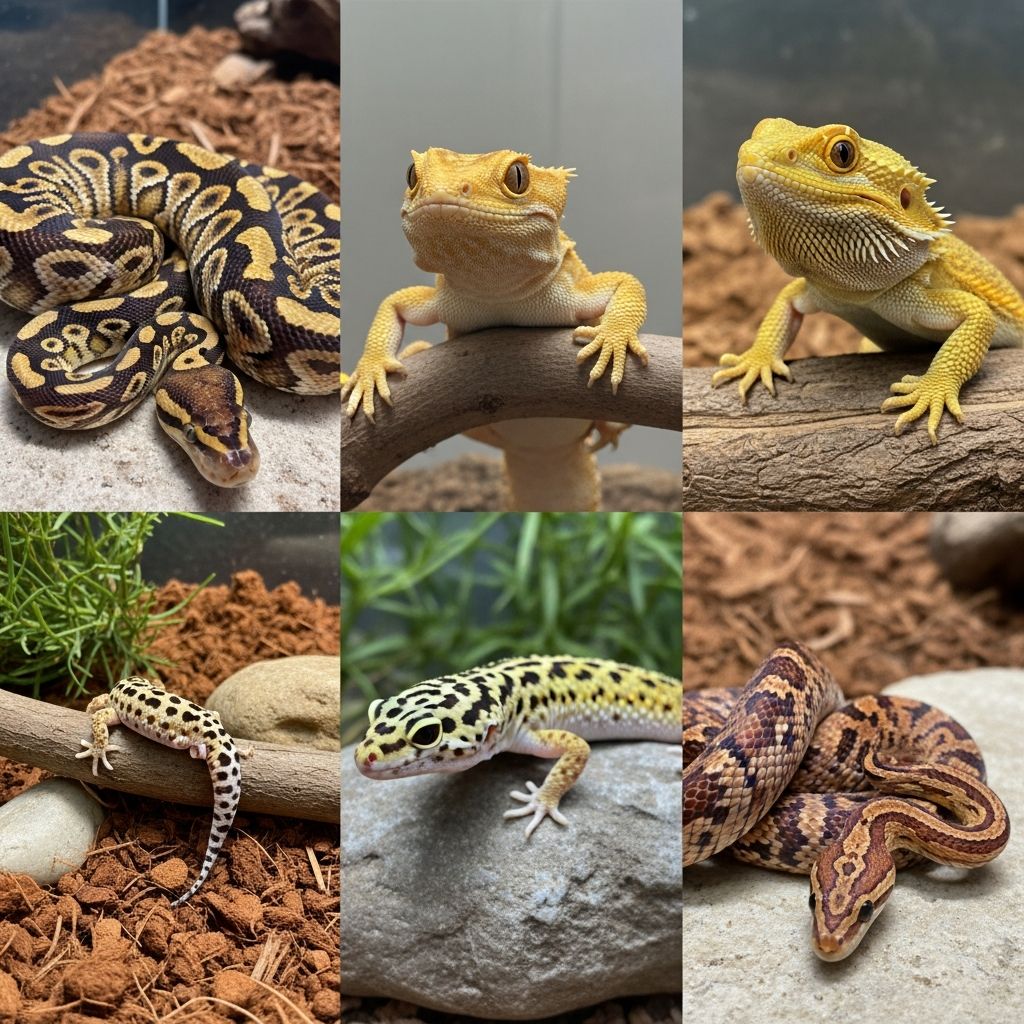
Kid-Friendly Reptiles: Top Choices for Young Owners
Reptiles offer a unique pet experience for children, combining educational value with low daily demands. These cold-blooded creatures teach responsibility through routines like feeding and habitat maintenance, while their calm natures suit family settings. Selecting the right species ensures safety and enjoyment for everyone involved.
Why Reptiles Suit Families with Children
Unlike high-energy mammals, reptiles require minimal space and exercise, fitting easily into home life. They promote learning about biology, habitats, and ecosystems. Docile varieties tolerate handling, fostering gentle interactions under supervision. Proper setup prevents common issues, making them reliable long-term companions that can live over a decade.
- Compact enclosures save room in kid-filled homes.
- Defined care schedules build habits.
- Fascinating behaviors spark curiosity.
Essential Setup for Reptile Habitats
Every reptile needs a tailored enclosure mimicking its natural environment. Temperature gradients, humidity, and lighting form the foundation. For beginners, start with glass terrariums featuring secure lids. Thermometers and hygrometers monitor conditions accurately.
| Reptile Type | Enclosure Size (Adult) | Temp Range (°F) | Humidity (%) |
|---|---|---|---|
| Bearded Dragon | 4x2x2 ft | 95-110 basking | 30-40 |
| Leopard Gecko | 20-gallon | 88-92 warm | 30-40 |
| Crested Gecko | 18x18x24 in | 72-82 | 60-80 |
| Corn Snake | 4 ft long | 75-85 warm | 50-60 |
Use UVB lights for species needing vitamin D synthesis, and substrate like paper towels for hygiene. Supervised cleaning teaches kids sanitation basics.
Featured Reptile: Bearded Dragon
Bearded dragons top lists for their sociable demeanor. Native to Australia, they bask calmly and respond to owners with head bobbing. Adults reach 18-24 inches, sturdy for child handling. Feed a mix of greens, veggies, and insects like dubia roaches twice daily. Juveniles grow quickly, needing calcium supplements to avoid deficiencies. They thrive in arid setups with climbing branches. Lifespan reaches 10-15 years, rewarding patient families.
- Temperament: Friendly, handles well after acclimation.
- Diet: 70% plants, 30% protein for adults.
- Cost: Moderate initial setup around $300-500.
Leopard Geckos: Small and Simple
These nocturnal lizards from Pakistan and India captivate with spotted patterns. Growing to 8 inches, they fit small tanks. No UVB required simplifies care; provide hides and a heat mat. Insect-only diet of crickets or mealworms fed every other day suits picky eaters. Vocalizations like chirps add personality. They shed easily, visible on smooth skin, and live 15+ years.
Ideal for apartments, their ground-dwelling habits mean no tall climbs. Tail loss is a defense but regrows harmlessly—teach kids gentle grips.
Crested Geckos: Arboreal Charmers
With eyelash-like crests, these New Caledonia natives climb vertically. Tall, screened enclosures with live plants mimic rainforests. Feed powdered diets or fruit mixes 2-3 times weekly—no live bugs needed. Humidity via misting creates dew for drinking. Mildly handling-tolerant, they stick to fingers via toe pads. Adults stay under 10 inches, perfect for young hands.
- Maintenance: Low; repash diet stores easily.
- Activity: Nocturnal, watch evening antics.
- Health: Watch for stuck toe pads post-shed.
Snakes for Curious Kids: Corn Snakes
Corn snakes offer slithering appeal without aggression. Originating from the Americas, their orange-red bands mesmerize. Reach 4-6 feet in simple tubs with aspen bedding. Pre-killed mice every 7-10 days minimize mess. Diurnal explorers enjoy tunnels and branches. Rarely bite, they coil gently during holds. Lifespan: 15-20 years.
Compare to ball pythons, which curl defensively but warm up. Supervision ensures safe sessions.
Tortoises: Grounded Grazers
Russian tortoises provide slow-paced observation. Hardy in 40-gallon setups, they munch weeds and hay. Outdoor pens in warm months add enrichment. Dome shells protect during brief interactions. Plant-based eating avoids live food squeamishness. They burrow, needing deep substrate.
Nutrition Fundamentals Across Species
Balanced diets prevent metabolic issues. Insects should be gut-loaded with nutrients; dust with calcium/D3. Variety keeps meals exciting—try waxworms as treats sparingly. Fresh water in bowls or via misting is essential. Juveniles eat more protein, shifting to veggies with age.
- Supplements: Use reptile-specific powders weekly.
- Sources: Reputable breeders for healthy stock.
- Schedule: Consistent times build reliability.
Handling and Safety Protocols
Always wash hands post-handling to avoid salmonella, common in reptiles. Support full body weight; never grab tails or heads. Sessions last 10-15 minutes daily to build trust. Younger kids observe first. Emergency vet access is key—signs like lethargy signal issues.
Common Challenges and Fixes
Shedding sticks? Increase humidity. Refusal to eat? Check temps. Overheating risks fires—use thermostats. Budget for electricity and food yearly (~$200). Commitment matches pets’ longevity; rehoming needs planning.
Health Monitoring Basics
Observe appetite, poop, and activity. Annual vet checkups catch parasites. Quarantine new arrivals. Clean weekly, deep monthly. Bright eyes and firm muscles indicate wellness.
Cost Breakdown for Starters
| Item | One-Time Cost | Annual Cost |
|---|---|---|
| Enclosure & Heat | $200-400 | $50 |
| Food & Subs | $50 | $150-300 |
| Animal | $50-200 | – |
Frequently Asked Questions
Which reptile is ideal for a 5-year-old?
Leopard or crested geckos work best due to size and simplicity. Supervise closely.
Do reptiles need live food?
Many do, like geckos, but crested geckos use powders. Alternatives exist.
Can kids keep reptiles in bedrooms?
Yes, with proper ventilation and noise-free feeders like silkworms.
How to choose a healthy pet?
Seek clear eyes, smooth skin, active movement from ethical sellers.
Are snakes scary for kids?
Corn snakes’ calm vibe eases fears; start small.
Building Lasting Reptile Bonds
Journal care logs together. Watch documentaries on origins. Join clubs for tips. These steps turn pets into family teachers, nurturing empathy and science interest.
References
- Best Reptiles for Kids – Glen Burnie – Alpha Veterinary Center — Alpha Veterinary Center. 2025-09-12. https://alphavetcenter.com/2025/09/12/best-reptiles-for-kids/
- Best 5 Pet Lizards for Beginners: Our Top Picks — Reptile Centre. N/A. https://www.reptilecentre.com/blogs/reptile-blog/5-pet-lizards-for-beginners
- Pet for my 11 year old daughter — MorphMarket Reptile Community. N/A. https://community.morphmarket.com/t/pet-for-my-11-year-old-daughter/17130
- The Best Reptiles To Get Kiddos As A Pet — The Wiegands. 2021-08. https://thewiegands.com/2021/08/best-reptiles.html
- Are Reptiles a Good Pet for Kids? — Zilla. N/A. https://www.zillarules.com/articles/are-reptiles-a-good-pet-for-kids
Similar Articles








Read full bio of medha deb