
Key Questions to Ask Your Vet for Cat Health
Unlock vital conversations with your veterinarian to ensure your cat's long-term wellness and early detection of hidden issues.
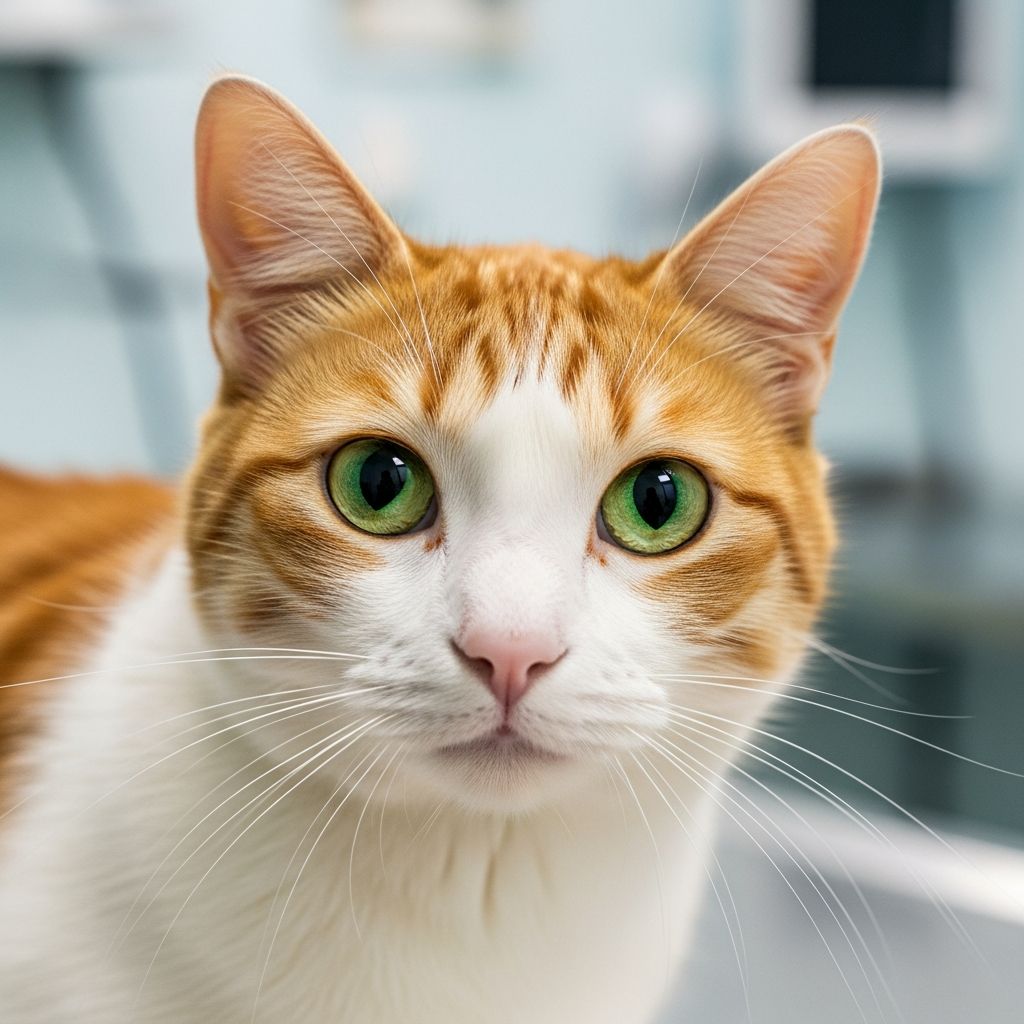
Cats often mask their discomfort, making proactive veterinary discussions crucial for their well-being. Regular checkups and targeted questions can uncover hidden issues early, preventing serious conditions like kidney disease or diabetes. This guide explores vital inquiries to make during vet visits, drawing on expert recommendations for comprehensive feline care.
Understanding Your Cat’s Ideal Body Condition
One of the first topics to broach is your cat’s weight and body condition score. Obesity affects over 50% of cats, contributing to diabetes, arthritis, and heart problems. Ask your vet: “Is my cat at a healthy weight, and how can I maintain it?” They will assess using a body condition score, feeling for ribs that are palpable but not visible, and a waistline visible from above.
Regular monitoring prevents issues like those in senior cats, where 90% over 12 years old suffer from arthritis, exacerbated by excess weight. Vets may recommend portion-controlled feeding or prescription diets. Track your cat’s weight at home monthly to spot trends early.
Optimizing Nutrition for Longevity
Diet directly impacts health, especially for cats prone to urinary crystals or kidney disease. Pose this question: “What is the best diet for my cat’s age, lifestyle, and health status?” Vets advise against raw diets due to bacteria and parasites risky for immunocompromised pets.
Balanced commercial foods support kidney function and dental health. For example, high-quality canned food can benefit urinary health without prescriptions. Discuss portion sizes, as overfeeding leads to obesity. Senior cats may need lower phosphorus diets to slow kidney disease progression, affecting 40% of cats over 10.
| Life Stage | Key Nutritional Needs | Potential Risks if Ignored |
|---|---|---|
| Kitten | High protein, DHA for brain | Growth delays |
| Adult | Balanced calories, taurine | Obesity, heart issues |
| Senior (10+) | Low phosphorus, joint support | Kidney disease, arthritis |
Decoding Behavioral Changes
Cats communicate distress subtly through actions. Ask: “What does this behavior change mean, and should we investigate further?” Signs like increased meowing, hiding, or litter box avoidance signal problems. Lethargy or aggression might indicate pain from dental disease, present in 50-90% of cats over 4.
- Hiding or withdrawal: Often early illness sign, as cats instinctively conceal weakness.
- Excessive vocalization: Could stem from hunger, stress, or cognitive decline in seniors.
- Litter box issues: Frequent urination or straining points to urinary tract disease or diabetes.
Behavior shifts warrant blood work, as they precede visible symptoms in conditions like hyperthyroidism, affecting 10% of seniors.
Preventive Screenings and Wellness Protocols
Beyond symptoms, inquire: “What screenings do you recommend based on my cat’s age and history?” Twice-yearly exams with blood and urine tests detect issues early. For indoor cats, FeLV/FIV testing is vital, even if low-risk, as these viruses cause immune suppression.
Senior panels check for kidney function (elevated in 80% of cats over 16), thyroid levels, and anemia. Discuss vaccinations, parasite prevention, and dental cleanings, as periodontal disease leads to systemic issues.
Spotting Subtle Signs of Common Feline Ailments
Cats hide illness, so learn red flags. Increased thirst and urination signal diabetes or kidney disease. Weight loss despite appetite suggests hyperthyroidism or cancer. Poor coat or bad breath indicates dental problems or FIV.
- Emergency signs: Strained breathing, vomiting, or collapse require immediate care.
- Chronic indicators: Lumps, unhealing sores, or eye discharge need prompt evaluation.
Track symptoms with a journal: note onset, duration, and severity for vet discussions.
Age-Specific Health Strategies
Tailor questions by life stage. Kittens need deworming and vaccination schedules. Adults focus on spay/neuter benefits and lifestyle risks. Seniors require arthritis pain management and blood pressure checks.
For example, ask about joint supplements for cats over 12, where 90% have arthritis. Hyperthyroid cats benefit from dietary iodine restriction.
Home Monitoring Techniques
Empower yourself between visits. Weigh food and water daily to detect diabetes signs like polydipsia. Check gums for paleness (anemia) or redness (gingivitis). Observe grooming; unkempt fur signals discomfort.
Use apps or charts for trends. A sudden appetite drop or preference for soft food hints at dental pain.
Building a Partnership with Your Vet
Prepare a list before appointments: recent changes, diet details, home environment. Ask about telehealth for minor concerns. Follow-up on recommendations like bloodwork every 6 months for at-risk cats.
This collaboration extends lifespan; early intervention in FeLV cats involves isolation and nutrition.
FAQs on Cat Vet Visits
How often should I take my cat to the vet?
Adults: annually; seniors/kittens: every 6 months for wellness exams.
What if my cat resists the carrier?
Use pheromone sprays, familiar bedding, and short trips to acclimate.
Are blood tests necessary if my cat seems fine?
Yes, they reveal silent issues like early kidney disease.
Can diet alone manage conditions like diabetes?
Often combined with insulin; vet guidance essential.
How to prevent obesity at home?
Measure meals, interactive toys, multiple small feedings.
References
- Common Cat Diseases — ASPCA. Accessed 2026. https://www.aspca.org/pet-care/cat-care/common-cat-diseases
- Common Cat Illnesses and Treatments — Marketplace Veterinary. Accessed 2026. https://www.marketplaceveterinary.com/blog/common-cat-illnesses-and-treatments/
- 7 Hidden Health Issues in Cats and How To Spot Them — PetMD. Accessed 2026. https://www.petmd.com/cat/general-health/hidden-health-issues-in-cats-and-how-to-spot-them
- Common Cat Illnesses & Symptoms — Shatto Vet. 2022-11-30. https://www.shattovet.com/site/blog/2022/11/30/common-cat-illnesses-symptoms
- Q&A on Cats: Your Curious Cat Questions Answered — Aspen Grove Vet. Accessed 2026. https://aspengrovevet.com/news/common-cat-questions-answered
- 10 Questions That Cat Owners Should Ask Their Vets — Four Paws. Accessed 2026. https://fourpaws.org/10-questions-that-cat-owners-should-ask-their-vets/
Similar Articles








Read full bio of medha deb




