

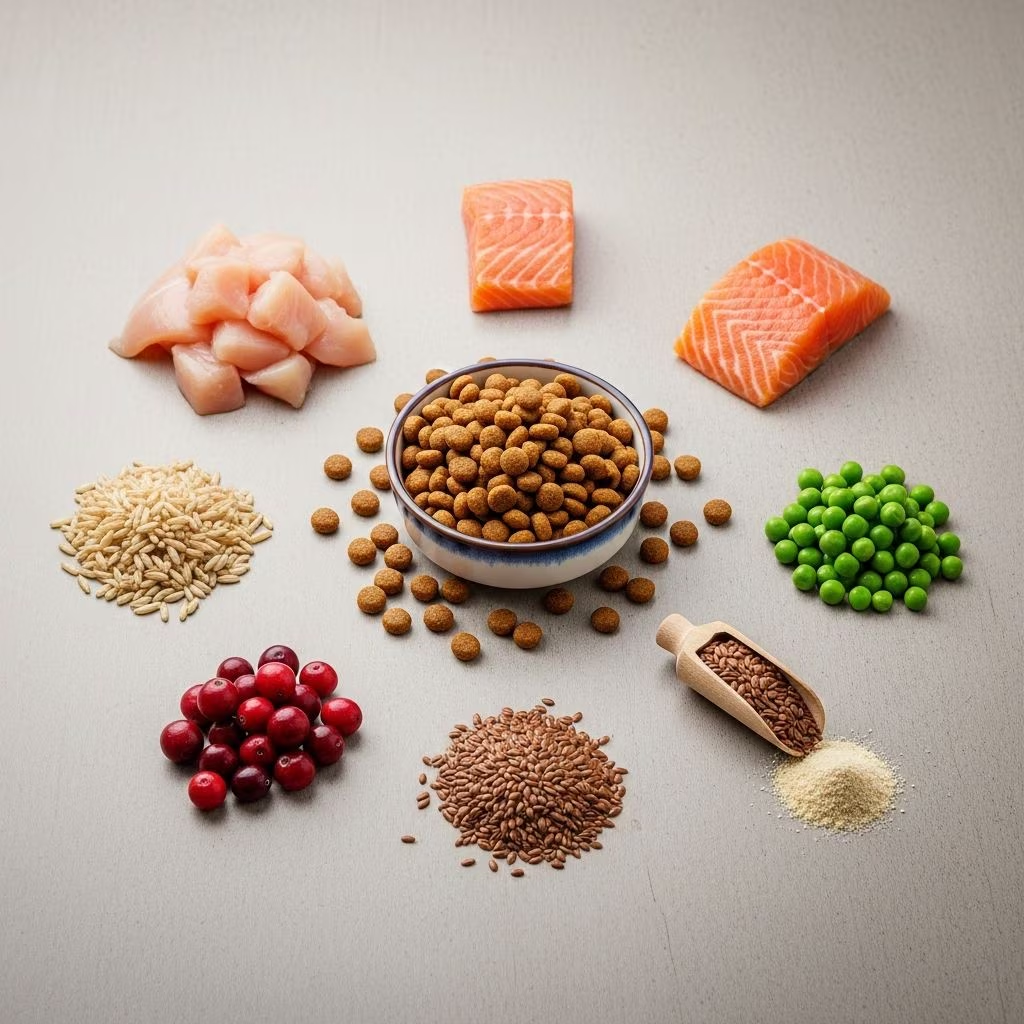
Dry cat food, often called kibble, forms a staple in many feline diets due to its convenience, affordability, and long shelf life. Composed primarily of dehydrated components, it typically contains 8-12% moisture, concentrating nutrients into compact nuggets. Understanding the ingredients listed on labels empowers owners to choose formulas aligning with their cat’s needs as obligate carnivores, which thrive on high-protein, meat-based nutrition.
Proteins: The Foundation of Feline Nutrition
Proteins supply amino acids essential for muscle maintenance, immune function, and overall vitality. Cats require at least 26-30% crude protein in their diet, with animal sources preferred since they provide taurine and other vital compounds not synthesized by plants.
- Named Meat Sources: Ingredients like chicken or poultry lead many formulas, indicating real muscle meat as the primary protein. These deliver high digestibility and palatability.
- By-Product Meals: Poultry by-product meal or meat meal concentrate organs, bones, and tissues, offering concentrated nutrients like glucosamine for joint health, though quality varies by processing.
- Plant-Based Proteins: Corn gluten meal, soy protein concentrate, or wheat gluten supplement animal proteins but are less ideal due to lower digestibility and potential allergens.
High-quality kibble prioritizes named animal proteins first, ensuring over 40% of calories from protein to mimic wild diets.
Grains and Carbohydrates: Energy Providers with Caveats
Grains like rice, corn, and wheat provide energy, fiber, and binding for kibble shape. While cats metabolize carbs efficiently, excessive amounts (over 20-30% dry matter) displace protein, risking obesity and diabetes.
| Ingredient | Role | Pros | Cons |
|---|---|---|---|
| Rice | Digestible carb source | Hypoallergenic, gluten-free | Lower nutrient density |
| Corn Protein Meal | Protein booster | Affordable, high protein | May cause allergies |
| Wheat Flour | Binder and energy | Fortified vitamins | Common allergen |
Grain-free options use peas or potatoes, but recent studies link legume-heavy formulas to heart issues in some pets; moderation is key.
Fats and Oils: Supporting Skin, Coat, and Energy
Fats contribute 15-20% of kibble’s energy, with omega-6 fatty acids from beef fat or chicken fat promoting glossy coats and healthy skin. Preserved with mixed-tocopherols (vitamin E), these prevent rancidity. Fish oil adds omega-3s for anti-inflammatory benefits and vision support.
- Beef fat (preserved): Palatable energy source rich in linoleic acid.
- Dried egg product: Adds fats, proteins, and lutein for eye health.
Vitamins, Minerals, and Amino Acid Supplements
Fortification ensures balance per AAFCO standards. Taurine (min 0.15%) prevents blindness and heart disease; L-lysine supports immunity. Minerals like calcium (from carbonate) and phosphorus maintain bone health, while chelated forms enhance absorption.
Probiotics such as dried Bacillus coagulans aid digestion, reducing diarrhea. Antioxidants like vitamin E bolster immunity.
Binders, Flavors, and Preservatives: Functional Additives
These maintain kibble integrity and appeal:
- Natural Flavor: Enhances taste without specifics.
- Phosphoric Acid, Potassium Chloride: Balance pH and electrolytes.
- Caramel Color: Aesthetic appeal, safe in small amounts.
- Minerals (Zinc Sulfate, etc.): Trace elements for metabolism.
Avoid BHA/BHT if possible; opt for tocopherol-preserved options.
Understanding Guaranteed Analysis Labels
Labels provide minimums/maximums for key nutrients:
| Nutrient | Typical Min/Max | Benefit |
|---|---|---|
| Crude Protein | 36% Min | Muscle support |
| Crude Fat | 16% Min | Energy, coat health |
| Crude Fiber | 2% Max | Digestion aid |
| Moisture | 12% Max | Preservation |
| Taurine | 0.15% Min | Heart/eye health |
Compare on a dry matter basis for accuracy.
Ideal vs. Problematic Ingredients for Cats
Cats need meat-centric diets. Prioritize:
- Whole meats/fish first.
- Minimal fillers.
- Named by-products over derivatives.
Steer clear of excessive sugars, spices, or raw bones unsuitable for kibble.
Selecting the Best Dry Food for Your Cat
Match to life stage: Kittens need DHA for development; seniors benefit from joint support. Consider allergies, weight, and activity. Transition gradually over 7-10 days.
High-quality kibble supports urinary health via balanced minerals, digestion via prebiotics like chicory root, and immunity via antioxidants.
Frequently Asked Questions (FAQs)
What percentage of protein should dry cat food have?
Aim for 36-50% crude protein, mostly animal-derived, to meet carnivorous needs.
Are grains bad for cats?
Not inherently, but limit to under 20% dry matter; grain-free isn’t always superior.
What does ‘natural flavor’ mean in cat food?
A digest or extract enhancing taste, often meat-derived but unspecified.
Is poultry by-product meal nutritious?
Yes, it provides concentrated nutrients if from quality sources.
How much dry food per day for my cat?
Follow label guidelines based on weight; typically 1/4-1/2 cup for adults, adjusted for calories.
Transitioning to New Dry Food Safely
Mix old and new over a week: 25% new day 1-2, 50% day 3-4, 75% day 5-6, 100% day 7. Monitor stool and energy.
Dry food’s low moisture (10%) necessitates fresh water access to prevent crystals.
References
- Purina Pro Plan Complete Essentials Chicken & Rice Formula Dry Cat Food — Purina. 2023. https://www.proplanvetdirect.com/feline-pro-plan-chicken-rice-formula-adult
- The good, the bad, and the ugly of cat food ingredients — Untamed. 2024. https://untamed.com/blogs/nutrition/cat-food-ingredients
- Purina ONE Dry Cat Food — Purina. 2024. https://www.purina.com/purina-one/products/dry-cat-food
- Cat Food Ingredients: A Comprehensive Guide — Hill’s Pet Nutrition. 2023. https://www.hillspet.ca/en-ca/cat-care/nutrition-feeding/cat-food-ingredients-and-benefits
- Understanding Common Ingredients and Nutrients in Cat Food — IAMS. 2023. https://www.iams.com/cat/cat-articles/understanding-common-ingredients-and-nutrients-cat-food



