

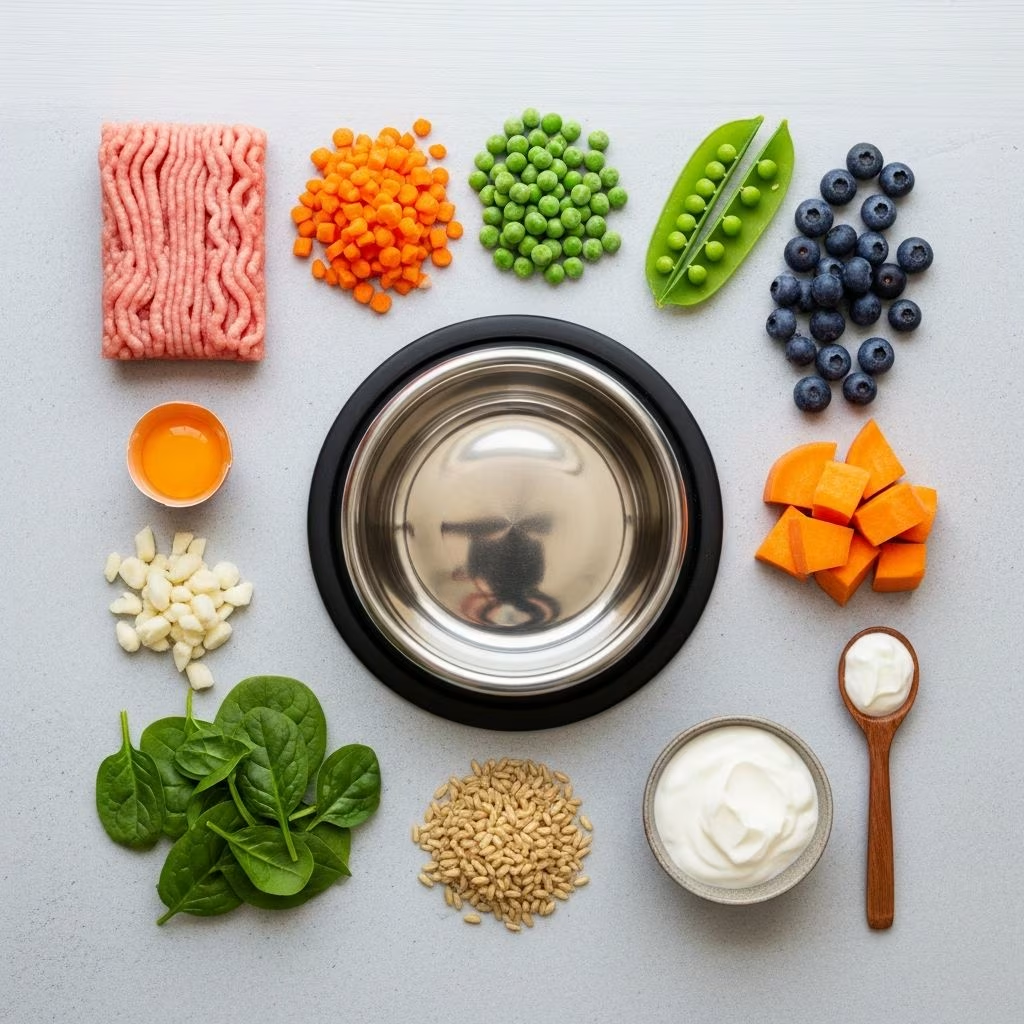
Creating homemade dog food allows pet owners to control quality and tailor meals to their dog’s specific needs. This approach emphasizes high-quality proteins, nutrient-dense vegetables, digestible carbohydrates, and vital supplements to mimic a dog’s natural dietary requirements as carnivorous omnivores.
Understanding Canine Nutritional Needs
Dogs require a diet rich in animal-based proteins to meet their high demand for essential amino acids, roughly double that of humans. These proteins support muscle maintenance, energy production, and immune function. Balanced meals typically follow ratios like 50% protein, 25% vegetables, and 25% grains, adjustable based on breed, age, and health conditions.
Key macronutrients include lean meats for protein, complex carbs for sustained energy, and vegetables for fiber and micronutrients. Essential fatty acids from oils and fish, plus calcium sources, prevent deficiencies. Always consult a veterinarian to customize recipes and avoid imbalances.
Proteins: The Foundation of Every Meal
Animal proteins form the core of a dog’s diet. Opt for lean sources to provide complete amino acid profiles without excess fat.
- Ground Beef or Turkey: Lean ground beef delivers iron, zinc, and high-quality protein. Ground turkey serves as a hypoallergenic alternative, ideal for sensitive dogs.
- Organ Meats: Hearts, livers, and gizzards offer concentrated vitamins like B12, iron, and zinc, enhancing overall vitality.
- Eggs: Provide choline, protein, and folic acid. Farm-fresh eggs can include crushed shells for natural calcium, while store-bought ones utilize the inner membrane.
Incorporate 1/3 of the meal as protein. For example, 2 pounds of grass-fed ground beef mixed with organ meats ensures comprehensive nutrition.
Vegetables: Fiber and Micronutrient Boosters
Vegetables contribute antioxidants, vitamins, and fiber, comprising about 1/3 of the diet. They aid digestion and provide low-calorie bulk.
| Vegetable | Key Benefits | Preparation Tip |
|---|---|---|
| Carrots | Vitamin A for vision, beta-carotene | Shred or thinly slice |
| Broccoli | Vitamin C, sulforaphane for detox | Chop finely |
| Spinach or Leafy Greens | Iron, folate (use sparingly for kidney health) | Chop and blend |
| Butternut Squash | Vitamin A, fiber for digestion | Chop and cook |
| Zucchini | Hydration, low-calorie fiber | Shred raw |
Process vegetables in a food processor for better digestibility. Examples include shredded carrots with peas or chopped bell peppers for color and vitamin C.
Carbohydrates: Energy Without Excess
While not strictly essential, carbs from whole grains or starchy veggies offer fiber, B vitamins, and steady energy. Limit to 1/3 of the meal.
- Brown Rice: Provides selenium, iron, and magnesium. Cook 3 cups uncooked to yield 6 cups.
- Sweet Potatoes: Rich in vitamins A, C, E, and potassium; a grain-free option.
- Pumpkin Puree: Supports gut health with soluble fiber (avoid pie filling).
These prevent blood sugar spikes and add bulk. A sample mix: brown rice with sweet potato for balanced energy release.
Fats, Oils, and Omega Essentials
Healthy fats are crucial for skin, coat, and brain health. Add sparingly, about 1-2 tablespoons per batch.
- Olive or Safflower Oil: Omega-rich for anti-inflammatory benefits.
- Flaxseed Oil: Plant-based omega-3s; store in fridge.
- Fish like Sardines or Mussels: Deliver DHA, EPA, vitamins D and E. Use canned in water.
Drizzle oils post-cooking to preserve nutrients. Sardines meet vitamin D needs efficiently.
Supplements: Filling Nutritional Gaps
Homemade diets often need fortification for complete balance.
- Kelp Powder: Iodine for thyroid, coat, and dental health (1-4 tsp per batch).
- Ground Ginger: Manganese for joint and muscle support.
- Hemp Seeds or Oil: Balanced omegas and protein boost.
- Eggshell Powder: Calcium for adults (not puppies); grind clean shells.
Beef liver adds copper and iron. Vet-recommended multivitamins ensure safety.
Sample Recipes for Balanced Meals
Beef and Veggie Medley
Ingredients (serves multiple meals):
- 2 lbs lean ground beef
- 3 cups cooked brown rice
- 2 carrots, shredded
- 1 cup broccoli, chopped
- 2 eggs, diced
- 2 tbsp olive oil
- 1 tsp kelp powder
Instructions: Cook beef, drain fat. Mix with rice, veggies, eggs, oil, and kelp. Portion, freeze, and thaw as needed. Bake lightly at 325°F for 20 minutes if desired.
Turkey Organ Power Bowl
Ingredients:
- 3 lbs ground turkey
- 1 cup organ meats (hearts/liver)
- 1 cup butternut squash
- Handful spinach
- 2 sardine cans
- 3 eggs
- 1 tbsp flax oil
Instructions: Blend veggies and meats. Combine all, drizzle oil before serving. Adjust for allergies.
Preparation and Storage Best Practices
Batch cook weekly: mix thoroughly for even nutrition. Divide into daily portions (based on dog’s weight: ~2-3% body weight daily). Freeze in bags, thaw overnight, and warm gently. Microwave 15-30 seconds max.
Hygiene is key: use fresh ingredients, cook proteins fully, and clean tools. Monitor stool, energy, and coat for balance indicators.
Customization for Life Stages and Health
Puppies need higher protein/calcium; seniors benefit from joint-supportive ginger/kelp. Allergies? Swap beef for turkey/organs. Active dogs: boost carbs; weight management: increase veggies.
Track weight and consult vets for bloodwork to confirm nutritional adequacy.
Frequently Asked Questions
Is homemade dog food cheaper than kibble?
It can be cost-effective with bulk buying, offering superior quality over processed options.
Can all dogs eat homemade food?
Yes, if balanced; tailor for medical conditions like kidney issues (limit spinach).
How much to feed daily?
2-3% of ideal body weight, split into 2 meals. Adjust via vet guidance.
What if my dog refuses it?
Transition gradually, mix with old food, or add appealing toppers like sardines.
Do I need a vet’s recipe?
Recommended for precision; use as base and monitor health.
Potential Risks and How to Mitigate
Imbalances risk deficiencies; counter with supplements and regular check-ups. Avoid toxic foods: onions, grapes, chocolate. Source human-grade ingredients.
References
- Choosing Balanced Ingredients for Homemade Dog Food — American Kennel Club (AKC). 2023-05-15. https://www.akc.org/expert-advice/nutrition/homemade-dog-food/
- Balanced Homemade Dog Food — Stellanspice. 2022-11-10. https://stellanspice.com/balanced-dog-food/
- DIY Homemade Dog Food Recipe — Damn Delicious. 2015-04-27. https://damndelicious.net/2015/04/27/diy-homemade-dog-food/
- Easy Homemade Dog Food Recipe — This Mess is Ours. 2023-08-20. https://thismessisours.com/easy-homemade-dog-food-recipe/
- Healthy Homemade Dog Food Recipe — The Fitnessista. 2024-02-14. https://fitnessista.com/healthy-homemade-dog-food-recipe/



