

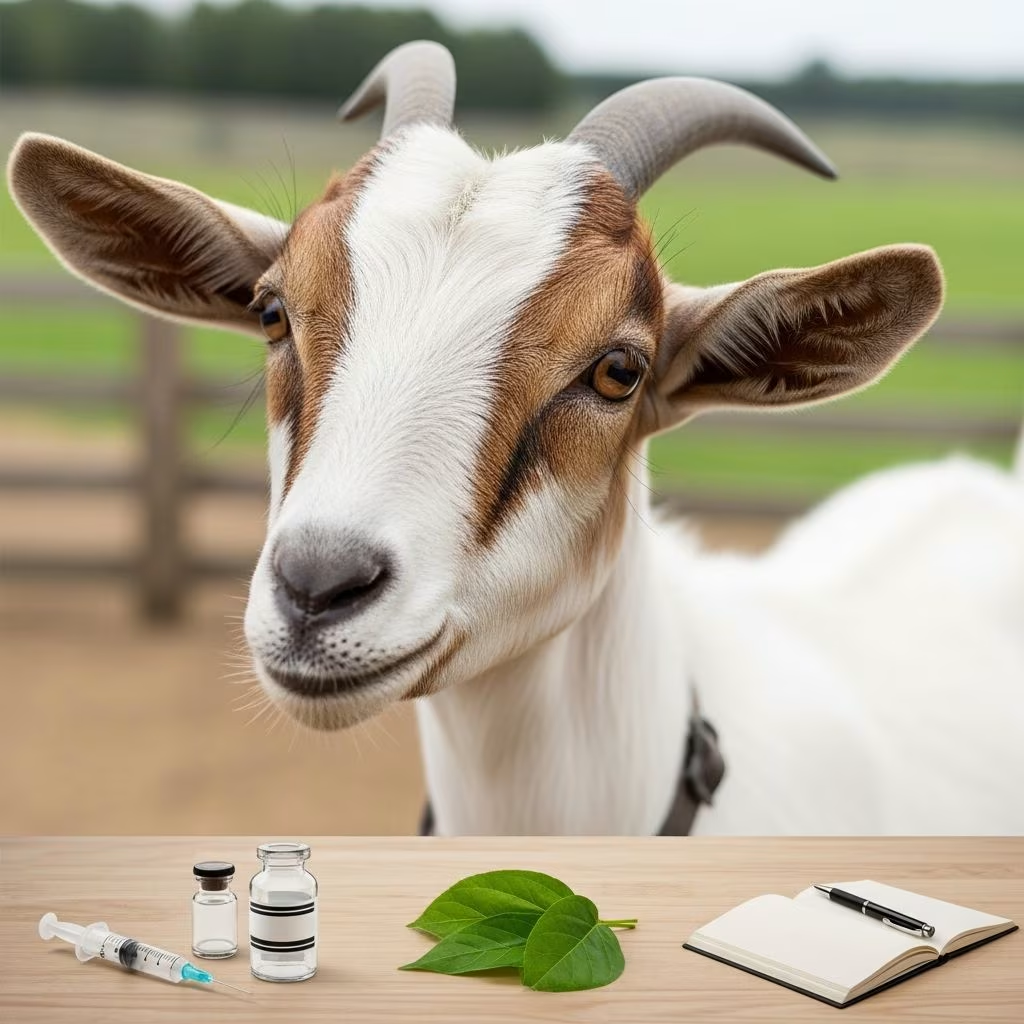
Goat farming demands vigilant health monitoring to sustain productivity and animal welfare. This guide details prevalent conditions affecting goats, drawing from veterinary expertise to outline recognition, intervention, and avoidance tactics. Understanding these threats empowers owners to act decisively.
Respiratory Challenges in Goats
Pneumonia stands as a primary respiratory threat, often triggered by bacterial agents amid stressors like poor ventilation or abrupt weather shifts. Affected goats display elevated body temperatures between 104 104 106 , labored breathing accompanied by a moist cough, and discharges of mucus mixed with pus from nasal and ocular areas. Lethargy and appetite loss further signal distress, with chest auscultation revealing crackling noises indicative of lung involvement.
Immediate veterinary consultation is crucial. Treatment protocols typically incorporate broad-spectrum antibiotics to target the infection, paired with supportive measures such as rest, hydration, and nutritional bolstering. Preventive actions include ensuring spacious, well-aired enclosures, minimizing overcrowding, and upholding rigorous sanitation routines. Nutritional optimization and vaccinations against key pathogens enhance resilience.
Parasitic Menaces: Coccidiosis Focus
Coccidiosis primarily afflicts young goats whose immature immune defenses struggle against protozoan invaders in the intestinal tract. Watery stools tinged with blood or mucus, alongside dehydration, stunted growth, and overall weakness, mark the onset. Kids prove especially vulnerable, necessitating swift detection.
Therapeutic approaches center on anticoccidial agents like Corid administered over five days, often requiring a follow-up course to address parasite lifecycle persistence. Vitamin B supplementation counters Corid’s inhibitory effects, while severe cases demand electrolyte replenishment and fluid therapy. Management hinges on reducing stocking density, frequent pasture rotation, and clean water provision to curb oocyst buildup.
Abscess-Forming Infections: Caseous Lymphadenitis
Caseous Lymphadenitis (CL), driven by Corynebacterium pseudotuberculosis, manifests through pus-laden abscesses in lymph nodes, exuding a rancid, cheese-like discharge. Transmission occurs via contaminated feed, water, or direct pus contact, rendering it a herd-wide risk.
No curative fix exists; strategies emphasize isolation of symptomatic individuals, abscess lancing under veterinary supervision, and disinfection. Quarantine testing and culling of carriers prevent dissemination. Sulfa drugs may avert secondary complications. Vaccination offers partial safeguard, particularly for at-risk populations.
Hoof Disorders: Foot Rot and Related Issues
Foot rot emerges from bacterial synergy, typically in damp settings, yielding lameness across multiple limbs, interdigital moisture, foul odors, and hoof separation. Early redness escalates to underrunning lesions without notable pus or edema.
Remediation involves meticulous hoof trimming, topical antiseptics, and foot baths with zinc sulfate or copper sulfate solutions. Systemic antibiotics address advanced infections, complemented by pain relief. Dry footing, routine pedicures, and drainage improvements form the prevention backbone.
| Treatment Method | Application | Effectiveness | Notes |
|---|---|---|---|
| Foot Bath | Zinc/Copper Sulfate | High for mild cases | Repeat weekly; ensure drying |
| Trimming | Remove infected tissue | Essential first step | Vet oversight recommended |
| Antibiotics | Systemic injection | Best for severe spread | Combine with topicals |
Overeating Syndrome: Enterotoxemia Risks
Enterotoxemia, dubbed overeating disease, stems from Clostridium perfringens toxins, surging post-grain overloads or weaning shifts. Kids exhibit fever, gut distress, profuse diarrhea, and rapid decline to mortality.
Antitoxin administration, penicillin, and anti-bloat remedies constitute emergency care. Vaccination schedules, gradual feed introductions, and hay prioritization mitigate occurrences.
Ocular Afflictions: Pinkeye Management
Keratoconjunctivitis, or pinkeye, arises from Mycoplasma or Chlamydia, exacerbated by stress or newcomers. Signs encompass eye swelling, squinting, purulent outflows, corneal haze, and ulceration.
Segregate cases promptly, apply saline rinses, and deploy prescribed ophthalmic antibiotics. Fly control, dust suppression, and UV-protective shades aid prevention.
Nutritional and Neurological Threats
Goats falter from deficiencies or toxicities, notably thiamine shortfall yielding polioencephalomalacia-like symptoms: incoordination, salivation excess, convulsions, and paralysis. High-dose procaine penicillin with Vitamin B1, electrolytes, and stomach-tubed sustenance revive many. Phosphorus imbalances invite botulism, countered by vaccination in endemic zones.
- Key Nutritional Interventions:
- Balanced mineral mixes to avert deficiencies.
- Hay-first diets pre-grain access.
- Electrolyte solutions for dehydration.
External Parasite Control
Lice, mites, and worms provoke itching, hair loss, anemia, and weight dips. Haemonchus contortus defies many dewormers, prompting targeted dosing via fecal exams, clinical cues only, and rotational grazing.
Insecticides tackle ectoparasites; integrated plans fuse sanitation with selective anthelmintics.
Advanced Disorders: CA and Beyond
Chlamydia-associated issues span mastitis, joint inflammation, pinkeye redux, scours, tachypnea, and abortions. Supportive care, pasteurization for kids, and culling dominate, with antibiotics offering guarded optimism.
Holistic Prevention Blueprint
Herd vitality pivots on biosecurity: quarantine imports, vaccinate per locale, sanitize routinely, optimize nutrition, and monitor via fecals and exams. Dry, ventilated housing slashes multiple risks.
Frequently Asked Questions
What are the first signs of pneumonia in goats?
Fever, cough, nasal discharge, and lethargy signal onset; consult a vet for auscultation.
Can coccidiosis be cured in adult goats?
Less common in adults, but treatable with anticoccidials; kids demand urgent care.
Is CL contagious to humans?
No zoonotic threat, but handle abscesses cautiously to protect the herd.
How to prevent foot rot effectively?
Dry environments, hoof trims, and foot baths are pivotal.
What’s the best vaccine schedule for enterotoxemia?
Initial series followed by boosters, tailored to risk.
References
- Goat Health Care: Diseases, Symptoms & Treatment — GoatFarmers.com. 2023. https://www.goatfarmers.com/blog/goat-health-care-problems/
- Common Goat Illnesses: Identification, Treatment, and … — YouTube (Horizon Vet). 2023. https://www.youtube.com/watch?v=yynaeDaoDmc
- Common Diseases In Goats And Sheep — Horizon Veterinary. 2022-06-30. https://www.horizonvetbrighton.com/site/blog/2022/06/30/common-diseases-goats-sheep
- Goat Diseases – The Farmers’ Guide — Meat & Livestock Australia (MLA). 2021. https://www.mla.com.au/globalassets/mla-corporate/extensions-training-and-tools/documents/21-00248_lw_report_goatdiseaseguide_web_v3.pdf
- Common Diseases in Dairy Goats and Sheep — Maury County Vet. 2023-01-23. https://www.maurycountyvet.com/site/blog/2023/01/23/common-diseases-dairy-goats-sheep
- Common Diseases and Health Problems in Sheep and Goats — Purdue University Extension. N/A. https://www.extension.purdue.edu/extmedia/as/as-595-commondiseases.pdf



