

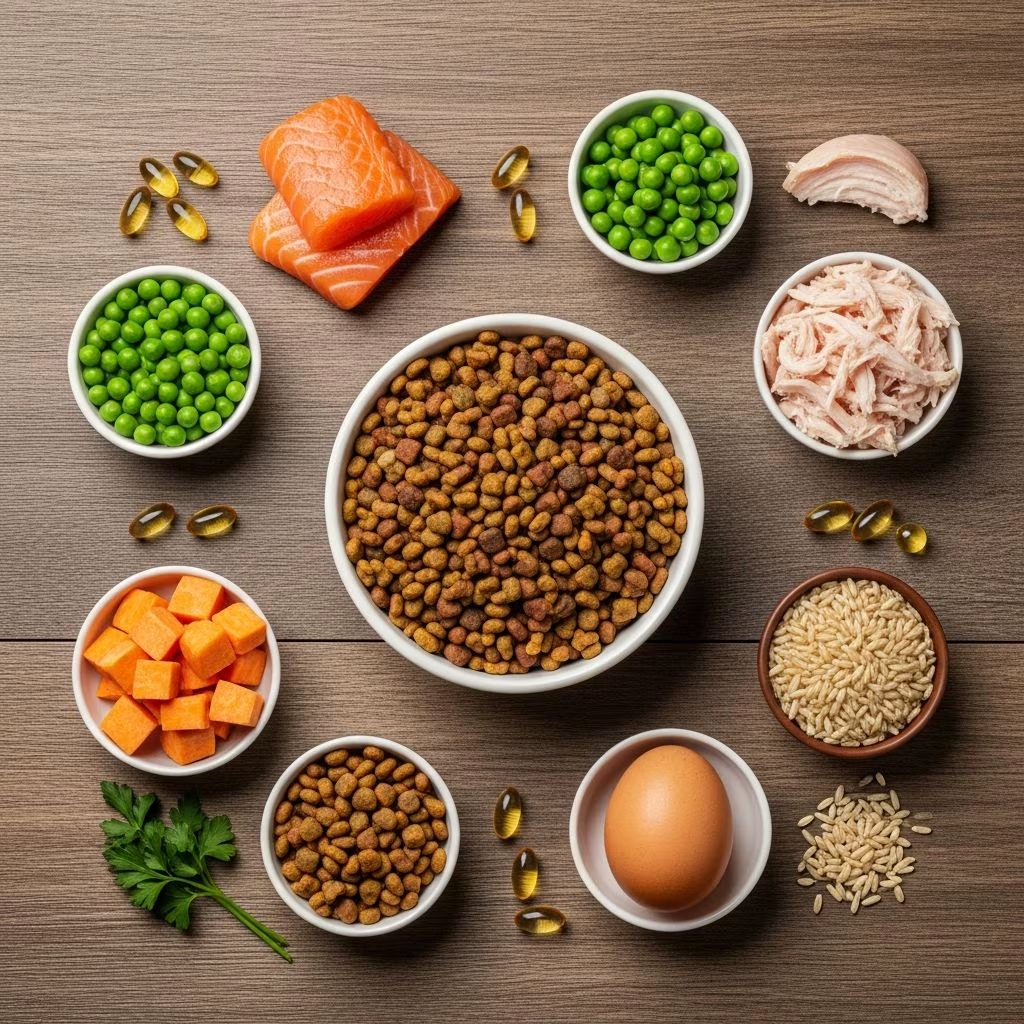
Cats thrive on diets rich in specific nutrients tailored to their biology as obligate carnivores. Selecting cat food with premium ingredients supports muscle maintenance, heart function, vision, and overall vitality. This guide details core components, their roles, and how to identify them on labels for informed choices.
Building Blocks of Feline Diets: Prioritizing Proteins
Protein forms the cornerstone of any effective cat diet, providing amino acids vital for tissue repair, energy production, and enzyme function. Cats require at least 26-30% crude protein on a dry matter basis to meet growth, maintenance, and reproductive needs, as established by nutritional standards.
Opt for named animal sources such as chicken, turkey, beef, or fish listed first on the ingredient panel. These deliver complete proteins with all essential amino acids that plant sources cannot fully provide. Real meat outperforms by-products in digestibility, ensuring better nutrient absorption.
- Chicken or Turkey: Lean, high in quality protein for muscle health.
- Beef or Lamb: Adds variety and iron for blood cell formation.
- Fish: Supplies unique fatty acids alongside protein.
Incorporate organ meats like liver for enhanced nutrition. These are dense in vitamins and naturally occurring taurine, boosting overall metabolic efficiency.
Taurine: The Heart and Eye Guardian
Taurine stands out as an indispensable amino acid absent in plant proteins. Cats cannot synthesize it internally, making dietary inclusion critical for cardiac muscle function, retinal health, and bile acid production. Deficiency risks dilated cardiomyopathy and blindness.
High-quality formulas explicitly list “taurine” or derive it from ample animal tissues. Animal hearts and livers serve as prime natural sources, ensuring steady supply without supplementation gaps.
| Food Source | Taurine Contribution | Health Impact |
|---|---|---|
| Heart Meat | High natural levels | Supports heart rhythm |
| Liver | Rich in taurine | Aids vision clarity |
| Added Taurine | Guaranteed minimum | Prevents deficiencies |
Regular intake fortifies digestion and immune responses, underscoring taurine’s multifaceted role.
Fats and Oils: Fuel for Skin, Coat, and Brain
Essential fatty acids from animal fats power energy needs, hormone synthesis, and cell membrane integrity. Omega-3s (like DHA) and omega-6s (arachidonic and linoleic acids) promote glossy coats, reduce inflammation, and enhance cognitive sharpness. Cats lack the enzymes to produce these, relying solely on diet.
Chicken fat, salmon oil, and fish oil rank as top choices for bioavailability. These deliver calories efficiently while nurturing skin barrier function and wound healing. Aim for balanced ratios to avoid excesses that could lead to obesity.
- Salmon Oil: Omega-3 powerhouse for anti-inflammatory effects.
- Chicken Fat: Stable energy source with palatability.
- Fish Oil: DHA for neural development in kittens.
Carbohydrates and Fiber: Digestive Allies in Moderation
Though not primary, digestible carbohydrates from peas or potatoes offer quick energy without spiking blood sugar. They should constitute a minor portion to mimic ancestral low-carb intake.
Dietary fiber, at 3-5% dry matter, regulates bowels, controls hairballs, and aids weight management. Soluble types ferment for gut health; insoluble varieties bulk stools. Beet pulp, psyllium, and cellulose excel here, fostering microbiome balance.
| Fiber Type | Sources | Benefits |
|---|---|---|
| Soluble | Beet Pulp, Psyllium | Glucose control, fermentation |
| Insoluble | Cellulose | Stool bulk, constipation relief |
Vitamins and Minerals: The Micronutrient Powerhouse
A spectrum of vitamins and minerals underpins immunity, bone strength, and metabolic processes. Vitamin A drives vision and epithelial integrity; vitamin E combats oxidative stress; B-vitamins metabolize macronutrients.
Minerals like calcium and phosphorus (ideal ratio 1:1 to 1.2:1) build skeletons; iron fuels oxygen transport; zinc bolsters immunity and skin. Organ meats and meat meals concentrate these, amplified in fortified foods.
- Vitamin A: Vision, reproduction, immunity.
- Vitamin D: Calcium uptake for bones.
- Zinc & Iron: Coat quality, anemia prevention.
Folic acid and biotin support cell division and fatty acid synthesis, particularly beneficial for growing kittens.
Steer Clear: Ingredients to Avoid
Not all additives serve feline welfare. Shun vague “meat by-products,” excessive grains, artificial colors/preservatives, and sugars. These dilute nutrition, provoke allergies, or burden digestion. Rendered fats and corn/wheat fillers spike carbs unnecessarily, risking diabetes.
Prioritize transparency: whole foods over generics ensure purity and efficacy.
Life Stage Considerations for Ingredient Selection
Kittens demand DHA for brain/eye maturation, higher proteins for growth, and folic acid for cellular expansion. Adults focus on maintenance blends with taurine and omegas. Seniors benefit from joint-support glucosamine, controlled phosphorus for kidneys, and digestible fibers.
Pregnant or lactating queens require elevated calories and proteins to sustain litters. Tailor choices to age, activity, and health status for peak performance.
Reading Labels: Practical Tips for Smart Shopping
Scan for AAFCO completeness statements guaranteeing all life stage needs. First five ingredients reveal priorities—favor meats over fillers. Guaranteed analysis confirms protein/fat minima; avoid excess carbs above 10-15%.
Transition gradually over 7-10 days to prevent GI upset. Consult vets for medical diets addressing urinary, renal, or weight issues.
Frequently Asked Questions
What percentage of protein should cat food have?
Minimum 26-30% crude protein on dry matter for most cats, higher for kittens.
Is grain-free always better for cats?
No, quality carbs aid digestion if limited; grains suit some but excess harms.
Why add taurine separately?
Cats can’t make it; ensures deficiency-proof levels regardless of meat variability.
Can wet food replace dry?
Combine for hydration benefits; both viable if nutritionally complete.
How do omegas improve my cat’s coat?
They regulate sebum, reduce itching, promote shine via skin cell health.
Empowering Your Cat’s Longevity Through Nutrition
Mastering ingredients empowers you to fuel your cat’s adventures with precision. Consistent premium nutrition wards diseases, sharpens senses, and extends joyful years. Observe coat luster, stool quality, energy as success metrics—adjust as needed with professional input.
References
- Top 10 Ingredients to Look for in the Best Cat Food — BJ’s Raw Pet Food. 2023. https://www.bjsrawpetfood.com/blogs/all/top-10-ingredients-to-look-for-in-the-best-cat-food
- Essential cat food ingredients: 5 must-have nutrients and 5 harmful ones to avoid — Times of India. 2024-10-01. https://timesofindia.indiatimes.com/life-style/relationships/pets/essential-cat-food-ingredients-5-must-have-nutrients-and-5-harmful-ones-to-avoid/articleshow/124396196.cms
- The 10 essential ingredients in your cat’s food — ERA Pet Food. 2023. https://erapetfood.com/en/the-10-essential-ingredients-in-your-cats-food/
- Cat Food Ingredients: A Comprehensive Guide — Hill’s Pet Nutrition. 2024. https://www.hillspet.com/cat-care/nutrition-feeding/cat-food-ingredients-and-benefits
- Cat Nutrition: What Makes a Nutritional Cat Food? — PetMD. 2023. https://www.petmd.com/cat/nutrition/cat-nutrition-what-makes-nutritional-cat-food
- Feeding Your Cat — Cornell University College of Veterinary Medicine. 2024. https://www.vet.cornell.edu/departments-centers-and-institutes/cornell-feline-health-center/health-information/feline-health-topics/feeding-your-cat



