

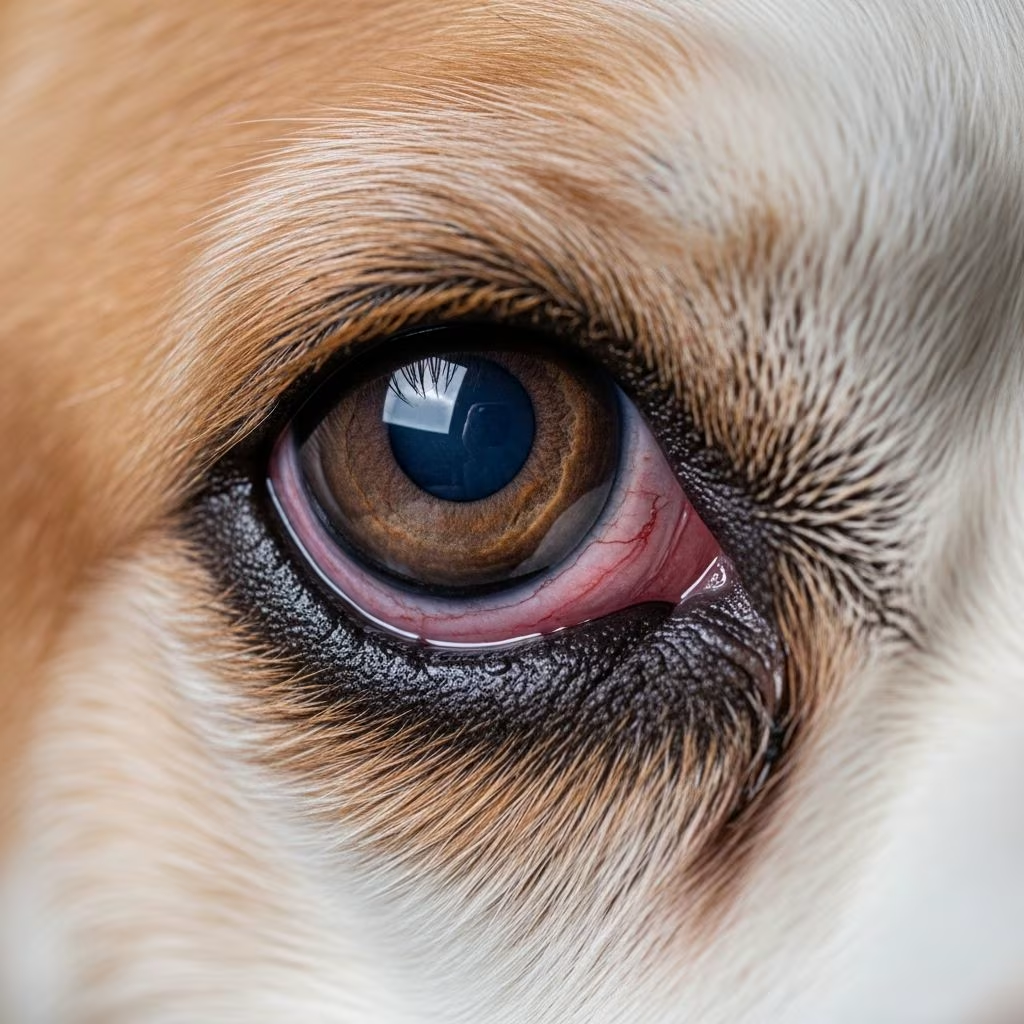
Keratoconjunctivitis Sicca (KCS) or Dry Eye in Dogs
Keratoconjunctivitis sicca, commonly referred to as dry eye or KCS, is a prevalent ocular condition that affects many dogs across different breeds and age groups. This condition occurs when the tear-producing glands fail to generate sufficient tears to maintain proper eye moisture and health. The tears in a dog’s eye serve multiple critical functions: they lubricate the corneal surface, provide essential nutrients, and protect against bacterial infections. When tear production decreases significantly, the eyes become uncomfortable, inflamed, and vulnerable to serious complications if left untreated.
Understanding the Causes of Dry Eye in Dogs
Dry eye in dogs can develop due to various underlying causes, with autoimmune-mediated destruction of the tear glands being one of the most common factors. In many cases, the dog’s immune system mistakenly attacks the lacrimal glands and the third eyelid gland, leading to progressive damage and reduced tear production. This autoimmune response accounts for the majority of KCS cases in dogs.
Other significant causes include neurogenic factors, where damage to the nerves controlling tear production results in diminished tear secretion. Certain medications, particularly those used in cancer treatment or other therapeutic applications, can also suppress tear production as a side effect. Some dogs may develop dry eye following eye surgery or trauma, while others may experience the condition due to systemic diseases or breed-specific predispositions. Chronic conjunctivitis can also contribute to the development of KCS over time.
Clinical Signs and Symptoms
Dogs suffering from keratoconjunctivitis sicca typically exhibit a range of distinctive symptoms that indicate eye discomfort and irritation. The most common clinical signs include:
- Redness and irritation: The eyes appear visibly red and inflamed due to the chronic lack of moisture and protective tear film.
- Excessive squinting and blinking: Dogs instinctively squint or blink excessively in an attempt to spread any available moisture across the eye surface.
- Eye closure: In severe cases, dogs may hold their eyes partially or fully shut due to pain and discomfort.
- Thick mucoid discharge: A characteristic yellowish, stringy mucous discharge is often present because the watery component of tears is greatly reduced.
- Corneal ulceration: This is frequently observed in KCS cases and indicates significant damage to the corneal surface.
- Recurrent eye problems: Chronic cases often include a history of repeated eye injuries, ulcers, and conjunctivitis episodes.
- Rubbing and pawing: Dogs may rub their faces with their paws or along furniture surfaces to alleviate itching and discomfort.
The severity of symptoms can vary considerably depending on how advanced the condition is and the underlying cause. Early detection of these signs is crucial for preventing permanent damage to the eyes.
Diagnosis of Keratoconjunctivitis Sicca
Veterinary diagnosis of dry eye typically begins with a comprehensive eye examination where the veterinarian evaluates the eye’s appearance and the quality and quantity of visible tears. The most reliable diagnostic test for KCS is the Schirmer tear test, which measures the amount of tears produced within a specific time period. During this test, a small paper strip is placed inside the lower eyelid for one minute to measure tear production. Normal tear production typically measures above 15 millimeters of moisture on the strip, while KCS is generally diagnosed when measurements fall below 10 millimeters.
Additional diagnostic procedures may include fluorescein staining to identify corneal ulcers or damage, tonometry to measure intraocular pressure, and examination of the conjunctiva for signs of inflammation. The veterinarian will also take a detailed medical history to identify potential underlying causes, previous medications, or systemic conditions that might contribute to dry eye development.
Treatment Options for Dry Eye
The treatment approach for keratoconjunctivitis sicca has two primary objectives: to stimulate the dog’s natural tear production and to replace the missing tear film, thereby protecting the cornea from further damage. A comprehensive treatment plan often combines multiple therapeutic strategies tailored to the individual dog’s condition.
Tear Production Stimulants
Two primary medications are commonly prescribed to stimulate tear production in dogs with KCS. Cyclosporine, marketed under the brand name Optimmune, is the most frequently used tear stimulant. When applied topically to the eyes, cyclosporine works by reducing immune-mediated inflammation and preventing the immune system from attacking the tear-producing glands. This allows the lacrimal glands to recover and resume tear production. Cyclosporine is typically applied once or twice daily and is considered very safe with minimal side effects.
Tacrolimus is an alternative tear-stimulating medication that functions similarly to cyclosporine. It is typically prescribed when cyclosporine proves ineffective or when the dog develops sensitivity to that medication. Like cyclosporine, tacrolimus is applied topically to the affected eyes on a regular schedule.
Both medications work best when applied consistently and may take several weeks to show significant improvement. Most dogs experience dramatic improvement with regular use of these tear stimulants, though the timeline varies. Tear production typically increases within one to two months of consistent treatment, though some dogs may require several additional weeks or months before tear function fully normalizes.
Pilocarpine, marketed as Isopto-Carpine, is specifically used to treat neurogenic KCS, where nerve damage affects tear production. This medication stimulates glandular secretion and is administered as directed by the veterinarian.
Tear Film Replacement
Artificial tears and lubricating eye preparations are essential components of KCS treatment, particularly during the initial phase when tear production has not yet recovered. These preparations come in various formulations including eye drops, gels, and ointments, and they work by mechanically lubricating the eye surface and keeping the cornea moist.
Dogs with dry eye typically require artificial tear application every two to six hours, depending on the severity of the condition and individual response to treatment. The frequency may be gradually reduced as the dog’s natural tear production increases with consistent use of tear-stimulating medications. The viscosity and composition of these preparations vary, allowing veterinarians to select the most appropriate option for each individual dog.
Antibiotics and Anti-inflammatory Medications
Secondary bacterial infections are common complications of KCS, as the dry eye environment becomes susceptible to bacterial overgrowth and conjunctivitis. Broad-spectrum topical antibiotics are frequently prescribed to prevent or treat these infections. Anti-inflammatory eye medications are also often included in the treatment regimen to reduce conjunctival and corneal inflammation, which can cause additional discomfort and complications.
Surgical Interventions
For dogs that do not respond adequately to medical management with tear-stimulating medications and artificial tears, surgical intervention may be considered. The most commonly performed procedure is parotid duct transposition, which involves surgically redirecting the salivary duct from the dog’s mouth into the eye area. This allows saliva to function as a natural lubricant for the eye surface, providing continuous moisture.
While this surgical approach can be highly effective, it is typically reserved as a last resort option because some dogs experience irritation or skin problems from chronic saliva exposure. Fortunately, the development of cyclosporine and tacrolimus has significantly reduced the number of dogs requiring surgical intervention, as medical management proves successful in the majority of cases.
Home Care and Management
In addition to prescribed medications, home care plays a vital role in managing keratoconjunctivitis sicca and maximizing treatment effectiveness. Gentle eye cleaning several times daily using a soft, warm, wet washcloth helps remove accumulated discharge and may help stimulate tear film production. When cleaning, it is important to hold the warm cloth gently on the eye to allow crusty discharge to soften before attempting removal, preventing additional trauma to the sensitive eye surface.
Pet owners must carefully follow all medication administration instructions provided by their veterinarian. Consistent, twice-daily application of tear-stimulating medications is essential for optimal results, as skipping doses or inconsistent use can prevent adequate tear production recovery. Your veterinarian will demonstrate the proper technique for administering eye medications and answer any questions about your dog’s condition and care requirements.
Long-term Prognosis and Monitoring
Keratoconjunctivitis sicca is a chronic condition that typically requires lifelong management, as there is currently no permanent cure for the underlying tear production deficiency in most cases. However, with appropriate and consistent treatment, the vast majority of dogs with KCS can achieve good comfort levels and maintain normal vision throughout their lives.
Regular veterinary monitoring is essential to ensure that the treatment regimen remains effective and to adjust therapy as needed. Most veterinarians recommend annual eye examinations for dogs with controlled dry eye, even when the condition appears well-managed. This allows early detection of any changes in tear production or development of secondary complications. If a dog’s condition worsens or becomes difficult to control with current medications, your veterinarian may recommend adjusting the treatment plan or exploring alternative options.
Frequently Asked Questions About Canine Dry Eye
Q: Is dry eye in dogs the same as in humans?
A: While the underlying condition is similar, the treatment approaches may differ. Dogs typically respond very well to cyclosporine and tacrolimus, which are the cornerstone medications for managing canine KCS.
Q: Can dry eye in dogs be cured?
A: Currently, there is no permanent cure for most cases of KCS in dogs, though excellent long-term management is achievable with consistent medication and care. Lifelong treatment is typically necessary to maintain tear production and eye health.
Q: How long does it take for tear-stimulating medications to work?
A: Most dogs begin showing improvement within one to two months of consistent cyclosporine or tacrolimus use, though some may require several additional weeks to months before tear production fully normalizes.
Q: What happens if dry eye is left untreated?
A: Untreated KCS can lead to severe corneal ulceration, scarring, permanent vision loss, and potentially blindness. Early diagnosis and treatment are crucial for preventing these serious complications.
Q: Are there any side effects from tear-stimulating medications?
A: Cyclosporine and tacrolimus are considered very safe medications with minimal systemic side effects, as very little of the drug reaches the rest of the body when applied topically to the eyes.
Q: Do all dogs respond the same way to treatment?
A: Response to treatment can vary between individual dogs. Some dogs show dramatic improvement quickly, while others may require longer to achieve optimal tear production. Your veterinarian will monitor your dog’s response and adjust the treatment plan accordingly.
References
- Keratoconjunctivitis Sicca (KCS) or Dry Eye in Dogs — VCA Hospitals. 2024. https://vcahospitals.com/know-your-pet/keratoconjunctivitis-sicca-kcs-or-dry-eye-in-dogs
- Dry Eye Syndrome in Dogs — PetMD. 2024. https://www.petmd.com/dog/conditions/eyes/c_dg_keratoconjunctivitis_sicca
- Focusing In On Canine Dry Eye — Texas A&M College of Veterinary Medicine & Biomedical Sciences. 2024. https://vetmed.tamu.edu/news/pet-talk/canine-dry-eye/
- Dry Eye (Keratoconjunctivitis Sicca) — Animal Vision Care. 2024. https://animalvisioncare.com/eye-conditions/canine/dry-eye-keratoconjunctivitis-sicca/
- Dry Eye in Dogs — PDSA. 2024. https://www.pdsa.org.uk/pet-help-and-advice/pet-health-hub/conditions/dry-eye-in-dogs
- Dry Eye in Dogs – Ophthalmology Advice for Vets — Perth Eye Vet. 2024. https://pertheyevet.com/advice-sheet/dry-eye/



