

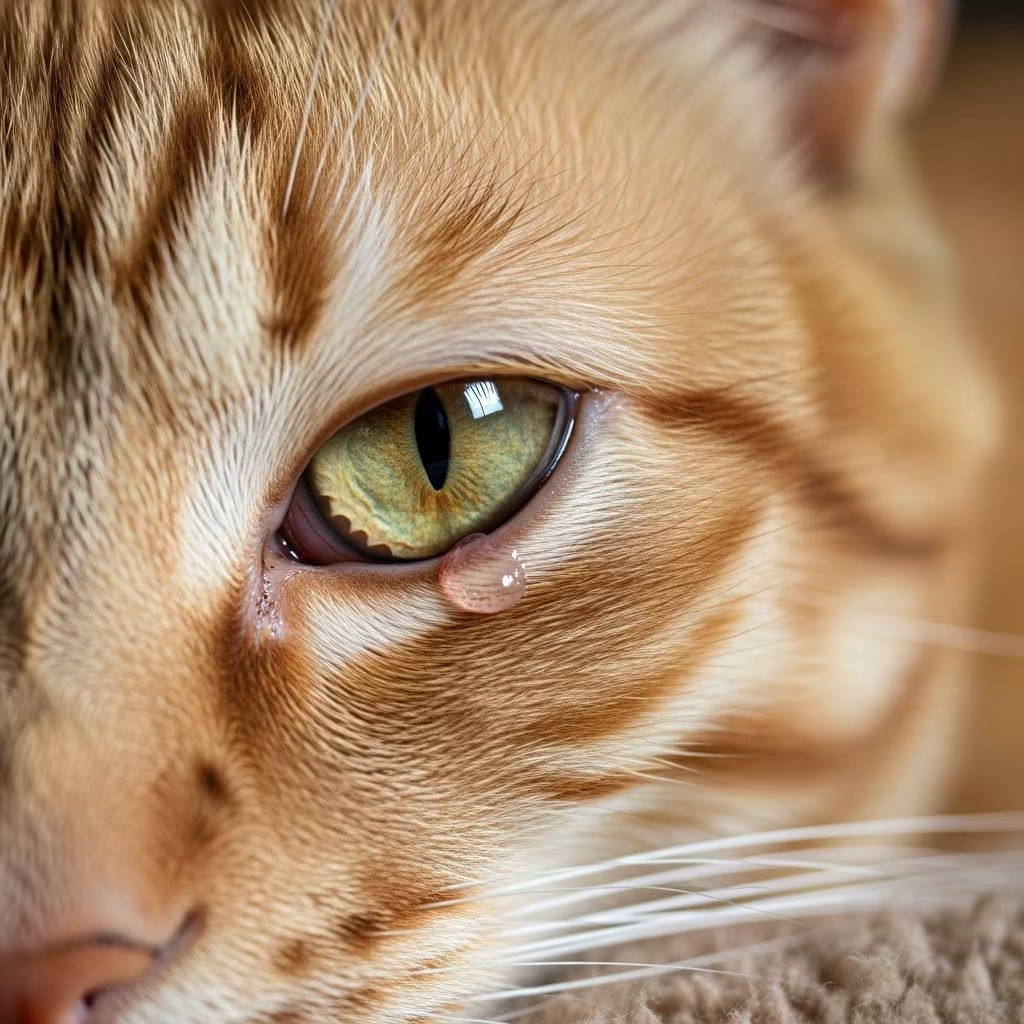
Understanding Keratoconjunctivitis Sicca (KCS) or Dry Eye in Cats
Keratoconjunctivitis sicca, commonly referred to as KCS or dry eye, is a medical condition that occurs when a cat’s tear glands fail to produce adequate tears, leading to chronic inflammation of the cornea and surrounding ocular tissues. This condition can cause significant discomfort and, if left untreated, may result in serious complications including corneal scarring, ulceration, and permanent vision loss. Understanding this condition is essential for cat owners who want to maintain their feline companion’s eye health and quality of life.
What Is Dry Eye Syndrome?
Tears play a crucial role in maintaining optimal eye health by keeping the cornea moist and removing debris and bacteria from the eye surface. A cat’s tear film is produced by two primary structures: the lacrimal gland, located at the top outer edge of the eye, and the third eyelid gland. These glands produce a complex tear film composed of three essential components: mucous, water, and oils or fats. This multi-layered tear film creates a protective barrier that lubricates the eye and supports the corneal surface.
When KCS develops, the lacrimal and third eyelid glands lose their ability to produce sufficient tears, resulting in a chronically dry ocular surface. Unlike occasional dry eyes that may resolve independently, KCS is a persistent condition requiring ongoing management and treatment to prevent severe complications.
Recognizing Symptoms of Dry Eye in Cats
Early detection of dry eye syndrome is vital for preventing complications and ensuring timely intervention. Cat owners should be aware of the following signs and symptoms that may indicate their feline companion is suffering from KCS:
Common Clinical Signs
- Excessive blinking or squinting due to pain and discomfort
- Eye discharge that is typically cloudy white, yellow, or green in color
- Redness of the conjunctiva and outer layer of the eye due to inflammation of blood vessels
- Swelling of the conjunctiva, the delicate tissue lining the eye surface and inner eyelids
- Elevation of the third eyelid, which may appear more prominent than normal
- Cloudiness or scarring of the cornea, giving the eye a dull or hazy appearance
- Behavioral changes including irritability, depression, or apparent pain-related aggression
- Impaired vision or blindness in severe cases where extensive corneal scarring has occurred
- Corneal ulcers, which may be superficial or severe
It is important to note that in mild cases, cats may remain largely asymptomatic, making regular veterinary eye examinations crucial for early detection. Additionally, if KCS develops secondary to feline herpesvirus (FHV) infection, cats may also exhibit systemic symptoms including nasal discharge, sneezing, lethargy, and loss of appetite.
Diagnosing Keratoconjunctivitis Sicca in Cats
Proper diagnosis of KCS requires professional veterinary assessment and specialized testing. Since dry eye syndrome can mimic other common feline ocular conditions such as conjunctivitis, corneal injuries, or foreign body irritation, veterinarians must conduct thorough examinations to confirm the diagnosis before initiating treatment. In early stages, KCS can be particularly challenging to diagnose based on physical examination alone, as symptoms may overlap with other eye diseases.
Diagnostic Testing Methods
Veterinarians employ several diagnostic techniques to confirm KCS and assess the severity of the condition:
Schirmer Tear Test (STT)
The Schirmer tear test is the gold standard diagnostic tool for confirming KCS. This test involves placing small strips of sterile filter paper into the cat’s eye to measure tear production over a specific time period. Normal tear production in cats is generally considered to be between 15 and 25 millimeters per minute. Results below this range indicate insufficient tear production and support a KCS diagnosis.
Ophthalmic Examination
A comprehensive ophthalmic exam provides detailed information about the cat’s vision and overall eye health. The veterinarian will examine both eyes carefully, looking for signs of inflammation, corneal changes, discharge, and other abnormalities.
Fluorescein Eye Stain Test
In this test, the veterinarian instills orange fluorescein dye into the affected eye and uses blue light to visualize any corneal damage or ulceration. This helps assess the extent of corneal involvement and guides treatment decisions.
Aqueous Fluid Sample Collection
The collection and analysis of aqueous humor, the clear fluid within the eye that carries protective proteins and moisture, can provide additional diagnostic information. This fluid may also be tested for harmful bacteria or other pathogens that could contribute to ocular disease.
Additional Diagnostic Procedures
Veterinarians may recommend blood work and other systemic evaluations to identify underlying causes of KCS, as various medical conditions and medications can contribute to reduced tear production.
Understanding the Causes of Dry Eye in Cats
The underlying cause of KCS is often unknown, making it a challenging condition to prevent and manage. However, several factors can temporarily or permanently reduce tear production:
Primary Causes
- Feline Herpesvirus (FHV) Infection: FHV is a common cause of KCS in cats, as the virus can damage the lacrimal glands and reduce their ability to produce tears
- Immune-Mediated Dysfunction: Autoimmune conditions can damage the tear-producing glands
- Neurogenic Causes: Neurological dysfunction affecting the nerves that control tear production has been documented in feline KCS cases
Secondary and Temporary Causes
- Medication side effects, particularly from certain pain medications or sedatives
- Systemic illnesses or underlying disease
- Stress and emotional disturbances
- Corneal hypoesthesia (decreased corneal sensitivity)
- Hypothyroidism and other endocrine disorders
Treatment Options for Feline Dry Eye
Treatment for KCS in cats focuses on supplementing tear production, reducing inflammation, and preventing complications. Management strategies are tailored to individual cases based on the severity of the condition and underlying causes.
Therapeutic Approaches
Tear Replacement Therapy
Artificial tear supplements and ocular lubricants are often the first line of treatment, providing temporary moisture and protection to the corneal surface. These products mimic natural tears and help maintain corneal hydration between tear production cycles.
Anti-Inflammatory Medications
Topical anti-inflammatory agents, including corticosteroids and cyclosporine, help reduce inflammation of the ocular surface and may stimulate increased tear production in some cases.
Parasympathomimetic Agents
Medications that stimulate the parasympathetic nervous system may enhance tear production in certain cases, particularly those with neurogenic causes.
Addressing Underlying Causes
Treatment of the underlying systemic condition, such as managing feline herpesvirus infection or adjusting medications that reduce tear production, is essential for long-term management and potential resolution of KCS.
Prevention and Long-Term Management
While not all cases of KCS can be prevented, cat owners can take certain steps to support their pet’s ocular health:
- Schedule regular veterinary eye examinations to detect early signs of dry eye disease
- Maintain strict feline herpesvirus management and vaccination protocols
- Monitor for any eye-related symptoms and report them promptly to your veterinarian
- Discuss all medications with your veterinarian, as some may affect tear production
- Provide a stress-reduced environment to minimize factors that may temporarily reduce tear production
- Ensure adequate nutrition to support overall ocular and immune system health
Complications of Untreated Dry Eye
Without proper treatment and management, KCS can lead to serious complications that compromise vision and cause significant suffering:
| Complication | Description | Prevention Strategy |
|---|---|---|
| Corneal Scarring | Permanent cloudiness and opacity of the cornea reducing light transmission | Early diagnosis and aggressive treatment |
| Corneal Ulceration | Breakdown of the corneal surface creating painful open wounds | Consistent use of lubricants and anti-inflammatory medications |
| Secondary Conjunctivitis | Inflammation and infection of the conjunctival tissues | Appropriate antimicrobial therapy and eye care |
| Vision Loss or Blindness | Partial or complete loss of sight in affected eye(s) | Prompt diagnosis and comprehensive treatment plan |
| Severe Pain | Chronic discomfort affecting quality of life and behavior | Multimodal pain management and anti-inflammatory therapy |
Frequently Asked Questions About Feline Dry Eye
Q: Is dry eye syndrome common in cats?
A: KCS is considered a relatively rare condition in cats compared to dogs, but it remains an important ocular disease that requires prompt diagnosis and treatment to prevent serious complications.
Q: Can dry eye in cats be cured?
A: While some cases may improve with treatment of underlying causes, many cases of KCS require long-term management. However, with appropriate treatment, most cats can maintain good quality of life and preserve vision.
Q: How often should my cat’s eyes be examined if they have been diagnosed with dry eye?
A: Cats with KCS should receive regular veterinary eye examinations, typically every 4-6 weeks initially, then at intervals determined by your veterinarian based on response to treatment.
Q: Are certain cat breeds predisposed to dry eye?
A: While KCS can affect any cat, certain underlying conditions that predispose to dry eye may be more common in specific populations. Your veterinarian can discuss breed-specific risk factors.
Q: What is the prognosis for a cat with KCS?
A: The prognosis depends on the underlying cause, severity of the condition at diagnosis, and response to treatment. Many cats achieve good control of symptoms with appropriate management.
Q: Can dry eye develop in only one eye?
A: Yes, KCS can affect one or both eyes. Some cats may develop unilateral dry eye, while others experience bilateral disease.
When to Contact Your Veterinarian
Immediate veterinary attention is warranted if your cat exhibits any signs of ocular disease. Prompt evaluation is especially important if you notice:
- Sudden onset of excessive blinking or squinting
- Significant changes in eye discharge color or consistency
- Apparent pain or discomfort related to the eyes
- Cloudiness or visible damage to the cornea
- Changes in vision or apparent disorientation
- Elevation or protrusion of the third eyelid
Early intervention can prevent progression to severe complications and help preserve your cat’s vision and comfort.
Conclusion
Keratoconjunctivitis sicca represents a significant ocular health challenge for affected cats, but with proper understanding, early detection, and comprehensive treatment, most felines can maintain good quality of life. Cat owners who recognize the signs of dry eye and seek prompt veterinary care give their beloved companions the best chance for preserving vision and preventing painful complications. Regular eye examinations, particularly in cats with known risk factors, remain essential for maintaining optimal feline ocular health throughout their lives.
References
- Dry Eye Syndrome in Cats — PetMD. 2024. https://www.petmd.com/cat/conditions/eyes/c_ct_keratoconjunctivitis_sicca
- Dry Eye Syndrome in Cats: Signs and Diagnostic Tests — Animal Eye Guys, South Florida Veterinary Specialists. 2023. https://www.animaleyeguys.com/site/blog/2023/03/30/cats-dry-eye-syndrome
- Dry Eye Syndrome in Cats: Causes and Management — Memphis Veterinary Specialists. 2022. https://www.memphisveterinaryspecialists.com/site/blog-cordova/2022/12/15/dry-eye-syndrome-cats
- Dry Eyes in Cats: Symptoms, Treatments, and Prevention — Pet Assure. 2024. https://www.petassure.com/maxscorner/treating-dry-eyes-in-cats/
- Dry Eye (KCS) in Dogs and Cats: Signs, Symptoms, and Diagnosis — BluePearl Pet Hospital. 2024. https://bluepearlvet.com/medical-articles-for-pet-owners/dry-eye-keratoconjunctivitis-sicca/
- Feline Dry Eye Syndrome of Presumed Neurogenic Origin: A Case Report — PubMed Central, National Institutes of Health. 2018. https://pmc.ncbi.nlm.nih.gov/articles/PMC5753927/
- Dry Eye (Keratoconjunctivitis Sicca) in Cats: Causes, Treatment and Prevention — Vetster. 2024. https://vetster.com/en/conditions/cat/dry-eye-keratoconjunctivitis-sicca



