

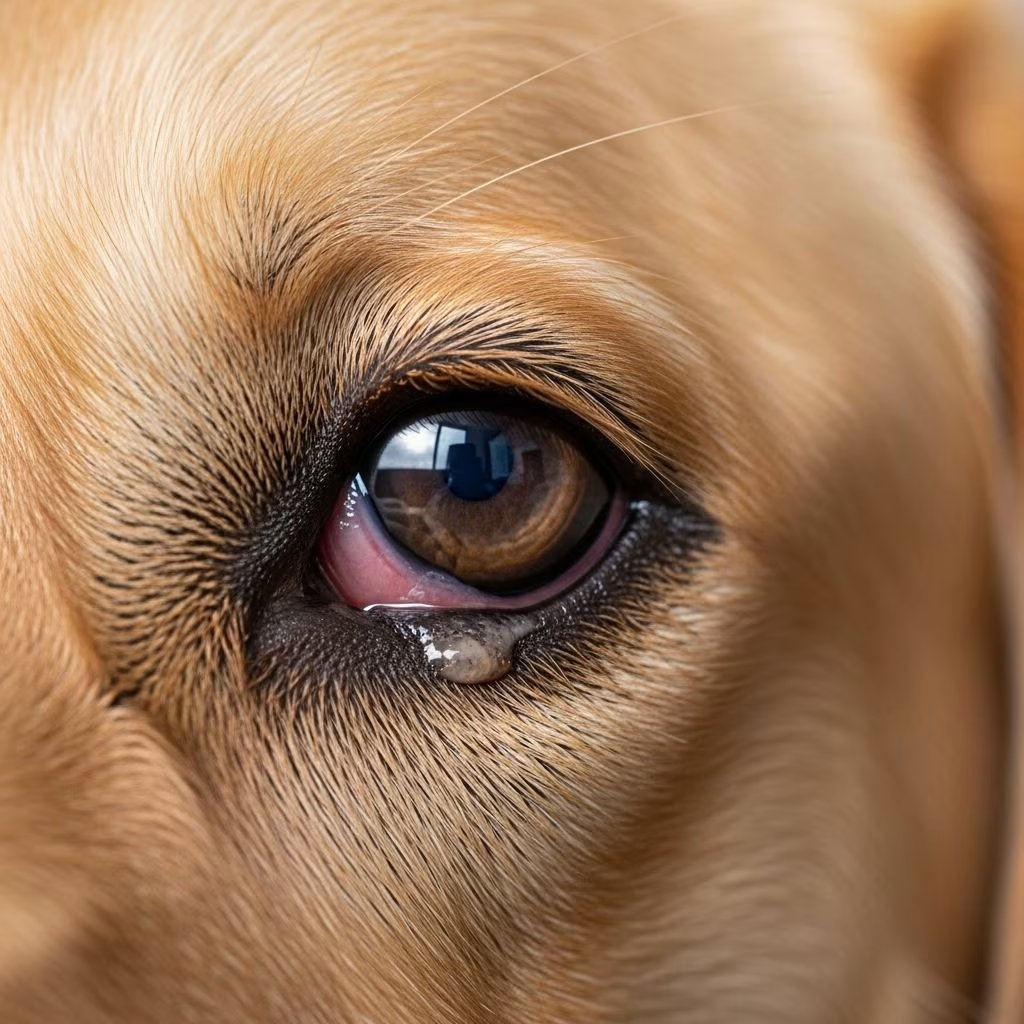
Understanding Keratoconjunctivitis Sicca: Dry Eye in Dogs
Keratoconjunctivitis sicca, commonly abbreviated as KCS and widely recognized as dry eye, is a prevalent condition affecting dogs of various ages and breeds. This ocular disorder occurs when the tear glands fail to produce sufficient tears, leading to inadequate lubrication of the eye’s surface. The tear film is essential for maintaining corneal health, providing lubrication, offering nutritional support, and protecting against bacterial infections. When tear production diminishes significantly, the cornea becomes vulnerable to damage, irritation, and potentially serious complications that can affect a dog’s vision and quality of life.
The condition is more common than many pet owners realize, and early recognition of symptoms is crucial for effective treatment. Without proper intervention, dry eye can progress to severe corneal damage and permanent vision loss. Understanding the causes, recognizing the clinical signs, and pursuing appropriate treatment can help maintain your dog’s ocular health and comfort throughout their life.
What Causes Dry Eye in Dogs?
Dry eye in dogs can develop from various underlying causes, each affecting tear production through different mechanisms. Understanding the cause helps veterinarians develop targeted treatment strategies specific to your pet’s condition.
Autoimmune conditions represent one of the most common causes of KCS in dogs. In these cases, the immune system mistakenly attacks the lacrimal glands and third eyelid glands responsible for tear production. This immune-mediated destruction gradually reduces the gland’s ability to produce tears, resulting in progressive dryness.
Medication-related causes can also lead to reduced tear production. Certain medications, particularly sulfonamides and antihistamines, can suppress tear gland function as a side effect. Dogs taking these medications should be monitored closely for signs of dry eye.
Neurogenic dry eye occurs when nerve damage affects the signals that stimulate tear production. This may result from trauma, surgery, or underlying neurological conditions that impair the trigeminal nerve’s function.
Other potential causes include surgical removal of the third eyelid, radiation therapy, systemic diseases, breed predisposition, and advancing age. Some dog breeds appear genetically predisposed to developing KCS, suggesting hereditary factors play a role in susceptibility.
Clinical Signs of Dry Eye
Most dogs with keratoconjunctivitis sicca present with obvious signs of ocular discomfort and irritation. Recognizing these symptoms early enables prompt veterinary intervention before serious complications develop.
Dogs with dry eye typically exhibit red and irritated eyes that appear painful and uncomfortable. They may respond to this discomfort by squinting, blinking excessively, or keeping their eyes shut more frequently than normal. These behavioral changes indicate the dog is trying to minimize light exposure and reduce irritation to their sensitive eyes.
Ocular discharge is a hallmark sign of KCS. Unlike the clear discharge associated with healthy eyes, dogs with dry eye produce a thick, yellowish, mucoid discharge that accumulates in the eye corners and along the eyelids. This discharge results from the decrease in the watery component of the tear film, leaving behind concentrated mucus and debris.
One of the most serious complications associated with KCS is corneal ulceration, which frequently develops due to the lack of protective tears. The unprotected corneal surface becomes susceptible to scratching, infection, and degradation. In chronic cases, dogs often have a history of recurrent eye injuries, corneal ulcers, or bacterial conjunctivitis.
Pet owners may also notice their dogs rubbing their faces with their paws, rubbing their eyes along furniture, or showing increased sensitivity to light. These behaviors all indicate significant ocular discomfort requiring veterinary attention.
How Is Dry Eye Diagnosed?
Accurate diagnosis of keratoconjunctivitis sicca requires specific diagnostic testing beyond simple physical examination. Veterinary ophthalmologists use specialized tests to measure tear production and assess corneal health.
The Schirmer tear test is the primary diagnostic tool for KCS. This simple test involves placing a specially designed paper strip in the dog’s eye and measuring how much moisture accumulates on the strip over one minute. Results below 15 millimeters indicate inadequate tear production consistent with dry eye. This objective measurement helps confirm the diagnosis and establish a baseline for monitoring treatment effectiveness.
Corneal staining may be performed using fluorescein dye to evaluate corneal damage. The dye highlights areas of corneal ulceration or erosion, revealing the extent of damage caused by inadequate tear film protection. This assessment helps veterinarians determine disease severity and appropriate treatment intensity.
Additional diagnostic procedures may include examination with specialized magnification equipment to visualize the cornea and conjunctiva in detail, assessment of eyelid and eyelash positioning, and evaluation of overall eye health. Rose Bengal staining can identify dead or damaged epithelial cells on the ocular surface, providing further diagnostic information.
Treatment Objectives and Approach
The treatment of dry eye in dogs has two primary objectives: stimulating tear production and replacing tear film to protect the cornea. A comprehensive treatment plan typically addresses both goals simultaneously, as each plays a distinct but equally important role in managing the condition.
Treatment is customized to the underlying cause when identified, but most dogs benefit from a combination of medical therapies designed to restore and maintain adequate ocular surface lubrication and health.
Medications to Stimulate Tear Production
Cyclosporine represents one of the most commonly prescribed medications for treating KCS in dogs. Available under the brand name Optimmune®, cyclosporine functions as an immunosuppressive agent that prevents the immune system from damaging the tear-producing lacrimal glands. When applied directly to the eyes once or twice daily, cyclosporine allows the damaged tear glands to regenerate and restore their tear-producing capacity. Most dogs demonstrate dramatic improvement with consistent use of this medication, and it has an excellent safety profile with minimal side effects. Tear production typically increases noticeably within one to two months, though some patients require several weeks to months of continuous treatment before optimal tear function is restored.
Tacrolimus serves as an alternative lacrimostimulant medication when cyclosporine proves ineffective or causes adverse reactions. This medication works similarly to cyclosporine by suppressing the immune response against tear glands, allowing tear production to recover. Tacrolimus is typically reserved for cases where cyclosporine fails to produce satisfactory results. Both medications are easily applied to the eyes and offer excellent safety profiles, making them ideal first-line therapies for autoimmune-mediated dry eye.
Pilocarpine, marketed under the brand name Isopto-Carpine®, specifically treats neurogenic KCS where nerve damage impairs tear production signals. This medication stimulates glandular secretion through a different mechanism than cyclosporine and tacrolimus, making it the appropriate choice for this specific type of dry eye.
Tear Film Replacement Therapy
While tear-stimulating medications address the underlying cause of reduced tear production, artificial tear products provide immediate lubrication and protection during the treatment period. Artificial tears come in various formulations including viscous eye drops, gels, and ointments, each offering different duration of action and lubrication intensity.
During the initial treatment phase when natural tear production remains low, artificial tears must be applied frequently, often every two to six hours depending on the disease’s severity and individual patient response. Some dogs may require application every one to two hours initially. This frequent application ensures continuous corneal protection and prevents further damage while waiting for tear-stimulating medications to take effect.
As natural tear production improves with consistent use of lacrimostimulants, the frequency of artificial tear application can typically be reduced. However, many dogs require long-term artificial tear supplementation even after tear production partially recovers, as the restored tear production may not be entirely sufficient for complete ocular comfort.
Managing Secondary Infections and Inflammation
Bacterial infections frequently develop as a secondary complication of KCS because the protective tear film’s antimicrobial properties are compromised. Bacterial conjunctivitis commonly accompanies dry eye, requiring treatment with topical antibiotics. Broad-spectrum antibiotic eye drops or ointments prevent bacterial overgrowth and control secondary infections.
Anti-inflammatory medications reduce inflammation in the cornea and conjunctiva that develops as a consequence of chronic dryness and surface irritation. These medications provide pain relief and reduce tissue damage from inflammatory processes, complementing the effects of tear-stimulating medications.
Home Care and Eye Cleaning
Supportive home care plays a vital role in managing dry eye between medical treatments. Gentle eye cleaning performed several times daily helps keep the eyes comfortable and free from accumulated discharge. Using a warm, wet washcloth or sterile cotton pads, pet owners should gently clean around the eyes to remove dried discharge and mucus buildup. This simple procedure not only improves comfort but may also help stimulate tear film production.
Your veterinarian will demonstrate the correct technique for applying medications and performing eye cleaning to ensure proper administration and avoid further corneal trauma. Consistent, gentle handling is essential for successful home care management.
Surgical Options for Resistant Cases
While medical management successfully controls dry eye in the majority of dogs, some patients fail to respond adequately to even aggressive medical therapy. For these treatment-resistant cases, surgical intervention becomes necessary to preserve vision and maintain ocular comfort.
Parotid duct transposition represents the primary surgical option for dogs unresponsive to medical management. This procedure surgically redirects one of the salivary ducts from the parotid salivary gland in the dog’s mouth to the eye. Once healed, saliva flows into the eye, replacing the missing tears and providing continuous lubrication. This procedure can be extremely effective for maintaining ocular moisture and preventing further corneal damage in suitable candidates.
However, parotid duct transposition should be considered a last-resort option because saliva can occasionally irritate the ocular surface or cause skin irritation in the periocular area in some dogs. Additionally, with the development of cyclosporine and tacrolimus, fewer dogs now require surgical intervention, as these medications successfully control dry eye in the majority of cases.
Treatment Timeline and Long-Term Management
Dogs with keratoconjunctivitis sicca require lifelong management because the condition has no cure. However, with appropriate treatment, most dogs can maintain normal comfort and vision throughout their lives. The key to successful long-term management is consistency in medication administration and regular veterinary monitoring.
Initial response to tear-stimulating medications typically appears within two to twelve weeks, though individual variation exists. Some dogs show dramatic improvement within weeks, while others require months of continuous treatment before tear function adequately recovers. Early diagnosis significantly improves treatment outcomes, as dogs with severely reduced tear production generally respond less favorably than those identified early in the disease process.
Once tear production stabilizes and disease control is achieved, most dogs can be maintained on tear-stimulating medications applied two to three times daily, substantially reducing the frequency of application required during initial treatment phases. Regular veterinary check-ups, typically annual examinations, help monitor disease control and adjust treatment as needed.
Frequently Asked Questions About Dry Eye in Dogs
Q: Can dry eye in dogs be cured?
A: No, keratoconjunctivitis sicca cannot be cured, but it can be effectively managed throughout a dog’s life with appropriate medical treatment. Most dogs require lifelong tear-stimulating medications and periodic artificial tear supplementation to maintain ocular comfort and vision.
Q: How long does it take for treatment to work?
A: Most dogs show noticeable improvement within one to two months of starting cyclosporine or tacrolimus therapy. However, some patients may require several months of consistent treatment before tear function fully recovers. Individual responses vary based on disease severity and underlying cause.
Q: Are tear-stimulating medications safe for long-term use?
A: Yes, cyclosporine and tacrolimus are very safe medications suitable for long-term use in dogs. These medications work locally in the eye with minimal systemic absorption, making side effects unlikely. Dogs tolerate these medications well when applied consistently.
Q: What happens if my dog’s eyes don’t improve with medication?
A: If medical management fails to adequately control dry eye after several months of consistent treatment, your veterinarian may recommend surgical options such as parotid duct transposition. However, most dogs respond well to appropriate medical therapy, and surgery becomes necessary only in a small percentage of cases.
Q: Can I stop giving medications once my dog’s symptoms improve?
A: No, discontinuing medications typically leads to recurrence of clinical signs. Because dry eye is a chronic condition without a cure, lifelong treatment remains necessary to maintain tear production and ocular comfort. Your veterinarian will help you find the minimum effective dose for maintaining disease control.
Q: How often should my dog be examined if they have dry eye?
A: Dogs with controlled dry eye typically require annual veterinary examinations to monitor disease stability and adjust treatment as needed. More frequent visits may be necessary during initial treatment phases or if symptoms change.
References
- Keratoconjunctivitis Sicca (KCS) or Dry Eye in Dogs — VCA Hospitals. Accessed 2025-11-28. https://vcahospitals.com/know-your-pet/keratoconjunctivitis-sicca-kcs-or-dry-eye-in-dogs
- Dry Eye Syndrome in Dogs — PetMD. Accessed 2025-11-28. https://www.petmd.com/dog/conditions/eyes/c_dg_keratoconjunctivitis_sicca
- Focusing In On Canine Dry Eye — Texas A&M College of Veterinary Medicine & Biomedical Sciences. Accessed 2025-11-28. https://vetmed.tamu.edu/news/pet-talk/canine-dry-eye/
- Dry Eye (Keratoconjunctivitis Sicca) — Animal Vision Care. Accessed 2025-11-28. https://animalvisioncare.com/eye-conditions/canine/dry-eye-keratoconjunctivitis-sicca/
- Dry Eye in Dogs — PDSA (People’s Dispensary for Sick Animals). Accessed 2025-11-28. https://www.pdsa.org.uk/pet-help-and-advice/pet-health-hub/conditions/dry-eye-in-dogs
- Dry Eye in Dogs – Ophthalmology Advice for Vets — Perth Eye Vet. Accessed 2025-11-28. https://pertheyevet.com/advice-sheet/dry-eye/
- Dry Eye Disease in Dogs — Indiana Animal Eye Clinic. Accessed 2025-11-28. https://indyanimaleyeclinic.com/animal-eye-conditions/dry-eye-disease-dogs/



