

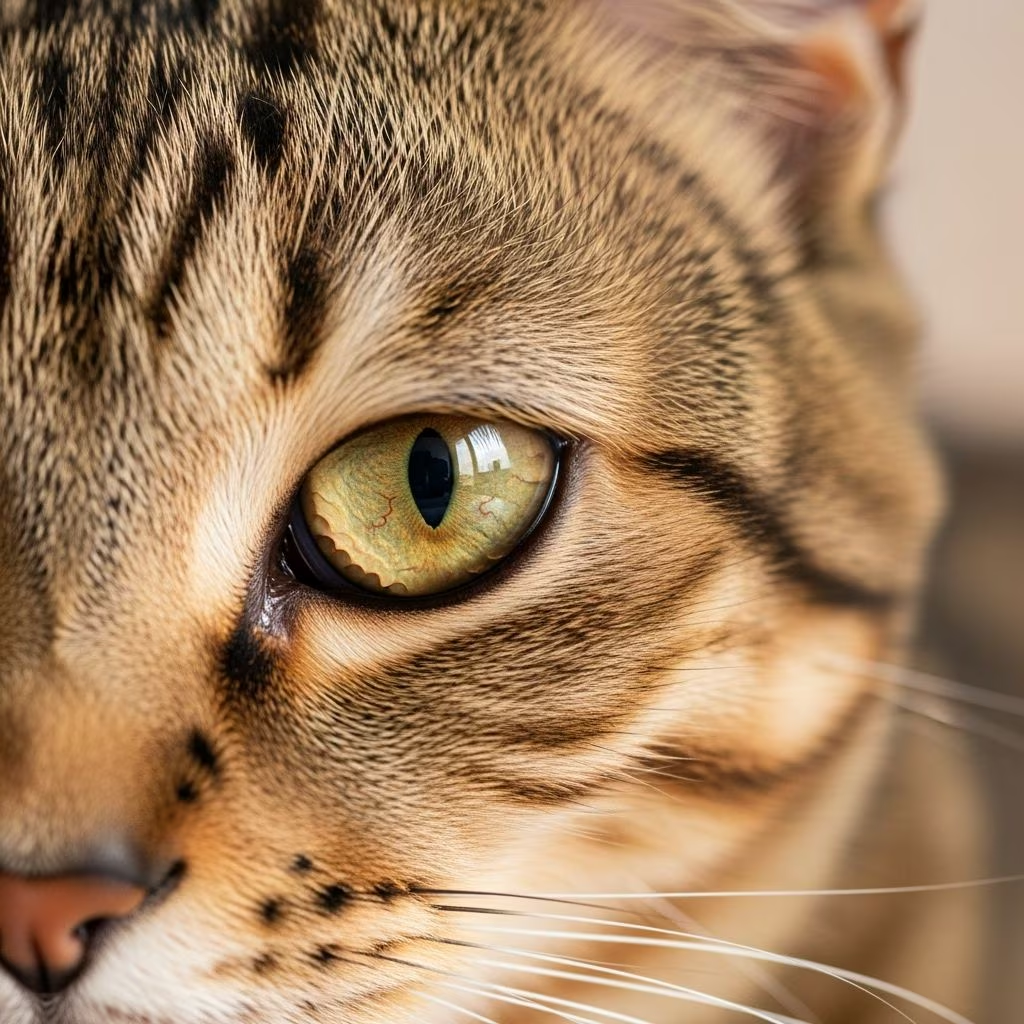
Corneal inflammation, known as keratitis, poses a significant threat to feline eye health, potentially leading to discomfort, vision impairment, or blindness if untreated. This condition arises from various triggers, demanding prompt veterinary intervention for successful management.
Understanding the Cornea’s Role in Feline Vision
The cornea serves as the eye’s clear outer layer, crucial for focusing light and shielding internal structures. In cats, its transparency and strength are vital for sharp vision. When inflammation strikes, this delicate tissue swells, clouds, or develops ulcers, disrupting normal function. Factors like infections, immune responses, or trauma compromise its integrity, making early detection essential.
Primary Forms of Keratitis Affecting Cats
Cats experience several keratitis variants, each with unique characteristics and origins.
- Ulcerative Keratitis: Features erosions or deep defects in the corneal surface, often linked to trauma or infection.
- Eosinophilic Keratitis: Involves immune-mediated eosinophil infiltration, creating white or pink plaques on the cornea.
- Herpetic Keratitis: Stemming from feline herpesvirus-1 (FHV-1), this causes dendritic ulcers and persistent inflammation.
- Non-Ulcerative Keratitis: Superficial inflammation without surface breaks, frequently immune-driven.
These distinctions guide diagnosis and therapy, with overlaps possible in chronic cases.
Triggers Behind Corneal Inflammation
Multiple elements contribute to keratitis onset in felines.
Immune dysregulation plays a central role in eosinophilic forms, where the body mistakenly targets the cornea with eosinophils, possibly due to genetic factors or allergens like pollen and dust. Viral infections, particularly FHV-1 affecting over 50% of cats, reactivate under stress, illness, or immunosuppression, leading to herpetic outbreaks. Parasites such as mites or worms, alongside certain medications, may exacerbate risks. Trauma from scratches or foreign bodies initiates ulcerative types, while secondary bacterial invasions complicate healing.
Recognizing Early Warning Signs
Observant owners spot subtle changes signaling trouble.
| Symptom | Description | Associated Type |
|---|---|---|
| Squinting | Pain-induced eye closure | All types |
| Cloudy Cornea | Hazy or white patches | Eosinophilic |
| Thick Discharge | Mucus or pus buildup | Herpetic/Ulcerative |
| Light Sensitivity | Aversion to bright light | Advanced cases |
| Gritty Lesions | Raised, calcium-deposited areas | Chronic eosinophilic |
Cats may paw at eyes, exhibit constricted pupils, or show behavioral shifts like hiding. Progression can cover the entire cornea, impairing sight.
Diagnostic Approaches for Accurate Identification
Veterinarians employ targeted exams. Fluorescein staining reveals ulcers glowing green under blue light. Cytology confirms eosinophils in scrapings for immune-mediated cases. Tonometry measures pressure, while viral PCR detects FHV-1. Schirmer tear tests assess dryness, common in herpetic scenarios. These steps differentiate keratitis from conjunctivitis or glaucoma.
Comprehensive Treatment Strategies
Management tailors to type and severity, prioritizing inflammation control and infection prevention.
For Ulcerative Forms: Protect the cornea with Elizabethan collars. Apply antibiotics like fluoroquinolones and cephalosporins every 2-4 hours, alongside serum for healing and atropine for pain. Hospitalization aids intensive care.
Eosinophilic Management: Topical corticosteroids reduce swelling, paired with cyclosporine or immunomodulators. Antibiotics guard against secondaries. Severe instances warrant oral steroids post-ulcer resolution.
Herpetic Protocols: Antivirals such as cidofovir, trifluridine, or oral famciclovir curb viral replication. Lysine supplements aid long-term control. Avoid steroids initially to prevent ulcer worsening.
Surgery, like debridement, addresses stubborn lesions, though evidence is anecdotal. Long-term therapy often spans months with rechecks.
Supportive Measures for Comfort and Recovery
- Lubricating drops with sodium hyaluronate soothe dryness.
- Pain relief via buprenacoxib or topical agents.
- Environmental stress reduction prevents FHV-1 flares.
Monitor progress with frequent vet visits, adjusting regimens as needed.
Preventive Steps to Protect Feline Eyes
Proactive habits minimize risks.
- Administer parasite preventives routinely.
- Vaccinate against FHV-1, though not fully protective.
- Maintain clean environments free of allergens.
- Schedule annual eye screenings.
- Manage stress through stable routines and enrichment.
Early intervention via regular checkups catches issues before escalation.
Prognosis and Long-Term Outlook
With timely care, most cats regain full vision. Eosinophilic cases may recur, necessitating lifelong topical therapy. Herpetic keratitis becomes chronic but controllable. Untreated, blindness or rupture looms. Veterinary ophthalmologist referral enhances complex outcomes.
Frequently Asked Questions
What causes the white spots on my cat’s eye?
These indicate eosinophilic keratitis, from immune cell buildup.
Can keratitis heal without medication?
Rarely; professional treatment accelerates recovery and averts complications.
Is surgery common for cat keratitis?
Infrequent, reserved for non-responsive severe ulcers.
How do I know if it’s herpes-related?
Symptoms like recurrent ulcers and discharge suggest FHV-1; PCR confirms.
Are home remedies safe?
Avoid; they risk worsening. Terramycin may help mild infections but consult vets first.
References
- Feline Eosinophilic Keratitis: A Quick Guide — PetCareRx. 2023. https://www.petcarerx.com/article/feline-eosinophilic-keratitis-a-quick-guide/6478
- Eosinophilic Keratitis in Cats — VCA Animal Hospitals. 2024. https://vcahospitals.com/know-your-pet/eosinophilic-keratitis-in-cats
- Medical management of deep ulcerative keratitis in cats: 13 cases — PMC (NCBI). 2024-01-15. https://pmc.ncbi.nlm.nih.gov/articles/PMC10814642/
- Pet Herpetic Keratoconjunctivitis In Katy, TX — AEMS SVET. 2023. https://aemssvet.com/pet-herpetic-keratoconjunctivitis-katy-tx/
- Feline keratitis and conjunctivitis (Proceedings) — DVM360. 2022. https://www.dvm360.com/view/feline-keratitis-and-conjunctivitis-proceedings
- Keratitis in Cats — Great Pet Care. 2024. https://www.greatpetcare.com/cat-health/keratitis-in-cats/
- Feline Eosinophilic Keratitis — MSPCA-Angell. 2023. https://www.mspca.org/angell_services/feline-eosinophilic-keratitis/



