

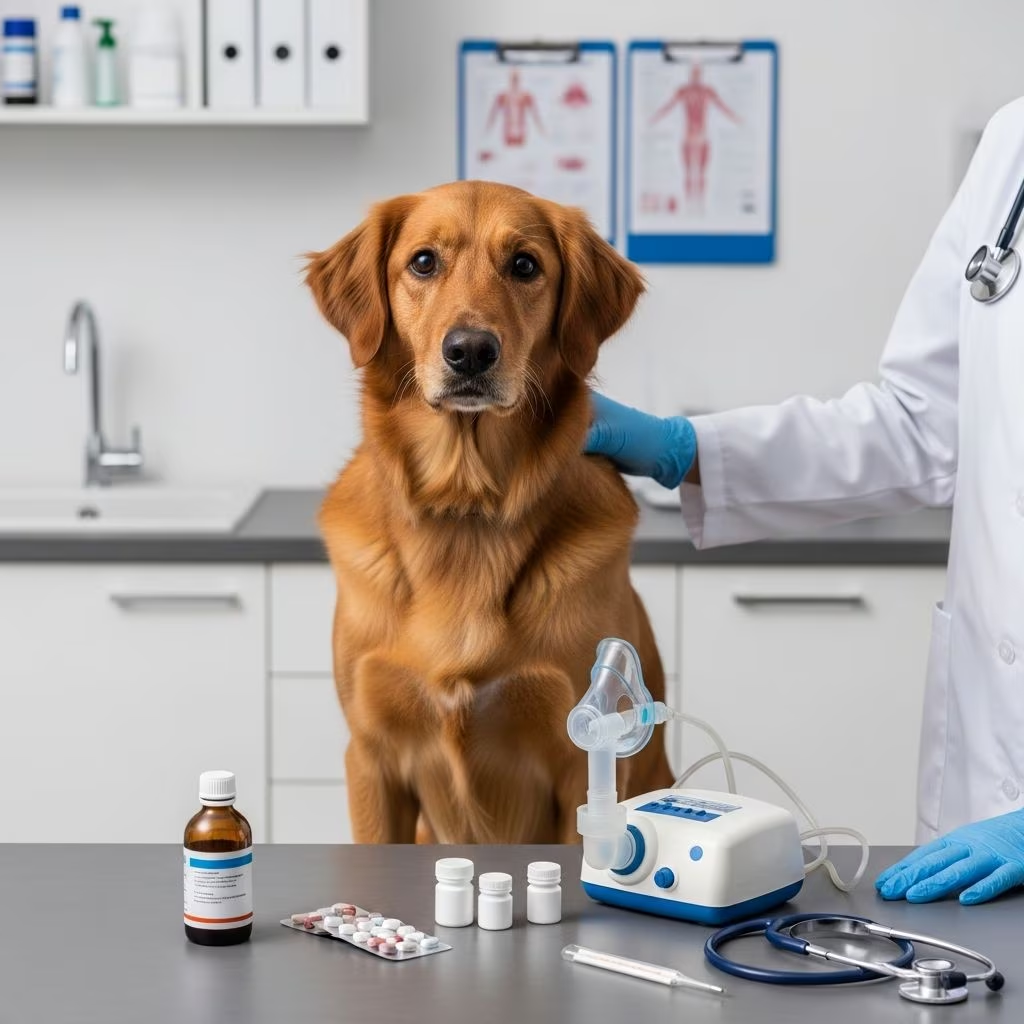
Kennel cough, also known as canine infectious respiratory disease complex (CIRDC), is a highly contagious upper respiratory infection in dogs primarily caused by bacterial agents like Bordetella bronchiseptica or viruses such as canine parainfluenza virus. While often self-limiting, timely intervention can prevent complications like pneumonia. This article details treatment approaches based on severity, from home care to advanced veterinary therapies.
Understanding Kennel Cough Symptoms and Causes
The hallmark symptom is a persistent, dry, hacking cough that sounds like a goose honk, often triggered by exercise or pressure on the neck. Additional signs include sneezing, nasal discharge, lethargy, and mild fever. Causes involve multiple pathogens, with Bordetella being a key bacterium that thrives in crowded settings like kennels or dog parks.
- Viral components: Parainfluenza, adenovirus, and distemper virus weaken airways, allowing secondary bacterial invasion.
- Bacterial role: Bordetella produces toxins that paralyze cilia, impairing mucus clearance.
- Risk factors: Unvaccinated dogs, puppies, seniors, and those in high-exposure environments are most vulnerable.
Treatment Strategies by Severity Level
Treatments vary by case severity. Mild infections may resolve without drugs, but monitoring is essential to catch progression.
Mild Cases: Supportive Home Management
For dogs with cough but normal appetite and energy, focus on rest and comfort. Isolate the dog to prevent spread, lasting up to 2 weeks.
- Ensure hydration and nutrition; tempt with warmed, palatable food.
- Use steam therapy: Sit dog in bathroom during hot showers for 10-15 minutes, 2-3 times daily to moisten airways.
- Harness over collars to reduce throat irritation.
- Probiotics support gut and immune health during recovery.
Cough suppressants like dextromethorphan may be vet-prescribed for rest, but never use human products.
Moderate Cases: Adding Medications
When symptoms include green nasal discharge, reduced appetite, or prolonged cough, antibiotics target secondary infections. Doxycycline is commonly used at 5 mg/kg daily for 10-14 days.
| Treatment | Purpose | Administration |
|---|---|---|
| Doxycycline | Combats Bordetella and other bacteria | Oral, once daily |
| Cough suppressants (e.g., hydrocodone) | Reduces coughing cycles | Oral prescription |
| Nebulization with saline | Loosens mucus | 10 minutes, twice daily |
| Honey (vet-approved) | Soothes throat | 1 tsp small dogs, 1 tbsp large, 2-3x/day |
Severe Cases: Veterinary Hospitalization
Dogs with pneumonia signs—labored breathing, blue gums, dehydration—require immediate care. Hospital protocols include IV fluids, oxygen therapy, broad-spectrum antibiotics via injection, bronchodilators, and nebulized mucolytics like acetylcysteine.
- Hospital stay: 3-7 days based on response.
- Diagnostic tools: PCR swab for pathogens, avoiding sedation.
- Anti-inflammatories: Used cautiously, as they don’t shorten illness but ease swelling.
Role of Antibiotics: When and Which Ones
Antibiotics aren’t routine since most cases are viral, but they’re vital for bacterial involvement evidenced by purulent discharge or lethargy. Doxycycline covers common culprits effectively; culture/sensitivity guides alternatives if needed.
- Prophylactic use: In outbreaks, short doxycycline courses (5 days) reduce spread in shelters.
- Avoid overuse to prevent resistance.
Amoxicillin-clavulanate (Clavamox) may be considered for susceptible strains, but doxycycline is preferred for respiratory pathogens.
Supportive Therapies and Home Remedies
Beyond meds, these enhance recovery:
- Humidifiers: Maintain moist air to prevent airway drying.
- Nutrition boost: Fresh, home-cooked meals aligned with immune-supportive diets.
- Essential oils (diluted): Breathe, frankincense, lavender blends applied topically for calming effects—vet consult required.
Monitor intake; probiotics like FortiFlora aid recovery.
Vaccination for Prevention
Bordetella vaccines don’t prevent all CIRDC but reduce severity. Options include intranasal (quick immunity), oral, or injectable. Administer 2 weeks before boarding; annual boosters common despite variable efficacy.
| Vaccine Type | Pros | Cons |
|---|---|---|
| Intranasal | Rapid onset, stress-free | May cause mild sneezing |
| Injectable | Systemic protection | Slower immunity buildup |
| Oral | Easy administration | Less studied long-term |
When to Contact a Veterinarian Urgently
Seek help if cough worsens after 5 days, breathing difficulties arise, appetite drops >48 hours, or fever exceeds 103°F. Early intervention prevents pneumonia.
FAQs
What is the fastest way to treat kennel cough?
Supportive care plus vet-prescribed antibiotics like doxycycline for bacterial cases; most resolve in 10-14 days.
Can kennel cough be treated at home?
Yes for mild cases with steam, rest, honey; escalate to vet if no improvement.
Is Amoxicillin effective for kennel cough?
It can be for susceptible bacteria, but doxycycline is more commonly recommended.
Does vaccination guarantee no kennel cough?
No, it reduces risk and severity but doesn’t cover all strains.
How long is a dog contagious with kennel cough?
Up to 2 weeks or until cough-free; isolate during this period.
Implementing these strategies ensures most dogs recover fully. Always prioritize veterinary guidance tailored to your pet’s needs.
References
- What Dog Owners Should Expect When it Comes to Kennel Cough Treatment — Pierz Vet Clinic. 2023. https://www.pierzvetclinic.com/services/blog/what-dog-owners-should-expect-when-it-comes-kennel-cough-treatment
- Kennel Cough in Dogs: Symptoms, Causes, and Treatment — PetMD. 2024-02-17. https://www.petmd.com/dog/conditions/respiratory/kennel-cough-dogs-what-are-symptoms-and-how-kennel-cough-treated
- Kennel Cough Home Treatment for Dogs — Franklin TN Vet. 2023. https://franklintnvet.com/kennel-cough-home-treatment-for-dogs/
- Kennel Cough in Dogs: Symptoms, Treatments, Vaccine — Best Friends Animal Society. 2024. https://bestfriends.org/pet-care-resources/kennel-cough-dogs-symptoms-treatments-vaccine
- Vital Vaccination Series: Kennel Cough Revisited — Today’s Veterinary Practice. 2022. https://todaysveterinarypractice.com/preventive-medicine/vital-vaccination-series-kennel-cough-revisited/
- The Risks of Kennel Cough — Cornell University College of Veterinary Medicine. 2024. https://www.vet.cornell.edu/departments-centers-and-institutes/riney-canine-health-center/canine-health-topics/risks-kennel-cough
- Canine Infectious Respiratory Disease Complex (Kennel Cough) — AVMA. 2024. https://www.avma.org/resources-tools/pet-owners/petcare/canine-infectious-respiratory-disease-complex-kennel-cough



