

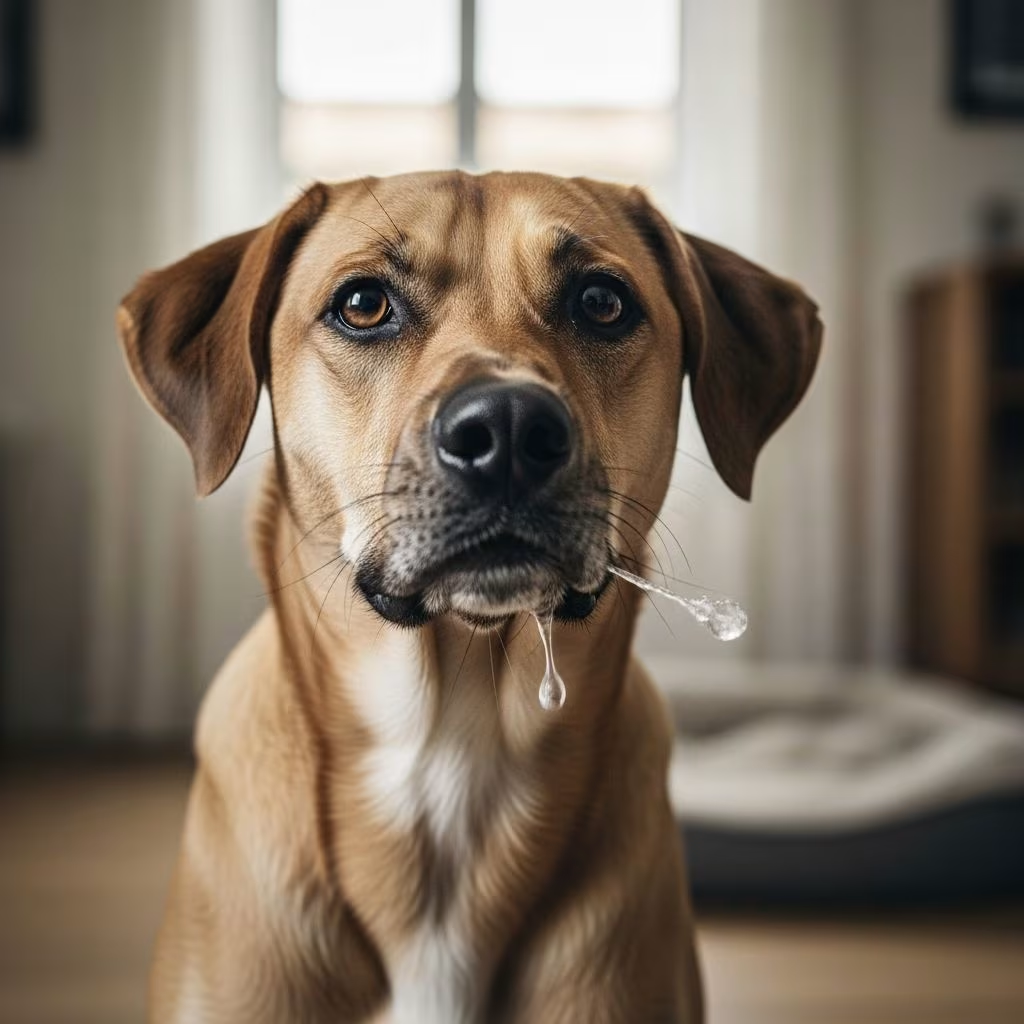
Kennel cough, also known as canine infectious tracheobronchitis, represents a highly contagious upper respiratory infection affecting dogs worldwide. This condition primarily inflames the trachea and bronchi, leading to a distinctive dry, hacking cough that can alarm pet owners. While typically mild and self-resolving, it poses greater risks to vulnerable dogs such as puppies, seniors, or those with compromised immunity.
Understanding the Nature of Kennel Cough
This respiratory ailment mimics the human common cold but is uniquely adapted to canine physiology. It thrives in environments where dogs congregate, like boarding facilities, dog parks, and grooming salons. The infection disrupts the protective lining of the airways, making dogs susceptible to secondary bacterial invasions. Early recognition empowers owners to intervene promptly, minimizing discomfort and preventing escalation to pneumonia.
Primary Causes and Pathogens Involved
Kennel cough arises from a multifaceted interplay of bacteria and viruses, rarely stemming from a single agent. The most frequent culprits include:
- Bordetella bronchiseptica: A resilient bacterium that adheres to the respiratory epithelium, evading initial immune responses.
- Canine parainfluenza virus (CPIV): A viral contributor that weakens airway defenses, facilitating bacterial colonization.
Additional pathogens encompass canine adenovirus type 2 (CAV-2), canine influenza virus, canine pneumovirus, canine respiratory coronavirus, mycoplasma species, and Streptococcus equi subspecies zooepidemicus. These agents spread via airborne droplets from coughs or sneezes, direct nose-to-nose contact, or shared contaminated items like water bowls and toys. In crowded settings, transmission accelerates, with an incubation period ranging from 2 to 14 days.
Recognizing Key Symptoms Early
The hallmark sign is a persistent, honking cough resembling attempts to clear the throat or retch, often triggered by tracheal pressure such as collar pulls. Other indicators include:
- Sneezing and nasal discharge.
- Mild eye discharge or watery eyes.
- Lethargy and reduced appetite in moderate cases.
Severe manifestations, signaling complications, involve fever, labored breathing, pneumonia signs like productive cough with phlegm, and profound fatigue. These demand immediate veterinary evaluation, particularly in high-risk dogs.
| Symptom Severity | Common Signs | Action Needed |
|---|---|---|
| Mild | Dry hacking cough, sneezing | Monitor at home, consult vet |
| Moderate | Eye/nasal discharge, mild lethargy | Vet visit for supportive care |
| Severe | Fever, breathing difficulty, pneumonia | Emergency veterinary care |
Diagnosis: How Vets Confirm Kennel Cough
Veterinarians diagnose based on clinical history, environmental exposure, and physical exams. Cough elicitation by tracheal palpation is a classic test. Advanced cases may warrant:
- Chest X-rays to rule out pneumonia.
- Swabs for PCR testing or cultures to identify specific pathogens.
- Bloodwork to assess overall health and secondary infections.
Routine testing suits outbreaks in kennels or shelters, guiding quarantine and disinfection protocols. For isolated pets, empirical treatment often precedes confirmation unless symptoms persist.
Treatment Strategies for Effective Recovery
Many instances resolve spontaneously within 10-14 days, akin to a human cold. Supportive measures form the cornerstone:
- Rest and Isolation: Confine activity to prevent spread and strain on airways.
- Humidification: Use humidifiers or steam from hot showers to moisten airways.
- Hydration: Ensure constant fresh water access; consider broths if appetite wanes.
- Nebulization: Veterinary-administered saline nebulizers twice daily for 10 minutes soothe irritation.
Pharmacological interventions include:
- Antibiotics like doxycycline for bacterial components or secondary pneumonia.
- Cough suppressants (e.g., butorphanol) for unrelenting fits.
- Anti-inflammatories to reduce tracheal swelling.
Avoid over-the-counter human remedies, as they can harm dogs. Honey-soothed throats may offer minor relief under vet approval, but evidence remains anecdotal.
Prevention: Vaccines and Best Practices
Vaccination significantly curtails risk, though no single shot covers all pathogens. Core components target Bordetella and CPIV, available intranasally, orally, or by injection. Administer boosters annually or as kennel policies dictate, ideally 2-4 weeks pre-exposure.
Hygiene protocols enhance protection:
- Disinfect shared items with appropriate agents effective against enveloped viruses and bacteria.
- Limit dog park visits during outbreaks.
- Use harnesses over collars to minimize cough triggers.
Maintain core vaccines against distemper and adenovirus, bolstering overall respiratory resilience.
Risks for Special Populations
Puppies under 6 months, geriatric dogs, and those with chronic conditions like heart disease or immunosuppression face heightened complications. These groups may progress to bronchopneumonia, requiring hospitalization, oxygen therapy, and IV fluids. Brachycephalic breeds (e.g., Bulldogs) struggle more due to anatomical airway constraints.
Home Care Tips During Recovery
Transform your home into a recovery haven:
- Designate a quiet, draft-free rest area.
- Elevate food/water bowls to ease breathing.
- Monitor temperature daily; fever above 103°F warrants a call.
- Track cough frequency and character for vet updates.
Gradually reintroduce exercise post-resolution to rebuild stamina.
FAQs on Kennel Cough
Is kennel cough fatal?
Rarely in healthy adults, but complications can be life-threatening in vulnerable dogs. Seek prompt care for worsening signs.
Can my dog get kennel cough from cats?
No, it’s canine-specific, though multi-pet households should isolate affected dogs.
How long is kennel cough contagious?
Up to 2 weeks post-symptom onset, longer in untreated cases. Isolate until vet clears.
Does the vaccine guarantee protection?
It reduces severity and spread but doesn’t cover all strains; combine with hygiene.
Can I walk my dog with kennel cough?
Short, leashed walks on harness yes; avoid dog interactions.
Long-Term Management and Monitoring
Post-recovery, schedule a vet check to confirm clearance. Recurrent episodes may signal underlying issues like allergies or immune deficiencies. Annual wellness exams keep vaccinations current and detect predispositions early. Educate on outbreak alerts from local shelters or apps.
In summary, vigilance, vaccination, and swift action equip owners to combat kennel cough effectively, ensuring dogs enjoy active, cough-free lives.
References
- Kennel Cough in Dogs: Symptoms, Treatments, Vaccine — Best Friends Animal Society. 2023. https://bestfriends.org/pet-care-resources/kennel-cough-dogs-symptoms-treatments-vaccine
- Six Things to Know About Kennel Cough in Dogs — MedVet. 2024. https://www.medvet.com/six-things-to-know-about-kennel-cough-and-your-pet/
- What Is Kennel Cough in Dogs? Symptoms, Treatment, & Prevention — All Bay Animal Hospital. 2024-02-15. https://www.allbayanimalhospital.com/site/blog/2024/02/15/kennel-cough-dogs
- Kennel Cough – Respiratory System — Merck Veterinary Manual. 2023. https://www.merckvetmanual.com/respiratory-system/respiratory-diseases-of-small-animals/kennel-cough
- Kennel Cough Causes, Symptoms & Treatment — Trudell Animal Health. 2024. https://trudellanimalhealth.com/blogs/blog/kennel-cough-causes-symptoms-amp-treatment
- Kennel Cough in Dogs — Blue Cross. 2024. https://www.bluecross.org.uk/advice/dog/health-and-injuries/kennel-cough
- What Dog Owners Should Expect When it Comes to Kennel Cough Treatment — Pierz Vet Clinic. 2024. https://www.pierzvetclinic.com/services/blog/what-dog-owners-should-expect-when-it-comes-kennel-cough-treatment



