

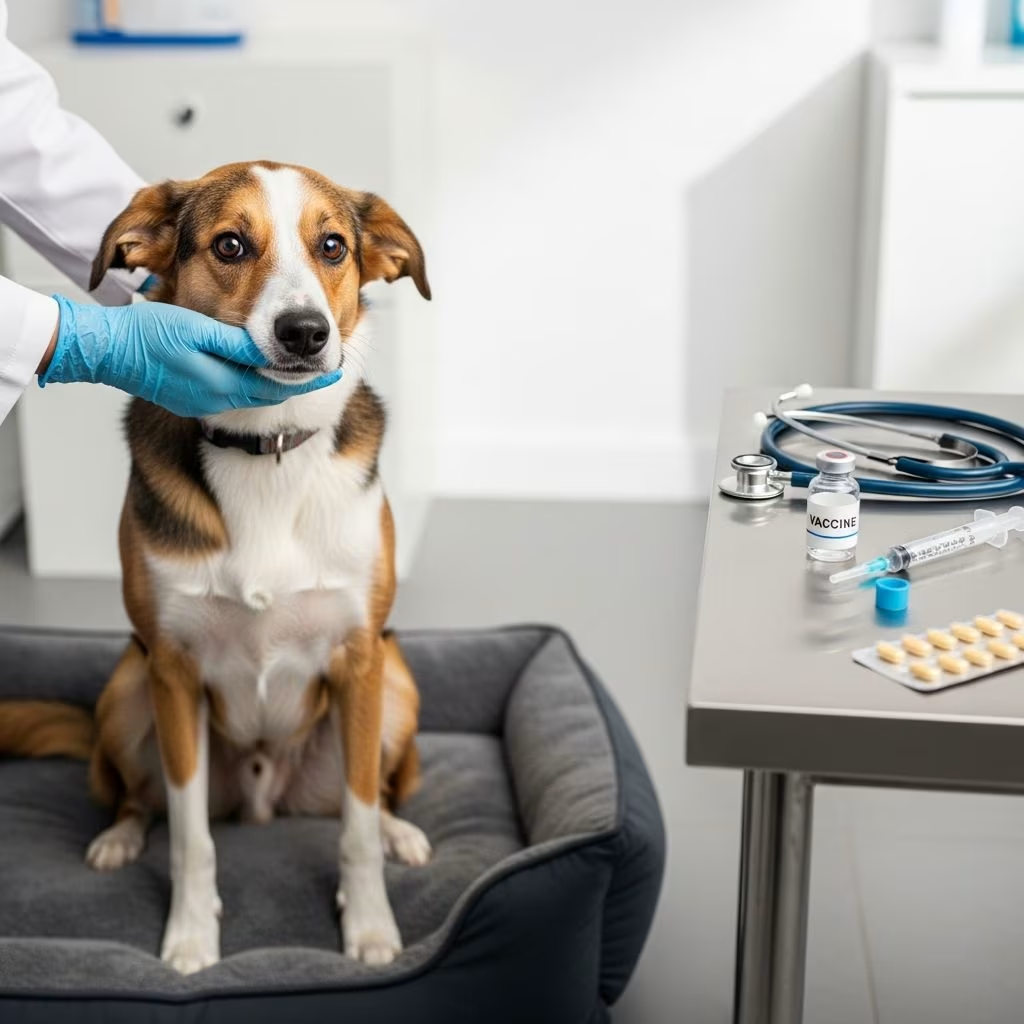
Understanding Kennel Cough in Dogs
Kennel cough, more accurately known as Canine Infectious Respiratory Disease Complex (CIRD), is a common respiratory condition that affects dogs of all ages and breeds. This contagious disease can spread rapidly in environments where multiple dogs interact, such as boarding facilities, dog parks, grooming salons, and pet daycares. Understanding the symptoms, treatment options, and prevention strategies is essential for any dog owner who wants to keep their pet healthy and protect the broader canine community.
The term “kennel cough” can be misleading because it suggests the condition is caused by a single pathogen. In reality, CIRD is caused by a combination of viral and bacterial agents, with Bordetella bronchiseptica being one of the most common culprits. Other contributing pathogens include canine parainfluenza virus, canine adenovirus type 2, and canine influenza virus. This complex nature of the disease is why vaccination and prevention require a multi-faceted approach.
Recognizing Kennel Cough Symptoms
Identifying kennel cough early is crucial for prompt treatment and preventing spread to other dogs. The symptoms of CIRD can vary in severity depending on the dog’s age, immune system strength, and overall health status.
Common Mild Symptoms
The most typical kennel cough symptoms are generally mild and include:
- A distinctive cough that sounds like the dog is retching or a dry, hacking cough
- Sneezing and nasal discharge
- Eye discharge or watery eyes
- Symptoms that often worsen when pressure is applied to the trachea or windpipe
Many dog owners describe the cough as resembling the sound of a goose honk or a seal bark. These mild symptoms typically appear within 3 to 10 days of exposure to the infection.
Severe Symptoms in High-Risk Dogs
In more severe cases, particularly in unvaccinated dogs, puppies, senior dogs, or those with compromised immune systems, kennel cough can present more serious symptoms:
- Fever and elevated body temperature
- Difficulty breathing or labored respiration
- Loss of appetite and reluctance to eat
- Lethargy and general fatigue
- Potential complications including secondary pneumonia
In puppies and elderly dogs, kennel cough can develop into serious complications such as fatal bronchopneumonia or chronic bronchitis. Dogs with other underlying illnesses are also at higher risk for severe symptoms. If your dog exhibits any of these warning signs, veterinary attention is essential to prevent further complications.
Kennel Cough Treatments
The good news about kennel cough is that many cases resolve independently without formal treatment, similar to how the common cold affects humans. However, proper treatment can significantly reduce symptom duration and severity, especially in vulnerable populations.
Self-Resolution and Natural Recovery
Most dogs naturally clear kennel cough infections within 10 to 14 days without intervention. During this recovery period, supportive care becomes the primary focus, allowing the dog’s immune system to fight off the infection naturally.
Medical Treatment Approaches
When veterinary treatment is warranted, the traditional approach involves antibiotics. The specific antibiotic selected often depends on culture results, though doxycycline is commonly prescribed as it targets the most prevalent bacterial causes of CIRD.
For dogs with distemper complications, treatment becomes more complex. Since distemper is a viral infection, treatment focuses on managing symptoms and preventing secondary infections:
- Antibiotics to protect against or treat pneumonia
- Anti-convulsants and muscle relaxants to manage neurological symptoms
- Medications for gastrointestinal signs, including nausea and diarrhea relief
- Fluid therapy to maintain proper hydration during periods of reduced appetite or vomiting
Supportive Care at Home
While professional veterinary care is important for severe cases, home supportive care plays a crucial role in recovery. Recommended measures include:
- Isolating your dog from other pets to prevent disease transmission
- Providing plenty of rest to allow the immune system to focus on fighting infection
- Ensuring adequate hydration through fresh water and possibly electrolyte solutions
- Using a humidifier to soothe the airway and reduce coughing
- Switching from collars to harnesses to avoid irritating the throat during walks
The Importance of Vaccination
Vaccination represents the most effective prevention strategy against kennel cough. Understanding how these vaccines work and which dogs benefit most from them is essential for responsible pet ownership.
How Kennel Cough Vaccines Work
The Bordetella vaccine, commonly referred to as the kennel cough vaccine, works by stimulating the dog’s immune system to produce antibodies against Bordetella bronchiseptica. The vaccine introduces a small amount of the bacterium into the body, triggering an immune response that prepares the dog’s system to recognize and fight off the actual pathogen if encountered.
Vaccines are available for multiple CIRD pathogens, including:
- Bordetella bronchiseptica
- Canine parainfluenza virus
- Canine adenovirus type 2
- Canine influenza virus
- Canine distemper
Among these, distemper, parainfluenza, and adenovirus vaccines are considered core vaccines that most veterinarians routinely administer as part of standard vaccination protocols.
Vaccine Administration Methods
Three different forms of the kennel cough vaccine are available, allowing veterinarians to choose the most appropriate option for individual dogs:
- Intranasal Vaccine: Delivered as drops into the nose, this is the most commonly used and most effective form. It’s typically quick and stress-free for both pet and owner.
- Injectable Vaccine: Administered as a subcutaneous injection, similar to a rabies vaccine.
- Oral Medication: Some vaccines are available in oral form for dogs that may have difficulty with intranasal administration.
Your veterinarian will determine which administration method is most suitable based on your dog’s age, health status, and lifestyle.
Who Should Be Vaccinated
While not every dog requires kennel cough vaccination, certain groups benefit significantly from this protection:
- Dogs with high social exposure, including those frequenting dog parks, boarding facilities, and pet daycares
- Puppies and senior dogs, who are more vulnerable to severe complications
- Dogs with compromised immune systems
- Dogs that haven’t yet been vaccinated and are at greater risk of contracting the disease
Vaccine Effectiveness and Limitations
It’s important to understand that while vaccines provide significant protection, they are not foolproof. No vaccine offers absolute immunity against all strains of kennel cough. Vaccinated dogs may occasionally develop a mild case of CIRD or even carry the bacteria without showing symptoms.
However, the benefits of vaccination are substantial. Dogs vaccinated for CIRD pathogens have a much better prognosis when exposed to the disease. Studies have shown that the kennel cough vaccine can reduce the incidence of coughing by approximately 20% compared to unvaccinated dogs. More importantly, vaccination dramatically reduces the duration and severity of illness, helping prevent complications and limiting disease transmission to other dogs in the community.
Common Vaccine Side Effects
Like all medical interventions, kennel cough vaccines can produce side effects in some dogs. Understanding these potential reactions helps dog owners distinguish normal vaccine responses from signs of serious problems.
Common mild side effects include:
- Sneezing and runny nose
- Slight cough occurring shortly after vaccination
- Fatigue or low-grade fever as the immune system responds to the vaccine
These reactions are typically temporary and represent the body’s natural response to developing immunity. They usually resolve within a few days. Serious adverse reactions are rare but should be reported to a veterinarian immediately if they occur.
Prevention Strategies Beyond Vaccination
While vaccination is the cornerstone of kennel cough prevention, additional strategies can further reduce your dog’s risk of infection.
Environmental Considerations
Avoiding exposure to infected dogs remains one of the most effective prevention methods. Be cautious when:
- Other dogs in your environment are showing respiratory symptoms
- Using boarding facilities, groomers, or daycares—ensure these facilities have strict hygiene protocols and vaccination requirements
- Attending dog parks during seasons when respiratory diseases are more common
Maintaining Overall Health
A dog’s overall health status significantly impacts their ability to resist infection. Maintain your dog’s health through:
- Regular exercise and mental stimulation
- A balanced, nutritious diet
- Regular veterinary check-ups
- Keeping all vaccinations current
- Minimizing stress, which can compromise immune function
Frequently Asked Questions About Kennel Cough
Q: Can my dog get kennel cough even if vaccinated?
A: Yes, vaccinated dogs can still contract kennel cough, but symptoms are typically much milder, and the vaccine helps reduce the likelihood of severe complications. Vaccination provides significant protection but not absolute immunity against all strains.
Q: How long does kennel cough last in dogs?
A: Most dogs recover from kennel cough within 10 to 14 days. However, recovery time can vary depending on the dog’s age, immune system strength, and severity of infection. Some dogs may have a lingering cough for several weeks.
Q: Is there a home remedy for kennel cough?
A: There is no easy home remedy for kennel cough other than time and supportive care. Focus on providing rest, hydration, isolation from other pets, and a humidified environment. Veterinary consultation is recommended for severe cases.
Q: Do all dogs need the kennel cough vaccine?
A: Not all dogs require the kennel cough vaccine. However, it is strongly recommended for dogs with high social exposure, puppies, senior dogs, or those with compromised immune systems. Discuss your dog’s lifestyle with your veterinarian to determine if vaccination is appropriate.
Q: What’s the difference between kennel cough vaccine and other dog vaccines?
A: The kennel cough vaccine (Bordetella) targets respiratory diseases, while core vaccines like distemper, parainfluenza, and adenovirus protect against different serious conditions. Your veterinarian may recommend both core vaccines and the kennel cough vaccine depending on your dog’s needs.
Q: Can kennel cough be fatal?
A: Kennel cough itself is rarely fatal in healthy adult dogs. However, it can lead to serious complications like pneumonia in puppies, elderly dogs, or immunocompromised pets. This is why vaccination and prompt treatment are important, especially for vulnerable populations.
References
- The Kennel Cough Vaccine: Risks, Benefits, and Everything In Between — Creedmoor Road Animal Hospital. 2024. https://creedmoorroadanimalhospital.com/pet-vaccinations-in-raleigh-nc/the-kennel-cough-vaccine-risks-benefits-and-everything-in-between/
- Kennel Cough in Dogs: Symptoms, Treatments, Vaccine — Best Friends Animal Society. 2024. https://bestfriends.org/pet-care-resources/kennel-cough-dogs-symptoms-treatments-vaccine
- What Dog Owners Should Expect When it Comes to Kennel Cough Treatment — Pierz Veterinary Clinic. 2024. https://www.pierzvetclinic.com/services/blog/what-dog-owners-should-expect-when-it-comes-kennel-cough-treatment
- Kennel Cough and the Importance of the Bordetella Vaccine — Mullins Veterinary Hospital. 2024. https://mullinsveterinaryhospital.com/kennel-cough-and-the-importance-of-the-bordetella-vaccine/
- What is Kennel Cough in Dogs? Symptoms, Treatment & Prevention — Providence Vets Charlotte. 2023-06-15. https://www.charlotte.providencevets.com/site/blog/2023/06/15/kennel-cough-dog–symptoms-treatment-prevention
- Kennel Cough in Dogs: Symptoms, Causes, and Treatment — PetMD. 2024. https://www.petmd.com/dog/conditions/respiratory/kennel-cough-dogs-what-are-symptoms-and-how-kennel-cough-treated
- What is the Kennel Cough Vaccination? Do All Dogs Need It? — Flynn Vets. 2024. https://flynnvets.com/what-is-the-kennel-cough-vaccination-do-all-dogs-need-it/



