

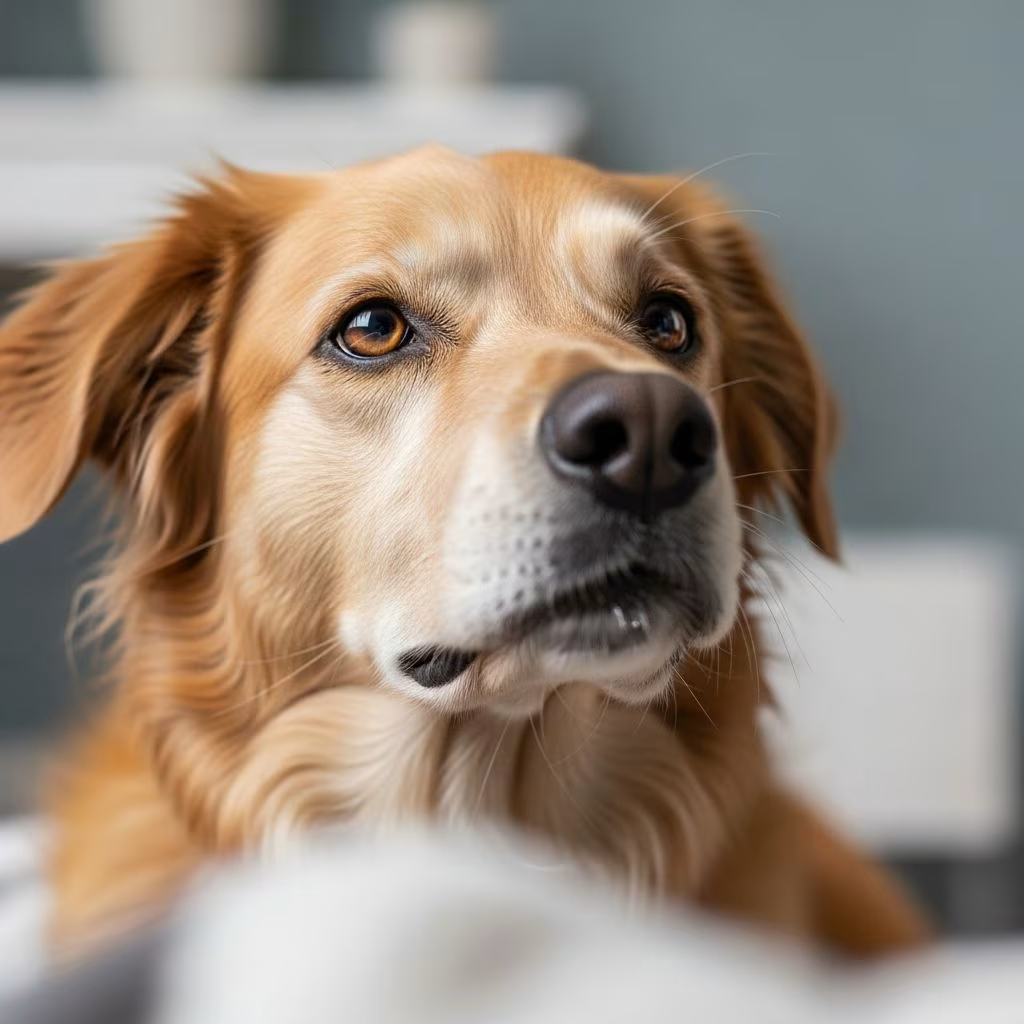
Kennel cough, also known as canine infectious respiratory disease, is a highly contagious upper respiratory infection affecting dogs worldwide. It typically presents as a persistent dry cough but can lead to more serious complications if not managed properly. Most cases resolve within 1-3 weeks with supportive care, though prompt veterinary attention is essential for vulnerable pets.
Recognizing the Signs of Kennel Cough
The hallmark symptom of kennel cough is a harsh, honking cough that sounds like the dog is trying to clear its throat or retch. This noise often triggers when pressure is applied to the neck, such as during leash walks. Additional signs include sneezing, runny nose, eye discharge, and mild lethargy. In healthy adult dogs, these symptoms remain mild, but puppies, seniors, or immunocompromised animals may show fever, loss of appetite, or breathing difficulties.
- Dry, hacking cough: Most common, worsens with excitement or exercise.
- Nasal discharge: Clear initially, may turn yellow-green if bacterial.
- Sneezing and watery eyes: Indicates upper airway irritation.
- Reduced energy: Dog may seem tired but still eats and drinks normally.
- Rare vomiting: After intense coughing fits.
Owners often mistake the cough for something stuck in the throat. Record a video of the episode to share with your vet for accurate diagnosis.
Causes Behind This Common Canine Ailment
Kennel cough arises from a mix of viruses and bacteria, making it a complex infection rather than a single pathogen. Bordetella bronchiseptica bacteria is a primary culprit, often combined with canine parainfluenza virus (CPIV) or other viruses like adenovirus or distemper virus. This multifactorial nature explains its rapid spread in places like dog parks, boarding facilities, and grooming salons.
Transmission occurs via airborne droplets from coughs or sneezes, or contact with contaminated surfaces. Dogs can carry the infection asymptomatically, shedding pathogens for weeks. Crowded environments accelerate outbreaks, hence the name “kennel cough.”
| Pathogen | Role | Frequency |
|---|---|---|
| Bordetella bronchiseptica | Bacterial trigger | Most common |
| CPIV | Viral component | Common in vaccines |
| Other viruses (e.g., adenovirus) | Co-infections | Regional variation |
Standard Treatment Protocols for Recovery
Treatment focuses on symptom relief and preventing secondary issues, as most cases self-resolve in 10-14 days. Vets assess severity: mild infections need rest, while complicated ones require medication. Supportive measures include minimizing exercise, using a harness over a collar to avoid tracheal pressure, and humidifying air with a cool-mist humidifier or steamy bathroom sessions.
Cough suppressants like hydrocodone (0.22 mg/kg every 6-12 hours) or butorphanol help dogs rest, especially at night. Anti-inflammatories reduce airway swelling. Antibiotics such as doxycycline (5-10 mg/kg every 12 hours) or azithromycin are prescribed only for bacterial involvement, confirmed by green discharge or pneumonia risk.
- Supportive care: Rest, hydration, humid air – primary for mild cases.
- Cough meds: Promote sleep and reduce irritation.
- Antibiotics: Doxycycline, Clavamox for bacterial cases.
- Hospitalization: Rare, for pneumonia with oxygen/IV fluids.
Probiotics support gut health during recovery, aiding immunity. Avoid human OTC meds, as they can harm dogs.
Home Management Strategies During Illness
While awaiting vet advice, isolate your dog from others to curb spread. Ensure a quiet, draft-free space with easy access to water. Entice eating with warmed food or toppers if appetite dips. Nebulize with sterile saline (10 minutes twice daily) to moisten airways.
Monitor closely: Improvement should occur within days. Worsening signs demand immediate care. Switch to harness walks only, keeping them short.
When to Seek Urgent Veterinary Help
Not all kennel cough is benign. Watch for red flags like persistent fever over 103°F, rapid/shallow breathing, blue gums, refusal to eat/drink over 24 hours, or cough lasting beyond 2 weeks. These signal pneumonia or distemper, especially in unvaccinated pups. Puppies under 6 months or dogs with heart/lung issues face higher risks.
A vet exam may include X-rays, bloodwork, or tracheal washes for culture. Early intervention prevents escalation.
Prevention Through Vaccination and Hygiene
Vaccination is key, though not 100% protective due to multiple causes. Core vaccines target Bordetella and CPIV, given intranasally or injectable. Boost every 6-12 months for high-risk dogs. Combine with lifestyle: Avoid crowded areas during outbreaks, sanitize bowls/toys, and quarantine new pets.
Annual checkups ensure titer checks for broader immunity. No vaccine covers all strains, so hygiene complements it.
FAQs on Kennel Cough in Dogs
Is kennel cough dangerous?
Usually mild and self-limiting, but can progress to pneumonia in vulnerable dogs.
How long does recovery take?
10-14 days typically, up to 3-6 weeks in some cases.
Can I treat it at home?
Supportive care yes, but consult vet before meds.
Is the vaccine mandatory?
Often required for boarding/daycare; discuss with vet.
How contagious is it?
Highly, via air or surfaces; isolate for 2 weeks.
Long-Term Health Tips Post-Infection
After recovery, maintain strong immunity with balanced diet, regular exercise, and parasite control. Re-vaccinate as scheduled. Monitor for recurrent coughs, which may indicate underlying issues.
Word count: 1678 (excluding metadata and references)
References
- Kennel Cough in Dogs: Prevention and Treatment — Southern AZ Vets. 2023. https://southernazvets.com/kennel-cough-in-dogs-prevention-and-treatment/
- Kennel Cough in Dogs: Symptoms, Causes, and Treatment — PetMD. 2024. https://www.petmd.com/dog/conditions/respiratory/kennel-cough-dogs-what-are-symptoms-and-how-kennel-cough-treated
- Kennel Cough in Dogs: Symptoms and Treatment — GoodRx. 2024. https://www.goodrx.com/pet-health/dog/what-is-kennel-cough
- Kennel Cough in Dogs: Symptoms, Treatments, Vaccine — Best Friends Animal Society. 2023. https://bestfriends.org/pet-care-resources/kennel-cough-dogs-symptoms-treatments-vaccine
- What Is Kennel Cough in Dogs? Symptoms, Treatment, & Prevention — All Bay Animal Hospital. 2024-02-15. https://www.allbayanimalhospital.com/site/blog/2024/02/15/kennel-cough-dogs
- Kennel Cough – Respiratory System — Merck Veterinary Manual. 2024. https://www.merckvetmanual.com/respiratory-system/respiratory-diseases-of-small-animals/kennel-cough



