

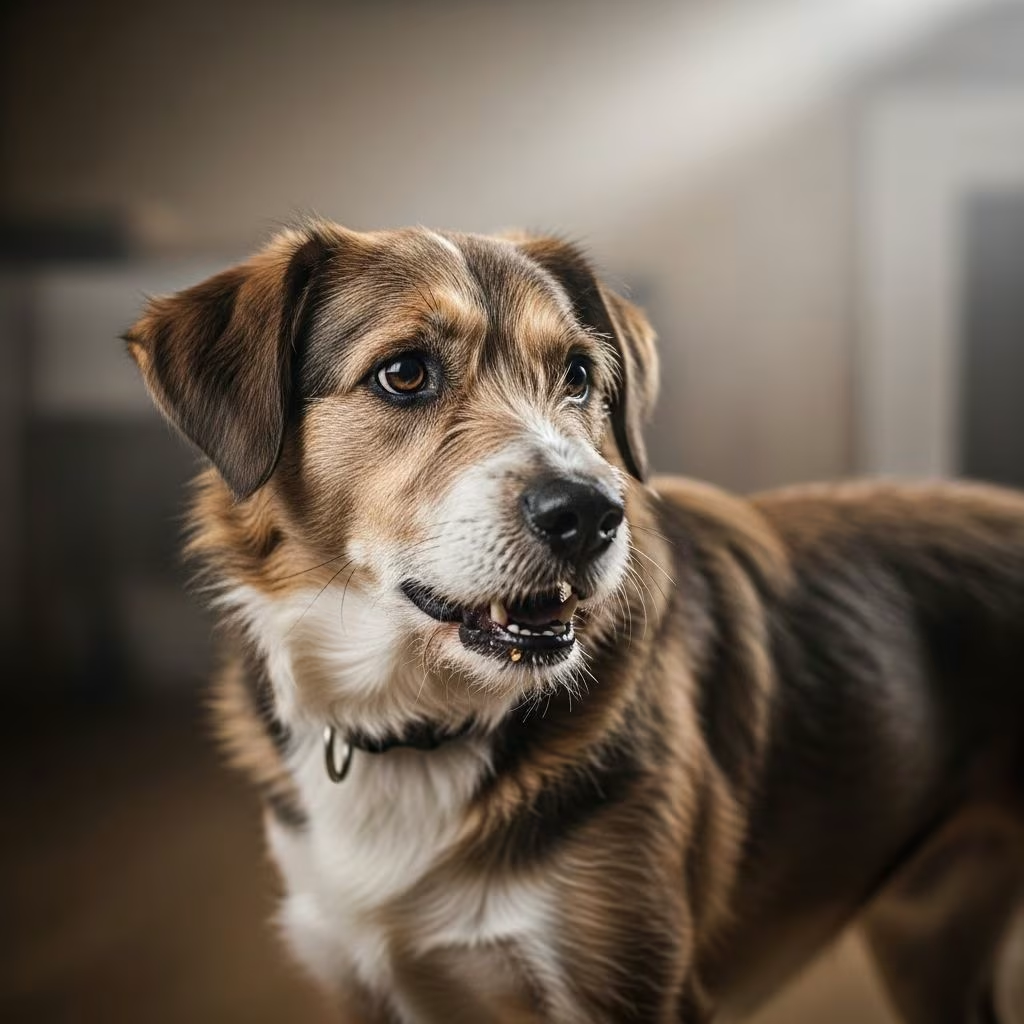
Kennel cough, also known as canine infectious respiratory disease complex (CIRDC), is a highly contagious upper respiratory infection affecting dogs worldwide. It primarily causes a persistent dry cough but can lead to more serious issues in vulnerable pets. This guide draws from veterinary expertise to help owners identify, manage, and prevent this common ailment.
Understanding the Nature of Kennel Cough
This condition mimics a human cold, irritating the trachea and bronchi. While typically mild and self-resolving within 1-3 weeks, it spreads rapidly in group settings like dog parks, boarding facilities, or shelters. Healthy adult dogs often recover without intervention, but complications arise in puppies, seniors, or immunocompromised animals.
The infection inflames the respiratory lining, triggering reflexive coughing to clear irritants. Unlike pneumonia, it rarely produces mucus initially, distinguishing it from deeper lung issues.
Primary Causes and Pathogens Involved
Kennel cough results from multiple pathogens acting alone or in synergy. The most frequent culprits are:
- Bordetella bronchiseptica: A bacterium responsible for many cases, targeted by common vaccines.
- Canine parainfluenza virus (CPIV): A viral contributor often included in vaccine formulations.
Other agents include canine distemper virus, adenovirus type 2, influenza, pneumovirus, respiratory coronavirus, herpesvirus, reovirus, Mycoplasma, and Streptococcus equi subsp. zooepidemicus. Bacterial and viral mixes complicate diagnosis and treatment.
| Pathogen Type | Examples | Transmission Role |
|---|---|---|
| Bacteria | Bordetella, Mycoplasma, Strep zooepidemicus | Primary or secondary invaders |
| Viruses | CPIV, distemper, adenovirus, influenza | Initiate inflammation |
Transmission occurs via airborne droplets from coughs/sneezes, direct nose-to-nose contact, or shared items like bowls and toys. Incubation lasts 2-14 days, allowing silent spread.
Recognizing Symptoms Early
The hallmark is a dry, hacking cough resembling retching or a honking goose. It worsens with excitement, exercise, or tracheal pressure (e.g., collar pulls).
Common mild signs:
- Sneezing
- Clear nasal/eye discharge
- Mild lethargy
- Reduced appetite
Severe indicators signaling vet attention:
- Fever
- Labored breathing
- Thick mucus production
- Extreme fatigue
These suggest pneumonia or secondary infections, especially in at-risk dogs.
Diagnosis Process in Veterinary Practice
Vets diagnose via history, physical exam, and ruling out mimics like heart disease, collapsing trachea, heartworm, bronchitis, or allergies. No single test confirms CIRDC due to its multi-pathogen nature.
Tools may include:
- Tracheal palpation to provoke cough
- Chest X-rays for pneumonia
- Cultures/swabs for bacteria
- PCR panels for viruses
Differential diagnosis ensures appropriate care, as symptoms overlap with serious conditions.
Treatment Strategies by Severity
Mild Cases: Supportive Home Care
Many resolve naturally. Recommendations:
- Rest and isolation (2-4 weeks)
- Humidifiers or steam therapy
- Honey (vet-approved, 1 tsp/10kg body weight daily) for throat soothing
- Harness over collar
- Well-ventilated spaces
Moderate Cases: Medications
Vets prescribe:
- Antibiotics (e.g., doxycycline) for bacterial components
- Cough suppressants (e.g., hydrocodone)
- Anti-inflammatories
Nebulization with saline clears airways.
Severe Cases: Hospitalization
For pneumonia or distress:
- Broad-spectrum IV antibiotics
- Bronchodilators
- Oxygen therapy
- IV fluids
- Mucolytics like acetylcysteine
Prognosis is good with prompt care.
Prevention: Vaccines and Best Practices
Vaccination is key, though not 100% effective due to multiple causes. Core vaccines cover Bordetella/CPIV; intranasal or oral forms boost mucosal immunity.
Vaccine Types:
| Type | Pros | Cons | Duration |
|---|---|---|---|
| Intranasal | Rapid onset (3-4 days) | 6-12 months | |
| Injectable | Safer for sick dogs | Slower (2 weeks) | 1 year |
Boost annually for high-risk dogs. Other prevention:
- Avoid crowded areas during outbreaks
- Quarantine new dogs
- Disinfect environments
- Boost overall health with nutrition
Risk Factors and Vulnerable Populations
Puppies, seniors, and dogs with chronic illnesses face higher complication risks like pneumonia.
- Puppies: Immature immunity
- Seniors: Weakened defenses
- Immunosuppressed: Cancer, diabetes, etc.
Unvaccinated dogs in kennels are prime targets.
FAQs on Kennel Cough
Q: Is kennel cough fatal?
A: Rarely in healthy dogs; complications can be serious if untreated.
Q: Can humans catch it?
A: No, it’s dog-specific.
Q: When to see a vet?
A: Persistent cough >1 week, breathing issues, fever.
Q: How long is contagious?
A: Up to 2 weeks post-symptoms.
Q: Home remedies safe?
A: Honey yes (vet-ok’d); avoid OTC human meds.
Long-Term Management and Monitoring
Post-recovery, monitor for recurrence. Annual vet checkups and tailored vaccines prevent issues. Healthy lifestyle reduces susceptibility.
Owners should track symptoms via journals, noting triggers. Early intervention prevents escalation.
References
- Kennel Cough in Dogs: Symptoms, Treatments, Vaccine — Best Friends Animal Society. 2023. https://bestfriends.org/pet-care-resources/kennel-cough-dogs-symptoms-treatments-vaccine
- Six Things to Know About Kennel Cough in Dogs — MedVet. 2024. https://www.medvet.com/six-things-to-know-about-kennel-cough-and-your-pet/
- What Is Kennel Cough in Dogs? Symptoms, Treatment, & Prevention — All Bay Animal Hospital. 2024-02-15. https://www.allbayanimalhospital.com/site/blog/2024/02/15/kennel-cough-dogs
- Kennel Cough Causes, Symptoms & Treatment — Trudell Animal Health. 2023. https://trudellanimalhealth.com/blogs/blog/kennel-cough-causes-symptoms-amp-treatment
- What is Kennel Cough in Dogs? Symptoms, Treatment & Prevention — Rivergate Veterinary Clinic. 2023-06-30. https://www.rivergateveterinaryclinic.com/site/blog/2023/06/30/what-is-kennel-cough-in-dogs-symptoms-treatment–prevention
- What Dog Owners Should Expect When it Comes to Kennel Cough Treatment — Pierz Vet Clinic. 2023. https://www.pierzvetclinic.com/services/blog/what-dog-owners-should-expect-when-it-comes-kennel-cough-treatment



