

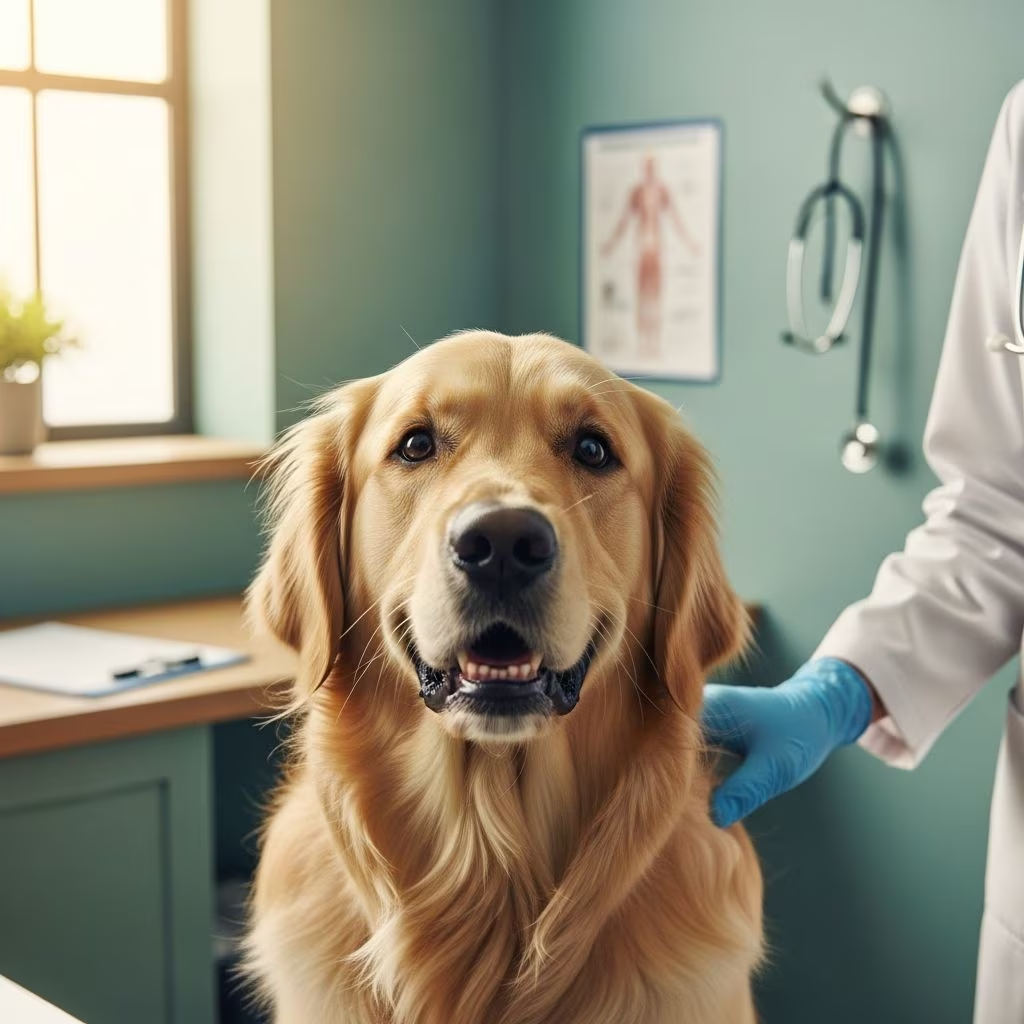
Kennel Cough in Dogs: Expert’s Guide to Symptoms and Treatment
Kennel cough, medically known as Canine Infectious Tracheobronchitis (CIRD), is a highly contagious upper respiratory tract infection that affects dogs of all ages. This common condition is aptly named because it spreads rapidly when dogs are housed in close quarters, such as kennels, animal shelters, and boarding facilities. Understanding kennel cough is essential for dog owners, as early recognition and proper management can prevent complications and ensure your dog’s swift recovery.
What is Kennel Cough?
Kennel cough is a respiratory infection that causes inflammation of the trachea and upper airways in dogs. The condition is characterized by a persistent, dry cough that sounds like the dog is retching or gagging. While kennel cough is generally mild and self-limiting in healthy adult dogs, it can progress to more serious complications in vulnerable populations, including puppies, elderly dogs, and dogs with weakened immune systems.
The disease typically resolves within three weeks, though some cases may linger for up to six weeks. Despite its contagious nature, kennel cough is rarely dangerous in otherwise healthy dogs, though it can cause considerable discomfort and concern for pet owners.
Causes of Kennel Cough
Kennel cough has multiple causes, involving both bacterial and viral pathogens. The most common causes include:
- Bordetella bronchiseptica – A bacterium that is the most common cause of kennel cough. It attacks the lining of the respiratory tract, causing inflammation and irritation of the dog’s upper airways.
- Canine parainfluenza virus (CPIV) – One of the most common viral causes. This virus is similar to canine influenza but requires different vaccinations.
- Canine adenovirus type 2 (CAV-2) – A viral pathogen that contributes to respiratory infections.
- Canine influenza – A contagious viral infection that can cause respiratory symptoms similar to kennel cough.
- Other pathogens – Less common causes include canine distemper virus, canine pneumovirus, canine respiratory coronavirus, canine herpesvirus, mycoplasma, and Streptococcus equi subspecies zooepidemicus.
The specific pathogen responsible for kennel cough varies by geographic location, with some areas experiencing higher prevalence of certain causative agents than others.
How is Kennel Cough Transmitted?
Kennel cough spreads rapidly through multiple transmission routes, making it highly contagious among susceptible dogs. The primary transmission methods include:
- Inhalation of airborne droplets released when a sick dog coughs or sneezes
- Direct contact with an infected dog
- Sharing contaminated food bowls, toys, and other objects
The incubation period for kennel cough ranges from two to 14 days, meaning an infected dog may not show symptoms immediately after exposure. This delayed symptom onset contributes to rapid spread in environments where multiple dogs interact closely.
Symptoms and Signs of Kennel Cough
The symptoms of kennel cough vary depending on the severity of the infection and the dog’s overall health status.
Mild Symptoms
In most cases, kennel cough produces mild symptoms that may not significantly affect the dog’s overall well-being. Common mild symptoms include:
- A persistent dry, hacking cough that produces no phlegm or mucus
- A cough that sounds like the dog is retching or gagging
- Coughing that worsens with exercise or physical activity
- Coughing triggered by pressure on the trachea (windpipe), such as when a collar is pulled
- Sneezing
- Eye discharge
- Runny nose
Apart from the cough, dogs with mild kennel cough typically feel relatively well and maintain normal appetite and energy levels.
Severe Symptoms
In more severe infections, particularly in puppies, elderly dogs, or immunocompromised dogs, kennel cough can present with more concerning symptoms:
- Fever
- Difficulty breathing
- Loss of appetite and decreased interest in eating
- Lethargy and extreme fatigue
- Worsening cough that progresses to pneumonia
If your dog displays any of these severe symptoms, immediate veterinary attention is essential to prevent life-threatening complications.
When to Seek Veterinary Care
While most healthy adult dogs recover from kennel cough without professional treatment, certain situations warrant veterinary evaluation:
- Your dog is a puppy, elderly, or has a weakened immune system
- Symptoms persist beyond three weeks
- Your dog develops fever, difficulty breathing, or lethargy
- The cough is severe or worsening despite home care
- Your dog shows signs of secondary infections or pneumonia
Diagnosis of Kennel Cough
Veterinarians typically diagnose kennel cough based on clinical symptoms and history of exposure to other dogs. In some cases, additional diagnostic tests may be performed to identify the specific pathogen responsible, which helps guide treatment decisions. Culture results can be particularly useful for selecting the most appropriate antibiotic therapy.
Treatment Options for Kennel Cough
Treatment for kennel cough depends on the severity of the infection and the dog’s overall health status. Many cases resolve without medical intervention, similar to how humans recover from the common cold.
Mild Cases
For healthy adult dogs with mild kennel cough, veterinarians often recommend a watchful waiting approach with supportive care. Key management strategies include:
- Rest and recovery – Allowing your dog adequate time to recover naturally
- Environmental management – Ensuring your home is well-ventilated to reduce airway irritation
- Harness use – Using a harness instead of a collar during walks to avoid pressure on the trachea, which can aggravate the windpipe
- Activity restriction – Limiting exercise to reduce coughing episodes and allow airways to heal
Moderate Cases
When symptoms are more pronounced or the dog shows signs of discomfort, veterinarians may prescribe medications to manage symptoms and prevent complications:
- Antibiotics – Such as doxycycline, prescribed to prevent secondary bacterial infections. Antibiotics are commonly given even in uncomplicated cases.
- Cough suppressants – Medications designed to ease persistent coughing and provide comfort
- Anti-inflammatory medications – To reduce airway inflammation and irritation
Severe Cases
In severe cases that progress to pneumonia or affect immunocompromised dogs, more aggressive treatment becomes necessary:
- Broad-spectrum antibiotics – Often administered via injection to combat severe bacterial infections
- Bronchodilators – Medications that open airways and improve breathing, particularly useful when pneumonia develops
- Nebulization therapy – Delivery of saline or antibiotic solutions via nebulizer to clear mucus and reduce infection in airways
- Supportive therapies – Including fluids to maintain hydration, medications for nausea and diarrhea, and anti-convulsants if neurological signs develop
Home Care and Recovery
Supporting your dog’s recovery at home is crucial for managing kennel cough effectively. Consider implementing these strategies:
- Maintain a clean, stress-free environment
- Provide fresh water and maintain nutrition
- Avoid situations that trigger coughing, such as excitement or pulling on the leash
- Use a humidifier to keep air moist and soothe airways
- Consider honey to soothe your dog’s throat and reduce irritation
- Monitor symptoms closely and contact your vet if they worsen
Prevention and Vaccination
A kennel cough vaccine is available and can significantly reduce infection risk. The vaccine typically protects against the most common causes, Bordetella bronchiseptica and canine parainfluenza virus. Vaccination is often required or strongly recommended for dogs that:
- Stay in kennels or boarding facilities
- Attend dog shows, training classes, or daycare
- Frequent dog parks or other high-traffic dog areas
- Have regular contact with unknown dogs
In addition to vaccination, preventing kennel cough involves minimizing exposure to sick dogs and maintaining good hygiene practices. Avoid sharing toys, bowls, and bedding with potentially infected dogs.
Complications to Watch For
While kennel cough is usually mild, it can progress to serious complications, particularly in vulnerable dogs:
- Bronchopneumonia – Can develop in puppies or debilitated dogs
- Chronic bronchitis – May affect elderly or aged dogs
- Secondary bacterial infections – Can occur when the immune system is compromised
Early veterinary intervention can prevent these complications and ensure better outcomes.
Frequently Asked Questions
Q: How long does kennel cough last in dogs?
A: Most dogs recover from kennel cough within three weeks with supportive care. However, some cases may linger for up to six weeks. Severity and the dog’s immune system affect recovery time.
Q: Can I catch kennel cough from my dog?
A: No, kennel cough primarily affects dogs. While some of the causative pathogens might occasionally affect humans minimally, the condition is species-specific and poses no risk to human health.
Q: Is the kennel cough vaccine 100% effective?
A: The vaccine protects against the most common causes of kennel cough but cannot guarantee 100% protection, as multiple pathogens cause the condition. However, vaccination significantly reduces infection risk and severity.
Q: Should I isolate my dog if they have kennel cough?
A: Yes, isolating an infected dog from other dogs helps prevent transmission. Kennel cough spreads rapidly through airborne droplets and direct contact, so keeping your dog away from other dogs during the infectious period is responsible pet ownership.
Q: Are antibiotics always necessary for kennel cough?
A: No, healthy adult dogs often recover without antibiotics through supportive care alone. However, antibiotics may be prescribed to prevent secondary bacterial infections or if the dog has risk factors for complications.
Q: Can kennel cough be fatal?
A: Kennel cough is rarely fatal in healthy adult dogs. However, it can become serious in puppies, elderly dogs, or those with weakened immune systems if it progresses to pneumonia without treatment.
References
- Kennel Cough in Dogs: Symptoms, Treatments, Vaccine — Best Friends Animal Society. Accessed 2026. https://bestfriends.org/pet-care-resources/kennel-cough-dogs-symptoms-treatments-vaccine
- What Is Kennel Cough in Dogs? Symptoms, Treatment, & Prevention — All Bay Animal Hospital. 2024-02-15. https://www.allbayanimalhospital.com/site/blog/2024/02/15/kennel-cough-dogs
- Kennel Cough Causes, Symptoms & Treatment — Trudell Animal Health. Accessed 2026. https://trudellanimalhealth.com/blogs/blog/kennel-cough-causes-symptoms-amp-treatment
- Kennel Cough (Canine Infectious Tracheobronchitis) — Merck Veterinary Manual. Accessed 2026. https://www.merckvetmanual.com/respiratory-system/respiratory-diseases-of-small-animals/kennel-cough
- What Dog Owners Should Expect When it Comes to Kennel Cough Treatment — Pierz Veterinary Clinic. Accessed 2026. https://www.pierzvetclinic.com/services/blog/what-dog-owners-should-expect-when-it-comes-kennel-cough-treatment
- Kennel Cough in Dogs — Blue Cross. Accessed 2026. https://www.bluecross.org.uk/advice/dog/health-and-injuries/kennel-cough
- Kennel Cough in Dogs: Symptoms and Treatment — GoodRx. Accessed 2026. https://www.goodrx.com/pet-health/dog/what-is-kennel-cough
- Canine Infectious Respiratory Disease Complex (Kennel Cough) — American Veterinary Medical Association. Accessed 2026. https://www.avma.org/resources-tools/pet-owners/petcare/canine-infectious-respiratory-disease-complex-kennel-cough



