

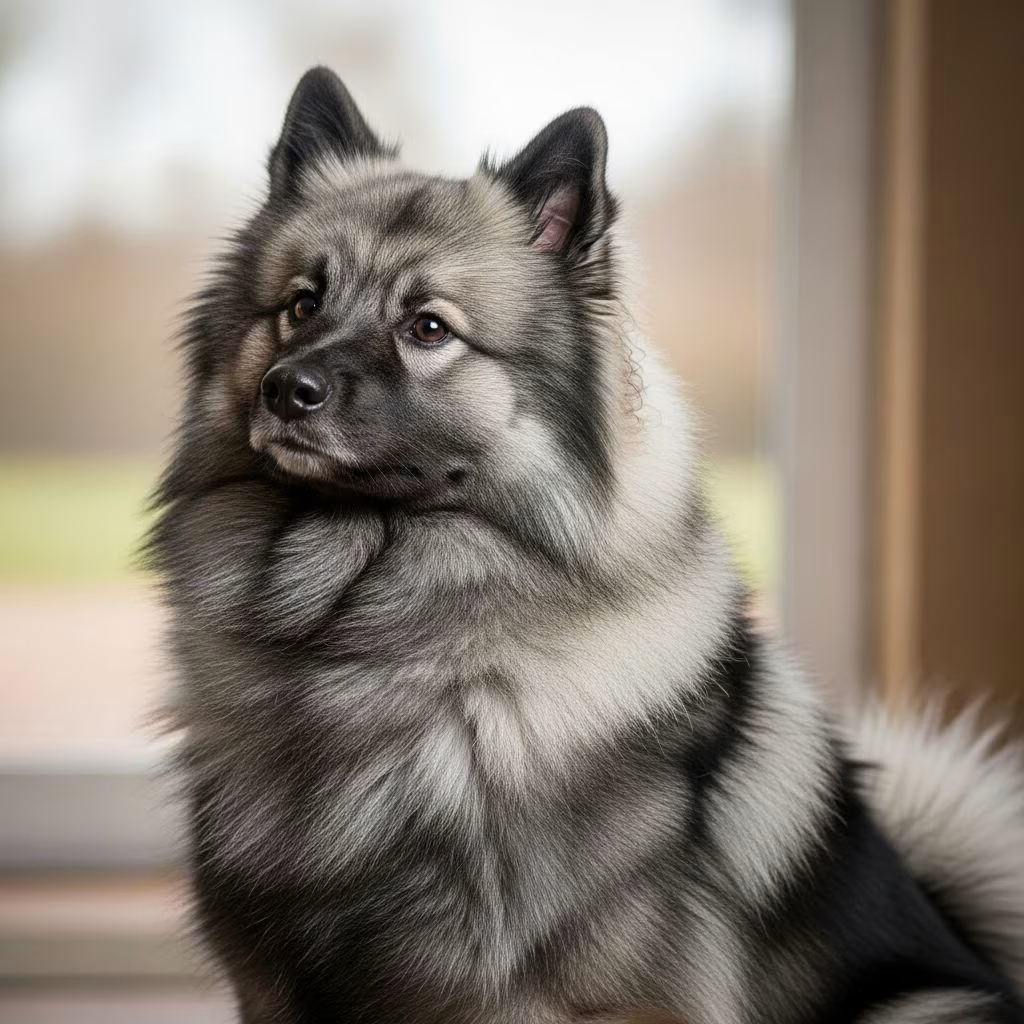
The Keeshond stands out as a medium-sized Spitz breed renowned for its striking fox-like face, plush double coat, and unwavering devotion to family. Originating from the Netherlands, this alert and affectionate dog has evolved from a historic barge sentinel to a beloved household pet, excelling as both a watchful guardian and playful friend.
Ancient Roots and European Evolution
The Keeshond traces its lineage to ancient times, with fossil evidence linking it to Canis Familiaris Palustris from the Neolithic era around 5000 B.C., primarily in northern regions. Experts like Erich Schneider-Leyer connect it to the Samoyed, the foundational Spitz progenitor used by nomadic tribes for herding, sledding, and protection in northwest Asia and Europe. Over centuries, this archetype spread across the continent, adapting to various roles while retaining core traits like a thick, weather-resistant coat and vigilant nature.
By the 18th century in Holland, the breed solidified as a staple on canal barges, farms, and homesteads. Far from pulling loads despite myths, these 18-inch dogs served as vigilant watchdogs, alerting crews to intruders or obstacles along the Rhine and other waterways. Their barking prowess aided navigation, and they formed deep bonds with barge families, entertaining children and guarding property.
Political Symbolism and Near Extinction
The Keeshond’s fame peaked during the late 1700s Dutch Patriot movement against monarchical rule. Leader Cornelis de Gyselaer owned a prominent Keeshond named Kees, whose image adorned rebel pamphlets, making the breed a political icon just before the French Revolution. Post-rebellion suppression led to mass culling of the dogs to avoid rebel associations, plunging the breed into obscurity for over a century.
Survivors persisted among loyal barge operators and farmers who maintained informal breeding records. World Wars further challenged numbers: World War I brought food shortages in Germany, while World War II saw Keeshonden used as message carriers by resistance fighters due to their intelligence and loyalty. A revival began in the early 1900s, spearheaded by figures like Baroness van Hardenbroek in Holland, who collected quality specimens, ensuring the breed’s standards.
Path to Modern Recognition
In the late 19th century, English breeders imported Dutch and German stock, refining the Keeshond into a distinct breed. It reached the United States in the 1920s, with the American Kennel Club (AKC) registering the first in 1930 in the Non-Sporting Group. The Keeshond Club of America formed in 1935, boosting popularity post-World War II through shows, obedience trials, and family appeal. Today, Keeshonden thrive in agility, rally, and therapy roles, particularly aiding children with autism.
Physical Characteristics and Breed Standards
Keeshonden embody Spitz elegance with a sturdy frame weighing 35-45 pounds and standing 16-18 inches at the shoulder. Their hallmark **spectacles**—dark lines framing expressive almond eyes—paired with small, triangular ears and a lion-like ruff around the neck create an alert, foxy expression. The abundant double coat, wolf-gray with black tipping and cream undercoat, sheds seasonally but repels water, resists matting, and insulates against temperature extremes.
| Feature | Description |
|---|---|
| Height | 16-18 inches (males slightly taller) |
| Weight | 35-45 pounds |
| Coat | Thick double coat: harsh outer, soft woolly under |
| Colors | Wolf gray/sable; black, white, other shades historical but not standard |
| Distinct Traits | Spectacles, ruff, plumed tail curled over back |
Males exhibit pronounced ruffs, while females are sleeker. The tail is bushy and carried proudly over the back. This natural coat requires minimal trimming beyond paws and hygiene areas for shows.
Personality and Temperament Traits
Keeshonden are quintessential companion dogs: affectionate, intelligent, and people-oriented. Bred for family life rather than hunting or guarding aggression, they adore children, often becoming gentle playmates with endless patience. Their quick learning makes them stars in obedience and agility, though their cleverness can lead to mischief like unlatching gates if bored.
- Playful and Energetic: High jumping ability and reflexes suit active games; daily exercise prevents restlessness.
- Velcro Dogs: Intensely loyal, shadowing owners and suffering separation anxiety if left alone too long.
- Alert Watchdogs: Vocal barkers announce visitors but rarely aggressive; train early to curb nuisance barking.
- Social Butterflies: Friendly with strangers, other dogs, and pets when socialized properly.
Despite Spitz independence, their eagerness to please fosters strong bonds. They’re adaptable to apartments if exercised, thriving best in homes with yards and family interaction.
Grooming and Daily Care Essentials
The Keeshond’s coat appears high-maintenance but is low-effort: odourless, self-cleaning, and insect-repellent. Brush weekly with a pin brush to remove dead undercoat, increasing to daily during biannual sheds. Bathe sparingly to preserve natural oils; focus on paw trimming for neatness.
Nail trims every 4-6 weeks, ear cleaning weekly, and dental care daily prevent issues. They shed moderately year-round, heavily in spring/fall—invest in a good vacuum. Nutrition requires high-quality kibble for active Spitz breeds, portioned to maintain ideal weight (about 2-3 cups daily, split meals).
Training Strategies for Success
Smart and responsive, Keeshonden excel with positive reinforcement: treats, praise, and short sessions. Start socialization and basic commands (sit, stay, come) at 8 weeks to channel their watchdog instincts constructively. Consistency counters stubborn streaks; crate training aids housebreaking and alone time.
Advanced training unlocks potential in agility, rally, and therapy work. Their sensitivity demands gentle handling—harsh methods backfire. Puppy classes build confidence and manners.
Health Considerations and Lifespan
Keeshonden live 12-15 years with proper care but face breed-specific risks. Responsible breeders screen for hip dysplasia, elbow issues, and patellar luxation via OFA certifications. Cardiac conditions like dilated cardiomyopathy and eye problems (progressive retinal atrophy, cataracts) warrant annual vet checks.
- Epilepsy: Manageable with medication.
- Addison’s Disease: Hormonal imbalance; monitor symptoms.
- Thyroid Issues: Common in Spitz; blood tests detect early.
- Bloat: Feed smaller meals to prevent.
Pet insurance covers diagnostics and treatments, vital for genetic predispositions. Regular exercise, balanced diet, and wellness exams extend vitality.
Ideal Homes and Lifestyle Fit
Best for families with time for companionship, moderate exercise (30-60 minutes daily walks, play), and grooming tolerance. Not ideal for frequent solo confinement or very hot climates due to coat. Excellent for therapy, obedience competitors, and child-inclusive homes.
Adopt from rescues or AKC breeders; puppies cost $1,200-$2,500. Early spay/neuter discussions with vets balance health and behavior.
Frequently Asked Questions
Are Keeshonden good with kids?
Yes, their gentle, playful nature makes them superb child companions, though supervise young kids as with any breed.
Do Keeshonden bark a lot?
They’re vocal watchdogs; training distinguishes alerts from noise.
How often do they shed?
Year-round moderate, heavy biannually—brush regularly.
Can Keeshonden live in apartments?
Yes, with sufficient exercise and mental stimulation.
What’s the best diet for a Keeshond?
High-protein kibble for active breeds; consult vets for portions.
References
- Breed History — Keeshond Club of Canada. Accessed 2026. https://www.keeshondcanada.com/breed-history
- History of the Keeshond — Keeshond Club of America. Accessed 2026. https://www.keeshond.org/history-of-the-keeshond
- The History of the Keeshond — Keeshond Club UK. Accessed 2026. https://keeshondclub.co.uk/the-keeshond/the-history-of-the-keeshond/
- Keeshond — Wikipedia (references primary breed sources). Accessed 2026. https://en.wikipedia.org/wiki/Keeshond
- Keeshond — VCA Animal Hospitals. Accessed 2026. https://vcahospitals.com/know-your-pet/dog-breeds/keeshond
- Keeshond Dog Breed Information — American Kennel Club. 2023-01-01. https://www.akc.org/dog-breeds/keeshond/



