

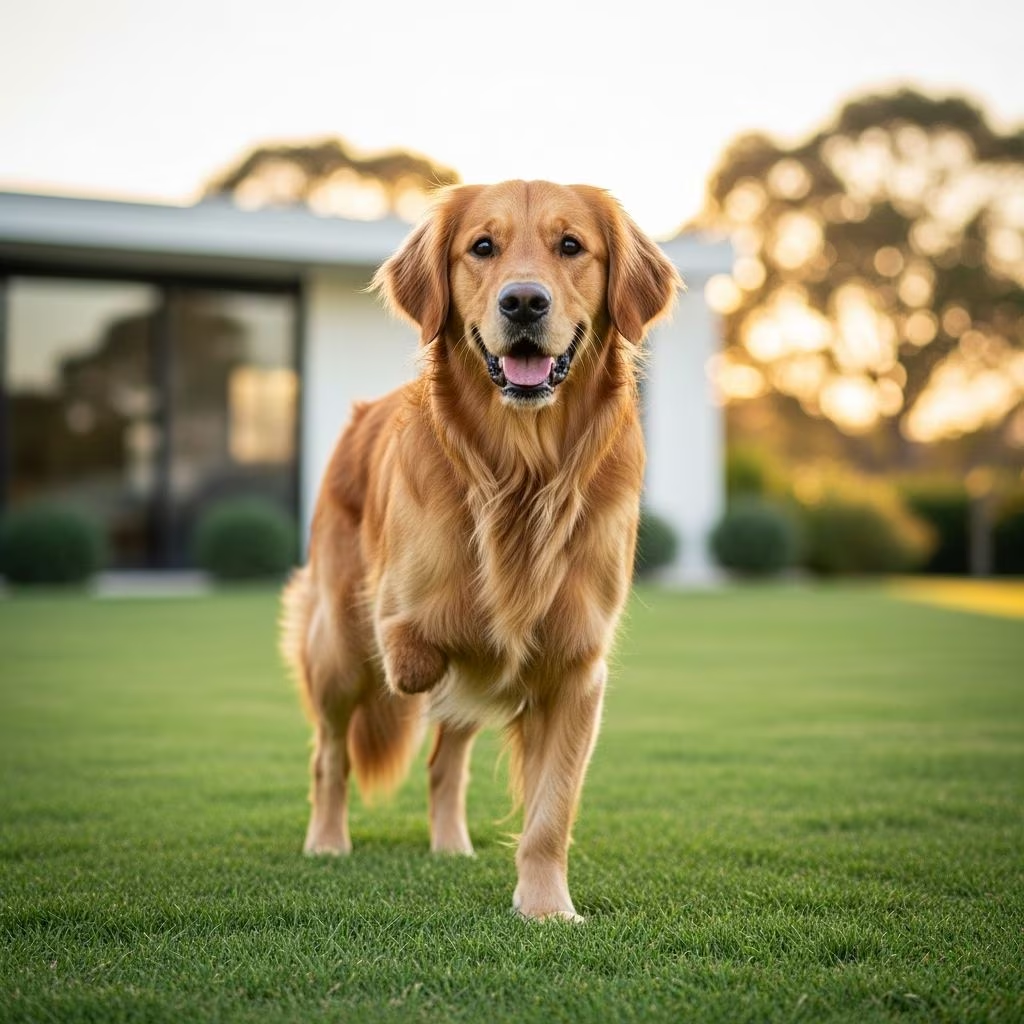
Three-legged dogs, often called tripods or tripawds, can lead full, active lives with the right care. Amputation is frequently performed to alleviate pain from injury, infection, or cancer, allowing dogs to adapt remarkably well. Contrary to common misconceptions, these dogs do not require excessive special accommodations beyond focused health management. Key priorities include preventing obesity, supporting joint health, monitoring paws, providing appropriate exercise, and maintaining regular veterinary oversight. With proactive care, tripods often outlive expectations by staying lean and mobile.
Why Do Dogs Become Three-Legged?
Dogs lose a leg most commonly due to trauma from accidents like car hits or fights, bone cancer (osteosarcoma), severe infections, or irreparable injuries. Amputation becomes a life-saving option when reconstruction fails or risks outweigh benefits. Vets recommend it for quality of life, as dogs redistribute weight effectively post-surgery. Recovery typically takes 10-14 days for incision healing, with full adaptation in weeks. Most tripods hop effortlessly within days, using their remaining legs and core strength.
Weight Management: The Top Priority
**Maintaining an ideal weight is the single most critical factor for three-legged dog health.** Extra pounds exacerbate strain on the remaining limbs, accelerating arthritis, joint degeneration, and injuries. Tripods bear 33% more weight per leg, making leanness essential. Obesity risks include secondary issues like diabetes and reduced lifespan. Owners must resist overfeeding or extra treats out of sympathy—skinny is healthy for tripods.
- Feed **30-50% fewer calories** post-amputation if activity decreases, adjusting based on age, breed, and metabolism.
- Measure food precisely; use puzzle feeders to slow eating and engage mentally.
- Opt for high-quality, low-calorie diets rich in lean proteins and fiber.
- Weigh monthly; body condition score should show visible waist and palpable ribs.
Veterinarians emphasize lean body mass to preserve mobility. Studies confirm overweight tripods develop osteoarthritis faster, but weight control delays it significantly.
Exercise and Physical Therapy
Regular, tailored exercise builds muscle, maintains balance, and prevents atrophy in tripods. Start slow post-recovery with short walks, progressing to moderate activity. Swimming excels as low-impact cardio, strengthening without joint stress—use life jackets for safety. Avoid high jumps or rough play initially to protect shoulders and spine.
- **Daily routine:** 20-30 minute walks split into 2-3 sessions; include hills for core work.
- **Strength training:** Wobble boards, exercise balls, or balance discs 3-5 times weekly for 10 minutes.
- **Hydrotherapy:** Underwater treadmills or pools improve circulation and range of motion.
- Monitor for fatigue; rest if hopping becomes labored.
Physical therapy (PT) is invaluable. Certified therapists assess gait, prescribe stretches, and use massage or laser therapy. Even one session equips owners with home exercises. PT relieves muscle tension, enhances proprioception, and detects issues early. Core-focused activities like belly rubs or peanut butter licks on walls build stability.
Paw and Nail Care
Remaining paws endure extra wear, risking cracks, infections, or slips. Inspect weekly for cuts, swelling, or foreign objects. Trim nails every 3-4 weeks to prevent overgrowth, which alters gait. Shave fur between pads for traction, especially in long-haired breeds.
| Issue | Signs | Prevention/Treatment |
|---|---|---|
| Worn Pads | Cracks, bleeding | Moisturize with vet-approved balms; booties on rough surfaces. |
| Slipping | Falls, hesitation | Grip socks or paw wax; non-slip flooring. |
| Infections | Redness, odor | Clean daily; antibiotics if needed. |
Proactive care averts most problems, keeping your dog sure-footed.
Joint Supplements and Medications
Joint support starts immediately post-amputation to combat heightened osteoarthritis risk. Glucosamine, chondroitin, MSM, and omega-3s (fish oil) reduce inflammation and protect cartilage. Administer daily; effects build over 4-6 weeks.
- **Core stack:** Glucosamine (500-1000mg/50lbs), chondroitin (400-800mg), fish oil (1000mg EPA/DHA per 50lbs).
- **Advanced:** Adequan injections (FDA-approved for OA prevention); twice weekly initially.
- Consult vets for breed-specific dosing; combine with diet for synergy.
These nutraceuticals slow cartilage breakdown, outperforming pain meds alone.
Preventing Elbow Hygromas
Elbow hygromas—fluid-filled swellings from pressure—are common in young tripods lying on hard surfaces. Prevent with orthopedic foam beds elevating elbows. Monitor bony prominences; drain or aspirate if fluid accumulates. Puppies are most vulnerable until calluses form.
Veterinary Care and Monitoring
Bi-annual checkups track arthritis, muscle loss, or spinal issues. X-rays assess joint degeneration; bloodwork monitors organ health. Discuss pain signals like limping or reluctance. Early intervention with NSAIDs or PT preserves function.
- Watch for: Decreased appetite, whining, stiffness, or posture changes.
- Annual dental cleanings prevent infections stressing the body.
Home Environment Modifications
Adapt for safety: Ramps for furniture/cars, non-slip mats, elevated bowls. Secure stairs; baby gates limit access. Orthopedic bedding supports restful sleep.
Emotional and Mental Health
Tripods thrive with routine, socialization, and positive reinforcement. Puzzle toys combat boredom; scent games engage minds. Confidence builds through success—celebrate small wins.
Frequently Asked Questions (FAQs)
Do three-legged dogs need special food?
Yes, calorie-controlled diets prevent obesity. Adjust portions down 20-50% and prioritize joint-friendly formulas with omega-3s.
How much exercise is enough?
30-60 minutes daily, low-impact like walks/swims. Tailor to age/fitness; PT guidance ideal.
Will my tripod develop arthritis?
Higher risk, but prevented with leanness, supplements, and exercise. Adequan excels for prophylaxis.
Can tripods climb stairs?
Most can with support; use harnesses/ramps to ease shoulders.
How long do three-legged dogs live?
Often normal lifespan if managed well; leanness adds years.
References
- PetMD: Caring for Three-Legged Dogs and Cats — PetMD. 2023. https://www.petmd.com/dog/general-health/caring-three-legged-dogs-and-cats-aka-tripawds
- Whole Dog Journal: Taking Care of Three-Legged Dogs — Whole Dog Journal. 2022-05-01. https://www.whole-dog-journal.com/health/taking-care-of-three-legged-dogs/
- Best Friends Animal Society: Three-Legged Dog FAQs — Best Friends Animal Society. 2024. https://bestfriends.org/pet-care-resources/three-legged-dog-and-three-legged-cat-faqs
- Ontario SPCA: Pet Care Tips for Three-Legged Dogs — Ontario SPCA. 2023-08-15. https://ontariospca.ca/blog/pet-care-tips-for-three-legged-dogs/
- Blue Springs Animal Hospital: Living with a Tripod — Blue Springs Animal Hospital. 2023. https://www.bluespringsanimalhospital.com/services/dogs/blog/living-tripod-5-things-you-need-know



