

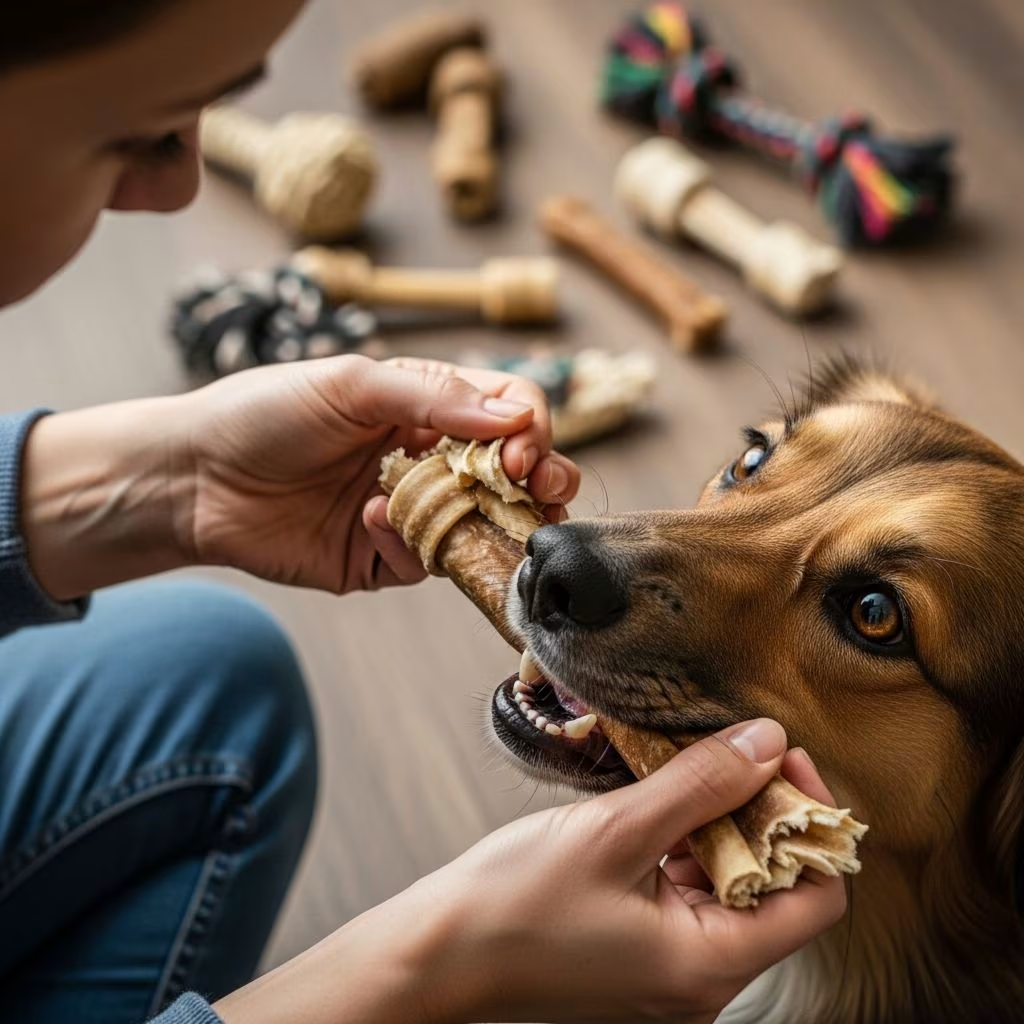
Understanding the Hidden Dangers in Chewy Treats
Dogs love chew treats—they satisfy natural instincts to gnaw, reduce boredom, and can even help with dental health. But not all chewy treats are as innocent as they look. Many popular options contain hidden risks, from choking hazards and intestinal blockages to toxic ingredients and bacterial contamination. The safest way to protect your dog is to understand what can go wrong and how to choose treats that minimize these risks.
Why Chew Treats Can Be Risky
Chew treats are often made from animal by‑products, rendered proteins, fillers, synthetic additives, and preservatives. Some are processed to be extremely hard or long‑lasting, which can be dangerous if your dog bites off large chunks. Others may be contaminated with pathogens like Salmonella or other harmful bacteria, especially if they are imported, underregulated, or improperly stored.
Risks fall into several categories:
- Choking or intestinal obstruction from oversized or rapidly consumed pieces
- Broken teeth or jaw injuries from excessively hard chews
- Ingestion of toxic additives, dyes, or foreign materials
- Foodborne illness or parasitic contamination from raw or low‑quality ingredients
- Excess calories and nutritional imbalance when treats make up too large a portion of the diet
Recognizing Problematic Ingredients and Additives
One of the first steps in protecting your dog is learning how to read labels. Many chew treats are marketed with appealing terms like “natural,” “raw,” or “grain‑free” without clearly disclosing what’s actually in them. Look for visible ingredient lists and avoid products that:
- Feature vague descriptions such as “animal by‑products” or “meat meal” without species specificity
- Contain artificial colors, preservatives, or chemical flavor enhancers
- Use high levels of salt, sugar, or artificial sweeteners that taste good to dogs but harm health over time
- Include unknown or unfamiliar additives (e.g., certain clarifying agents, gums, or synthetic binders)
Instead, prioritize treats that list a specific named protein source (such as beef, chicken, or lamb) near the top of the ingredient list and use minimal, recognizable components.
Choosing the Right Size and Texture
The size and hardness of a chew treat can be just as important as its ingredients. A chew that’s too small for your dog can be swallowed whole, while a chew that’s too hard can crack or wear down teeth. A good rule of thumb is:
- The chew should be large enough that your dog cannot fit the entire piece in their mouth at once.
- It should allow some give when pressed with your fingernail—ingredients that are extremely hard (like some plastic or ultra‑compressed nylon chews) may be too tough for daily use, especially for puppies or dogs with dental issues.
- Avoid products that encourage rapid consumption; ideal chews are meant to be worked on slowly over time.
For dogs with sensitive stomachs, softer, more digestible chews are often safer than dense, ultra‑tough products that may sit in the digestive tract and cause blockages.
Supervise Every Chew and Set Time Limits
Never leave your dog unattended with a chew treat. Even if a chew has been used safely in the past, one unusually hard or brittle batch can pose a risk. Supervision allows you to intervene if your dog tries to swallow a large piece or appears to be struggling with chewing.
Consider setting a fixed chew time:
- Allow 10–20 minutes of focused chewing, then remove the treat and save the remainder for later.
- Discard chews that have become small enough to be swallowed whole or that have frayed edges or sharp pieces.
- Watch for signs of distress such as coughing, gagging, retching, or difficulty swallowing, and remove the chew immediately if you notice any of these.
Watch for Allergic Reactions and Digestive Upset
Some dogs may react to new chews with diarrhea, vomiting, gas, or skin irritation. These can be signs of ingredient intolerance, contamination, or excessive fat content.
- Introduce new chews one at a time and one per week so you can track which product causes a reaction.
- Monitor your dog closely for several hours after the first use.
- If your dog develops vomiting, diarrhea, lethargy, or swollen face, stop the treat and contact your veterinarian.
Dogs with known food sensitivities or skin issues may be especially vulnerable to new protein sources or additives in chews.
Avoid Raw Bones, Sticks, and Unsafe Household Items
While many dogs enjoy raw bones or sticks, these items carry significant risks:
- Raw bones can splinter and cause mouth injuries, esophageal or intestinal perforations, and blockages.
- Sticks and branches may be splintered, chemically treated, or toxic depending on the wood species.
- Household items like leather, rubber bands, or ropes are never appropriate treats and can cause choking or linear foreign‑body obstructions in the intestines.
Always choose chews specifically designed for dogs and manufactured with safety standards in mind.
Prefer Treats from Reputable, Transparent Brands
Quality and sourcing matter. To reduce the risk of contaminated or toxic chews, choose products from companies with clear labeling and traceable supply chains. Look for:
- Clear ingredient and nutritional panels
- Country‑of‑origin information
- Statements about quality control and testing
- Recognition by reputable pet health or veterinary organizations, where available
Brands that voluntarily participate in independent testing or quality assurance programs are generally more trustworthy than those with vague or missing information.
Monitor Calorie Intake and Nutritional Balance
Chew treats can quickly add calories to your dog’s diet, especially long‑lasting or very dense products. Overfeeding can lead to weight gain, gastrointestinal discomfort, and nutrient imbalances.
Consider the following:
- Treats should generally account for no more than about 10% of your dog’s daily caloric intake.
- Be aware that some advertised “dental” or “cleaning” chews are high in calories and fat, even if they claim health benefits.
- Talk to your veterinarian about how to factor chews into your dog’s overall diet plan, especially if your dog is overweight or has metabolic issues.
Know When to Say No to a Chew
Some dogs simply do not tolerate certain types of chews, regardless of how “safe” they appear. It’s important to know when to discontinue a product or avoid certain categories altogether.
Red flags that warrant stopping a chew include:
- Repeated episodes of vomiting, diarrhea, or soft stools after chewing
- Preference for swallowing chunks instead of chewing them slowly
- Dental pain, broken teeth, or reluctance to chew after use
- Strong negative reactions from your veterinarian or pet nutritionist
When in doubt, switch to lower‑risk alternatives such as vet‑recommended dental chews, puzzle toys, or supervised raw, frozen vegetables (if appropriate for your dog).
Safe Alternatives to Risky Chew Treats
You can still support your dog’s chewing instinct without relying on questionable commercial chews. Safer options include:
- Firm rubber or silicone toys designed for aggressive chewers
- Interactive puzzle or treat‑dispensing toys that use your dog’s regular food
- Frozen kong‑style toys filled with food or peanut‑free dog‑safe spreads
- Specific veterinary‑recommended dental chews that meet safety and digestibility standards
These alternatives can provide mental stimulation, help with dental hygiene, and satisfy chewing urges while minimizing the risks associated with questionable chew treats.
Practical Checklist for Choosing Safe Chew Treats
Use this checklist before purchasing any chew treat:
- Ingredient list clearly shows a named protein source and minimal additives.
- Product is sized appropriately for your dog (not small enough to swallow whole).
- Chew has some flexibility or give; extremely hard, rock‑like products are avoided.
- Brand offers transparent sourcing, manufacturing, and quality control information.
- Instructions include supervision and recommended chew duration.
- Chew is not marketed as a “treat” if it’s essentially a toy (rubber or plastic toys should not be eaten).
- Dog has no history of food allergies or gastrointestinal issues that would make this chew risky.
Frequently Asked Questions About Chew Treat Safety
Can chews really be toxic to dogs, or are they just unhealthy?
Some chews can be genuinely toxic if they contain harmful additives, chemicals, or contaminants. Even if they are not immediately toxic, many can still cause digestive upset, blockages, dental injuries, or nutritional imbalances.
How do I know if a chew is too hard for my dog?
If you cannot press your fingernail into the chew without significant effort, it may be too hard. A chew that feels similar to a hard rubber ball or firm nylon bone is usually safer than something that feels like a rock or compressed brick.
Are rawhide chews always dangerous?
Rawhide is controversial because it can swell in the stomach, fragment into large pieces, or contain questionable additives. While not all dogs will have problems with rawhide, many veterinarians prefer chews that are more digestible and less likely to cause blockages.
How often can I give my dog a chew treat?
The frequency depends on your dog’s size, health, and diet. As a general guideline, limit chews so they do not exceed 10% of your dog’s daily calories and avoid giving multiple different chews at the same time. Ask your veterinarian for a tailored recommendation.
What should I do if my dog swallows a large piece of a chew?
If your dog gulps down a large piece of a chew, watch for coughing, gagging, vomiting, loss of appetite, or abdominal pain. Contact your veterinarian immediately if any of these occur, as intestinal obstruction or perforation can be life‑threatening.
Are there safer dental chews available?
Yes. Look for dental chews that are specifically formulated to be both palatable and digestible, with clear ingredient lists and supportive dental research. Many veterinary‑recommended dental products are designed to clean teeth while minimizing the risk of blockages.
When to Contact Your Veterinarian
Reach out to your veterinarian if your dog shows any of the following after chewing a treat:
- Repeated vomiting or inability to keep food down
- Loss of appetite or refusal to drink
- Straining to defecate, bloody stool, or no stool for more than 24 hours
- Abdominal pain, bloating, or restlessness
- Difficulty breathing, coughing, or gagging that doesn’t resolve
Early veterinary intervention can prevent minor incidents from turning into emergencies.
Building a Safer Chew Routine for Your Dog
Protecting your dog from potentially toxic or harmful chew treats isn’t about eliminating chews entirely—it’s about making smarter, more informed choices. Use supervision, ingredient checks, and portion control to turn chew time into a safe, enjoyable part of your dog’s daily routine. With the right products and practices, you can support your dog’s dental health, mental stimulation, and overall well-being without unnecessary risks.
References
- Position Statement on Dog Chews/Treats — ASPCA. Accessed 2024. https://www.aspca.org/about-us/aspca-policy-and-position-statements/position-statement-dog-chewstreats
- The Benefits and Risks of Chew Treats — Today’s Veterinary Practice, peer‑reviewed article. 2024. https://todaysveterinarypractice.com/wp-content/uploads/sites/4/2023/12/TVP-2024-0102_Treats-and-Chews.pdf
- Tips for Safe Handling of Pet Food and Treats — U.S. Food and Drug Administration (FDA). Accessed 2024. https://www.fda.gov/animal-veterinary/animal-health-literacy/tips-safe-handling-pet-food-and-treats
- Understanding Pet Food: Treats and Chews — Association of American Feed Control Officials (AAFCO). https://www.aafco.org/consumers/understanding-pet-food/treats-and-chews/
- Dog Chew Safety Guide & Precautions — BARK Pet Safety Guide. Accessed 2024. https://bark.co/blogs/bark-post/dog-chew-safety-guide-precautions
- A Safe, Healthy Chew Guide for Dog Owners — Los Angeles Times, Companion Animals. 2024. https://www.latimes.com/companion-animals/dogs/care/story/safe-dog-chew-teeth-and-health-guide



