

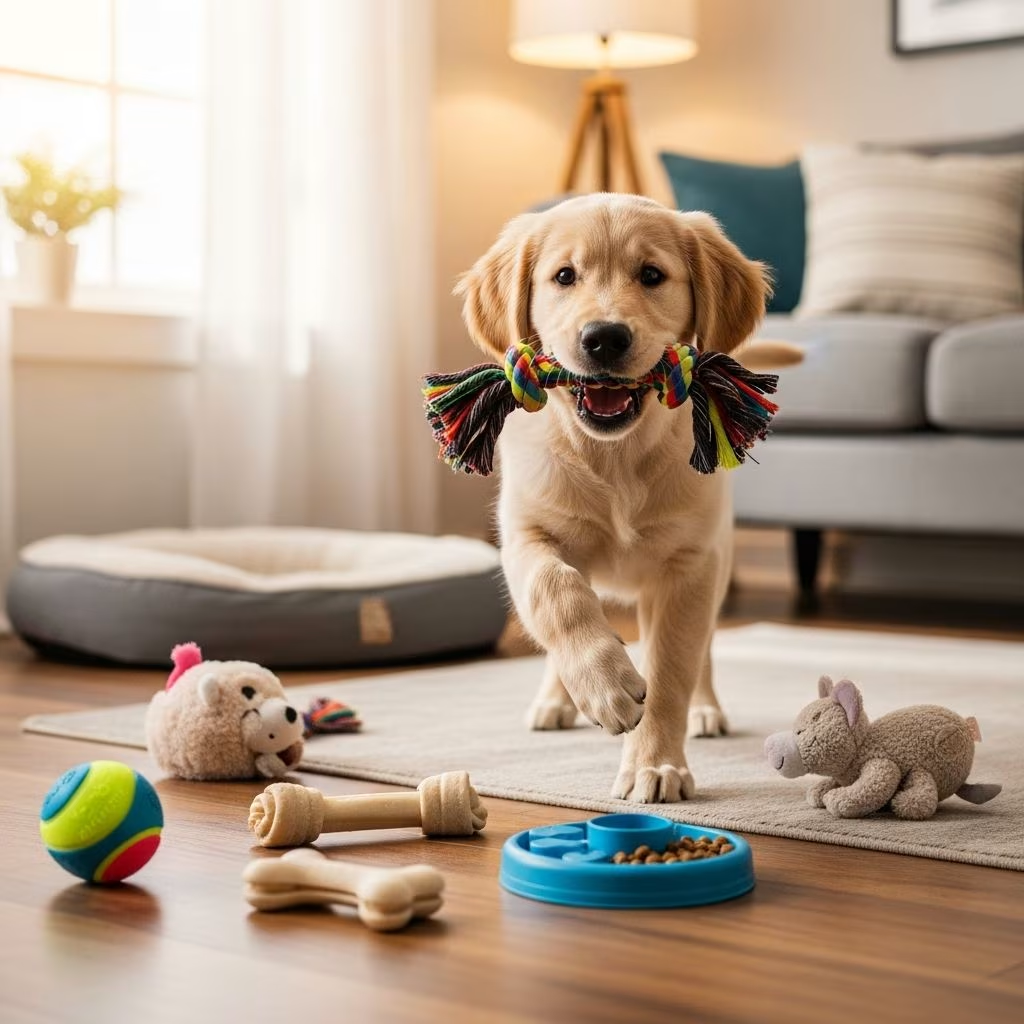
Rainy days, snowy weather, or simply living in an apartment shouldn’t mean your puppy misses out on enrichment and exercise. Young dogs have boundless energy and curiosity, making them ideal candidates for structured indoor activities that challenge both their minds and bodies. Whether you’re dealing with extreme weather conditions or limited outdoor space, there are numerous ways to keep your growing pup mentally stimulated, physically active, and learning valuable skills without stepping outside.
Indoor entertainment for puppies serves multiple purposes beyond simple amusement. These activities help develop focus and concentration, reinforce obedience commands, burn excess energy that might otherwise lead to destructive behavior, and strengthen the bond between you and your pet. The key is understanding which activities work best for your puppy’s age, size, and temperament, then rotating through different options to maintain novelty and interest.
Building Confidence Through Training-Based Play
One of the most effective ways to entertain puppies indoors is to combine play with training exercises. This approach serves dual purposes: your puppy has fun while simultaneously learning important behavioral skills. Training-based activities are particularly valuable for young dogs because they engage the brain intensely, which is often more tiring than physical exercise alone.
Foundational Obedience Games
Start with basic commands that form the foundation of good behavior. The “sit” command is typically the easiest for puppies to learn and provides an excellent starting point for indoor training sessions. Once your puppy masters sitting, you can layer in other fundamental commands like “stay,” “come,” and “down.”
The “stay” command deserves special attention for indoor environments. Begin by asking your puppy to sit, then introduce the verbal cue “stay” while keeping sessions brief—even just five to ten seconds. Gradually extend the duration as your puppy improves. Eventually, you can progress to advanced variations where you create distractions around your puppy while they maintain their position. This might include opening doors, moving around the room, or having family members walk nearby. This type of training builds incredible self-control and focus.
The “come” command is essential for recall and becomes particularly valuable when transitioning outdoor adventures eventually. Practice this indoors by calling your puppy and immediately rewarding them when they respond. Vary your rewards to keep the game interesting—sometimes offer multiple treats in succession, sometimes offer a favorite toy, and occasionally follow through with a play session. This unpredictability keeps puppies engaged and reinforces that coming when called is always rewarding.
Scent-Based Search Games
Puppies are naturally driven to use their noses, making scent work an ideal indoor activity. Hide and seek games with treats tap into this instinct while providing mental stimulation. Begin with highly aromatic treats like freeze-dried liver or small pieces of cheese. Toss the treat near your puppy and say “find it,” establishing a connection between the command and the activity. As your puppy grasps the concept, gradually increase difficulty by placing treats in less obvious locations or even hiding them in separate rooms.
This activity doesn’t require special equipment. You can use household items as hiding spots—under cushions, inside cardboard boxes, or wrapped in towels. The mental effort required to locate hidden treats exercises your puppy’s brain intensely and can tire them more effectively than physical activity alone.
Physical Challenges for Growing Bodies
While mental stimulation is crucial, puppies also need physical activity to develop muscle strength, coordination, and cardiovascular fitness. Indoor obstacle courses and movement exercises accommodate these needs without requiring outdoor space.
DIY Agility and Obstacle Courses
Creating an indoor agility course requires minimal equipment. Simple setups can include weaving between chairs or water bottles, jumping over rolled towels or blankets, crawling under tables, or walking across cushions placed on the floor. These activities improve your puppy’s body awareness, balance, and confidence while providing excellent physical conditioning.
For jumping exercises, keep movements low to prevent impact injuries on hard flooring. A wooden dowel balanced between two chair seats creates a safe low jump. Teach your puppy to navigate these obstacles at their own pace—rushing or forcing participation can create negative associations with training.
Agility training also provides opportunities to reinforce commands. Ask your puppy to “sit” before entering the obstacle course, reward them for completing each element, and use “good” or “yes” as they navigate successfully. This combination of physical challenge and mental engagement provides comprehensive enrichment.
Balance and Coordination Development
Balance exercises, whether using specialized balance discs or improvised equipment like overturned bowls on carpeting, help puppies develop core strength and stability. Start by teaching your puppy to place their front paws onto the unstable surface, rewarding each successful placement. Gradually progress to having them maintain balance for longer periods or place all four paws on the surface.
These exercises are particularly valuable for puppies that may need help developing strength or coordination. The inherent instability forces engagement of stabilizer muscles throughout the body.
Interactive Games and Toy-Based Activities
Traditional games adapted for indoor play remain valuable entertainment options. These activities maintain the puppy-human bond while providing physical activity and reinforcing behavioral expectations.
Indoor Fetch and Retrieval
Fetch can be successfully played indoors using soft toys or balls in hallways or open rooms. Keep sessions brief and provide multiple breaks to prevent overexertion. Transform basic fetch into a training opportunity by requiring your puppy to perform a trick—such as sitting or lying down—before you toss the toy again. This adds mental complexity to the physical activity.
Tug-of-War with Purpose
Many people avoid tug games out of concern about encouraging aggression, but this game actually provides valuable training opportunities when structured appropriately. Use soft toys or rope toys designed for this purpose. During play, introduce commands like “give” or “release,” rewarding your puppy when they relinquish the toy. This teaches them to accept your authority while still enjoying the game.
Tug-of-war also provides an outlet for natural puppy urges to grab, shake, and hold objects, channeling these instincts appropriately rather than suppressing them entirely.
Mental Enrichment Without Active Play
Some of the best indoor activities for puppies require minimal human involvement, making them ideal for times when you need your dog to entertain themselves independently.
Food-Dispensing Toys and Puzzle Mats
Snuffle mats and puzzle toys transform mealtime into an enrichment activity. These products feature multiple pockets, folds, or compartments where you can hide small portions of kibble or treats. Your puppy must investigate, dig, and problem-solve to extract the hidden food. This activity simultaneously addresses hunger, provides mental stimulation, and slows eating pace for puppies prone to gulping food quickly.
Stuffed Kongs and similar toys offer similar benefits. Fill them with wet food, peanut butter, or meat broth, then freeze for extended entertainment. A frozen Kong can keep a puppy engaged for extended periods, providing a constructive outlet for their natural chewing drives.
Specialized Enrichment Products
Various commercial products support indoor enrichment. Dog-safe bubbles can create an engaging chase game with minimal effort on your part. Window watching, particularly if positioned near bird feeders or outdoor activity, provides visual stimulation for some puppies. Some puppies find educational videos designed for dogs (sometimes called DogTV) engaging, though individual preferences vary considerably.
Behavioral Training Through Indoor Sessions
Indoor confinement provides ideal conditions for addressing specific behavioral concerns and developing good habits.
Doorbell Manners
Puppies often react excessively to doorbell sounds and visitors. Indoor training can establish appropriate responses. Begin by teaching your puppy a “place” command, establishing a specific location where they should go when the doorbell rings. Practice with someone familiar inside the house creating the doorbell sound. Once your puppy reliably goes to their place in response to the bell, progress to having that person actually enter while your puppy remains in place.
Gradually introduce new people to ring the doorbell while your puppy maintains their position. This systematic approach prevents the frustration of uncontrolled visitor greetings while establishing an appropriate alternative behavior.
Teaching Impulse Control
Indoor environments offer controlled settings for teaching impulse control exercises. One effective method involves teaching your puppy that interesting things only happen when they’re calm and focused on you. Practice basic attention games where your puppy learns that looking at you results in rewards. This foundation supports later training and improves overall obedience.
Creating Effective Indoor Training Routines
Success with indoor puppy activities depends on consistent, well-structured routines. Short training sessions—five to fifteen minutes—prevent boredom and overexertion while maintaining focus.
Session Structure
Begin each session with a warm-up period of light play or easy commands. Introduce the primary training element or activity during the puppy’s peak focus period, typically early in the session. Conclude with a cool-down involving familiar, easy activities that end on a positive note.
Variety and Progression
Rotate through different activities to maintain novelty and engagement. What fascinates a puppy today might bore them tomorrow, so having multiple options ensures continued interest. Additionally, gradually increase difficulty as your puppy masters basic versions of activities. This provides ongoing challenge and prevents plateaus in learning.
Adapting Activities to Your Living Space
Whether you live in a large house or a small apartment, indoor activities can be tailored to available space. Apartments require creative use of hallways, limited hallway courses using furniture as markers, and quieter activities that won’t disturb neighbors. Larger homes allow more expansive agility courses, larger movement areas, and more dynamic games.
When Indoor Days Are Frequent
Some situations—puppies with incomplete vaccination records, extreme weather conditions, or health concerns—may require extended periods of indoor-only living. During these times, establishing reliable routines becomes even more important. Create a schedule that family members or pet sitters can follow, ensuring your puppy receives consistent stimulation and exercise even when you’re unavailable.
Frequently Asked Questions
How much daily indoor exercise does a puppy need?
Requirements vary by age and breed, but puppies generally need fifteen to thirty minutes of active play or training per session, distributed throughout the day. Mental stimulation through training typically provides more benefit than extended physical activity for young dogs.
Can indoor activities prevent destructive behavior?
Yes. Puppies that receive adequate mental and physical stimulation through structured activities are significantly less likely to develop destructive behaviors like excessive chewing or furniture damage. Boredom is a primary driver of problematic behavior, so enrichment directly addresses this cause.
Are there safety concerns with indoor agility training?
Slippery flooring can increase injury risk during jumping or rapid directional changes. Use mats or train on carpeted areas when possible. Keep obstacles low for young or large-breed puppies to prevent joint stress. Always supervise agility training and stop immediately if your puppy shows signs of discomfort or fatigue.
How often should I rotate activities?
Changing activities weekly or biweekly helps maintain interest, though individual puppies vary. Some need more frequent changes while others happily repeat favorite games. Observe your puppy’s engagement level and adjust rotation frequency accordingly.
Can I combine multiple activities in one session?
Absolutely. A well-rounded indoor session might include five minutes of obedience training, ten minutes of physical activity like an obstacle course, five minutes of scent games, and quiet time with a food-dispensing toy. This variety addresses multiple needs within a reasonable timeframe.
Conclusion
Indoor activities provide far more than simple entertainment for puppies—they build confidence, reinforce training, develop coordination, and create positive associations with learning. Whether dealing with temporary weather challenges or permanent apartment living, the activities outlined here provide comprehensive enrichment that supports your puppy’s physical and behavioral development while strengthening your relationship with your growing pet.
References
- McCann Dog Training — YouTube. 2025-07-26. https://www.youtube.com/watch?v=jpovngjmlSg
- Indoor Dog Activities & Training Tips for Your Pup — PetSmart Learning Center. https://www.petsmart.com/learning-center/dog-care/indoor-dog-activities-and-training-tips-for-your-pup/A0138.html
- 23 Ways to Entertain Your Dog Indoors — Anthem Pets Animal Rescue. https://www.anthempets.org/23-ways-to-entertain-your-dog-indoors/
- 20 Indoor Dog Activities to Get Your Pup Adventure Ready — Long Haul Trekkers. https://longhaultrekkers.com/indoor-dog-activities/
- Indoor Enrichment Ideas for Dogs: Keep Your Pup Entertained — Guide Dogs for the Blind. https://www.guidedogs.com/blog/indoor-enrichment-ideas
- Indoor Activities for Dogs with Cabin Fever — Animal Humane Society. https://www.animalhumanesociety.org/resource/indoor-activities-dogs-cabin-fever



