Keeping Two or More Dwarf Hamsters: A Complete Guide
Learn how to successfully pair and house multiple dwarf hamsters with proper care strategies.
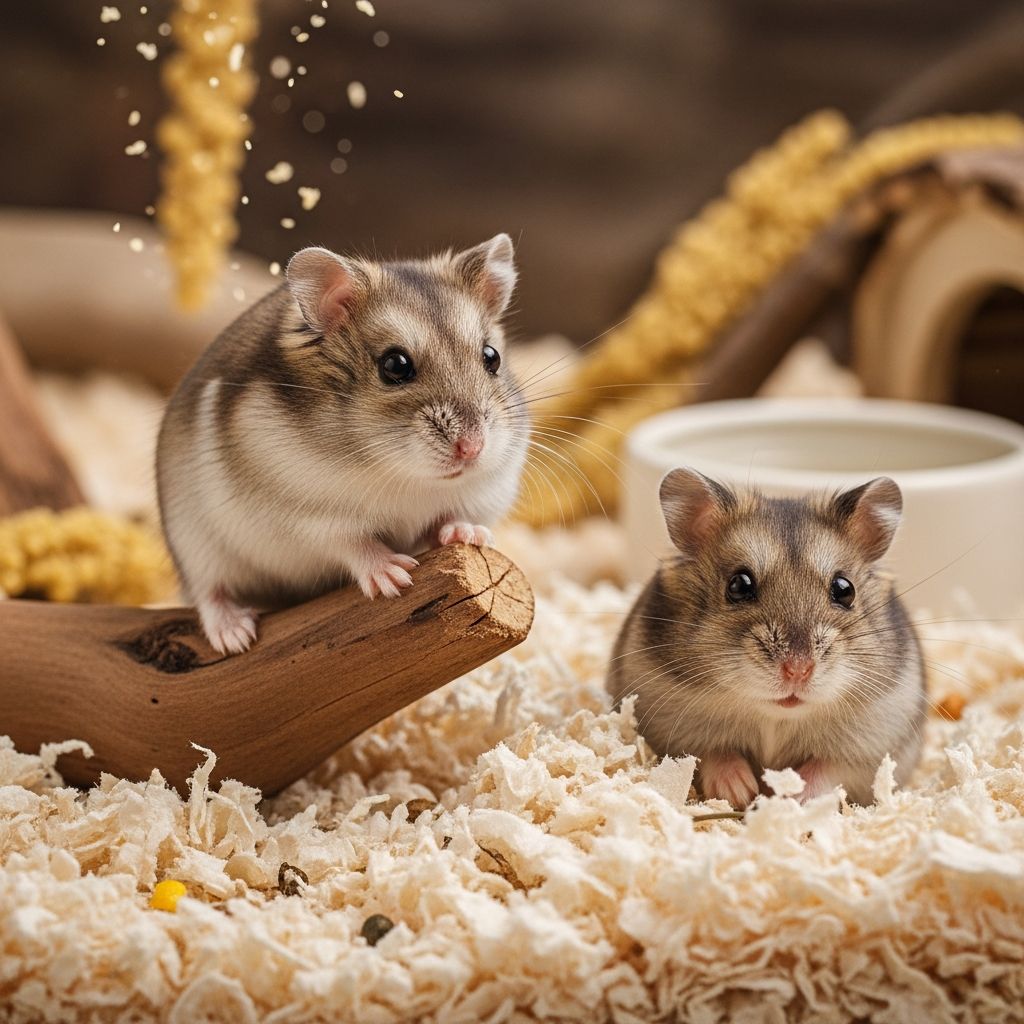
Understanding Dwarf Hamster Social Behavior
Dwarf hamsters possess a naturally social temperament that distinguishes them from their larger Syrian counterparts. Unlike Syrian hamsters, which are solitary and territorial, dwarf hamsters demonstrate a preference for companionship and tend to thrive when housed with compatible cagemates. These diminutive rodents form strong bonds with their companions over time, often maintaining these relationships throughout their entire lives. When dwarf hamsters live with a cagemate, they frequently display increased friendliness not only toward their cage companion but also toward their human caretakers, suggesting that social interaction with other hamsters may enhance their overall behavioral disposition.
The social nature of dwarf hamsters makes them ideal candidates for multi-hamster households when proper precautions are taken. However, it is crucial to understand that successful cohabitation requires careful planning, appropriate housing, and ongoing monitoring. While their social inclination makes pairing possible, dwarf hamsters remain territorial animals that can become aggressive under certain circumstances.
The Importance of Same-Sex Pairing
One of the most critical decisions when housing multiple dwarf hamsters is determining the sex composition of your group. Same-sex pairs are strongly recommended for several important reasons. Getting a mixed-sex pair can lead to unwanted pregnancy, which creates a cascade of problems including the need to separate the pair permanently and purchase multiple new cages to house baby hamsters in same-sex pairs or groups.
If you have a mixed-sex pair, you may consider spaying or neutering; however, these procedures are only recommended if absolutely necessary for a health condition that threatens the hamster’s life. The complications and costs associated with these surgical procedures typically outweigh the benefits for pet hamsters.
Optimal Timing for Pairing Dwarf Hamsters
The age at which you introduce dwarf hamsters to each other significantly impacts the success of their cohabitation. Pairs should ideally be introduced when both hamsters are young, preferably when each hamster is less than 2 months old. Dwarf hamsters do not welcome intruders, so pairing must be done carefully during this critical developmental window.
Littermates and Early Pairing Benefits: Littermates or those paired closer to 1 month of age may get along even better, making this the ideal scenario for pet owners. When possible, purchase a dwarf pair together from the same breeder or from the same cage. This shared history and familiar scent significantly reduce the likelihood of aggressive encounters.
Pairing Dwarf Hamsters from Different Sources
If you must purchase your dwarf hamsters from different sources, successful introduction is still achievable with the proper approach. The key is selecting hamsters that have already lived with cagemates, as this prior social experience increases their likelihood of accepting a new companion.
Step-by-Step Introduction Process
When introducing dwarf hamsters from different sources, follow these guidelines for the best outcome:
Initial Assessment: Only purchase a hamster that has been living with cagemates previously. The longer a dwarf hamster has been on its own, the less likely it is to accept a cagemate. Solitary hamsters may have become too set in their ways to adapt to group living.
Neutral Territory Introduction: Introduce the pair on neutral territory and in low-light conditions. Plentiful light can paradoxically lead to aggression, so consider dimming the lights or conducting the introduction in a naturally lit area away from bright artificial lights. Put hiding places in the meeting area and be ready to intervene if necessary. Make sure that the hiding places have multiple openings so one hamster cannot be trapped by another.
Timing and Observation: When possible, pair the dwarf hamsters on a morning when you will be home most of the day to observe their interactions. Continue to monitor them to ensure that their interactions are normal and neither hamster appears unduly stressed. Expect some noise and squeaking—this is part of their normal interaction and communication.
Health Check: Check their undersides for hamster bites after introduction. If you find bites, wash these carefully and monitor them for inflammation. If the bites don’t get better within a few days, contact your veterinarian immediately.
Preventing Conflicts Between Paired Hamsters
Even with careful pairing or with littermates, dwarf hamsters may not get along throughout their entire lives. Disagreements occur in a minority of cases, but when they arise, the hamsters must be separated to prevent serious injury or death.
Housing Considerations for Multiple Hamsters
To minimize problems and promote harmony, provide as large a hamster cage as possible—more space tends to reduce possible animosity. The cage size becomes increasingly important when housing multiple hamsters, as territorial disputes often arise from cramped quarters and resource competition.
Essential Resources for Paired Hamsters:
When housing multiple dwarf hamsters together, ensure you provide duplicates of all essential items:
– Two exercise wheels (essential for adequate exercise opportunities for both hamsters)
– Two food bowls to minimize competition during feeding
– Two water bottles or water dishes
– Two or more hiding places so each dwarf hamster has a retreat if it needs time alone
– Multiple toys and enrichment items to prevent boredom and territorial disputes
The provision of multiple resources cannot be overstated. Hamsters use odours, including pheromones, to communicate, and resource scarcity can lead to heightened territorial behavior and aggression.
Critical Age Considerations
One of the highest risk times for paired dwarf hamsters is from the age of 5 to 8 weeks when a hamster rapidly grows and matures. At this time, a previously harmonious pair of dwarves may discover difficulties that they may or may not be able to work out themselves. During this developmental period, hormonal changes and the establishment of dominance hierarchies can lead to sudden conflicts. Maintain heightened vigilance during these weeks and be prepared to separate the hamsters if necessary.
Monitoring Your Dwarf Hamsters for Signs of Stress
Once dwarf hamsters are paired, continue to monitor them regularly for any signs of stress or aggression. Fighting between cage-mates is likely to happen during the night when hamsters are most active. Always check your hamsters in the morning to ensure that one or the other is not badly injured and needing veterinary attention.
Signs of Serious Conflict: If you observe significant wounds, excessive stress behaviors, or one hamster appearing withdrawn or lethargic, these are indicators that separation may be necessary. Hamsters don’t play-fight, so any signs of a fight should be taken seriously and addressed immediately.
When a Hamster in a Pair Passes Away
If death claims one hamster in a pair, it can be risky to introduce a new dwarf mate. Should you choose to introduce a new dwarf, do so with care and follow the same introduction protocols used for hamsters from different sources. The grieving hamster may be more territorial or less accepting of a new companion.
Supporting a Bereaved Hamster: To help a dwarf hamster deal with the loss of a cagemate, offer it new toys, spend extra time interacting with it, and watch that it eats enough. If you notice signs of lethargy, set up a playpen or other recreation area for playtime to keep your dwarf alert and interested in its environment. Mental stimulation becomes especially important during this adjustment period.
Special Considerations for Hamster Housing
When housing multiple pairs in the same room, keep the male cages away from the female cages. Close proximity of the opposite sex can cause stress, particularly when females are in season. Females produce potent pheromones during their reproductive cycle, which can cause frustration and stress in nearby males.
Environmental Management: Ensure that hamsters in separate cages cannot see each other, as this visual proximity can trigger territorial behaviors and stress. Provide adequate spacing between cages and consider using dividers or screens to create visual barriers.
Is Group Housing (Three or More) Recommended?
While dwarf hamsters can potentially be housed in pairs, groups of three or more are generally not recommended for pet owners. Owning just a pair is preferable for pets because adding more than two increases the chances for disagreements and conflicts. The more individuals you add to a housing situation, the more complex their social dynamics become and the greater the potential for aggression.
If you do choose to group three or more dwarfs, the same rules that apply to pairs also apply to groups: young age of introduction, same-sex composition, littermates or familiar companions, multiple resources, and careful monitoring. However, the increased complexity and higher failure rate make this option suitable only for experienced hamster keepers.
Preparing for Potential Separation
It is wise to have a spare large suitable hamster cage on hand at all times if you keep dwarves together. This preparedness allows you to separate the hamsters quickly if aggression develops, ensuring you can provide immediate care without the stress of having to rush to acquire a new enclosure. A hamster suffering from stress or injury cannot wait while you shop for cage equipment.
Frequently Asked Questions
Q: Can dwarf hamsters live alone, or do they need a companion?
A: Dwarf hamsters can live alone and do not necessarily need a companion to be happy. While they are more social than other hamster species, solo living is a viable option. Some dwarf hamsters may actually prefer solitude. If you choose to keep them alone, ensure they receive adequate enrichment, toys, and interaction with you to maintain their wellbeing.
Q: What’s the difference between dwarf hamsters and other hamster species regarding sociability?
A: Syrian and Chinese hamsters are solitary and territorial and should always live alone. Dwarf hamsters are more naturally sociable and can sometimes live successfully in pairs or small groups, though even they don’t require companionship. This fundamental difference in temperament is crucial when deciding on housing arrangements.
Q: What should I do if my paired dwarf hamsters start fighting?
A: If fighting occurs, you must permanently separate your hamsters into different cages immediately. Do not attempt to reintroduce them, as they will likely fight again. Have a spare cage ready and keep the hamsters in separate enclosures going forward. Monitor wounds carefully and contact a veterinarian if injuries appear serious.
Q: How large should the cage be for two dwarf hamsters?
A: The larger the cage, the better. Minimum cage requirements differ by species and organization, but generally, larger enclosures reduce territorial aggression. Many experienced keepers recommend at least 40-50 gallons of usable floor space per hamster, with adequate vertical space for enrichment.
Q: Can I house a male and female dwarf hamster pair together?
A: While technically possible, mixed-sex pairs are not recommended for pet owners due to the risk of unwanted breeding. If breeding occurs, you’ll need to permanently separate the pair and find homes for numerous babies. Unless you plan to breed hamsters and have proper facilities, stick with same-sex pairs.
Q: What enrichment items do I need for paired dwarf hamsters?
A: Provide multiple wheels, hideouts, toys, clean hay, shredded paper, and pieces of tissue. Each hamster should have access to its own enrichment items, with duplicates of essential resources like wheels and hiding places to prevent competition and territorial disputes.
References
- Keeping Two or More Dwarf Hamsters — Chewy. 2024. https://www.chewy.com/education/small-pet/hamster/keeping-two-or-more-dwarf-hamsters
- Keeping Hamsters Together — RSPCA. 2024. https://www.rspca.org.uk/adviceandwelfare/pets/rodents/hamsters/company
- Pairing Dwarf Hamsters — California Hamster Association. 2024. https://californiahamsterassociation.com/care-articles/f/pairing-dwarf-hamsters
- Can hamsters live together? — Supreme Petfoods. 2024. https://supremepetfoods.com/blog/which-hamsters-can-live-together/
Similar Articles








Read full bio of Sneha Tete