

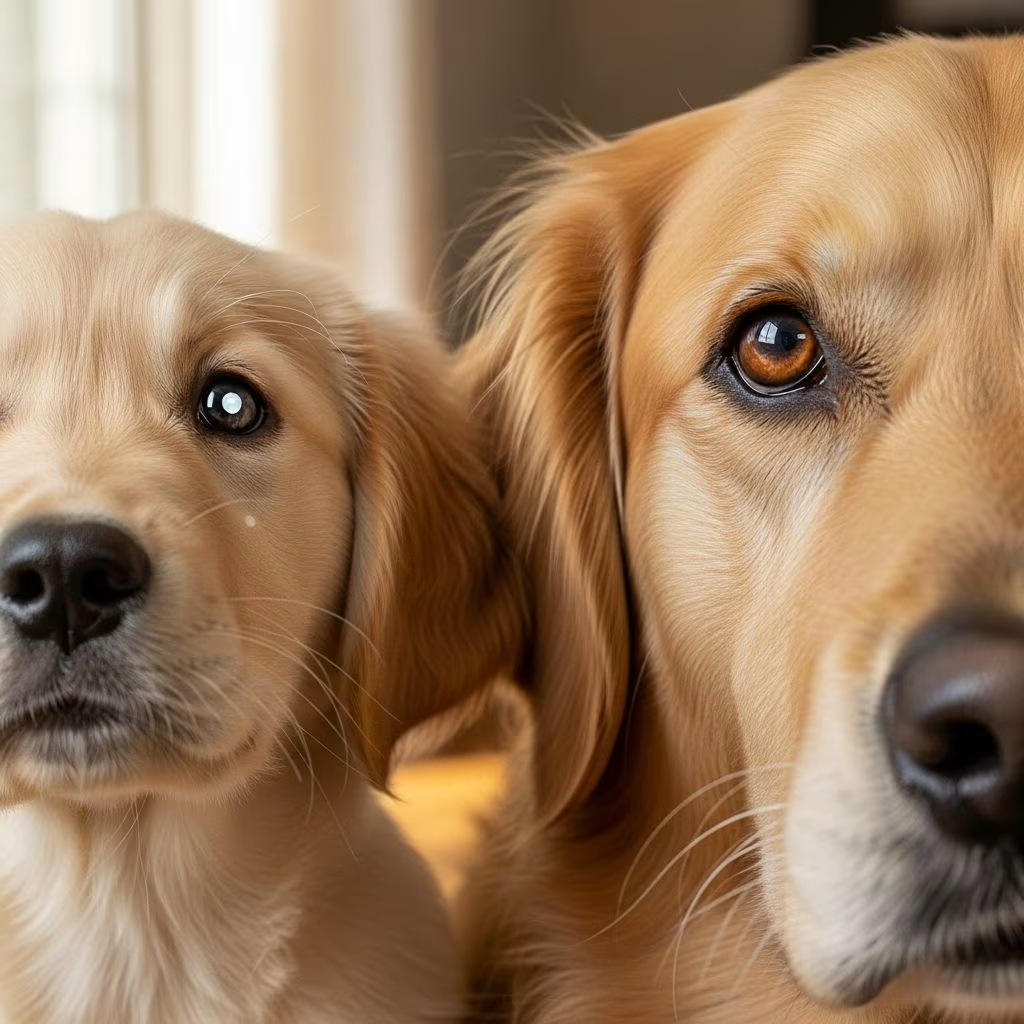
Dogs rely on their keen senses, including sharp vision, to navigate the world. Maintaining clear, bright eyes is crucial for your puppy or dog’s overall health and happiness. Healthy eyes allow them to play, explore, and bond with you through those irresistible “puppy dog eyes.” This comprehensive guide covers anatomy, daily care, common problems, breed predispositions, prevention strategies, and treatment options to help you keep your canine companion’s eyes in top condition.
Understanding Dog Eye Anatomy
Dogs’ eyes differ from human eyes in structure and function, adapted for their predatory and pack-living history. Key components include:
- Cornea: The clear outer layer that protects the eye and helps focus light.
- Sclera: The white outer layer; changes in color like yellowing or redness signal health issues.
- Iris and Pupil: Control light entry; dogs have a reflective tapetum lucidum behind the retina for better night vision.
- Third Eyelid: A protective membrane in the inner corner that keeps eyes moist and shields from debris.
- Tear Glands: Produce tears for lubrication and flushing irritants.
These features give dogs superior motion detection and low-light vision but make them prone to certain issues like dry eye or injuries.
Signs of Healthy Dog Eyes vs. Problems
Normal dog eyes are clear, bright, and free of excessive discharge. A small amount of clear mucus in the corners is typical, especially after sleep. Healthy indicators include:
- Clear cornea with no cloudiness.
- Moist surface without squinting or rubbing.
- Normal pupil size and response to light.
- White sclera without redness or yellowing.
Watch for trouble signs like heavy discharge, redness, swelling, cloudiness, pawing at eyes, or vision changes such as bumping into objects. Early detection prevents serious issues.
Daily Eye Care Routine for Puppies and Dogs
Consistent care keeps eyes clear. Follow this routine:
- Gentle Cleaning: Use a soft, damp cloth or vet-approved saline solution to wipe from inner to outer eye corner daily, removing crust or debris. Avoid cotton balls that leave fibers.
- Check Fur Around Eyes: Trim long facial hair in breeds like Shih Tzus to prevent irritation.
- Protect During Activities: Use dog goggles for dusty, windy, or high-risk environments like boating or hiking.
- Monitor Diet: Feed omega-3 rich foods (fish oil) to support tear production and reduce inflammation.
For puppies, start gentle handling early to acclimate them. Always use lukewarm water and never apply pressure.
Common Eye Problems in Dogs
Dogs face various eye disorders, some breed-specific. Here’s a breakdown:
| Condition | Symptoms | Causes | Treatment |
|---|---|---|---|
| Conjunctivitis (Pink Eye) | Redness, discharge, swelling | Infection, allergies, irritants | Antibiotic drops, compresses |
| Dry Eye (KCS) | Thick discharge, squinting, dull cornea | Low tear production | Artificial tears, cyclosporine drops |
| Cataracts | Cloudy lens, vision loss | Age, genetics, diabetes | Surgery for advanced cases |
| Glaucoma | Painful, bulging eyes, vision loss | Fluid buildup | Medications, surgery |
| Corneal Ulcers | Pain, squinting, blue haze | Injury, dry eye | Antibiotics, cone collar |
| Cherry Eye | Red mass in corner | Third eyelid prolapse | Surgical replacement |
These conditions can lead to blindness if untreated. Conjunctivitis and dry eye are most common in everyday cases.
Dog Breeds Prone to Eye Problems
Brachycephalic (short-nosed) breeds suffer most due to prominent eyes and poor eyelid coverage. High-risk breeds include:
- Pugs, French Bulldogs, English Bulldogs (brachycephalic ocular syndrome).
- Shih Tzu, Pekingese, Boston Terriers (corneal ulcers).
- American Cocker Spaniel, Lhasa Apso, West Highland White Terrier (dry eye).
- Bullmastiffs, Boston Terriers (entropion/ectropion).
Long-haired or flat-faced dogs need extra vigilance. Regular trims and monitoring prevent many issues.
Dog Eye Discharge: Types and What They Mean
Discharge varies by color and consistency:
- Clear/Watery: Normal or allergies; mild concern.
- Mucus/Yellow: Infection or dry eye.
- Thick Green: Bacterial infection; urgent vet visit.
- Rusty/Brown: Porphyrin from tears in light breeds; cosmetic but check for ulcers.
Clean gently with compresses. Persistent discharge warrants a vet exam.
Preventing Eye Problems in Dogs
Proactive steps reduce risks:
- Avoid Hazards: Keep away from smoke, chemicals, dust, and rough play with aggressive dogs.
- Vaccinations & Parasite Control: Prevent infections and tick-borne diseases affecting eyes.
- Regular Vet Checkups: Annual exams catch issues early; more frequent for at-risk breeds.
- Healthy Lifestyle: Balanced diet, exercise prevent diabetes-linked cataracts.
- Home Safety: Secure sharp objects; supervise puppies.
Age impacts vision: Nuclear sclerosis causes harmless cloudiness in seniors, unlike cataracts.
Treating Dog Eye Infections and Injuries
Most infections are secondary to other issues like allergies or dry eye. Vet treatments include:
- Topical Antibiotics/Steroids: Drops or ointments for bacteria/inflammation.
- Warm Compresses: Soothe swelling and clean discharge.
- Cone Collar (E-Collar): Prevents rubbing; essential for ulcers.
- Surgery: For cherry eye, entropion, or glaucoma.
Address root causes like KCS or allergies for long-term relief. Never use human meds.
When to See a Vet Urgently
Seek immediate care for:
- Sudden squinting, redness, or cloudiness.
- Heavy/painful discharge, vision changes (bumping objects).
- Bulging eyes, blue cornea, or prolapse.
- Any injury or trauma.
Early intervention saves vision. Vets may use fluorescein dye for ulcers or measure tear production.
Frequently Asked Questions (FAQs)
Can I clean my dog’s eyes at home?
Yes, use vet-approved saline and soft cloths daily. Avoid over-cleaning or irritants.
What causes cloudy eyes in older dogs?
Nuclear sclerosis is common and benign; cataracts require vet evaluation.
Are brachycephalic breeds always at risk?
Yes, their anatomy predisposes them; extra care is essential.
How do I know if my dog is blind?
Signs include reluctance to jump, startling easily, or dilated pupils.
Is dog eye discharge always serious?
No, mild clear discharge is normal; colored/thick types need checking.
Conclusion: Bright Eyes for a Happy Dog
Vigilant care ensures your puppy or dog’s eyes stay clear and bright, enhancing their quality of life. Combine daily routines, prevention, and prompt vet visits for optimal results. Those “puppy dog eyes” deserve the best protection.
References
- Dog Vision: What Do Dogs See? — Kinship. 2023. https://www.kinship.com/dog-health/dog-vision
- Common Eye Problems in Dogs and How to Treat Them — Kinship. 2023. https://www.kinship.com/dog-health/canine-eyes-their-disorders
- Canine Eye Infections: How to Treat Your Dog’s Eye Infection — Kinship. 2023. https://www.kinship.com/dog-health/dog-eye-infection
- A Guide to Dog Eye Discharge — Kinship. 2023. https://www.kinship.com/dog-health/dog-eye-discharge
- What Do Dogs (Canis familiaris) See? A Review of Vision in Dogs — Journal of Comparative Psychology (via Kinship resources). 2019-01-15. https://www.kinship.com/dog-health/dog-vision



