

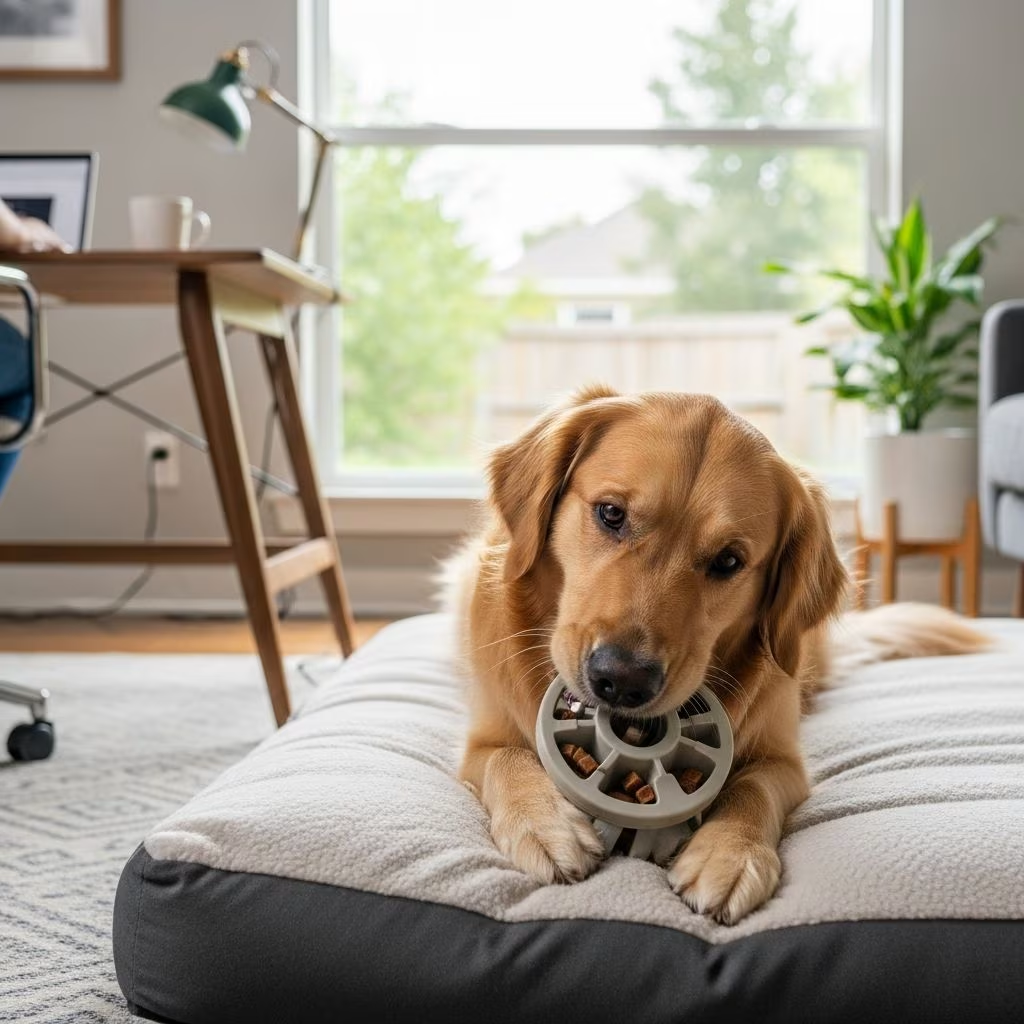
Balancing a full-time job with pet ownership presents unique challenges, particularly for dogs that crave attention and activity. Many owners worry about their canine companions spending long hours alone, leading to boredom, anxiety, or destructive behavior. Fortunately, a range of solutions exists to keep dogs mentally stimulated, physically active, and emotionally secure throughout the workday. This guide outlines proven methods, from simple home adjustments to professional services, helping you create a fulfilling routine for your four-legged friend.
Understanding Your Dog’s Needs While You’re Away
Dogs are social animals with varying energy levels and temperaments, influenced by breed, age, and individual personality. High-energy breeds like Border Collies or Labrador Retrievers require more stimulation than laid-back companions such as Bulldogs. Puppies and young dogs often struggle most with solitude, while seniors might need comfort-focused setups. Recognizing these needs is the foundation for effective daytime care.
Key considerations include physical exercise, mental engagement, and basic necessities like food, water, and potty access. Aim to prevent isolation exceeding 4-6 hours for most dogs, as prolonged alone time can trigger separation anxiety symptoms like excessive barking or chewing. Tailor solutions to match your dog’s profile for optimal results.
Creating an Enriching Home Environment
Transforming your living space into a stimulating haven allows dogs to self-entertain safely. Start with a dedicated “safe zone” – a crate, room, or gated area equipped with comfortable bedding, fresh water, and chew-resistant toys. This setup minimizes accidents and provides security.
- Automated Feeders and Waterers: Devices that dispense meals on a schedule mimic your presence, preventing overeating or bowl tipping. Ideal for pups used to multiple small feedings.
- Smart Access Doors: Electronic doggy doors enable indoor-outdoor freedom, protecting against weather while allowing potty breaks and exploration.
- Indoor Relief Options: For apartment dwellers, artificial turf pads or pee trays offer convenient elimination spots, reducing mess upon return.
Rotate toys weekly to maintain novelty – think puzzle feeders that reward problem-solving with treats, promoting cognitive health.
Interactive Toys and Mental Challenges
Toys aren’t just playthings; they’re tools for mental workouts that tire dogs as effectively as physical exercise. Kong-style toys stuffed with peanut butter or frozen yogurt keep mouths busy for hours. Treat-dispensing balls encourage chasing and foraging instincts.
| Toy Type | Benefits | Suitable For |
|---|---|---|
| Puzzle Feeders | Enhances problem-solving; slows eating | Food-motivated dogs |
| Chew Toys | Satisfies gnawing urges; reduces destructiveness | Teethers, anxious pups |
| Snuffle Mats | Mimics scent-tracking; calms high-energy dogs | All ages, scent breeds |
| Interactive Balls | Promotes movement; solo play | Active breeds |
Introduce new items gradually to avoid overwhelm. Combine with scent games, like hiding treats around the room, for added engagement.
Leveraging Technology for Remote Monitoring
Modern tech bridges the gap between office and home. Pet cameras with two-way audio let you speak to or toss treats remotely, combating loneliness. Apps notify of activity spikes, barking, or door use.
- Live-stream cams for visual check-ins ease owner anxiety.
- Treat-dispensing cameras reinforce good behavior from afar.
- Motion-sensor alerts flag unusual events like pacing.
Pair with smart plugs for toy activation or lights-on schedules, simulating companionship. These tools provide reassurance without full-time supervision.
Incorporating Midday Breaks and Family Coordination
If feasible, pop home for lunch to offer relief, play, and refreshment. Even 20 minutes breaks up the day, burning energy and preventing cabin fever. Coordinate with household members – stagger lunches or shifts so someone checks in regularly. This shared approach distributes responsibility effectively.
Professional Services: Walkers, Sitters, and Daycare
For comprehensive care, enlist experts. Dog walkers visit mid-morning for leashed outings, fulfilling exercise needs and socialization. They handle group or solo strolls, returning pups relaxed.
In-home sitters provide personalized attention – feeding, medicating, playing – in your dog’s familiar turf, ideal for anxious or senior pets. Benefits include routine adherence and one-on-one bonding.
Doggy daycare offers pack play, training, and naps in supervised settings. Best for social butterflies, it ensures vaccination-checked playmates.
| Service | Pros | Cons | Cost Range (Daily) |
|---|---|---|---|
| Dog Walker | Exercise focus; flexible timing | Less supervision | $20-40 |
| In-Home Sitter | Home comfort; custom care | Higher cost | $30-60 |
| Daycare | Socialization; full-day structure | Travel required | $25-50 |
Bringing Your Dog to Work
If your workplace permits, office accompaniment fosters inclusion. About 16% of French employees do this regularly, absent hygiene prohibitions. Benefits include mutual stress relief and breaks together. Confirm policies first.
Building a Daily Routine for Consistency
Structure prevents boredom. Sample schedule:
- 6 AM: Morning walk, breakfast, play.
- 9 AM: Leave with toys, camera on.
- 12 PM: Walker/sitter visit or lunch home.
- 3 PM: Optional second walk.
- 5 PM: Return, evening exercise.
Mix strategies – daycare Mondays, home toys Tuesdays – adapting to your calendar.
Addressing Common Challenges
Separation Anxiety: Gradual desensitization, calming aids like pheromone diffusers. Professional training if severe.
Destructive Habits: Increase enrichment; confine to safe areas.
Health Monitoring: Regular vet checks ensure age-appropriate stamina.
Long-Term Strategies for Working Owners
Choose low-maintenance breeds if possible. Foster work-from-home days for bonding. Invest in durable setups for sustainability. Track progress via journals or apps to refine approaches.
Frequently Asked Questions
How long can I leave my dog alone while working?
Adults: 6-8 hours max; puppies under 6 months: 2-4 hours. Adjust per breed and training.
Are doggy daycares safe?
Reputable ones require vaccines, temperament tests, and staff ratios. Tour facilities beforehand.
What’s the best toy for solo play?
Puzzle toys or stuffed Kongs excel for mental fatigue without constant interaction.
Can I combine services?
Yes – walkers some days, toys others – for variety and coverage.
How do I pick a reliable sitter?
Use platforms with reviews, interviews, references. Trial visits essential.
References
- How to take care of a dog when you work — Nomador. Accessed 2026. https://www.nomador.com/blog/pets/how-to-take-care-of-a-dog-when-you-work
- 22 Ways to Take Care of a Dog or Puppy While You’re Busy Working — Jet Pet Resort. Accessed 2026. https://jetpetresort.com/blog/dog-care/22-ways-to-take-care-of-a-dog-or-puppy-while-youre-busy-working/
- Leaving Your Dog Home Alone While at Work: A Guilt-Free Guide — Hippo. Accessed 2026. https://www.hippo.com/blog/leaving-dog-home-alone-while-at-work
- What to Do with Your Dog While You’re Working — Green Paws Chicago. Accessed 2026. https://greenpawschicago.com/what-to-do-with-dog-while-at-work/
- 5 Ways to Keep Your Dog Entertained While at Work — Pawparazzi Resort. Accessed 2026. https://pawparazziresort.com/keep-dog-entertained-while-at-work/
- 5 Ways to Keep Your Dog Happy & Healthy While You Work — Sophie’s Circle. Accessed 2026. https://sophiescircle.org/5-ways-to-keep-your-dog-happy-healthy-while-you-work/



