
Keeping Dogs Cool in Hot Weather
Essential strategies to protect your dog from heatstroke and ensure comfort during summer months with proven safety tips.
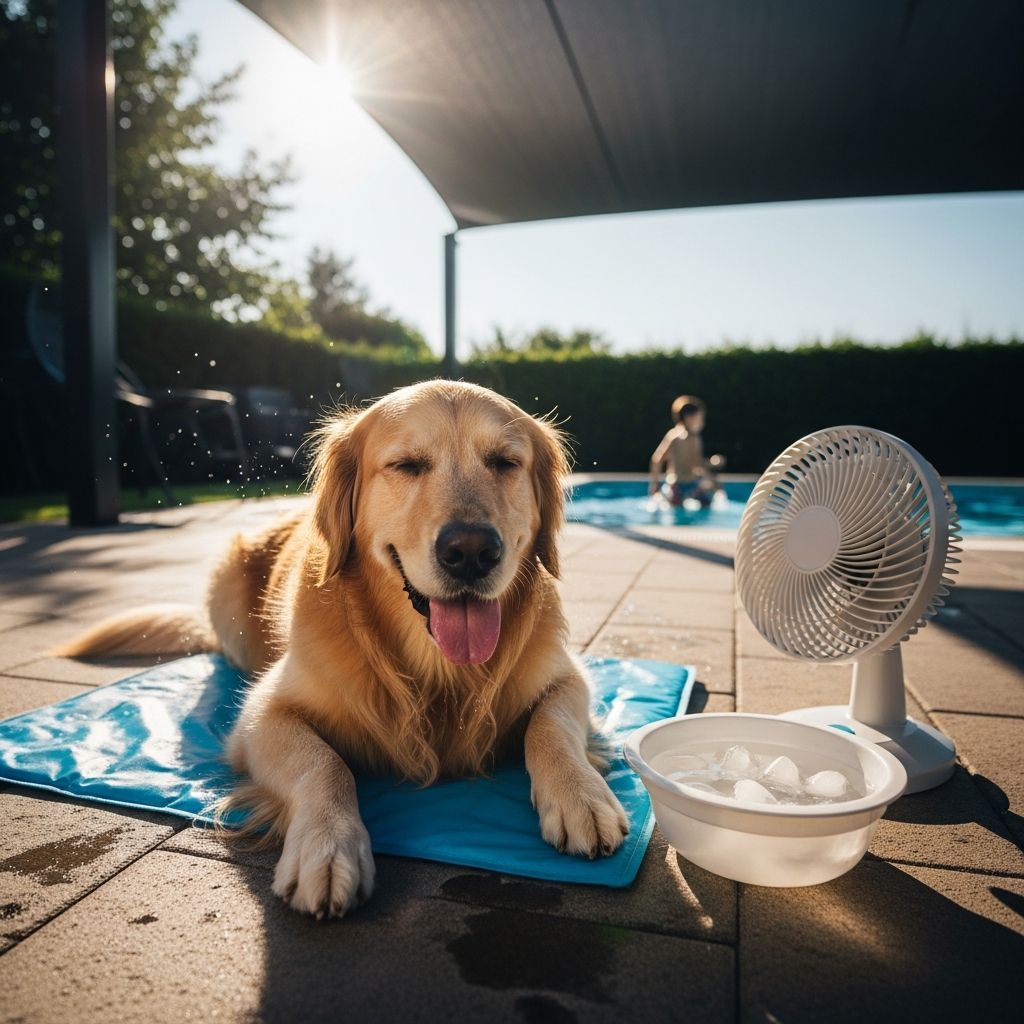
Dogs face significant risks during warm seasons, as high temperatures can lead to dehydration, burns, and life-threatening heatstroke. Proactive measures like providing shade, constant water access, and timing activities correctly help maintain their well-being.
Understanding Heat Risks for Canines
Canines regulate body heat mainly through panting, unlike humans who sweat efficiently. Breeds with short snouts, thick fur, or obesity struggle more in heat, increasing vulnerability to overheating. Temperatures above 70°F combined with humidity can trigger issues within 30 minutes, especially outdoors.
Common hazards include hot vehicles, where interiors reach 120°F rapidly even with windows cracked, scorching pavements burning paw pads, and insufficient hydration exacerbating exhaustion. Recognizing these threats allows owners to act preventively.
Essential Hydration Strategies
Dehydration accelerates heat-related problems, making fresh water availability critical. Offer cool, clean water indoors and out, using insulated or tip-proof bowls to prevent spills. During outings, carry portable bottles and collapsible bowls for frequent refills.
- Monitor intake: Active dogs need more, refilling bowls multiple times daily.
- Add ice cubes to encourage drinking without gulping cold water too fast.
- Avoid pool, ocean, or lake water, which can contain toxins or chlorine harmful to pets.
Creating Cool Resting Environments
Shade and ventilation are non-negotiable. Indoors, use air conditioning or fans; outdoors, avoid doghouses that trap heat and opt for covered areas. Cooling mats, vests, or damp towels provide targeted relief for seniors or brachycephalic breeds like Pugs.
For yards, set up kiddie pools with shallow water for splashing, ensuring easy access in and out. Never tether dogs outside, as they can tangle without escape from sun exposure.
Smart Exercise and Walk Timing
Restrict vigorous activity to early mornings or evenings when ground and air are cooler. Skip strenuous play on days exceeding 85°F. Test pavement with the 5-second rule: If too hot for your hand, it’s unsafe for paws.
| Time of Day | Safe for Walks? | Alternatives |
|---|---|---|
| 10 AM – 4 PM | No | Indoor play, puzzle toys |
| Before 9 AM / After 7 PM | Yes | Grassy paths, shaded trails |
| Midday Heat Wave | Never | Cooling vests for short outings |
Opt for grass or dirt paths over asphalt or sand, and consider paw wax or booties for protection.
Grooming Adjustments for Summer
A dog’s coat insulates against heat and sun, so avoid shaving—trim excess fur only if needed. Regular brushing removes undercoat, improving airflow for breeds like Huskies. Consult vets for breed-specific advice, and use pet-safe sunscreen on thin-furred areas like noses and bellies.
For water-loving dogs, rinse off chlorine or salt post-swim to prevent skin irritation.
Vehicle and Travel Precautions
Parked cars are deadly traps; never leave dogs inside, even briefly. For road trips, employ sunshades, ventilated crates with ice packs wrapped in towels, and cooling pads. Stop frequently in shaded spots with water, using spray bottles for misting.
Avoid unsupervised pool access—teach exit ramps and supervise closely, providing life vests for boating.
Spotting and Treating Overheating
Watch for excessive panting, drooling, lethargy, vomiting, or collapse—early signs of distress. Act fast: Move to shade, apply cool (not ice-cold) wet towels to groin and neck, fan vigorously, and offer small water sips. Target 100-102°F body temperature before transport; rush to vets if unresponsive.
- Mild symptoms: Rest, water, monitor.
- Severe: Cool immediately, seek emergency care.
Special Considerations for Vulnerable Dogs
Puppies, seniors, overweight pets, and those with heart or respiratory issues need extra vigilance. Flat-faced breeds overheat quickest due to airway limitations. Limit outdoor time above 70°F for these groups.
Hiking trails often ban dogs above 100°F to curb burns and exhaustion; respect such rules.
FAQs
Can I shave my dog to keep them cool?
No, coats protect from sunburn and regulate temperature—brush regularly instead.
How hot is too hot for dog walks?
Avoid if pavement fails the 5-second hand test or air exceeds 85°F.
What if my dog shows heatstroke signs?
Cool with wet towels on key areas, fan, and vet immediately.
Is a hot car safe with AC on?
No—systems fail, and temps rise fast regardless.
How much water does my dog need in heat?
At least 1 ounce per pound daily, more if active.
Long-Term Summer Wellness Plan
Schedule vet checkups pre-summer for tailored advice, vaccinate against heat-aggravated illnesses, and train recall for quick shade returns. Integrate cooling into routines: frozen treats from broth, shaded playdates, and post-walk paw checks. These habits ensure joyful, safe summers.
By prioritizing prevention, owners mitigate risks effectively. Stay informed via trusted veterinary resources for updates.
References
- How to Protect Your Pet from Extreme Heat: Preventing Heatstroke and Summer Care Tips — Jefferson Animal Hospital. 2023-06-15. https://www.jeffersonanimalhospital-stl.com/blog/how-to-protect-your-pet-from-extreme-heat-preventing-heatstroke-and-summer-care-tips
- Tips For Keeping Your Dog Safe This Summer — American Kennel Club (AKC). 2024-05-20. https://www.akc.org/expert-advice/health/summer-safety-tips-for-dogs/
- How to Keep Pets Safe When Temperatures Rise — American Red Cross. 2023-07-10. https://www.redcross.org/about-us/news-and-events/news/keep-pets-safe-in-hot-weather.html
- Beat the Heat: Pet Safety Tips for Hot Weather — Humane Society. 2024-04-12. https://www.thehumanesociety.org/pet-safety-tips-for-hot-weather/
- Pet Heat Safety: Staying Safe in the Summer Sun — Michigan State University College of Veterinary Medicine. 2023-06-01. https://cvm.msu.edu/vetschool-tails/pet-heat-safety-staying-safe-in-the-summer-sun
- Hot Weather Safety Tips — ASPCA. 2024-03-18. https://www.aspca.org/pet-care/general-pet-care/hot-weather-safety-tips
Similar Articles








Read full bio of Sneha Tete




