

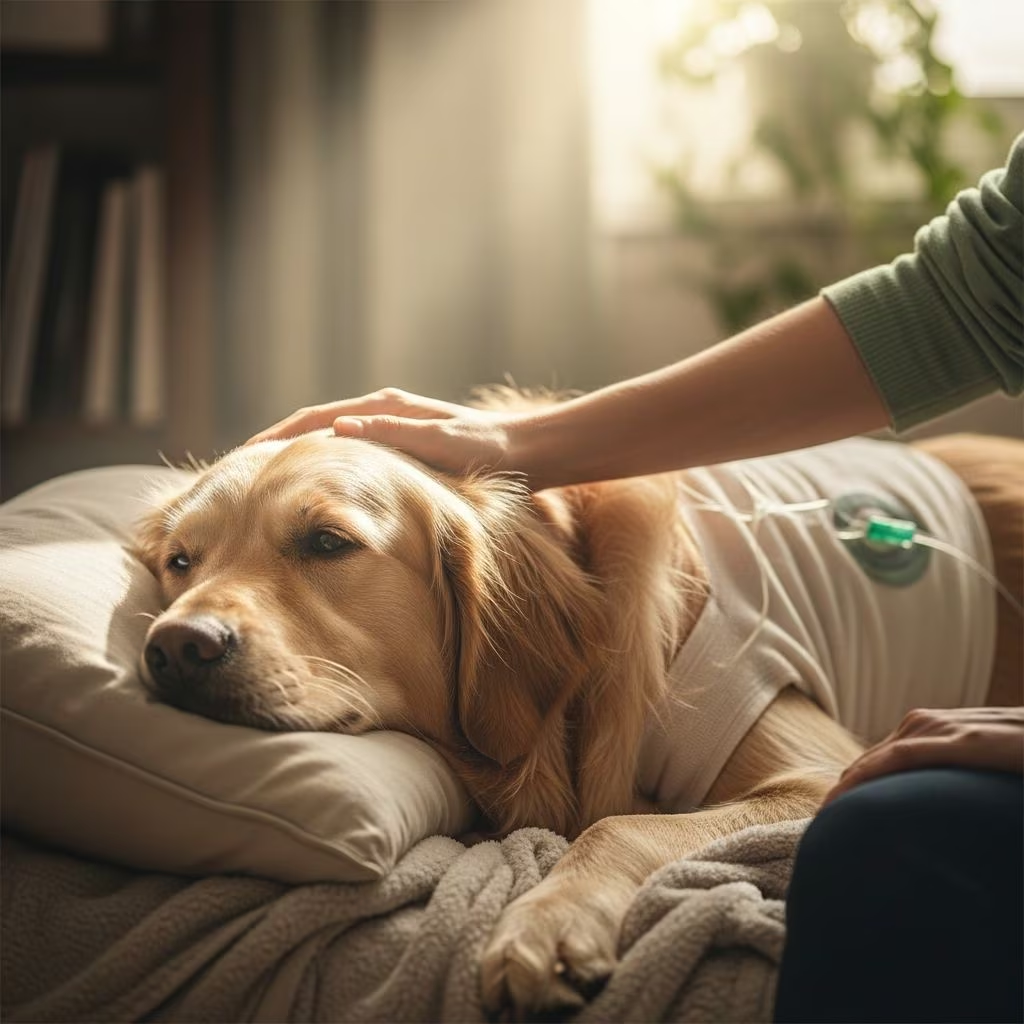
Supporting Your Dog Through Cancer: A Guide to Comfort and Happiness
Receiving a cancer diagnosis for your beloved dog can be one of the most challenging moments in your life as a pet owner. Beyond the medical treatments and veterinary care, maintaining your dog’s quality of life and emotional well-being becomes paramount during this difficult journey. When a dog is diagnosed with cancer, the focus shifts not only to fighting the disease but also to ensuring your companion remains as comfortable, happy, and content as possible throughout treatment and beyond.
The emotional impact of a cancer diagnosis extends beyond the dog to every member of the family. However, dogs are remarkably resilient creatures, and with proper care, attention, and support, many dogs can continue to enjoy their lives during treatment. This comprehensive guide will help you navigate the complexities of keeping your dog happy and comfortable while battling cancer, ensuring that the time you have together remains filled with love and positive experiences.
Understanding Your Dog’s Emotional Needs During Cancer Treatment
Dogs are sensitive to changes in their environment and to the emotional states of their owners. When a dog is diagnosed with cancer, they may experience anxiety, stress, and fear, particularly as they undergo various treatments and experience physical changes. Understanding and addressing your dog’s emotional needs is just as important as managing their physical symptoms.
During cancer treatment, your dog may feel confused about frequent veterinary visits, unfamiliar medical procedures, and changes in their daily routine. Creating a calm, predictable environment can significantly reduce anxiety and help your dog feel more secure. Maintaining consistent schedules for meals, walks, and playtime provides comfort and reassurance, helping your dog understand that their world remains stable despite the medical changes occurring around them.
Your dog may also pick up on your own anxiety and stress about their diagnosis. Dogs are incredibly perceptive animals, and they often mirror the emotional states of their owners. By managing your own stress and maintaining a positive, hopeful attitude, you create a more peaceful environment that benefits both you and your dog. Spending quality time together, engaging in gentle activities, and maintaining normal routines as much as possible can help reassure your dog that they are loved and cared for.
Pain Management and Physical Comfort
Cancer and its treatments can cause physical discomfort and pain in dogs. Effective pain management is essential for maintaining your dog’s quality of life and ensuring they remain happy during treatment. Your veterinarian can prescribe appropriate pain medications tailored to your dog’s specific needs and condition. These medications help alleviate suffering and allow your dog to move more freely, eat better, and engage in activities they enjoy.
Beyond medication, there are several ways you can enhance your dog’s physical comfort:
Creating a Comfortable Living Space
Provide your dog with a dedicated, comfortable resting area that is easily accessible and requires minimal movement. Orthopedic beds with memory foam can provide excellent support for dogs experiencing pain or arthritis related to their cancer. Place this bed in a quiet, temperature-controlled area away from drafts and excessive noise. Consider placing the bed on a ground floor to eliminate the need for stairs, which can be painful for dogs with bone cancer or advanced disease.
Temperature and Environmental Control
Maintain a comfortable temperature in your home, as cancer and certain treatments can affect a dog’s ability to regulate body temperature. During warmer months, provide cool areas and fresh water frequently. In cooler months, consider blankets or sweaters to keep your dog warm and comfortable. Air quality is also important; avoid smoking around your dog and ensure good ventilation to reduce respiratory irritation.
Mobility Assistance
If your dog struggles with mobility due to cancer or treatment side effects, consider using ramps or stairs to help them access favorite spots like the couch or bed without jumping. For dogs with significant mobility issues, mobility harnesses can provide support when walking and prevent falls. Some owners find that carrying their dog to different areas of the home helps maintain their engagement with family activities while reducing physical strain.
Nutrition and Appetite Management
Cancer and its treatments often affect a dog’s appetite and ability to maintain proper nutrition. Adequate nutrition is crucial for supporting immune function and helping your dog’s body cope with the demands of treatment. However, keeping a sick dog interested in food can be challenging.
Adjusting Your Dog’s Diet
Work with your veterinarian to develop a nutrition plan appropriate for your dog’s specific cancer type and treatment protocol. Some dogs may benefit from high-protein diets to support muscle maintenance, while others may require easily digestible foods if their cancer affects the digestive system. Warming food slightly can enhance palatability and make it more appealing to a dog with a diminished sense of smell.
Tempting Food Options
If your dog’s appetite is suppressed, try offering small, frequent meals rather than large meals once or twice daily. Incorporate foods known to appeal to dogs, such as bone broth, cooked chicken, or fish, to entice them to eat. Some dogs find certain textures more appealing during treatment; you might alternate between wet food, dry kibble, and homemade options to maintain interest.
Addressing Food Aversions
Some dogs develop aversions to foods associated with treatment side effects or nausea. If your dog refuses a particular food, avoid pushing it and try alternative options instead. Your veterinarian may recommend appetite stimulants if your dog’s refusal to eat becomes a significant concern.
Managing Treatment Side Effects for Better Quality of Life
Chemotherapy and other cancer treatments, while potentially life-extending, can produce side effects that impact your dog’s comfort and happiness. Understanding these potential side effects allows you to take proactive measures to minimize their impact.
Nausea and Vomiting
Many chemotherapy drugs can cause gastrointestinal upset. Your veterinarian may prescribe anti-nausea medications to be given before treatment or as needed. Offering smaller, more frequent meals and avoiding treats that might upset the stomach can help. Some owners find that keeping their dog in a calm environment immediately following treatment sessions reduces stress-related nausea.
Lethargy and Fatigue
Your dog may experience periods of low energy following treatment. Honor these periods by allowing your dog to rest as much as needed without guilt. Gentle, short walks when your dog shows interest can help maintain some activity level without overexertion. Watch for your dog’s cues; if they seem interested in play or activity, engage briefly but allow them to rest whenever they wish.
Hair Loss and Skin Issues
Unlike humans, most dogs do not lose their hair during chemotherapy, though some breeds may experience thinning. However, cancer treatments can cause dry skin and irritation. Maintain regular grooming with gentle techniques, and ask your veterinarian about appropriate moisturizing products. Protect your dog’s skin from harsh weather conditions with appropriate clothing when necessary.
Maintaining Activity and Engagement
Keeping your dog mentally and physically engaged, within their limitations, contributes significantly to their overall happiness and sense of purpose during cancer treatment. However, activity levels must be carefully balanced with your dog’s current condition and energy levels.
Gentle Exercise and Movement
Work with your veterinarian to determine appropriate activity levels for your dog. Some dogs with cancer can continue enjoying short walks and gentle play, while others may need more restricted activity. Short, leisurely walks in quiet areas can provide mental stimulation and environmental enrichment without causing undue fatigue. Allow your dog to set the pace and duration, stopping when they seem tired.
Mental Stimulation
Engage your dog’s mind with puzzle toys, sniff games, and interactive activities that don’t require high physical exertion. Hiding treats around the house for your dog to find, offering nose work games, or providing food dispensing toys can keep your dog mentally active and engaged. Mental stimulation often tires dogs as much as physical exercise, making it an excellent option for dogs with limited mobility or energy.
Quality Time Together
Simply spending quality time with your dog provides immeasurable comfort and happiness. Gentle petting sessions, quiet time together, and simply being present create meaningful moments that strengthen your bond. Many owners find that these simple interactions provide comfort to both themselves and their dogs during challenging times.
Creating a Supportive Home Environment
Your home should become a sanctuary of comfort and support for your dog during cancer treatment. Several environmental factors can significantly impact your dog’s well-being and happiness.
Reducing Stress and Noise
Minimize unnecessary stress by keeping your home environment calm and predictable. Reduce loud noises, limit the number of visitors, and maintain consistent routines. Some dogs benefit from calming background music or white noise machines that mask potentially stressful sounds. Create a quiet retreat space where your dog can go when they need privacy or relief from activity.
Accessibility and Safety
Remove hazards that could injure a dog with compromised mobility or coordination. Use baby gates to restrict access to stairs if your dog’s condition warrants it. Ensure that water bowls and litter boxes from other pets are easily accessible but not obstacles. Non-slip flooring or rugs can help a dog with mobility issues maintain confidence when moving around the home.
Maintaining Hygiene
Some dogs may become incontinent during cancer treatment or as their condition progresses. Using washable pee pads, protective furniture covers, or keeping your dog in easily cleanable areas reduces stress for both you and your dog. Regular, gentle bathing with warm water and mild shampoo can help your dog feel fresh and comfortable, though avoid bathing immediately before or after treatment if your veterinarian advises against it.
Nutrition and Hydration Considerations
Proper hydration is just as important as nutrition during cancer treatment. Ensure your dog always has access to fresh, clean water. Some dogs may drink less during treatment due to nausea or lethargy, so monitor their water intake carefully.
Consider offering alternative hydration sources such as bone broth, low-sodium chicken broth, or specially formulated dog hydration supplements. Some dogs prefer running water from fountains, so a dog water fountain might encourage increased water intake. If your dog seems severely dehydrated, contact your veterinarian, as they may recommend subcutaneous fluids to maintain hydration.
Emotional Support for You as the Pet Owner
Your own emotional well-being directly impacts your dog’s comfort and happiness. Caring for a dog with cancer is emotionally taxing, and it’s essential to take care of yourself during this journey.
Seek support from veterinary professionals, support groups for pet owners dealing with cancer, and trusted friends and family members who understand your situation. Don’t hesitate to ask for help with household tasks, pet care, or simply having someone to listen to your concerns and fears. Many veterinary oncologists can also provide resources and support to help pet owners navigate this challenging time.
Frequently Asked Questions
Q: How long can a dog live after a cancer diagnosis?
A: The prognosis for dogs with cancer varies significantly depending on the type and stage of cancer, the dog’s age and overall health, and the treatments chosen. Some dogs may have months or even years of quality life ahead, while others may face a shorter timeframe. Your veterinarian can provide specific information based on your dog’s diagnosis.
Q: What should I do if my dog refuses to eat during treatment?
A: Contact your veterinarian immediately if your dog refuses to eat for more than a day or two, as they may recommend appetite stimulants or anti-nausea medications. In the meantime, try offering small amounts of highly palatable foods and allowing your dog to eat on their own schedule.
Q: Is it normal for my dog to be lethargic after chemotherapy?
A: Yes, lethargy and fatigue are common side effects of chemotherapy in dogs. Allow your dog to rest as needed, and contact your veterinarian if lethargy seems excessive or your dog shows other concerning symptoms.
Q: Can I continue walking my dog during cancer treatment?
A: Yes, gentle walks are often beneficial for dogs undergoing cancer treatment, but the duration and intensity should be adjusted based on your dog’s energy levels and your veterinarian’s recommendations. Let your dog set the pace and allow them to rest whenever needed.
Q: How can I tell if my dog is in pain?
A: Signs of pain in dogs may include reluctance to move, limping, restlessness, behavioral changes, decreased appetite, and vocalizations. If you suspect your dog is experiencing pain, contact your veterinarian, who can adjust pain management strategies as needed.
Q: Should I change my dog’s diet during cancer treatment?
A: Work with your veterinarian to determine appropriate dietary modifications based on your dog’s specific cancer type and treatment protocol. Some dogs may benefit from dietary changes to support their treatment and overall health during this period.
References
- Diagnosis, Treatment, & Prognosis for Dog Cancer — Love Animal Hospital & Urgent Care. https://love.vet/dog-cancer-diagnosis-treatment-prognosis-for-dog-cancer/
- Cancer in Dogs: Symptoms, Types, and Treatment — PetMD. https://www.petmd.com/dog/conditions/cancer/cancer-dogs-symptoms-types-and-treatment
- My Dog Has Cancer: What Do I Need to Know? — FDA Consumer Updates. https://www.fda.gov/consumers/consumer-updates/my-dog-has-cancer-what-do-i-need-know
- Cancer in Pets — American Veterinary Medical Association. https://www.avma.org/resources/pet-owners/petcare/cancer-pets
- Signs of Cancer in Dogs and What to Expect During Treatment — Southern Cross Animal Health. https://southerncrossingah.com/signs-of-cancer-in-dogs-and-what-to-expect-during-treatment/



