

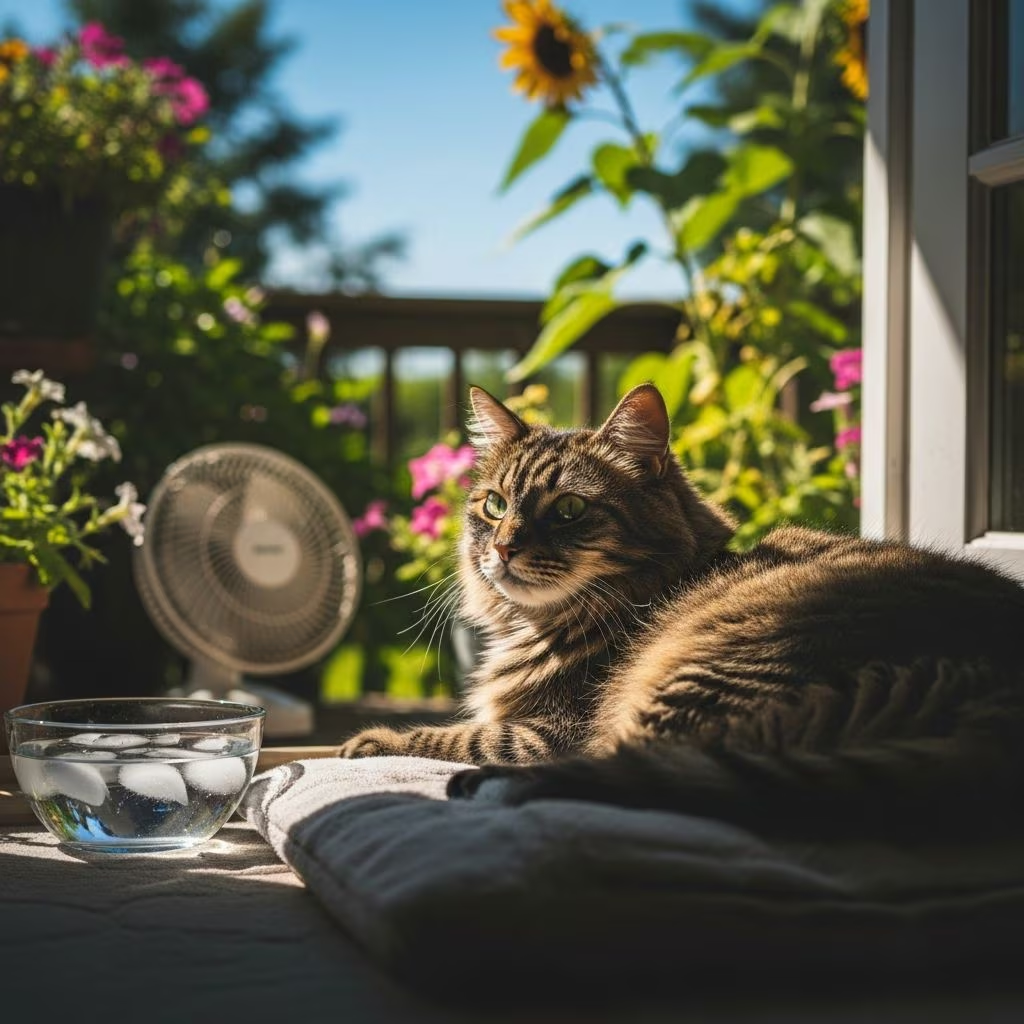
Summer brings warmth and fun for cat owners, but it also poses unique risks for our feline companions. High temperatures can lead to heatstroke, dehydration sneaks up quickly, and open windows or outdoor hazards invite accidents. This comprehensive guide covers all essential strategies to safeguard your cat, drawing from veterinary expertise to ensure a safe, enjoyable season. Whether your cat is indoors, outdoors, or a mix, proactive measures make all the difference.
Understanding Summer Risks for Cats
Cats are sensitive to heat because they can’t sweat like humans; they rely on panting and grooming to cool down, which isn’t always enough in soaring temperatures. Indoor cats face hot surfaces and unsecured screens, while outdoor or community cats battle direct sun and scarce shade. Dehydration, sunburn, toxins from pesticides, and insect infestations compound these dangers. Recognizing signs like excessive panting, lethargy, vomiting, or red gums allows early intervention, potentially saving lives.
1. Keep Your Cat Cool and Prevent Heatstroke
Heatstroke is a leading summer threat, occurring when a cat’s body temperature exceeds 104°F (40°C), damaging organs rapidly. Prevention starts with monitoring ambient temperatures; keep indoor spots below 80°F (27°C) using air conditioning or fans.
- Provide cool retreats: Set up shaded areas away from sunny windows, under furniture, or in basements. Cooling mats filled with gel or chilled towels offer instant relief—freeze them for longer effect.
- Use fans and AC: Position fans for airflow without direct blowing, as cats dislike strong winds. Air conditioning is ideal; if unavailable, close blinds during peak sun (10 AM-4 PM).
- Avoid hot spots: Check countertops, vents, and floors near stoves—they can burn paws. Test surfaces with your hand; if too hot for you, it’s dangerous for cats.
- Watch sunbathers: Cats love sunny windowsills, but prolonged exposure risks overheating. Install UV-filtering films to block rays while allowing light.
For outdoor cats, build shaded shelters like Styrofoam coolers or plastic tubs elevated off hot ground. Grass or non-conductive surfaces prevent paw burns during any outdoor time. Never leave cats in cars, even briefly—temperatures inside can rise 20°F in minutes.
2. Hydration is Key: Keep Your Cat Drinking
Cats dehydrate faster in heat, showing dry gums, sunken eyes, or skin that doesn’t snap back when pinched. Combat this with constant access to fresh, cool water.
- Multiple stations: Place shallow, wide bowls in every room, refreshed frequently. Narrow, deep bowls reduce evaporation in shade.
- Encourage intake: Cat fountains mimic running water, boosting drinking by up to 2x. Add ice cubes, low-sodium broth, or tuna juice (no salt/onions) to entice.
- Food adjustments: Offer wet food for 70% moisture content or mix water into kibble. Feed during cooler hours to avoid spoilage.
Aim for 3-4 oz of water per 5 lbs of body weight daily, more in heat. Monitor urine—clear/pale indicates good hydration.
3. Protect Against Sunburn
Light-skinned, white, hairless, or thin-coated cats burn easily on ears, noses, and bellies, risking skin cancer over time. Apply pet-safe, E-collar-friendly sunscreen (zinc-free) reapplied after grooming.
- Limit midday sun; use UV window films indoors.
- Provide hats or clothing for hairless breeds, though tricky.
- Regular vet checks for pink noses or peeling skin.
Don’t shave long-haired cats—their coat insulates against heat. Brush daily to remove undercoat instead.
4. Secure Windows, Balconies, and Doors
Cats leap to window views, but weak screens fail under 5-10 lbs of curiosity. Falls from heights cause high-rise syndrome: broken bones, lung damage.
- Sturdy screens: Install pet-proof mesh; check for tears monthly.
- No open drops: Avoid balconies without netting; supervise fully screened doors.
- Escape-proof: Use baby gates for open entries.
For multi-story homes, window restrictors limit openings to 4 inches max.
5. Watch for Toxic Hazards and Chemicals
Summer amps up lawn treatments, BBQs, and pools—cats ingest toxins via paws/grooming. Pesticides, fertilizers, rodenticides cause seizures, vomiting.
- Storage first: Lock garages/cabinets; rinse outdoor exposures.
- BBQ dangers: Fatty scraps lead to pancreatitis; no bones, onions, grapes.
- Pool safety: Fence off; teach ‘no’ to prevent drowning.
- Citrus/essential oils: Avoid diffusers; toxic if licked.
If exposed, induce vomiting only per vet; rush to clinic with product label.
6. Manage Fleas, Ticks, and Pests
Heat breeds infestations; bites cause anemia, tapeworms, diseases like Lyme.
- Vet preventives: Monthly topicals/orals kill on contact.
- Environment: Vacuum daily, wash bedding hot; yard diatomaceous earth (food-grade).
- No OTC bombs: Toxic residues harm cats.
Comb weekly; alert vet to scratching/hot spots.
7. Fireworks, Storms, and Noise Stress
Loud booms trigger hiding/bolting. Create a ‘safe room’ with bed, litter, toys, pheromone diffusers.
- White noise masks sounds.
- Calming collars/wraps for severe anxiety.
- ID updated; microchip essential.
8. Outdoor and Community Cat Considerations
Ferals thrive but need aid: shelters in shade, water tipped against evaporation, dry food mornings/evenings. TNR in heat requires shaded traps, no hot cars, paw-safe grounds.
9. Travel and Grilling Safety
Road trips: carriers AC-vented, stops shaded with water. BBQs: elevate grills; toxic foods out (chocolate, alcohol).
Summer Safety Checklist for Cats
| Category | Daily Actions | Weekly Actions |
|---|---|---|
| Heat/Cooling | Refresh water, AC on | Clean bowls, check mats |
| Hydration | Multiple bowls iced | Fountain filter change |
| Screens/Windows | Inspect for gaps | Test sturdiness |
| Pests | Comb/brush | Vacuum home |
| Hazards | Secure chemicals | Yard check |
Frequently Asked Questions (FAQs)
Do indoor cats overheat easily?
Yes, sunny rooms or poor ventilation cause issues. Provide shade, water, and airflow.
Should I shave my cat for summer?
No, coats protect; brush instead to thin undercoat.
Can cats get sunburned?
Absolutely, especially light cats. Use pet sunscreen.
How to hydrate a reluctant drinker?
Fountains, broth additives, wet food work best.
Are screens safe for cats?
Only if pet-proof; check regularly.
What if my cat shows heatstroke signs?
Cool with wet towels, offer water, vet immediately.
With these steps, your cat enjoys summer safely. Consult vets for breed-specific needs.
References
- 6 Summer Safety Tips for Cats — Sunnyvale Cat Clinic. 2023-06-01. https://sunnyvalecatclinic.com/news/summer-safety-tips-cats
- Summer Safety Tips for Cats as the Weather Heats Up — Alley Cat Allies. 2024-05-15. https://www.alleycat.org/summer-safety-tips-for-cats-as-the-weather-heats-up/
- Summer Safety Tips for Cats — Animals First Vet Hospital. 2025-07-01. https://animalsfirstvethospital.com/2025/07/01/5306/
- How to Keep Pets Safe During Extreme Heat: Tips for Dogs and Cats — American Humane Society. 2024-06-20. https://www.americanhumane.org/blog/how-to-keep-pets-safe-during-extreme-heat-tips-for-dogs-and-cats/
- Summer safety tips for cats and dogs — 24PetWatch. 2024-07-10. https://www.24petwatch.com/blog/summer-safety-tips-for-cats-and-dogs
- Summer Pet Safety Tips: Keeping Dogs and Cats Safe in Hot Weather — Best Friends Animal Society. 2024-06-05. https://bestfriends.org/pet-care-resources/summer-pet-safety-tips-keeping-dogs-and-cats-safe-hot-weather



