

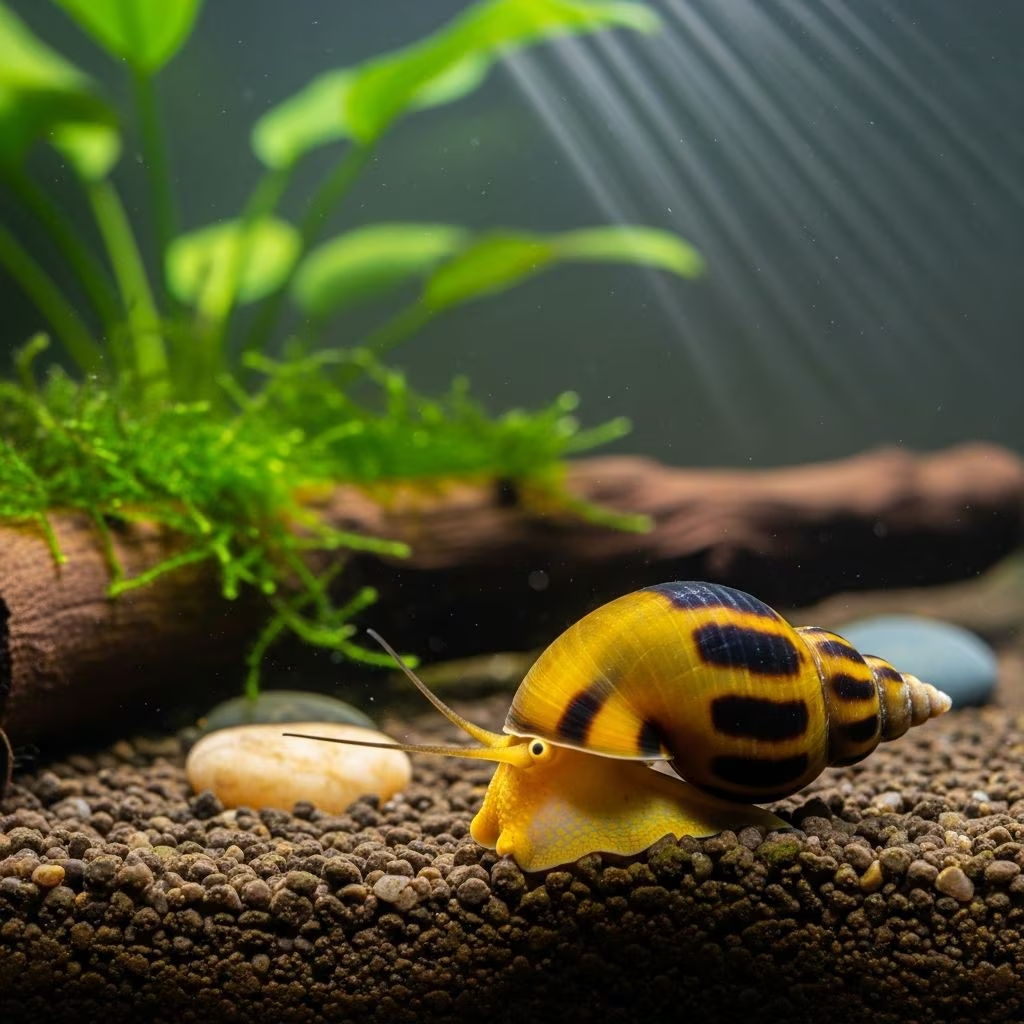
Assassin snails (Clea helena) are one of the most fascinating and useful additions you can make to a freshwater aquarium. These small but mighty predators have earned their name for their exceptional ability to hunt and consume pest snails, making them an organic and effective solution to snail infestations. Beyond their pest control capabilities, assassin snails are captivating creatures to observe and relatively straightforward to care for, making them an excellent choice for both beginner and experienced aquarists. This comprehensive guide will walk you through everything you need to know about keeping assassin snails thriving in your aquarium.
Understanding Assassin Snails
Assassin snails are small, carnivorous snails native to freshwater systems in Southeast Asia. These creatures have developed remarkable hunting strategies, equipped with an extended snout they use to probe and detect prey. Their intelligence and active behavior make them endlessly entertaining to watch as they navigate through your aquarium searching for food. With their elongated shells featuring distinctive spiral patterns and their relatively small adult size, assassin snails are both functional and aesthetically pleasing additions to any tank setup.
What makes assassin snails particularly valuable is their voracious appetite for other snails. If your aquarium has become overrun with bladder snails, ramshorn snails, or Malaysian trumpet snails, assassin snails will work tirelessly to bring the population under control. However, it’s important to understand that these snails are not a one-time solution but rather ongoing members of your aquatic cleanup crew.
Tank Setup and Habitat Requirements
Minimum Tank Size
Assassin snails are small creatures that don’t require vast amounts of space. A nano tank of just 5 gallons can comfortably house one or two assassin snails, making them ideal for small aquarium setups. However, if you plan to breed them or keep a larger group, you’ll want to provide additional space to prevent overcrowding and maintain stable water parameters. For every additional snail, consider adding 2-3 gallons of water to ensure adequate territory and foraging space.
Substrate and Decoration
Assassin snails spend a significant portion of their time buried in the substrate, both as juveniles seeking safety and as adults using it for camouflage and ambush hunting. Provide a mix of fine sand and smooth gravel that allows them to burrow comfortably. Avoid sharp substrates that could damage their shells over time.
Hardscape elements like rocks, driftwood, and PVC structures are essential for creating the complex environment assassin snails prefer. These materials provide:
– Multiple hiding spots where snails can retreat and feel secure- Rough surfaces for exploring and scavenging- Strategic positions for hunting and ambush behavior- Visual interest and natural aesthetic appeal
Live plants, particularly hardy varieties like Anubias, Java fern, and mosses, complement the habitat beautifully while providing additional benefits. These plants help stabilize water parameters by absorbing excess nitrates and provide a more naturalistic environment that reduces stress on your assassin snails.
Lighting
Assassin snails are primarily nocturnal creatures that become most active during low-light periods. While they don’t have specific lighting requirements, maintaining a regular day-night cycle supports their natural rhythms. A standard aquarium light on a 12-hour cycle is perfectly adequate. Avoid overly bright lighting, as it may cause your snails to remain buried in the substrate more frequently.
Water Parameters and Chemistry
Water stability is absolutely paramount when keeping assassin snails. While these adaptable creatures can survive in a range of conditions, maintaining consistent parameters within ideal ranges will ensure optimal health and activity levels.
| Parameter | Ideal Range | Acceptable Range | Notes |
|---|---|---|---|
| Temperature | 75-80°F | 70-82°F | Maintains activity and reasonable breeding cycles |
| pH | 7.5-8.5 | 7.2-8.4 | Alkaline conditions protect shells and buffer against acidic shifts |
| General Hardness (GH) | 8-20 °dGH | 6-25 °dGH | Provides essential calcium and magnesium for shell growth |
| Carbonate Hardness (KH) | 4-12 °dKH | 3-14 °dKH | Buffers pH and prevents shell pitting |
| Ammonia/Nitrite | 0 ppm | 0 ppm | Snails are highly sensitive; maintain zero levels |
| Nitrate | < 30 ppm | < 50 ppm | Regular water changes and plants help control levels |
The most critical factor for snail health is water hardness. Snail shells are composed primarily of calcium, and soft water can cause gradual shell deterioration that eventually becomes fatal. Always prioritize maintaining adequate hardness and pH to protect your snails’ shells from dissolution.
Ensure your aquarium is fully cycled and heated before introducing any assassin snails. Invest in a reliable aquarium heater to maintain consistent temperatures and avoid dramatic fluctuations that stress these sensitive creatures. Regular water testing using quality test kits will help you monitor parameters and catch any issues before they impact your snails’ health.
Feeding Your Assassin Snails
Primary Diet: Pest Snails
The primary diet for assassin snails consists of other small snails. This natural predator-prey relationship is the foundation of their feeding regimen. In an aquarium with an established pest snail population, your assassin snails will actively hunt and consume them. One assassin snail can consume multiple pest snails daily, making them incredibly effective at population control.
If you’re specifically breeding assassin snails for pest control, maintaining a dedicated feeder snail colony becomes essential. Ramshorn snails and bladder snails breed prolifically and make excellent food sources. By maintaining a small population of these snails in a separate container or tank section, you create a sustainable food supply for your assassin snails.
Supplemental Foods
In situations where pest snails are unavailable or becoming scarce, supplement your assassin snails’ diet with protein-rich foods. High-quality options include:
– Sinking pellets designed for carnivorous fish or snails- Frozen bloodworms or brine shrimp- Mineral-enriched formulas like Easy Shrimp and Snail Shells- High-quality pellets such as Hikari Fancy Guppy formula
These supplemental foods should be offered occasionally when live snail prey is limited. Remove any uneaten food within a few hours to prevent water quality deterioration. Proper feeding ensures your snails maintain strong, healthy shells free from cracks and imperfections.
Scavenging Behavior
Assassin snails also play a valuable cleanup role by consuming dead fish, decaying plant matter, and excess food. Their sensitive olfactory abilities allow them to detect carrion from considerable distances. When they sense dead organisms or edible prey nearby, they quickly emerge from the substrate to investigate. This scavenging behavior contributes to overall tank cleanliness and water quality maintenance.
Breeding Assassin Snails
Breeding assassin snails is entirely possible in home aquariums, and many aquarists enjoy this rewarding endeavor. Unlike many aquarium snails that reproduce asexually or with minimal requirements, assassin snails require both males and females and specific environmental conditions to breed successfully.
Getting Started with Breeding
Begin with a cohort of at least 5-10 snails rather than just a pair. Since it’s impossible to visually distinguish males from females, maintaining a larger group increases the probability of having both sexes present. Provide optimal conditions including a sand patch for egg laying, rough hardscape for shelter, warm stable temperatures in the 75-80°F range, and gently alkaline pH and KH levels.
Breeding Timeline and Development
Once sexually mature and conditions are favorable, adult assassin snails will produce egg sacs. Development is a slow process—at approximately 25°C (77°F), plan on roughly 7-8 weeks from egg capsule creation until the juveniles hatch and become visible. Resist the urge to disturb substrate or clean excessively during this period, as the nursery environment for developing snails exists beneath the sand.
Maintain consistent feeding with a reliable protein source, either through live snail prey or quality supplemental foods. Juveniles need fine substrate to disappear into as they grow, and creating separate compartments or using dividers can help protect developing snails from adult predation.
Health Concerns and Disease Prevention
Shell Rot (Bacterial Infection)
Shell rot is caused by bacterial infections and presents as visible damage to the shell including softening, discoloration, or developing holes. Affected snails may exhibit foul odors emanating from the infection site and become increasingly inactive, withdrawing into their shells more frequently.
Prevention through excellent water quality is far more effective than treatment. Quarantine new snails before introducing them to your main tank, as they may carry infection. If shell rot develops, consult snail-specific treatments, as many fish medications are highly toxic to invertebrates.
Parasitic Infections
Snails can contract parasitic infections, particularly when introduced to new tankmates or exposed to poor water quality. Symptoms may include unusual behavior, visible parasites, or shell damage. Proper quarantine procedures significantly reduce this risk.
Toxic Medications and Chemicals
One of the most critical aspects of assassin snail care is protecting them from harmful chemicals. Many common aquarium medications, particularly those containing copper, are extremely toxic to snails and other invertebrates. Always read medication labels carefully and look for explicit invertebrate safety information.
If treatment becomes necessary:
– Remove snails from the tank before applying any medications- Follow recommended dosages precisely- Maintain excellent water quality through regular changes and filtration- Never use copper-based treatments in tanks containing snails
Compatible Tank Mates
Assassin snails are generally peaceful with fish, but compatibility depends on choosing the right species. Avoid aggressive fish that may harass snails and cause physical damage to their shells. Ideal companions include small, peaceful community fish such as tetras, rasboras, and peaceful dwarf cichlids.
When considering shrimp as tankmates, exercise caution. While adult assassin snails typically leave large shrimp alone, they may view juvenile or molting shrimp as prey. Provide plenty of hiding spots and bolt-holes to ensure shrimp safety during vulnerable periods.
Purchasing and Acclimation
Selecting Healthy Snails
When purchasing assassin snails from local stores, ask about tank conditions including temperature, pH, and water hardness. Verify that snails are not kept with aggressive fish or in dirty tanks, as stress and injury can compromise their health.
For online purchases, select reputable sellers with positive reviews and strong reputations for shipping quality livestock. Upon arrival, inspect snails carefully for shell damage, discoloration, or signs of disease.
Acclimation Process
Most assassin snails arrive tucked tightly into their shells and appear closed up. This is normal shipping behavior. Allow adequate acclimation and time for snails to adjust to their new environment before expecting them to emerge and explore. Acclimate them gradually by floating the shipping container in your tank for 30 minutes, then slowly adding small amounts of tank water to the container over 1-2 hours before releasing them into the main tank.
General Care Tips
Regular maintenance is essential for keeping assassin snails thriving. Perform water changes of 25-30% weekly to maintain stable parameters and remove accumulated waste. Keep your filtration system running smoothly to ensure adequate oxygenation and biological filtration.
Handle snails gently when cleaning or moving them, taking care not to damage their shells or shock them with sudden temperature changes. Avoid sudden pH or temperature shifts, as these adaptable creatures prefer consistency even more than they prefer specific values.
Monitor your snails regularly for signs of stress or illness. Active, healthy snails will regularly emerge to forage, hunt, and explore their environment. Persistent lethargy or withdrawal may indicate water quality issues or disease requiring investigation.
Frequently Asked Questions
Q: How many assassin snails can I keep in my aquarium?
A: One or two assassin snails fit comfortably in a 5-gallon tank. For larger setups, allow approximately 2-3 gallons per additional snail to prevent overcrowding and maintain stable water conditions. Avoid overcrowding to reduce aggression and ensure adequate territory for hunting and scavenging.
Q: Will assassin snails eat my live plants?
A: No, assassin snails are carnivorous and focus exclusively on hunting snails and consuming dead matter. Live plants are safe from predation, though they may occasionally be disturbed during burrowing activities. Hardy plants like Anubias and Java fern are particularly resistant to damage.
Q: Can assassin snails be kept with other snails?
A: Assassin snails will hunt and consume smaller snail species, so keeping them with pest snails creates an ongoing control dynamic. However, they cannot be reliably housed with same-sized snails of other species, as predation may occur. Large snails of different species may coexist with careful observation.
Q: How long do assassin snails live?
A: With proper care, assassin snails typically live 3-4 years or longer, making them a long-term commitment. Consistent water quality, appropriate temperatures, and good nutrition significantly influence lifespan.
Q: What should I do if my assassin snail becomes inactive?
A: Inactivity may indicate stress from poor water quality, inadequate temperature, or insufficient food. Check all water parameters immediately and perform a partial water change if needed. Ensure temperatures remain between 75-80°F and provide adequate food sources. If the snail remains inactive after these adjustments, consider quarantine to rule out disease.
Q: Can I breed assassin snails for profit?
A: Yes, breeding assassin snails is possible and can be profitable. Maintain optimal conditions with stable temperatures, proper pH and hardness, and consistent feeding. Start with a cohort of 5-10 snails to ensure both sexes are present. Hatching takes 7-8 weeks, making this a longer-term venture than breeding faster-reproducing snails.
References
- Assassin Snail Care: Feeding, Tank Mates & Health — Aquatic Motiv. 2024. https://aquaticmotiv.com/blogs/news/assassin-snail-care-guide-care-diet-behavior-parameters-habitat-health
- Assassin Snail Care & Breeding Guide – Habitat, Diet, Lifespan & Tips — Superior Shrimp Aquatics. 2024. https://www.superiorshrimpaquatics.com/blogs/news/assassin-snail-care-breeding-guide-habitat-diet-lifespan-tips
- Assassin Snail (Clea helena) Care & Info — The Shrimp Farm. 2024. https://www.theshrimpfarm.com/posts/assassin-snail-care/
- Care Guide for Assassin Snails — Natural Way to Get Rid of Pest Snails — Aquarium Coop. 2024. https://www.aquariumcoop.com/blogs/aquarium/assassin-snail
- What are Assassin Snails | Ultimate Guide to Aquarium Cleaners — Shrimpy Business. 2024. https://shrimpybusiness.com/blogs/shrimpy-business-blog/what-are-assassin-snails



