

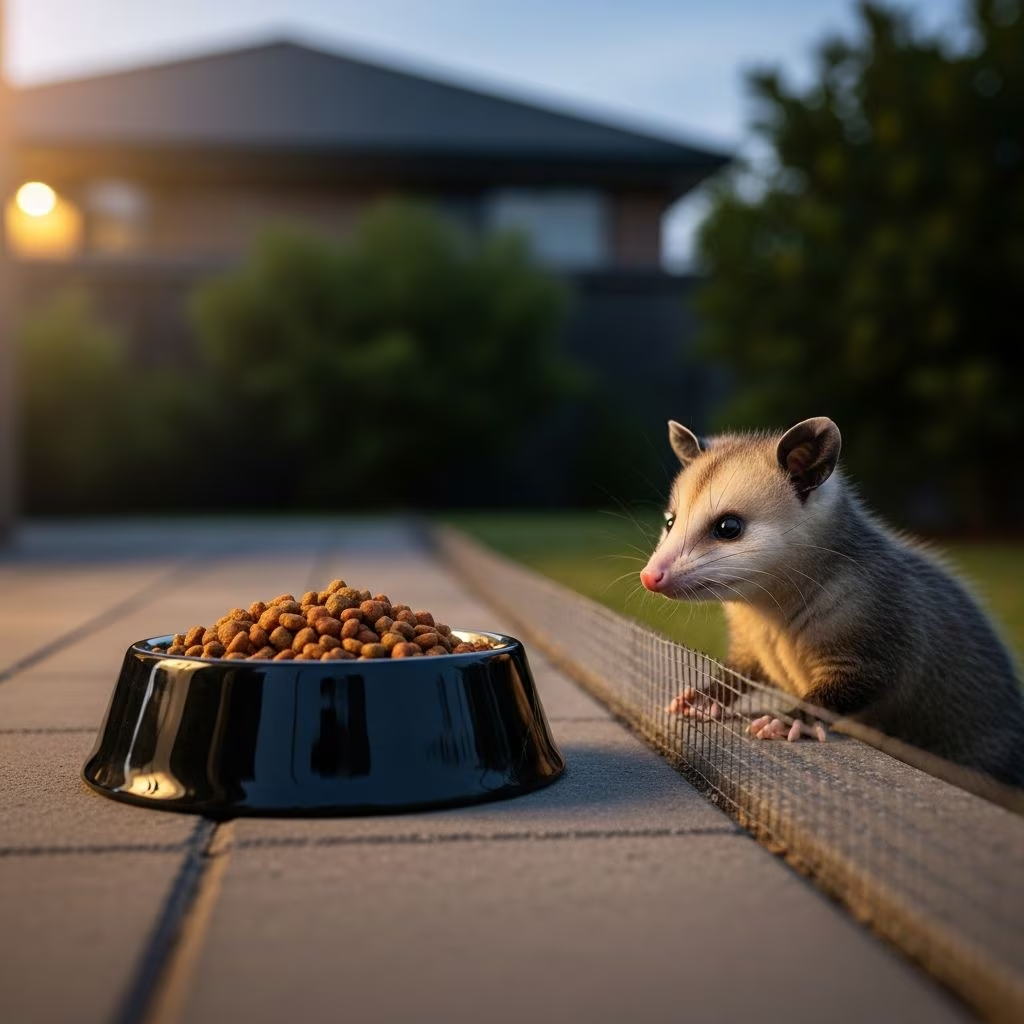
How to Keep Possums Away from Cat Food: 11 Effective Methods
Possums are a common nuisance for pet owners who feed their cats outdoors. These nocturnal creatures are attracted to the smell of cat food because it is high in protein and fat, making it an irresistible meal for hungry wildlife. When possums discover a reliable food source in your yard, they often return repeatedly, and their presence can lead to additional problems such as garbage raiding and potential conflicts with your pets. Understanding effective deterrent strategies is essential for protecting both your cat’s meals and maintaining a peaceful outdoor feeding environment.
Why Possums Target Cat Food
Cat food is particularly appealing to possums because it provides concentrated nutrition that satisfies their dietary preferences. Unlike domestic cats, possums are generalist omnivores with diverse nutritional needs, but they readily consume protein-rich foods when available. Pet owners who feed their cats outdoors may inadvertently create a feeding station for local possum populations, resulting in increased feeding costs and repeated visits from these persistent scavengers. Once possums establish a pattern of visiting your yard for cat food, they may expand their activities to include opening garbage cans and rummaging through trash in search of additional meals.
Understanding Possum Behavior
Possums are primarily nocturnal animals, meaning they are most active during nighttime hours. This behavioral pattern evolved to help them avoid predators and locate food sources when competition from other animals is minimal. However, possums are adaptable creatures and will occasionally feed during daylight hours if food becomes scarce. Understanding these behavioral patterns is crucial for developing effective deterrent strategies that align with their natural activity cycles.
The 11 Ways to Keep Possums Away from Cat Food
1. Don’t Leave Cat Food Out at Night
The most straightforward approach to preventing possum access to cat food is to align your feeding schedule with daylight hours. Since possums are nocturnal and primarily active after sunset, removing cat food before dusk eliminates the primary feeding opportunity for these animals. By feeding your cats only during daylight hours, you allow them to eat in relative peace while possums remain inactive. However, this strategy is not foolproof, as possums may occasionally emerge during the day if food sources are limited in their natural habitat. Despite this limitation, daytime-only feeding significantly reduces the likelihood of possum interference and remains one of the most practical solutions for outdoor cat feeding.
2. Put the Food on an Elevated Surface
Creating physical barriers to food access can effectively deter possums from reaching cat food bowls. While possums are capable climbers and jumpers thanks to their prehensile tails and sharp claws, they can be discouraged by elevated platforms with specific design features. A platform elevated several feet above ground with a deep overhang and slippery poles makes climbing significantly more difficult. The combination of height and unstable climbing surfaces reduces, though does not completely eliminate, the likelihood of possums reaching the food. Elevated feeding stations work best when combined with other deterrent methods for maximum effectiveness.
3. Use Motion-Activated Lights
Motion-activated lighting systems startle possums and create an unwelcoming environment for these nocturnal animals. When possums approach your feeding area, motion sensors trigger bright lights that interrupt their natural preference for darkness. This sensory disruption encourages possums to seek food elsewhere, as the sudden illumination triggers their predator-avoidance instincts. Installing motion-activated lights around your outdoor feeding station provides both a deterrent effect and improved visibility for monitoring your cat’s feeding area during evening hours.
4. Install Secure Fencing
Perimeter fencing prevents possums from easily entering your yard and accessing outdoor feeding stations. While possums can climb fencing, secure enclosures with proper installation make penetration more difficult and time-consuming. Installing fencing at least four to six feet high and ensuring it is properly secured at the base reduces possum access significantly. For maximum effectiveness, consider adding angled extensions at the top of fencing to discourage climbing attempts.
5. Use a Possum-Proof Feeder
Modern automated feeders offer an effective solution for outdoor cat feeding while minimizing access for unwanted wildlife. Microchip-activated feeders recognize your cat through their collar tag or implanted microchip, opening only for authorized animals during programmed feeding times. Setting these feeders to operate exclusively during daylight hours provides an additional layer of protection against nocturnal possum intrusion. While possums are known for their problem-solving abilities and can occasionally defeat standard feeders, automated systems specifically designed to be wildlife-resistant offer superior protection. Placing the feeder in a dry, secure location enhances its effectiveness and extends its lifespan.
6. Trim Back Vegetation
Possums require cover and pathways to navigate safely through yards while foraging for food. Trimming trees and bushes around your property’s perimeter removes the shelter and concealment that makes possums feel secure accessing outdoor areas. When vegetation is minimized, possums become more exposed and vulnerable, which discourages them from lingering in your yard. Additionally, removing low-hanging branches and dense shrubs eliminates natural highways that possums use to travel throughout your property. This habitat modification approach requires ongoing maintenance but provides long-term deterrent benefits.
7. Remove All Other Sources of Food
Possums visit yards where multiple food sources are available, with cat food representing just one attraction among many potential meals. To effectively deter possum visits, eliminate or secure all accessible food sources including garbage cans, compost bins, and bird feeders. Securing garbage in animal-proof containers, removing fallen fruit from trees, and bringing bird feeders indoors at night removes the buffet that attracts possums to your property. When possums find a yard lacking in food diversity, they are more likely to move on to areas with better foraging opportunities.
8. Watch Over Your Cat While They Eat
Active supervision during feeding times provides an immediate deterrent to possum intrusion. Possums are naturally cautious animals that avoid areas with human activity and presence. By remaining outside while your cat eats, you create an environment where possums feel uncomfortable approaching. If a possum does venture near despite your presence, making loud noises or throwing objects nearby reinforces avoidance behavior. After your cat finishes eating, promptly remove the food bowl and any remaining food to eliminate the attraction. This hands-on approach requires time investment but provides immediate, observable results.
9. Lay Traps to Catch Possums
For persistent possum problems that resist other deterrent methods, live traps offer a removal solution. Setting traps near cat food dishes takes advantage of possums’ strong attraction to the scent. Once captured, possums can be relocated to distant natural areas away from residential zones or handled according to local wildlife management guidelines. However, trapping requires commitment and proper handling techniques to ensure animal welfare. During trapping efforts, keep your cat indoors to prevent accidental capture or injury. Always check local regulations regarding wildlife trapping and relocation, as some municipalities require professional assistance or specific procedures.
10. Use Natural Deterrents
Certain natural substances create sensory experiences that discourage possum feeding. Ammonia-soaked rags placed near feeding areas produce odors that possums find unpleasant, while capsaicin-based sprays on food bowls create taste deterrents. Some pet owners report success with predator urine, which triggers instinctive avoidance responses in possums. While natural deterrents vary in effectiveness and require periodic reapplication, they offer chemical-free alternatives for environmentally conscious pet owners. Combining natural deterrents with physical barriers provides comprehensive protection without introducing artificial substances around your pets’ eating areas.
11. Create a Dedicated Feeding Enclosure
Building a cat-specific feeding enclosure represents a comprehensive solution that combines multiple deterrent elements into a single structure. A secure, covered feeding box with access sized specifically for your cat but too small for possums eliminates most intrusion attempts. The enclosure should include solid sides to block access from multiple angles, proper ventilation to prevent moisture accumulation, and secure fastenings to prevent possum manipulation. While this approach requires initial construction investment, it provides reliable, long-term protection that eliminates the need for constant vigilance or repeated deterrent applications.
Combining Strategies for Maximum Effectiveness
The most successful possum prevention approaches combine multiple strategies tailored to your specific situation. A comprehensive plan might include daytime-only feeding, elevated feeding stations, motion-activated lighting, vegetation trimming, and removal of alternative food sources. This layered approach addresses possums’ various behavioral traits and feeding motivations simultaneously. Different combinations work better in different environments, depending on your yard’s layout, the possum population density in your area, and your household’s daily routines.
Safety Considerations for Your Cat
While protecting cat food from possums, maintain focus on your cat’s overall safety during outdoor feeding. Ensure your cat is fully vaccinated, has identification tags, and is monitored during feeding times. While possums are generally not aggressive toward cats, occasional conflicts can occur if competition for food becomes intense. Keep feeding areas in visible locations where you can observe your cat comfortably eating without interruption. Indoor feeding remains the safest option if outdoor feeding creates excessive stress or conflict.
Frequently Asked Questions (FAQs)
Q: Can possums seriously injure cats?
A: Possums are generally non-aggressive and prefer to avoid confrontation. While serious injuries are rare, conflicts over food can occasionally result in scratches or minor bites. Supervising feeding times minimizes this risk significantly.
Q: What time of year are possums most active around homes?
A: Possums remain active year-round, though they may be more visible during breeding season when they actively seek food sources to support reproduction and offspring care.
Q: Will possums eat my cat?
A: No, possums do not hunt cats. They are opportunistic scavengers that avoid confrontation and will not target healthy adult cats as prey. Food competition is the primary concern, not predation.
Q: Is it legal to trap and relocate possums in my area?
A: Trapping and relocation laws vary by location. Check with your local animal control office or wildlife management agency to understand regulations and obtain necessary permits before attempting removal.
Q: Do possums carry rabies or other diseases transmissible to cats?
A: Possums are highly resistant to rabies and rarely contract the disease. However, like any wildlife, they can carry parasites or other pathogens. Keeping your cat’s vaccinations current provides protection against most disease risks.
Q: How long do possums typically stay in a yard?
A: If food sources persist, possums may establish territories and return repeatedly. Once food sources are eliminated or secured, possums typically move on within days to weeks to seek food elsewhere.
Q: Can I use poison to eliminate possums?
A: Poison is not a recommended or humane solution. It can harm non-target animals, poses risks to pets, and is illegal in many jurisdictions. Non-lethal deterrent and removal methods are preferable and more sustainable.
Conclusion
Protecting your cat’s outdoor food from possums requires understanding these animals’ behavior and implementing consistent deterrent strategies. Whether you choose simple approaches like daytime-only feeding or invest in comprehensive solutions like automated feeders and dedicated feeding enclosures, success depends on persistence and commitment. Combining multiple methods provides the most reliable protection while maintaining a peaceful coexistence with local wildlife. Regular monitoring of your deterrent systems and willingness to adjust strategies based on results will keep your outdoor feeding area secure and your cat’s meals protected from opportunistic possum visitors.
References
- Can Possums Eat Cat Food? Risks and Safer Alternatives — Alibaba Cat Lovers. 2025. https://catlovers.alibaba.com/question/can-possums-eat-cat-food
- How To Keep Possums Away from Cat Food: 11 Great Ways — Catster. 2024. https://www.catster.com/lifestyle/how-to-keep-possums-away-from-cat-food/
- Pet Food Labels — Opossum Society of the United States. 2022-09. https://opossumsocietyus.org/wp-content/uploads/2022/09/OSUS-Summer-2022-Newsletter.pdf
- Opossum and Raccoon Prevention – Cat Food — Backyard Chickens Forum. 2023. https://www.backyardchickens.com/threads/opossum-and-raccoon-prevention-cat-food.904581/



