

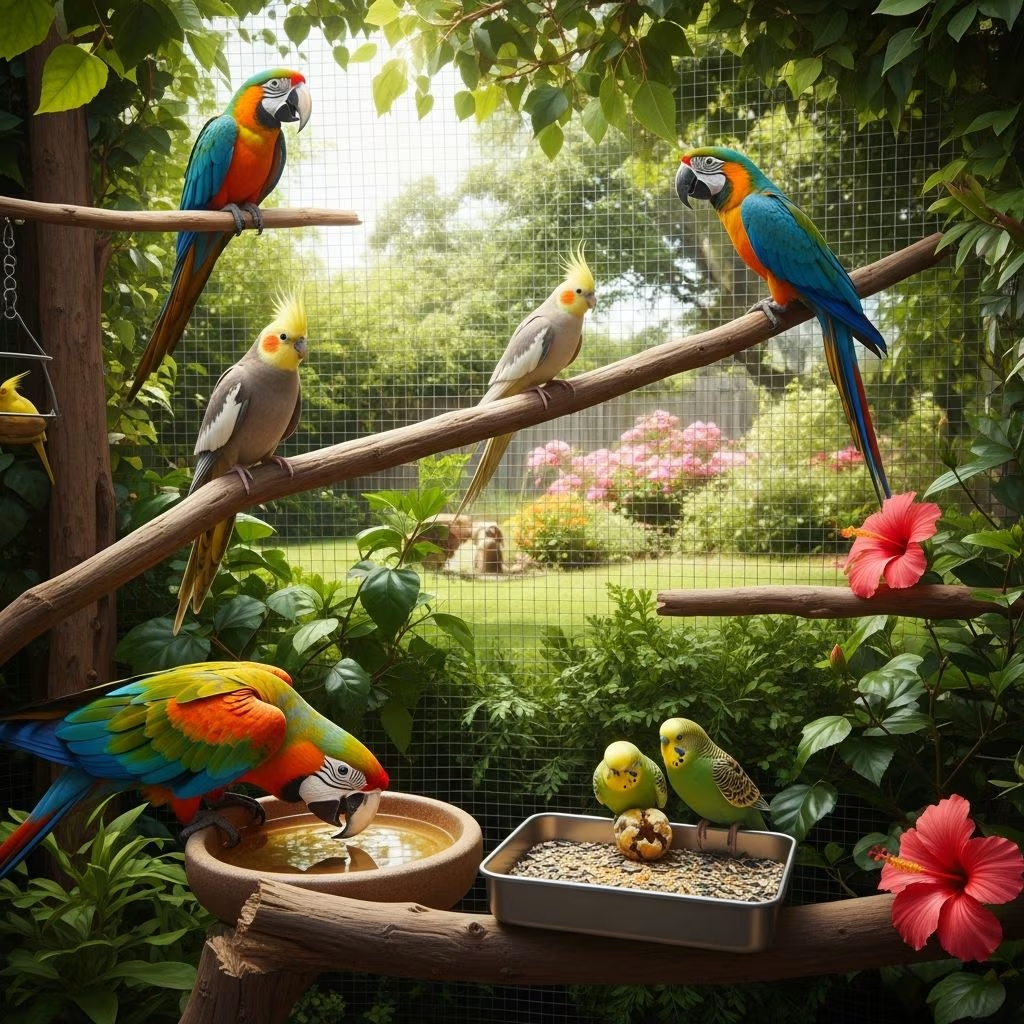
Keep Pet Birds Outdoors Safely
Providing outdoor time for pet birds offers numerous benefits, including exposure to natural sunlight, fresh air, and valuable enrichment opportunities that promote both physical and mental well-being. However, outdoor environments present unique challenges and risks that require careful planning and preparation. Creating a safe outdoor space for your feathered companions involves understanding proper enclosure design, predator mitigation, climate considerations, and security measures to ensure your birds remain protected while enjoying the benefits of outdoor living.
Understanding Your Bird’s Outdoor Needs
Pet birds have specific requirements when transitioning to outdoor environments. They need adequate space to move freely, protection from environmental hazards, and security from potential threats. Before establishing an outdoor setup, assess your available space, local climate conditions, and the specific species of birds you plan to house. Different bird species may have varying requirements for temperature, humidity, and shelter. Understanding these needs will help you design an appropriate outdoor facility that promotes your birds’ health and happiness while minimizing risks.
Designing an Appropriate Aviary or Outdoor Cage
The foundation of outdoor bird safety begins with selecting or constructing an appropriate enclosure. Your outdoor facility must conform to the space you have available while simultaneously providing birds with adequate room to fly and exercise. An outdoor aviary should be spacious enough to allow natural flight behavior, which is essential for maintaining muscle tone and overall physical health.
Essential Structural Features
A well-designed outdoor aviary should incorporate several critical structural elements. Double-door systems are paramount for preventing accidental escape when entering or exiting the bird chamber. This safety porch design creates a buffer zone, allowing you to enter and close one door before opening the inner door to the bird area. This dual-door mechanism significantly reduces the risk of birds flying out when you need to access the enclosure for feeding, cleaning, or maintenance activities.
Branches should be strategically provided throughout the aviary for climbing and roosting. These natural perches not only provide comfortable resting spots but also encourage natural behaviors and physical exercise. Select branches of varying diameters to allow birds to exercise different muscle groups and maintain foot health.
Climate and Environmental Protection
Creating appropriate environmental conditions is crucial for maintaining your birds’ health and comfort during outdoor time. Your outdoor facility must provide protection from sun, wind, and rain, allowing birds to seek shelter as desired. Ideally, at least one-third of the outdoor area should remain in shade, providing refuge during hot weather or intense sunlight.
Temperature Considerations
Different bird species have varying temperature tolerance ranges. Most pet birds thrive in moderate temperatures and can suffer from both excessive heat and cold. Monitor weather conditions closely and provide appropriate shelter during extreme temperatures. During particularly hot days, ensure birds have constant access to fresh water and shaded areas. During cooler months, provide insulated shelter areas that protect from wind and moisture while maintaining adequate ventilation.
Weather Protection Systems
Install roofing or covering materials that protect from rain while maintaining adequate air circulation. Consider the installation of lightning rods if you live in an area prone to severe thunderstorms. These protective measures can be lifesaving during severe weather events. Feeders should be located where food will be sheltered from the elements, preventing spoilage and ensuring your birds can access nutrition regardless of weather conditions.
Predator Protection and Security
One of the most critical aspects of outdoor bird safety involves making the aviary or outdoor cage impenetrable to predators and scavengers. This requires a multi-layered approach combining various protective barriers and materials.
Aviary Wire and Mesh Requirements
Aviary wire must be of sufficient thickness to prevent chewing by birds or rodents. Standard chicken wire is often insufficient for this purpose, as determined predators can compromise its integrity. Select hardware cloth or welded wire mesh with appropriate gauge thickness suited to the species you’re housing. Fine mesh screening on the outside of the aviary will reduce the intrusion of insects and further deter smaller predators attempting to breach the enclosure.
Barrier Installation
Unless the flights are suspended, a barrier such as sheet metal sheathing will be necessary around the bottom of the structure. This creates a protective perimeter that prevents predators from digging underneath the enclosure or reaching through gaps to grasp birds. The barrier should extend several inches into the ground and be securely fastened to the aviary frame to eliminate potential weak points.
Advanced Protection Measures
For maximum security in areas with significant predator activity, consider implementing triple-layered protection systems. This advanced approach includes an outer mosquito net to deter flying insects and some predators, a robust middle mesh layer strong enough to withstand powerful predators such as raccoons, and an inner mesh layer safe for your birds to climb on. While this approach requires more installation effort and maintenance, it provides the highest level of protection against determined predators.
Feeders and Water Systems
Proper placement and design of feeding and watering systems are essential components of outdoor bird care. Feeders should be positioned within the protected areas of your aviary where they receive shelter from rain and direct sunlight. This prevents food spoilage and maintains nutritional quality of your birds’ diet.
Ensure birds have constant access to fresh, clean water. Outdoor water systems may require more frequent cleaning and replenishment due to debris, algae growth, and temperature fluctuations. Consider installing multiple water stations to ensure all birds can access hydration without excessive competition or dominance-related conflicts.
Preventing Disease Transmission
Outdoor environments expose pet birds to potential disease vectors that indoor-only birds never encounter. Wild birds, insects, and contaminated environments can transmit serious avian diseases including avian flu and psittacosis. Make your aviary secure to protect your pets from diseases being passed by wild birds and other wildlife.
Insect Management
Mosquitoes and other insects can carry diseases that spread to pet birds. Fine mesh screening helps reduce insect intrusion into your aviary. During peak mosquito season, additional precautions such as mosquito netting may be necessary, particularly during dawn and dusk when mosquitoes are most active.
Wildlife Separation
Keep pet birds from interacting with wild animals, which can serve as disease vectors. Separate feeding areas and water sources from areas frequented by wild birds. Regular cleaning and disinfection of the aviary surfaces help reduce disease transmission risks. Remove any debris, fallen leaves, or droppings promptly to maintain a sanitary environment.
Identification and Recovery Systems
Despite your best efforts, escape situations can occur. Implementing identification systems significantly increases the chances of recovery should a bird escape. Consider having your birds microchipped or ringed through an avian veterinary specialist. This permanent identification allows rescue facilities and veterinarians to identify and return your bird should it be found outside the aviary.
Additionally, maintain clear photographs of each bird showing distinctive markings, coloration patterns, and identifying characteristics. Record these images along with basic information about your bird in a safe, accessible location. In the event of an escape, having detailed identifying information allows you to provide comprehensive descriptions to local bird rescue organizations and animal control agencies.
Seasonal Considerations and Maintenance
Different seasons present varying challenges for outdoor bird maintenance. During summer months, increased heat and insect activity require heightened attention to shade, water availability, and disease prevention. Spring and fall weather fluctuations necessitate flexible shelter options that adapt to changing conditions. Winter outdoor housing requires enhanced insulation and wind protection for birds accustomed to outdoor living, though most pet birds should be transitioned indoors during extreme cold.
Regular maintenance of your outdoor aviary is essential for sustained safety and functionality. Inspect structural components regularly for wear, damage, or compromised integrity. Check wire mesh and screening for tears or holes that might allow pest intrusion or bird escape. Clean feeding and water systems frequently to prevent bacterial growth and contamination. Remove debris and fallen branches that could create hazards or provide pathways for predators to access vulnerable areas.
Species-Specific Considerations
Different bird species have unique requirements and tolerances for outdoor living. Large parrots may require more substantial structural support and predator protection than smaller finches or canaries. Some species are more cold-hardy than others, while some require more protection from extreme heat. Research your specific bird species’ natural habitat and environmental preferences to tailor your outdoor facility appropriately. Consult with avian veterinarians or specialists familiar with your bird species to ensure your outdoor setup meets specific requirements.
Supervision and Safety Protocols
Even with excellent enclosure design and predator protection, ongoing supervision remains important. Regularly observe your birds in their outdoor environment to identify any signs of stress, illness, or unusual behavior. Monitor weather conditions closely and be prepared to move birds indoors if unexpected severe weather approaches. Establish clear protocols for emergency situations, including rapid access to bird carriers and knowledge of emergency veterinary clinics that treat avian species.
Frequently Asked Questions
Q: How much outdoor aviary space does my bird need?
A: The amount of space depends on your bird species, but aviaries should allow for natural flight behavior. Larger species require significantly more space than smaller birds. As a general guideline, aviaries should be at least 4-6 feet in length and height to accommodate basic flight patterns.
Q: What materials are best for aviary construction?
A: Use hardware cloth or welded wire mesh (minimum 1/2-inch gauge) for the main structure, sheet metal sheathing for bottom barriers, and fine mesh screening for pest prevention. Avoid chicken wire, which offers insufficient protection against determined predators.
Q: How can I prevent my birds from escaping?
A: Install double-door safety systems as your primary escape prevention method. Additionally, ensure all mesh and screening is intact and secured, and regularly inspect for gaps or damage. Consider microchipping or ringing your birds as a backup identification method.
Q: What predators should I protect against?
A: Common predators include hawks, owls, raccoons, foxes, cats, and snakes. The specific predators in your area will depend on your geographic location. Research local wildlife to tailor your predator protection measures appropriately.
Q: How often should I clean the outdoor aviary?
A: Clean food and water stations daily to prevent bacterial growth and contamination. Perform thorough cleaning of the entire aviary, including perches and floors, at least weekly. Remove debris and droppings more frequently if necessary to maintain sanitary conditions.
Q: Can my bird get sick from outdoor exposure?
A: Yes, outdoor environments can expose birds to diseases from wild animals, insects, and contaminated environments. Proper aviary design with pest prevention measures and separation from wildlife significantly reduces disease transmission risks.
References
- Keep Pet Birds Outdoors Safely — Chewy. https://www.chewy.com/education/bird/general/keep-pet-birds-outdoors-safely
- Taking Your Pet Bird Outside: How to Safely Take Your Bird Outdoors — Revival Animal Health. https://www.revivalanimal.com/learning-center/taking-your-pet-bird-outside
- Housing and Environments for Pet Birds — RSPCA. https://www.rspca.org.uk/adviceandwelfare/pets/birds/environment
- Birds | Healthy Pets, Healthy People — Centers for Disease Control and Prevention. https://www.cdc.gov/healthy-pets/about/birds.html
- Summer Safety For Bird Owners — Northern Parrots. https://www.northernparrots.com/blog/summer-safety-for-bird-owners/
- Summer Safety – Pet Birds — Lafeber Co. https://lafeber.com/pet-birds/summer-safety/
- Planning Pet Parrot Environments – Outdoor Aviaries — The Plumery. https://www.theplumery.org/post/planning-pet-parrot-environments-outdoor-varies



