

8 Ways To Keep Your Indoor Cat Happy and Healthy
Indoor cats require dedicated attention and care to thrive both mentally and physically. Unlike their outdoor counterparts, indoor felines depend entirely on their owners to provide opportunities for stimulation, exercise, and engagement. Creating a fulfilling indoor environment is essential for preventing behavioral issues, managing weight, and ensuring your cat lives a long, contented life. This comprehensive guide explores eight proven strategies to keep your indoor cat happy and healthy.
1. Provide Indoor Enrichment
Indoor enrichment for cats is crucial for their mental and physical well-being. According to veterinary experts, enrichment helps satisfy your cat’s natural instincts and keeps them mentally sharp. When cats lack adequate stimulation, they can develop behavioral problems and become susceptible to chronic diseases.
Provide a Variety of Toys
Different cats have unique toy preferences, so offering a diverse selection ensures your feline friend finds entertainment. Rotating toys regularly keeps playtime exciting and prevents boredom. Consider these options:
- Commercial interactive toys designed for cats
- DIY toys such as cardboard boxes
- Fabric-stuffed socks filled with catnip
- Crinkled foil balls
- Draggable shoelaces and string toys
Observe your cat’s behavior to identify which toys capture their attention. Some cats prefer toys they can chase, while others enjoy toys they can bat around or carry in their mouths.
Create Vertical Spaces and Perches
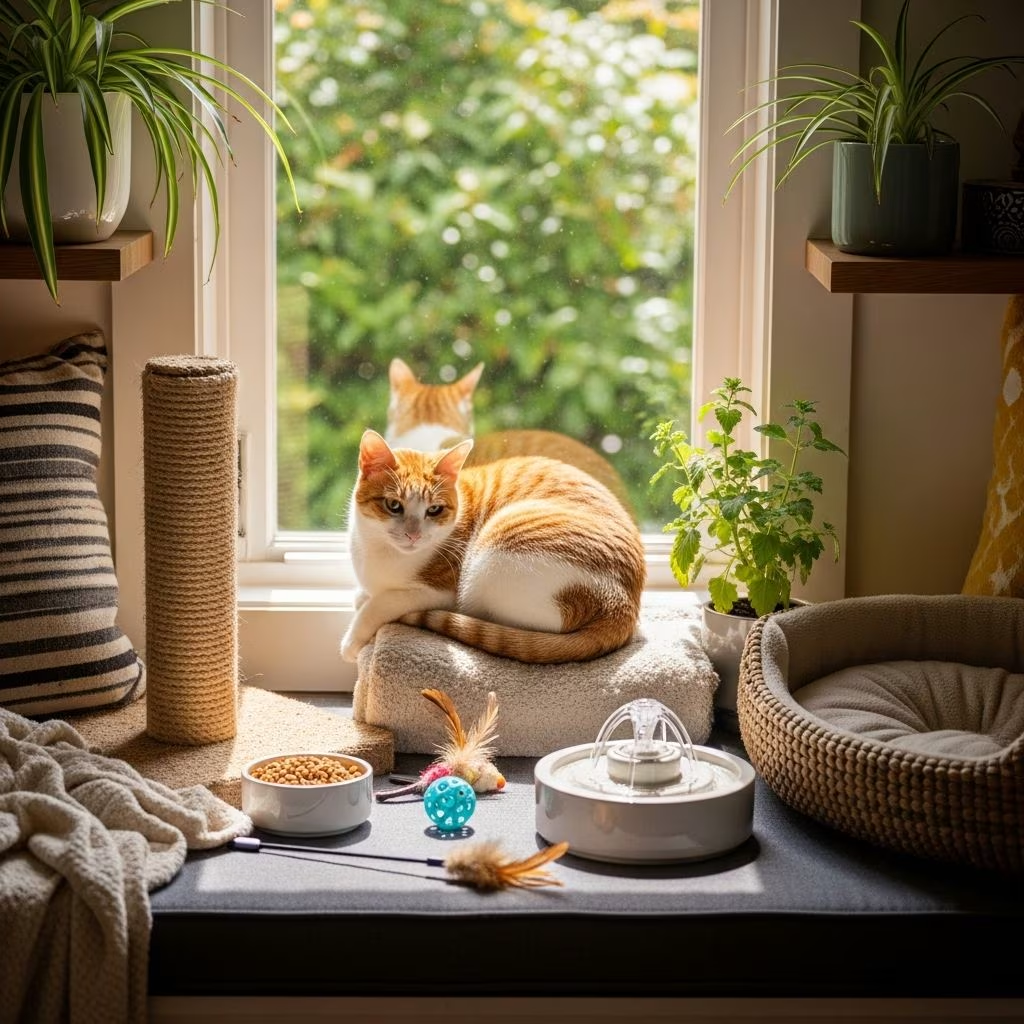
Cats naturally seek elevated positions for observation and security. Providing vertical spaces through cat trees, wall-mounted shelves, and window perches allows your cat to satisfy their climbing instincts while monitoring their territory. Window perches offer the added benefit of outdoor stimulation, allowing your cat to watch birds and activity outside.
Offer Scratching Posts and Pads
Scratching is a natural feline behavior that helps maintain claw health and marks territory. Providing multiple scratching posts and pads throughout your home satisfies this instinct and protects your furniture. Vary the styles—vertical posts, horizontal pads, and angled scratchers—to accommodate different preferences.
2. Ensure They’re Up to Date on Vaccines
Regular vaccinations are fundamental to indoor cat health. Vaccines protect against serious diseases and are essential components of preventive care. Work with your veterinarian to establish an appropriate vaccination schedule based on your cat’s age, health status, and lifestyle.
Core vaccines protect against diseases like feline panleukopenia, feline herpesvirus, and feline calicivirus. Non-core vaccines may be recommended based on individual risk factors. Maintaining current vaccinations ensures your cat has the best protection against preventable diseases.
3. Use Flea and Tick Protection
Even indoor cats can encounter parasites through windows, doors, or on clothing brought into the home. Flea and tick protection is essential for preventing infestations and the diseases these parasites can transmit. Modern preventive treatments are highly effective and come in multiple formats:
- Topical spot-on treatments
- Oral medications
- Flea and tick collars
- Injectable preventatives
Consult your veterinarian to select the most appropriate prevention method for your cat and maintain consistent monthly or as-prescribed applications.
4. Set Up a Cat Patio or Catio
A cat patio, commonly called a catio, provides a secure outdoor experience while protecting your cat from dangers. This enclosed space allows your feline to enjoy fresh air, natural sunlight, and outdoor stimulation without risk of escape or harm from traffic and predators.
Catios range from simple window boxes to elaborate structures attached to your home. They can include climbing structures, perches, and enrichment items to keep your cat engaged. A catio offers an excellent compromise for cats who crave outdoor exploration while maintaining their safety.
5. Make Mealtime Fun
Transforming mealtime into an enriching experience benefits both your cat’s physical and mental health. Instead of simply placing food in a bowl, consider these engaging alternatives:
Use Puzzle Feeders
Puzzle feeders encourage natural foraging behaviors by requiring cats to work for their food. This mental stimulation keeps your cat’s mind active and engaged while slowing their eating pace, which can aid digestion. Various puzzle feeder designs accommodate different difficulty levels and preferences.
Hide Small Food Portions
Distribute portions of your cat’s daily meal in multiple hidden locations throughout your home. This mimics natural hunting and foraging behaviors, providing both physical activity and mental stimulation. Cat toy mice can be stuffed with kibble or treats and hidden around your living space.
Create DIY Foraging Opportunities
Simple DIY options like a shoebox with holes cut into it filled with kibble provide low-cost enrichment. These creative approaches satisfy your cat’s predatory instincts while making meals more interesting.
6. Clicker-Train to Help Your Cat Learn Tricks
Cats are intelligent animals fully capable of learning commands and tricks. Clicker training uses a small device that makes a clicking sound to mark desired behaviors, followed immediately by a reward. This positive reinforcement method is effective and enjoyable for cats.
With patience and high-value treats, you can train your cat to:
- Come when called
- Sit on command
- Give high-fives
- Get down from counters
- Walk on a leash
- Use the toilet
Training sessions should be short, positive, and rewarding. Not only does clicker training teach desired behaviors and create a happier household, but it also keeps your cat’s mind sharp and engaged.
7. Optimize Your Cat’s Litter Box Setup
A happy cat requires a comfortable and accessible litter box setup. Many cat owners make the mistake of prioritizing their own convenience over their cat’s comfort. Consider these optimization strategies:
Box Size and Style
Choose a litter box that is large enough for your cat to turn around comfortably. Some cats prefer uncovered boxes for easy access, while others appreciate covered boxes for privacy. Avoid boxes that are too small or cramped, as this can discourage use.
Placement Considerations
Position litter boxes away from food and water bowls, as cats naturally prefer to eliminate far from where they eat. Avoid placing boxes in noisy areas or near appliances that might startle your cat. Ensure boxes are easily accessible and not blocked by doors or obstacles.
Litter Type and Maintenance
Experiment with different litter types to find your cat’s preference. While some owners prefer scented litter, many cats prefer unscented, fine-textured litter that feels pleasant on their paws. Clean the litter box daily and completely refresh the litter weekly to maintain cleanliness and prevent odor issues.
Multiple Boxes
The general rule is to have one litter box per cat, plus one extra. This ensures each cat has adequate access and reduces territorial conflicts in multi-cat households.
8. Set Up a Routine for Playtime and Exercise Sessions
Cats benefit tremendously from structured playtime and exercise routines. Regular play sessions provide physical activity, mental stimulation, and an opportunity to bond with your feline companion.
Recognizing Playtime Mode
When your cat’s eyes widen and their tail flicks rapidly, playtime mode has been activated. Understanding these signals helps you engage your cat when they’re most receptive to play.
Playtime Duration and Frequency
Schedule multiple short play sessions daily, ranging from five to fifteen minutes each. This mimics cats’ natural hunting patterns of short bursts of intense activity followed by rest. Most cats benefit from at least two to three play sessions daily.
Variety in Play Activities
Offer diverse play experiences to keep your cat engaged:
- Wand toys that mimic prey movement
- Hide-and-seek games throughout your home
- Interactive laser pointer play
- Ball toys your cat can chase
- Toy mice and small prey-like toys
- Cat treadmills for exercise-focused cats
Benefits of Keeping Your Cat Indoors
While outdoor exploration might seem appealing, keeping your cat indoors provides significant safety and health advantages. Indoor cats are protected from numerous hazards including:
- Traffic accidents and vehicle-related injuries
- Predators such as coyotes and hawks
- Infectious diseases from other animals
- Parasites like fleas, ticks, and intestinal worms
- Poisoning from toxic substances or plants
- Getting lost or stolen
Indoor cats typically live significantly longer than outdoor cats, often reaching their late teens or early twenties. This extended lifespan reflects the protective benefits of indoor living.
Transitioning Outdoor Cats to Indoor Living
If you’re transitioning an outdoor cat to indoor living, this process requires patience and planning:
Gradual Reduction of Outdoor Time
Begin by progressively reducing the time your cat spends outdoors. This gradual approach helps your cat adjust to their new lifestyle without experiencing extreme stress or behavioral issues.
Environmental Enrichment
Compensate for reduced outdoor exposure by enriching the indoor environment. Provide scratching posts, climbing structures, toys, and window perches to stimulate your cat’s mind and body.
Establishing Routines
Create consistent feeding, playing, and cuddling routines to help your cat adapt. These predictable patterns provide security and help them adjust to their new indoor lifestyle.
Outdoor Exploration Options for Indoor Cats
If your cat desires outdoor stimulation, several safe options provide outdoor experience with protection:
Leash Training
Leash training allows controlled, supervised outdoor exploration. Introduce your cat to a harness gradually by allowing them to sniff and investigate it. Create positive associations with treats and praise. Begin with short indoor practice sessions before venturing outside. Start in a quiet, familiar area and gradually increase outdoor time as your cat becomes comfortable.
Cat Strollers
For cats uninterested in harnesses, cat strollers provide a safe way to enjoy outdoor sights and sounds. Your cat can observe the environment while remaining secure.
Window Perches and Outdoor Views
Install window perches throughout your home to allow your cat to observe outdoor activity. This provides visual and auditory stimulation and connects your indoor cat to the outside world safely.
Creating a Multi-Cat Household
In multi-cat homes, adequate resources are essential for harmony and well-being. Ensure sufficient:
- Litter boxes (one per cat plus one extra)
- Food and water bowls (preferably separate locations)
- Sleeping areas and hiding spots
- Vertical territory and climbing spaces
- Toys and enrichment items
When cats have enough resources, territorial conflicts decrease and overall household happiness improves.
Health Benefits of Indoor Enrichment
Providing adequate enrichment is not merely about entertainment—it directly impacts your cat’s health. Cats lacking environmental enrichment are prone to developing:
- Bladder inflammation and urinary issues
- Upper respiratory infections
- Dental disease
- Obesity and weight-related problems
- Behavioral issues and stress-related disorders
By offering opportunities for natural behaviors and adequate mental stimulation, you actively prevent these health problems and promote long-term wellness.
Frequently Asked Questions About Indoor Cat Care
Q: How many hours should indoor cats play each day?
A: Most cats benefit from multiple short play sessions totaling 20-30 minutes throughout the day. Divide this into sessions of 5-15 minutes each to match cats’ natural activity patterns.
Q: Can indoor cats get bored?
A: Yes, absolutely. Bored indoor cats can develop behavioral problems and health issues. Regular enrichment, toys, and interactive play prevent boredom and keep cats mentally stimulated.
Q: Is it cruel to keep a cat indoors?
A: No. When properly enriched with toys, climbing structures, and interactive play, indoor cats live happy, healthy lives. Indoor living protects cats from numerous outdoor hazards and typically extends their lifespan significantly.
Q: How often should I rotate my cat’s toys?
A: Rotate toys every few days to a week. This keeps playtime exciting and prevents boredom. Store some toys away and bring them back later as “new” toys.
Q: What’s the best way to introduce leash training to my cat?
A: Start indoors by letting your cat become familiar with the harness through sniffing and exploration. Use treats and positive reinforcement. Practice walking indoors before attempting outdoor exploration.
Q: How do I know if my cat is getting enough enrichment?
A: A well-enriched cat is playful, calm, and content. They have no destructive behaviors, maintain a healthy weight, and show interest in interactive activities. If your cat seems bored or lethargic, increase enrichment opportunities.
Q: Are puzzle feeders safe for cats?
A: Yes, puzzle feeders are safe and beneficial. They slow eating pace, provide mental stimulation, and satisfy natural foraging instincts. Supervise initially to ensure your cat understands how to use the feeder.
Creating Your Cat’s Ideal Indoor Environment
The foundation of a happy indoor cat is a thoughtfully designed living space. Combine multiple enrichment strategies to create an environment that satisfies your cat’s physical, mental, and emotional needs. By providing toys, climbing structures, interactive play, proper nutrition, regular veterinary care, and safe outdoor experiences, you enable your indoor cat to thrive. Remember that each cat has unique preferences and personality—observe your feline companion to understand their individual needs and adjust your enrichment strategies accordingly.
Creating a happy, healthy indoor cat requires commitment and creativity, but the reward is a contented feline companion who brings joy and companionship to your home for many years to come.
References
- 8 Ways To Keep Your Indoor Cat Happy and Healthy — Chewy. 2024. https://www.chewy.com/education/cat/health-and-wellness/how-to-keep-indoor-cats-happy
- Secrets to Keeping Your Indoor Cat Happy — PetMD. Reviewed February 25, 2019, by Dr. Jennifer Coates, DVM. https://www.petmd.com/secrets-keeping-your-indoor-cat-happy
- 11 Signs You Have a Happy Cat — Chewy. 2024. https://www.chewy.com/education/cat/health-and-wellness/7-signs-of-a-happy-cat
- How To Keep Your Cat Away From Your Houseplants — Chewy. 2024. https://www.chewy.com/education/cat/training-and-behavior/how-to-keep-cats-away-from-plants



