

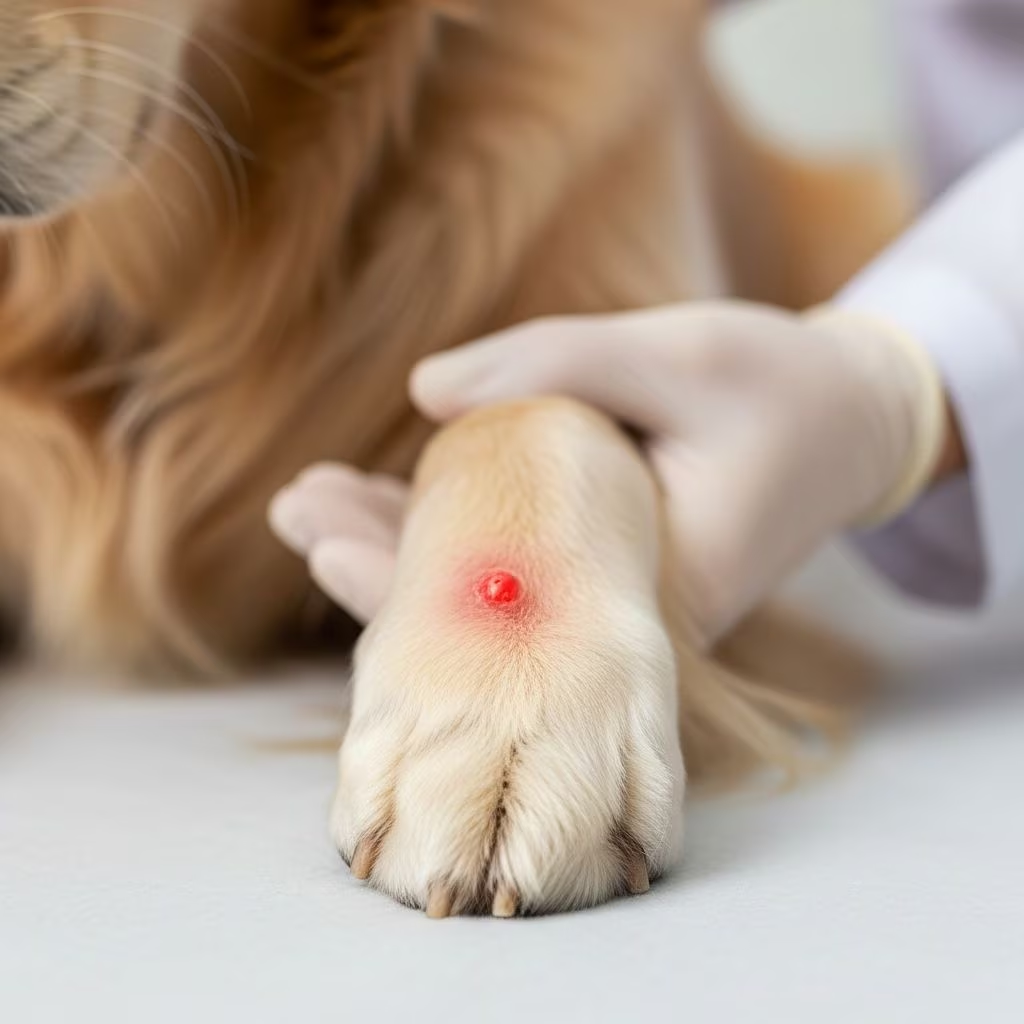
What is Flesh-Eating Disease in Dogs?
Necrotizing fasciitis, commonly known as flesh-eating disease, is a serious bacterial infection that affects the tissues beneath a dog’s skin. This aggressive condition is characterized by rapid progression and poses a significant threat to your dog’s health and survival. Unlike typical wound infections that develop gradually, necrotizing fasciitis can spread across affected tissue at an alarming rate, causing severe tissue damage in a matter of hours.
This life-threatening infection most commonly targets the fat and connective tissue, known as fascia, located on your dog’s lower limbs, neck, or belly. The disease is particularly dangerous because it is notoriously difficult to diagnose in its early stages. In the initial phases, necrotizing fasciitis can easily be mistaken for a standard wound infection before more obvious signs, such as large lesions and systemic illness, become apparent.
The reason flesh-eating disease is so devastating is due to the way bacteria interact with your dog’s immune system. When bacteria invade a wound, they trigger an inflammatory response that, while normally protective, can become destructive in cases of necrotizing fasciitis. The bacteria release toxins that severely restrict blood flow to the infected area. Without adequate blood supply, the tissues begin to die off rapidly, allowing the infection to spread more quickly and extensively through surrounding healthy tissue.
Early Symptoms and Warning Signs
Recognizing the early indicators of necrotizing fasciitis is crucial for saving your dog’s life. The initial signs of flesh-eating disease share many characteristics with localized infections, which is why many cases are initially missed or misdiagnosed. Understanding these warning signs can help you seek emergency veterinary care before the condition becomes critical.
The most common early symptoms include:
- Regional pain – Discomfort localized to the infected area
- Swelling – Inflammation that may extend beyond the visible wound
- Redness – Initial erythema at the site of infection
- Rapidly spreading inflammation – One of the most critical warning signs that distinguishes necrotizing fasciitis from ordinary infections
- Disproportionate pain – Pain levels that seem excessive compared to the size of the visible wound
As the condition progresses, more severe symptoms become evident. A wide area of skin may turn purplish or blackish in color, indicating tissue death. Your dog may become visibly ill, showing signs of systemic infection such as fever, lethargy, and loss of appetite. The presence of rapidly advancing discoloration combined with signs of overall illness should prompt immediate emergency veterinary attention.
How Do Dogs Get Flesh-Eating Disease?
Dogs most commonly develop necrotizing fasciitis following a skin wound of any type that becomes infected. This could originate from various sources, including traumatic injuries, surgical wounds, puncture wounds, abrasions, or even minor cuts that go unnoticed initially. The key factor is not the severity of the initial wound but rather how the infection develops and progresses.
Once bacteria invade the wound, they trigger an immune response that causes inflammation. This inflammatory process, while normally beneficial in fighting infection, can become problematic with certain bacteria that release toxins. These toxins restrict blood flow to the infected area, creating a cascade of tissue damage that characterizes necrotizing fasciitis.
Common Bacterial Culprits
Several bacterial species can cause necrotizing fasciitis in dogs. The most commonly isolated bacterium is β-hemolytic Streptococcus canis, which is responsible for the majority of cases. Other bacteria that can cause this serious infection include:
- Escherichia coli (E. coli)
- Staphylococcus species
- Pseudomonas aeruginosa
An important point to understand is that these bacteria are actually part of your dog’s normal microbiome. They exist naturally on your dog’s skin and in their environment without causing problems. This means there is no way to pre-treat your dog to eliminate all bacteria that could potentially cause necrotizing fasciitis. The good news is that in most dogs, these bacteria never cause a serious problem. However, when certain conditions are met—particularly when a wound becomes infected and the bacteria trigger an excessive inflammatory response—these otherwise harmless microorganisms can become dangerous.
Diagnosis of Necrotizing Fasciitis
Diagnosing necrotizing fasciitis presents a significant clinical challenge because the condition progresses so rapidly that waiting for definitive test results can be fatal. A veterinarian will make a definitive diagnosis using tissue biopsies and bacterial cultures taken from deep within the infected area. However, these tests typically take several days to return results, and dogs with necrotizing fasciitis often decline significantly before the diagnosis is confirmed through laboratory testing.
Because of this time constraint, veterinarians often must make a tentative diagnosis based on clinical presentation and the rate of progression rather than waiting for laboratory confirmation. The appearance of the wound and how quickly it is spreading are critical diagnostic indicators.
Imaging and Additional Tests
Your veterinarian may use imaging techniques such as radiographs (X-rays) or ultrasound to examine the infected area. While these imaging studies may indicate that the infection is serious, they are not definitive for diagnosing necrotizing fasciitis. Instead, they serve to support clinical suspicion and help determine the extent of tissue involvement.
Blood work can provide additional clues. Dogs with necrotizing fasciitis often show inflammatory responses in their bloodwork, including elevated white blood cell counts with a left shift. Many affected dogs also exhibit thrombocytopenia (low platelet counts) and other signs of systemic inflammation.
Treatment Options for Flesh-Eating Disease
Necrotizing fasciitis can be deadly, but dogs can survive with immediate recognition and aggressive treatment. The approach to treating this condition involves a combination of medical and surgical interventions, with timing being absolutely critical to survival.
Antibiotic Therapy
Treatment with broad-spectrum intravenous antibiotics is essential for managing necrotizing fasciitis. The preferred antibiotics are β-lactam and β-lactamase inhibitors, which include high-dose penicillins, carbapenems, and clindamycin. Common antibiotic combinations used include ampicillin/sulbactam and ceftazidime.
Antibiotics help keep systemic infection and sepsis under control, preventing the bacteria from spreading throughout the bloodstream and body. However, there is an important limitation: antibiotics cannot effectively reach dead or dying tissue. This is why surgery is essential and antibiotics alone cannot cure necrotizing fasciitis.
Surgical Intervention
Surgery is absolutely necessary to give your dog a chance of survival. The procedure involves removing necrotic (dead) and infected tissue, a process called surgical debridement. This aggressive surgical approach is critical because the dead tissue provides a protected environment where bacteria can thrive, safe from the effects of antibiotics and the immune system.
The importance of surgical intervention cannot be overstated: the mortality rate for necrotizing fasciitis treated with medical management alone is 100%. Dogs that receive surgical debridement in addition to antibiotic therapy have a significantly improved chance of survival compared to those receiving antibiotics without surgery.
Supportive Care and Hospitalization
Dogs with necrotizing fasciitis typically have sepsis and become very sick from the systemic spread of bacteria throughout their bloodstream and body. Aggressive in-hospital therapy is necessary to provide appropriate care, including:
- Blood pressure support – Many dogs develop hypotensive crises that require vasopressor medications
- Intravenous fluid therapy – To maintain hydration and support organ function
- Pain control – Strong analgesics to manage the severe discomfort associated with the infection
- Vital parameter monitoring – Continuous observation of heart rate, blood pressure, oxygen saturation, and other critical indicators
- Additional supportive therapies – Whatever interventions are necessary to promote healing and overall comfort
Why Early Recognition is Critical
Getting wounds treated promptly and ensuring they respond appropriately to treatment is absolutely key to early recognition of flesh-eating disease. One of the hallmark features of necrotizing fasciitis is that it progresses far more rapidly than a normal wound infection. If a wound is not improving with standard care, or if it is rapidly worsening, this is a red flag that something more serious may be occurring.
Necrotizing fasciitis is treatable, but delaying therapy dramatically increases the risk for life-threatening complications. The window of opportunity for successful treatment is narrow, making it essential to act quickly when you suspect this condition. Learning the symptoms and responding immediately are your best tools for protecting your dog.
Prevention and Wound Care
While it is impossible to completely prevent necrotizing fasciitis since the causative bacteria are part of your dog’s normal microbiome, you can reduce the risk by practicing proper wound care. Any injury to your dog’s skin should be cleaned promptly with antimicrobial solution and monitored closely for signs of infection.
After any procedure that creates a wound—whether from surgery, trauma, or injury—keep the area clean and watch for signs of infection. Contact your veterinarian immediately if you notice:
- Increasing redness or swelling that is not improving after 24-48 hours
- Rapid spread of inflammation beyond the original wound boundaries
- Discoloration of the skin, particularly purplish or blackish hues
- Discharge from the wound, particularly if it is foul-smelling
- Your dog showing signs of systemic illness such as fever or lethargy
- Pain levels that seem disproportionate to the size of the wound
Frequently Asked Questions
Q: How common is flesh-eating disease in dogs?
A: Necrotizing fasciitis is rare in the grand scheme of wound infections in dogs. However, because it is so serious and rapidly progressive, any suspected case should be treated as a medical emergency.
Q: Can flesh-eating disease be prevented?
A: Complete prevention is not possible because the bacteria that cause necrotizing fasciitis are part of a dog’s normal skin microbiome. However, prompt treatment of wounds and monitoring for signs of infection can help catch the condition early.
Q: What is the survival rate for dogs with necrotizing fasciitis?
A: The survival rate depends heavily on how quickly the condition is recognized and treated. Dogs receiving antibiotics alone have a 0% survival rate, while those receiving prompt surgical debridement combined with aggressive medical management have a significantly better chance of survival.
Q: How quickly does necrotizing fasciitis progress?
A: Necrotizing fasciitis is characterized by rapid progression. Dramatic changes can occur within hours of infection, which is why immediate veterinary attention is so critical.
Q: Can antibiotics alone cure flesh-eating disease?
A: No. While antibiotics are an important part of treatment, they cannot reach dead tissue where bacteria thrive. Surgery to remove necrotic tissue is essential for survival.
Q: What should I do if I suspect my dog has necrotizing fasciitis?
A: Seek emergency veterinary care immediately. Do not delay, as every hour counts when dealing with this rapidly progressive condition. Inform your veterinarian of the rapid progression of symptoms and any wounds, even minor ones, that may have preceded the current signs.
References
- How to Keep Your Dog Safe From Flesh-Eating Bacteria — Kinship. 2024. https://www.kinship.com/dog-health/flesh-eating-bacteria-dog-risk
- Case Series: Necrotizing Fasciitis in 4 Dogs — Today’s Veterinary Practice. 2024. https://todaysveterinarypractice.com/emergency-medicine-critical-care/necrotizing-fasciitis-in-dogs/
- Staphylococcus pseudintermedius Necrotizing Fasciitis in a Dog — PubMed Central, National Center for Biotechnology Information. 2009. https://pmc.ncbi.nlm.nih.gov/articles/PMC2684055/
- Staph Infection in Dogs: Emergency Signs and Fast-Action Steps — Golden State Veterinary Society. 2024. https://gsvs.org/blog/staph-infection-dogs-emergency-signs/
- Skin: Necrotizing Fasciitis in Dogs (Canis) — Vetlexicon. 2024. https://www.vetlexicon.com/canis/dermatology/articles/skin-necrotizing-fasciitis/



