

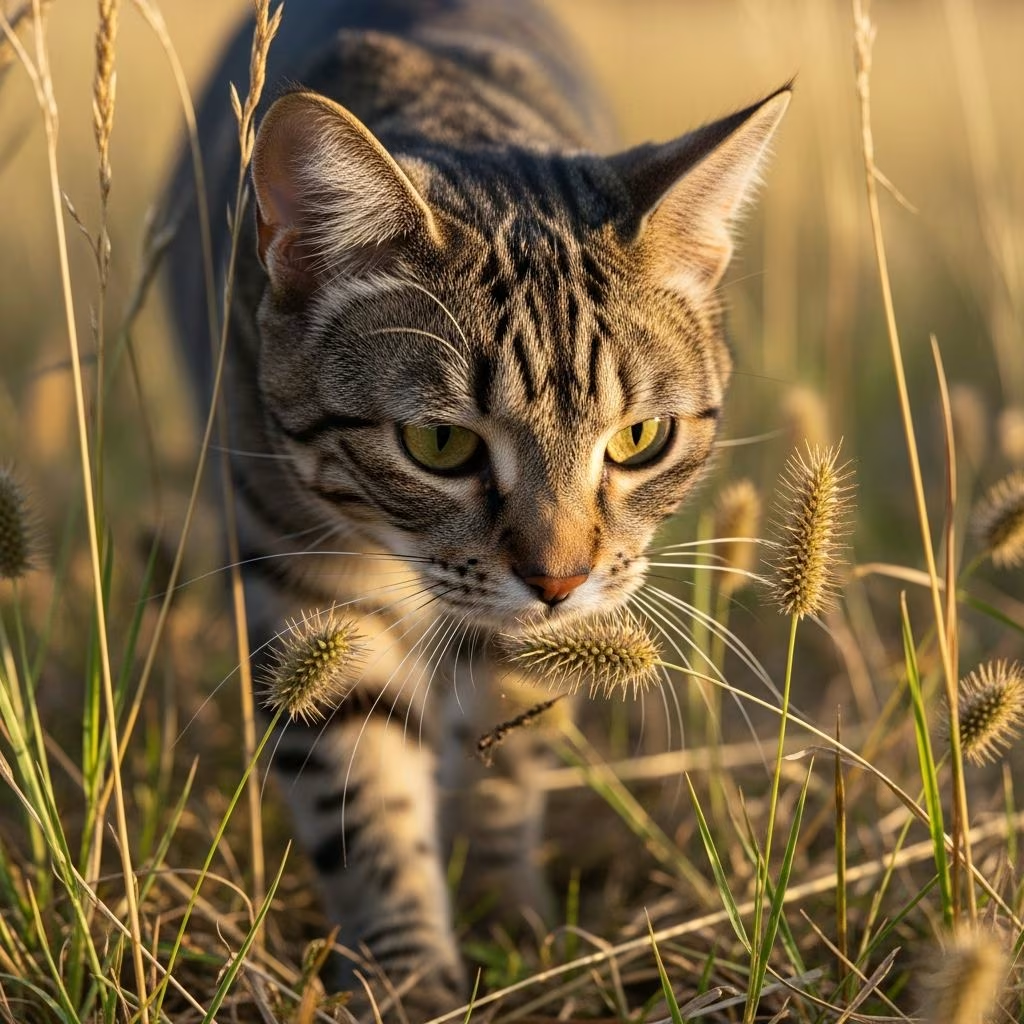
Foxtails, the barbed seed heads of certain grasses, pose a significant threat to cats, capable of embedding in skin, eyes, ears, nose, and paws, leading to pain, infection, and potentially life-threatening complications if untreated. These invasive seeds, prevalent in dry seasons, migrate deeper into tissues due to their one-way barbs, making early detection crucial for feline health.
What Are Foxtails and Why Are They Dangerous for Cats?
Foxtails are the mature, dried seed pods of grasses like Hordeum murinum or cheatgrass, resembling fox tails with sharp, backward-facing barbs designed to burrow into soil or animal fur for propagation. In cats, these barbs latch onto fur during outdoor exploration, resisting removal and driving inward with movement, potentially reaching vital organs. Unlike dogs, cats’ grooming habits exacerbate risks as they ingest or embed seeds while licking fur.
The danger stems from their barbed structure: once embedded, foxtails do not biodegrade and can migrate through tissues at rates up to an inch per day, causing abscesses, perforations, or systemic infections. Veterinary literature reports cases of foxtails traveling to lungs, spines, or brains in pets, with cats particularly vulnerable due to curious sniffing and pouncing behaviors. Peak season spans late spring to fall in dry climates like California, where overgrown fields harbor these grasses.
How Do Cats Get Foxtails?
Cats encounter foxtails during outdoor adventures in grassy areas, parks, or unkempt yards. The seeds cling to fur on paws, bellies, tails, or faces, then work inward. Indoor-outdoor cats or those escaping briefly face highest risks; even brief exposure suffices.
- Brushing against dry grasses during play or hunting.
- Sniffing or pawing seed clusters in fields or roadsides.
- Grooming contaminated fur, leading to oral or respiratory entry.
Owners often overlook initial attachment, as seeds mimic harmless debris until symptoms emerge days later.
Symptoms of Foxtails in Cats
Manifestations vary by entry point, often delayed until inflammation sets in. Vigilance post-outdoor time is key.
Foxtails in Eyes
Corneal ulcers, squinting, tearing, pawing at eyes, or cloudiness signal ocular foxtails, risking vision loss if untreated.
Foxtails in Ears
Head shaking, tilting, odor, discharge, or whining indicate aural penetration, potentially rupturing eardrums.
Foxtails in Nose
Sneezing, nasal discharge (often bloody or unilateral), pawing at snout, or breathing issues point to nasal lodgment.
Foxtails in Skin
Swelling, draining tracts, licking/chewing at sites like armpits, groin, or tail base form abscesses as seeds migrate.
Foxtails in Paws
Limping, licking between toes, swelling, or punctures between pads are common, leading to deep infections.
Foxtails in Mouth or Throat
Excessive swallowing, drooling, coughing, or gagging occur from oral entry via grooming.
Systemic signs like lethargy, fever, or appetite loss signal advanced migration.
What to Do If You Suspect a Foxtail in Your Cat
Never attempt deep removal yourself; barbs can fracture, worsening issues. Isolate the area, prevent licking (use cone if needed), and seek veterinary care immediately.
- Inspect visually: Part fur, check high-risk areas under good light.
- Surface removal: Use tweezers for shallow seeds, pulling parallel to barbs.
- Monitor: If redness/swelling persists, vet visit essential.
Vets use sedation, scopes, or imaging (X-rays, ultrasounds) for extraction; antibiotics treat secondary infections. Delays increase surgery needs, costs averaging $500-$5000.
Preventing Foxtails in Cats
Proactive measures minimize exposure.
- Keep cats indoors: Ideal during peak seasons (spring-fall).
- Yard maintenance: Mow lawns, remove foxtails pre-dry-out.
- Post-outing checks: Daily full-body exams: paws, ears, nose, belly, genitals.
- Grooming: Short trims for long-haired cats; daily brushing.
- Avoid risks: Skip grassy fields; leash walks if outdoors.
- Protective gear: Consider pet-safe boots or hoodies for adventurers.
| Prevention Strategy | Benefits for Cats | Implementation Tips |
|---|---|---|
| Indoor living | Eliminates exposure | Enrich with toys, windows |
| Daily inspections | Catches early | Use flashlight, comb fur |
| Coat trimming | Reduces trapping | Professional groomer cuts |
| Yard control | Removes source | Weed early, mulch areas |
Treatment Options for Foxtail Injuries in Cats
Severity dictates approach: Outpatient for surface issues; surgery for deep ones. Common methods:
- Sedated extraction with forceps/endoscopes.
- Abscess drainage/flushing.
- Imaging-guided removal for migrants.
- Antibiotics, pain meds post-procedure.
Complications like pneumonia or sepsis require hospitalization; prognosis excellent with prompt care.
Frequently Asked Questions (FAQs)
Can indoor cats get foxtails?
Yes, via open windows, tracked-in seeds, or escapes.
How quickly do foxtails cause problems?
Symptoms may appear in hours to days; migration accelerates issues.
Can I remove a foxtail at home?
Only surface ones; embedded require vets to avoid fragments.
Are foxtails seasonal?
Primarily dry summer/fall, but year-round in mild climates.
What if my cat shows no symptoms?
Regular checks prevent silent migrations.
This comprehensive guide empowers cat owners to protect their pets from foxtails, emphasizing prevention and vigilance for healthy, happy felines. Early action saves lives and avoids costly interventions.
References
- Protecting Your Pet From Foxtails — SF SPCA. Accessed 2026. https://www.sfspca.org/blog/protect-your-pet-from-the-dangers-of-foxtails/
- Keeping your pets safe from pesky foxtails — Haven Humane Society. Accessed 2026. https://www.havenhumane.org/post/keeping-your-pets-safe-from-pesky-foxtails
- Foxtails, Symptoms and Prevention — Sierra Animal Wellness Center. 2016-05. https://sierraanimalwellnesscenter.com/wp-content/uploads/2018/07/2016-05-Foxtails-Symptoms-and-Prevention.pdf
- Foxtails: What Every Dog And Cat Parent Needs To Know — Elite Veterinary Care. Accessed 2026. https://www.eliteveterinarycare.com/blog/foxtails-what-every-dog-and-cat-parent-needs-to-know
- The Hidden Danger of Cheatgrass and Foxtails to Your Pets — MedVet. Accessed 2026. https://www.medvet.com/cheatgrass-foxtails-dangers/
- Foxtails: Problems and Preventions — Reed Animal Hospital. Accessed 2026. https://www.reedanimalhospital.com/blog/foxtails-problems-and-preventions/



