

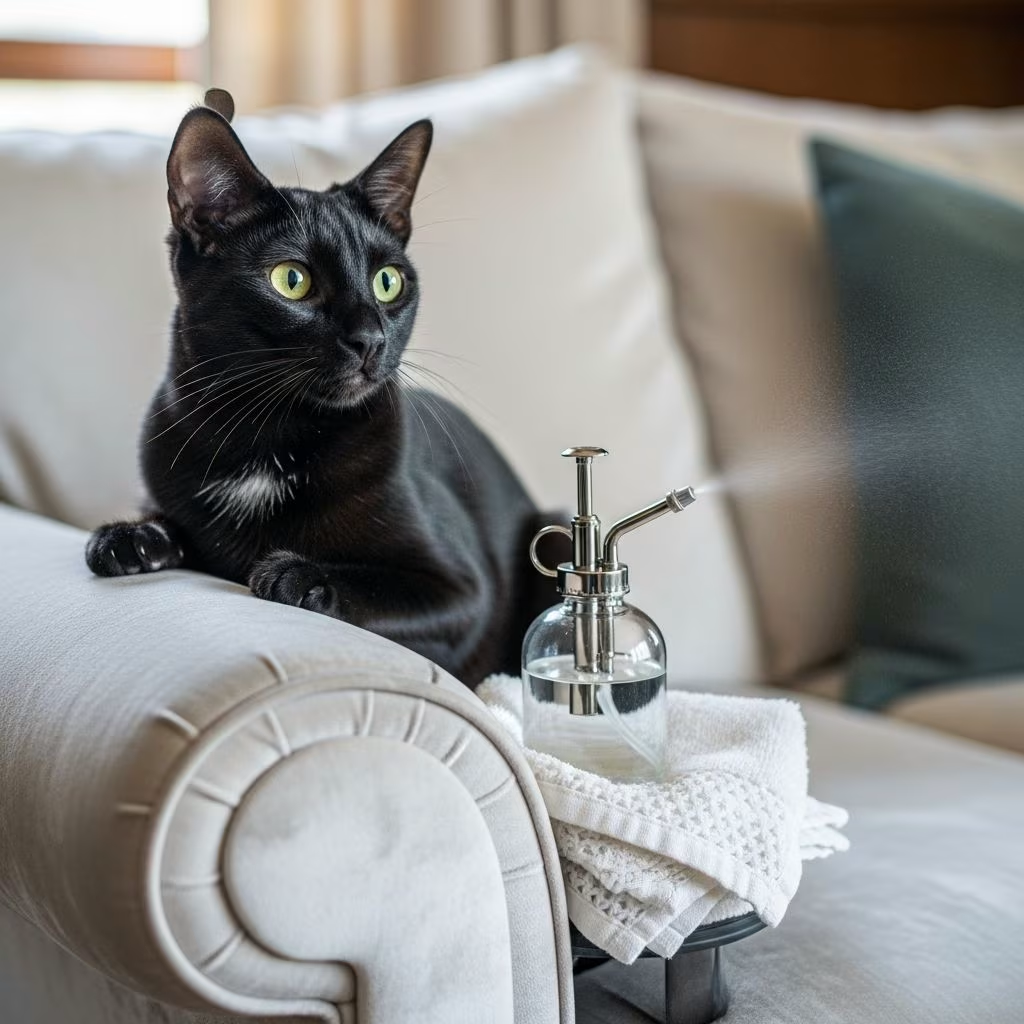
Cat owners often face the challenge of keeping their feline friends from scratching or lounging on furniture. A simple, effective solution is using white vinegar, a natural, non-toxic repellent that cats dislike due to its strong odor. This vet-approved method involves a homemade spray made from vinegar, water, and castile soap, which is safe for cats and most fabrics. Unlike essential oils that can harm pets’ nervous systems, white vinegar poses no such risks and doubles as a cleaner and deodorizer.
In this comprehensive guide, we’ll walk you through the exact 4-step process, including gathering ingredients, mixing the solution, applying it, and customizing for best results. We’ll also cover complementary strategies like providing scratching posts to address the root causes of unwanted behavior. By following these steps, you can protect your home while keeping your cat safe and happy.
The 4 Steps for How to Keep Cats off Furniture
Creating and using a vinegar-based repellent is straightforward and uses household items. Consistency is key—apply daily until your cat learns to avoid the area. Always test on a hidden spot first to ensure no discoloration.
1. Gather the Ingredients
Our recipe requires just three simple, accessible ingredients: white vinegar, castile soap, and water. Each plays a crucial role in repelling cats effectively and safely.
- White Vinegar: The star ingredient, white vinegar’s pungent smell repels cats naturally. It’s colorless, non-toxic, and safe around other pets. Cats’ sensitive noses detect the acetic acid odor from afar, deterring them without harm.
- Castile Soap: This plant-based soap, derived from olive oil, enhances the repellent’s sticking power and adds another layer of feline-unfriendly scent. Opt for unscented liquid castile soap to avoid synthetic chemicals or animal products. It’s biodegradable and gentle.
- Water: Dilutes the mixture to prevent overpowering scents or potential fabric damage. It reduces intensity if your cat reacts strongly or if testing reveals staining risks on older upholstery.
These ingredients are inexpensive and likely already in your pantry. Procure distilled white vinegar for purity, avoiding apple cider vinegar which may stain due to its color.
2. Mix the Ingredients
Precise ratios ensure the spray is potent yet safe. This basic recipe yields about 24 ounces, enough for multiple applications.
| Ingredient | Amount |
|---|---|
| White Vinegar | 8 oz |
| Castile Soap (liquid) | 8 oz |
| Water | 8 oz |
Instructions:
- Combine all ingredients in a large bowl.
- Stir gently to mix without creating excessive bubbles from the soap.
- Transfer to a 32-ounce spray bottle using a funnel.
- Shake vigorously for 30 seconds to emulsify.
Store in a cool, dark place; shake before each use. The mixture remains effective for weeks. Variations include adding citrus peels for extra repellency, but test thoroughly.
3. Spray the Solution
Application is simple: lightly mist targeted surfaces like couches, chairs, and countertops. Focus on areas your cat frequents.
- Spray once daily, allowing to air dry. Reapply after cleaning or high-traffic use.
- Avoid soaking fabrics; a fine mist suffices as the odor lingers.
- For outdoor furniture, apply more frequently due to weather dilution.
Observe your cat’s reaction—they may sneeze or avoid the spot immediately. Persistence pays off; most cats adapt within a week. Never spray directly on your cat or near food bowls.
4. Tailor the Recipe
Not one-size-fits-all—adjust based on results and surfaces.
- If too strong: Add more water (up to double) to mellow the scent, ideal for sensitive cats or delicate fabrics.
- If ineffective outdoors: Reduce water for stronger concentration; wind disperses odors faster.
- Staining concerns: Dilute heavily and test inconspicuously. Vinegar lifts embedded dirt, which can cause darkening on vintage pieces.
- Alternatives: Mix with lemon juice or herbs like rosemary for boosted repellency, but avoid on plants.
Monitor for a few days and tweak. Combining with behavioral training enhances long-term success.
Why Do Cats Jump on Furniture?
Cats claim furniture for warmth, height, scent-marking, and scratching. Their natural instincts drive perching for security and claw maintenance. Vinegar disrupts these by masking appealing scents and creating aversion. Addressing instincts holistically prevents rebound behaviors.
Potential Downsides of Vinegar Repellent
While effective, consider these:
- Staining risk: Powerful cleaning can remove grime, altering colors on old fabrics.
- Temporary: Odor fades; reapply regularly.
- Human scent: Mild vinegar smell dissipates quickly for people.
- Not for all surfaces: Avoid leather or untreated wood without testing.
Safety first: Vinegar is GRAS (Generally Recognized as Safe) by FDA standards for household use, non-toxic if ingested in small amounts.
Get Your Cat a Scratching Post
Repellents treat symptoms; scratching posts solve the cause. Cats scratch to shed claw sheaths, mark territory, and stretch.
- Provide multiple posts in various locations, materials (sisal, cardboard, wood).
- Position near problem furniture to redirect behavior.
- Encourage use with catnip or toys.
Recommended: The Hi-Lo scratching post with 3 configurations, thick cardboard, and birch frame. It satisfies instincts stylishly, protecting furniture long-term. Train by placing toys on posts and rewarding use.
Other Ways to Keep Cats Off Furniture
Diversify strategies for best results:
- Double-Sided Tape: Cats hate sticky textures.
- Foil or Plastic Mats: Unpleasant under paws.
- Citrus Peels: Natural scent deterrent.
- Feliway Diffusers: Synthetic pheromones reduce stress scratching.
- Training: Positive reinforcement with treats for off-furniture behavior.
Frequently Asked Questions
Is vinegar safe for cats?
Yes, white vinegar is non-toxic and safe around cats when diluted properly. It won’t harm their nervous system like some essential oils.
Will vinegar stain my furniture?
It may lift dirt from old fabrics, causing discoloration. Always test in a hidden area and dilute if needed.
How often should I spray the vinegar solution?
Once daily until behavior changes, then as needed for maintenance.
Can I use apple cider vinegar instead?
Avoid it; the color can stain. Stick to distilled white vinegar.
What if the spray doesn’t work?
Combine with scratching posts, adjust strength, or try alternatives like citrus or tape.
Summary
Vinegar offers a safe, affordable way to keep cats off furniture. The 4-step spray recipe—vinegar, castile soap, water—repels effectively while cleaning. Pair with scratching posts for permanent solutions. Non-toxic and versatile, it’s ideal for homes with pets. Share this guide to help fellow cat owners!
References
- How to Keep Cats Off Furniture Using Vinegar: 4 Vet Approved Steps — Catster. 2023. https://www.catster.com/lifestyle/keep-cats-off-furniture-with-vinegar/
- Homemade Cat Repellents to Keep Your Furniture and Garden Safe — Vet Organics. 2022. https://www.vet-organics.com/blogs/news/homemade-cat-repellents-to-keep-your-furniture-and-garden-safe
- Homemade Cat Repellent Recipes — USDA Animal and Plant Health Inspection Service (via referenced natural repellent guidelines). 2024. https://www.aphis.usda.gov/



