

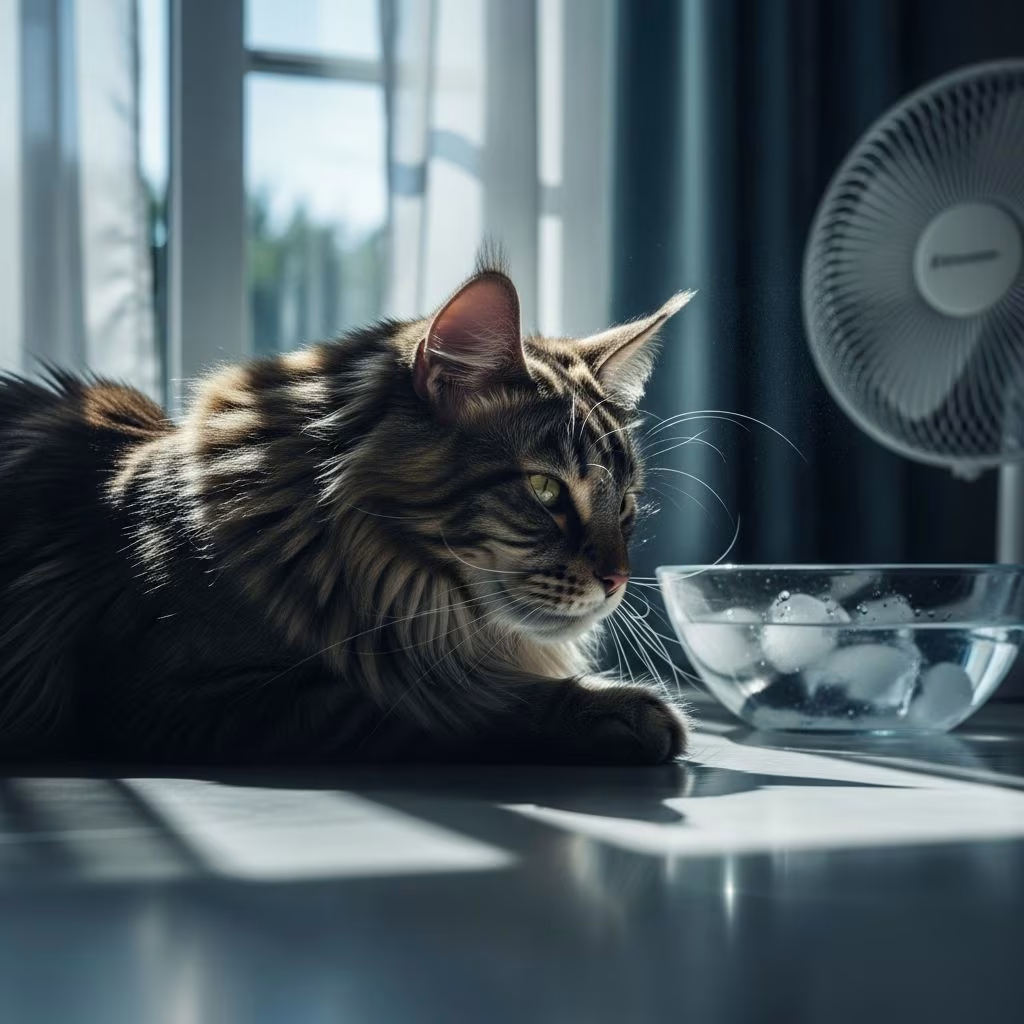
As temperatures rise during the summer months, cat owners face a significant challenge: maintaining a safe, comfortable environment for their feline companions without air conditioning. Cats are particularly vulnerable to heat stress, as they cannot regulate their body temperature as efficiently as humans. When indoor temperatures climb above 85°F (29°C), cats risk overheating, which can lead to serious health complications. Unlike dogs, cats often hide signs of discomfort, making it essential for owners to be proactive in creating cooling solutions. The good news is that with thoughtful planning and practical strategies, you can keep your cat cool and comfortable throughout the summer season.
Understanding Your Cat’s Heat Vulnerability
Cats are naturally drawn to warm environments, but excessive heat poses real health risks. Their primary cooling mechanism is panting, which allows for evaporation of moisture from their lungs and airways, releasing heat in the process. However, this method is less efficient than the cooling systems humans possess. Additionally, cats with long hair, obesity, or pre-existing health conditions are at higher risk during extreme heat. Recognizing that your cat may be sneaky about showing discomfort means you’ll need to create a cool environment that allows them to regulate their body temperature safely.
Hydration: The Foundation of Summer Cat Care
Proper hydration is the cornerstone of keeping your cat cool and healthy during summer. Many cats naturally don’t drink enough water, which becomes even more critical during hot weather. The key is making water access convenient and appealing.
Multiple Water Stations
Instead of relying on a single water bowl, place multiple water bowls throughout your home in easily accessible areas. Ensure that water bowls are kept away from litter trays, as cats are naturally averse to drinking near their waste. Change the water frequently throughout the day to keep it fresh and inviting.
Enhanced Water Appeal
Consider switching to a wide ceramic bowl or investing in a cat water fountain with gentle circulation. Many cats prefer fresh, moving water, as fountains encourage more frequent drinking. Adding a few ice cubes to water bowls can make drinking more appealing, though ensure your cat is comfortable with cooler water before making this a standard practice.
Wet Food and Frozen Treats
Incorporate wet food into your cat’s diet, as it contains higher moisture content than dry kibble. Additionally, frozen treats provide dual benefits: they help your cat cool down while providing hydration. You can freeze your cat’s wet food for a cool, satisfying meal. Always supervise your cat when giving frozen treats, and if frozen pieces are large, break them up before serving to prevent choking hazards.
Creating Cool Surfaces and Spaces
Cats naturally seek out cool spots when temperatures rise. Understanding your home’s thermal dynamics allows you to create strategic cooling zones.
Utilize Cool Flooring
Tile floors, bathtubs, porcelain sinks, and hardwood surfaces stay cooler longer than carpet and retain less heat. Keep bathroom doors open so your cat can access these naturally cool areas. If your cat disappears during hot afternoons, check these spaces first—they’re likely already using them for relief. Consider removing or rolling up rugs to expose cooler flooring underneath.
DIY Cooling Pads and Stations
Create affordable cooling solutions using items you likely have at home. Place frozen gel packs or cold water bottles wrapped in towels in your cat’s preferred nap zones. Chilled ceramic tiles or baking sheets set in the shade create an effective go-to cooling station. You can also freeze a water bottle, wrap it in a dish towel, and place it near your cat’s resting area, rotating these throughout the day as they melt. Alternatively, lay out cool, damp towels for your pets to lie on.
Elevated Beds for Better Air Circulation
Invest in raised cat beds that allow air to circulate underneath, lifting your cat off the warm floor. Look for beds made of breathable materials like mesh or bamboo. These elevated designs promote airflow and prevent your cat from absorbing heat from the ground.
Strategic Shading and Light Control
Preventing sunlight from heating your home is one of the most effective ways to reduce indoor temperatures. Sunlight entering through windows creates a greenhouse effect that rapidly increases room temperature.
Blackout Curtains and Blinds
Close blinds or curtains on east- and west-facing windows during the hottest hours of the day. Blackout curtains are especially helpful if you live in areas where heat and sunlight are intense for long stretches. If you usually leave blinds open so your cat can look out the window, compromise by blocking the lower portion while still allowing some light and visibility at the top.
Creating Shaded Sanctuaries
Shift cat perches or towers to areas that receive indirect light but not full sun. Create cool, shaded areas throughout your home using curtains, blinds, or even strategically placed cardboard boxes. Pay special attention to your cat’s favorite lounging spots and provide them with shady alternatives. Utilize lightweight, breathable fabrics to cover windows, effectively blocking out heat while still allowing light to filter through gently.
Air Circulation and Ventilation
Even without air conditioning, keeping air moving is crucial for preventing stagnant, still heat that intensifies discomfort.
Strategic Fan Placement
Position fans to blow across shaded areas or near water bowls. While fans don’t cool the air the way AC does, they help circulate airflow and speed up evaporation of moisture in the environment, which can help make the space feel less stifling. For extra cooling power, place a frozen water bottle in front of a box fan to create a DIY air chiller. A simple box fan plus a frozen jug of water can significantly improve comfort levels.
Nighttime Ventilation
Keep windows open at night if outdoor temperatures are cooler than indoor conditions. This allows cooler air to circulate through your home and can help lower daytime temperatures before the heat returns.
Grooming: A Natural Temperature Regulator
Cats naturally groom more in summer to stay cool, but long-haired breeds need extra help from their owners. Excess fur traps heat and makes your cat uncomfortable.
Daily Brushing Routine
Brush your cat daily during hot weather to remove excess fur and prevent matting, which traps heat. This simple practice significantly improves your cat’s ability to regulate body temperature. Never attempt to trim or remove mats with scissors or shavers, as it’s very easy to accidentally cut your cat’s sensitive skin.
Specialized Grooming Styles
For long-haired breeds, consider a lion cut, which gives your cat a more comfortable coat that still protects the skin from sun damage. This professional grooming style removes excess fur while maintaining protection for vulnerable areas.
Gentle Temperature Management
On hot days, gently stroke your cat with a damp washcloth or paper towel to help them cool down. This soothing touch combines two benefits: cooling and stress relief, as most cats enjoy gentle petting.
Environmental Adjustments and Best Practices
Beyond specific cooling methods, several environmental adjustments enhance overall summer comfort.
Maintain Calm, Cool Zones
Cats love heat, but too much is dangerous. Create calm, shaded spots with ventilation and no foot traffic so they can rest without stress. Avoid high-traffic areas where activity and movement generate additional heat.
Keep Water Accessible in Every Room
Place water bowls in every room your cat frequents to encourage consistent hydration throughout the day. This eliminates barriers to drinking and ensures your cat can access water without traveling to distant areas of the house.
Monitor for Heat Stress
Watch for signs of heat stress, including excessive panting, lethargy, drooling, or reluctance to move. If your cat shows these symptoms, provide immediate cooling and contact your veterinarian. Keep your cat indoors and out of direct sunlight during extreme heat events.
Quick Reference: Essential Cooling Strategies
| Cooling Strategy | Implementation | Benefit |
|---|---|---|
| Multiple Water Stations | Place bowls throughout home; add ice cubes; consider fountains | Encourages hydration and regulates body temperature |
| Cool Flooring Access | Keep bathroom doors open; remove rugs; expose tile/hardwood | Provides natural cooling surfaces |
| DIY Cooling Pads | Frozen water bottles wrapped in towels; chilled ceramic tiles | Affordable, portable cooling solutions |
| Strategic Shading | Close blinds during hot hours; use blackout curtains | Prevents solar heat gain; reduces indoor temperature |
| Fan Circulation | Position fans strategically; add frozen water bottles | Increases air movement; improves evaporative cooling |
| Daily Grooming | Brush long-haired cats; consider professional trims | Removes excess fur; improves heat dissipation |
| Elevated Beds | Invest in mesh or bamboo raised cat beds | Allows air circulation beneath sleeping area |
Frequently Asked Questions
Q: At what temperature do cats need cooling assistance?
A: Cats are vulnerable to heat when temperatures climb above 85°F (29°C), especially without air conditioning. However, cooling strategies should begin when temperatures exceed 75–80°F to prevent discomfort and heat-related issues.
Q: Can I use a fan as a substitute for air conditioning?
A: Fans don’t lower room temperature but help circulate air and speed up evaporative cooling. When combined with other strategies like blocking sunlight and providing cool surfaces, fans significantly improve comfort without AC.
Q: Is it safe to trim my cat’s fur for summer cooling?
A: Professional grooming styles like lion cuts are safe for long-haired breeds. However, never use scissors or shavers yourself, as it’s easy to accidentally cut your cat’s skin. Daily brushing removes excess fur safely without specialized trimming.
Q: What if my cat refuses to drink water?
A: Try using a cat water fountain, adding ice cubes, switching to a wide ceramic bowl, or incorporating more wet food into their diet. Placing water bowls in multiple rooms encourages drinking. If your cat remains dehydrated, consult your veterinarian.
Q: Are frozen treats safe for cats?
A: Yes, frozen treats are safe and beneficial for hydration and cooling. Always supervise your cat, and if frozen pieces are large, break them up before serving to prevent choking hazards.
Q: How can I tell if my cat is overheating?
A: Signs of heat stress include excessive panting, lethargy, drooling, reluctance to move, or glazed eyes. If your cat displays these symptoms, provide immediate cooling and contact your veterinarian, as heatstroke is a serious condition.
Conclusion: A Comfortable Summer for Your Cat
Keeping your cat cool without air conditioning requires preparation, but it’s entirely manageable with practical strategies. Prioritize hydration by offering multiple water sources and wet food. Create cool spaces using shaded areas, cool flooring, and DIY cooling solutions. Maintain proper air circulation with fans and strategic window management. Regular grooming helps your cat regulate temperature naturally. By implementing these evidence-based approaches, you’ll ensure your feline companion stays comfortable, healthy, and content throughout the summer season. Stay proactive, monitor your cat’s behavior, and consult your veterinarian if you notice signs of heat stress.
References
- How to Keep Cats Cool in Summer Without AC — Portage Park. Accessed 2026-01-14. https://www.portagepark.com/blog/how-to-keep-pets-cool-in-summer-without-ac
- How to Keep Cats Cool in Summer Without AC — Turmerry. Accessed 2026-01-14. https://www.turmerry.com/blogs/dreamerry/how-to-keep-cats-cool-in-summer-without-ac
- How To Keep Cats Cool in Summer Without AC — CHAC HVAC. Accessed 2026-01-14. https://chac-hvac.com/blog/how-to-keep-pets-cool-in-summer-without-ac/
- Beat the Heat: 8 Strategies to Keep Your Cat Cool — Virginia Mountain Veterinary Hospital. Accessed 2026-01-14. https://vamvh.com/beat-the-heat-8-strategies-to-keep-your-cat-cool/
- Keeping Cats Cool in Summer — Purina Australia. Accessed 2026-01-14. https://www.purina.com.au/keeping-cats-cool-in-summer.html



