

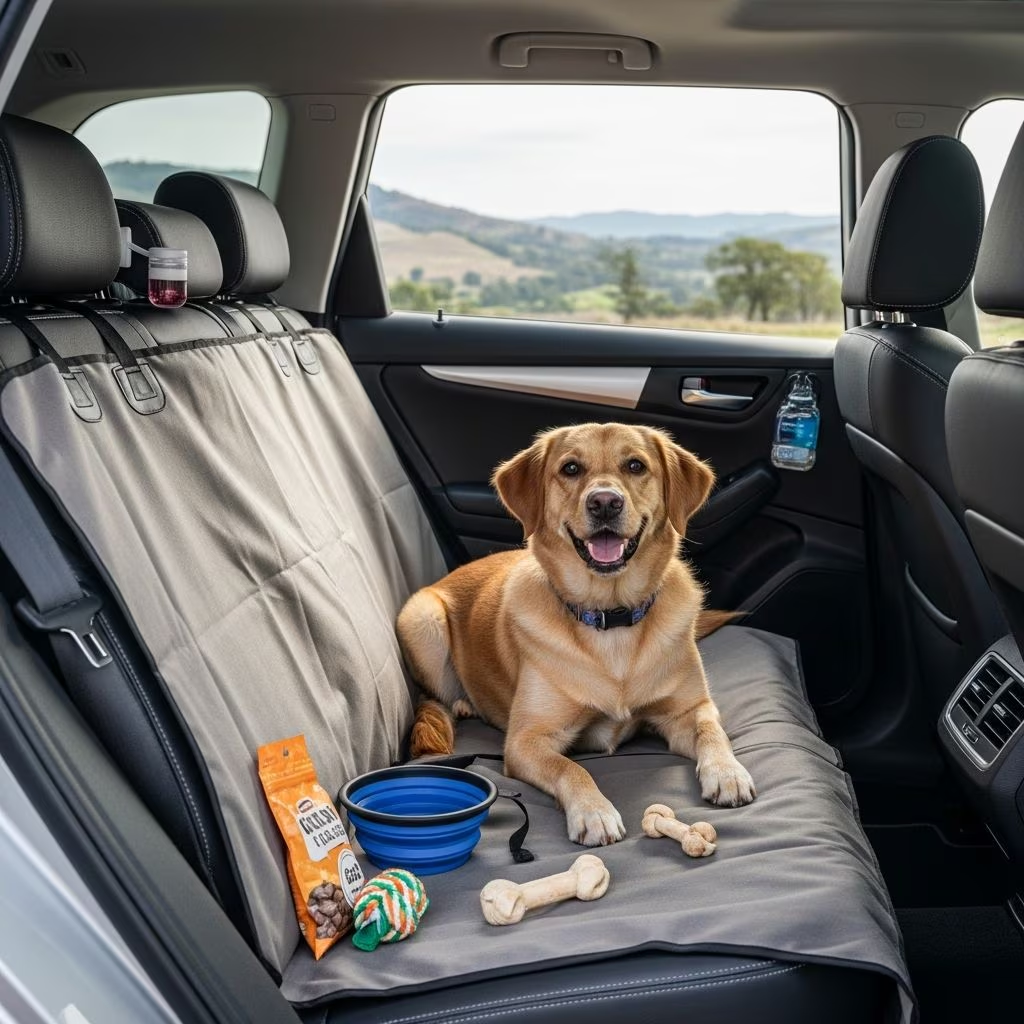
Keep Your Car Fresh: Essential Pet Travel Tips
Traveling with your dog can be an amazing adventure, but it often comes with a challenge that many pet owners face: keeping your car from looking and smelling like a kennel. Whether you’re taking a weekend road trip or simply commuting to the vet, your vehicle can quickly accumulate dog hair, dirt, unpleasant odors, and stains. The good news is that with proper preparation and the right strategies, you can maintain a clean, fresh-smelling car while enjoying quality time with your furry companion. This comprehensive guide will help you prevent your vehicle from becoming a mobile dog house and ensure a pleasant travel experience for both you and your pet.
Preparation: The Foundation for a Clean Car
The key to keeping your car in pristine condition during dog travel starts with proper preparation. Before your first trip, invest time in setting up your vehicle to handle the realities of traveling with pets. This means thinking about what protective measures you’ll put in place and how you’ll organize your supplies.
Start by assessing your vehicle’s interior and identifying areas most vulnerable to damage, dirt, and odors. The seats, floor mats, and cargo area are typically the main problem areas. By addressing these zones proactively, you’ll significantly reduce the work required to maintain cleanliness throughout your journey.
Essential Car Protective Equipment
Seat Covers and Floor Mats
Investing in quality seat covers designed specifically for pet travel is one of the most effective ways to protect your vehicle’s interior. These covers create a barrier between your dog and the upholstery, preventing dirt, hair, and stains from reaching your actual seats. Choose seat covers that are:
– Waterproof or water-resistant- Washable and machine-friendly- Secured with anchors to prevent shifting- Designed for your specific vehicle model
Similarly, protective floor mats placed in the areas where your dog will rest can shield your vehicle’s carpeting from moisture, dirt, and accidents. Consider using rubber mats that can be easily removed and hosed down after travel.
Cargo Barriers and Crates
If you have an SUV or hatchback, a cargo barrier or crate keeps your dog contained in the rear portion of the vehicle, preventing them from roaming throughout the car. This containment strategy serves multiple purposes: it protects your upholstery, keeps your dog safer during transit, and makes cleanup easier. A properly secured crate also gives your dog their own dedicated space, which can reduce anxiety and improve their behavior during travel.
Creating a Comfortable Travel Space
Dogs that are comfortable during travel are less likely to shed excessively, have accidents, or exhibit destructive behavior. Create a dedicated, comfortable space for your dog in the car using these strategies:
Bedding and Padding Solutions
Place a dog bed, yoga mat, blanket, or foam sleeping pad in your dog’s designated area. This accomplishes several things: it provides comfort for your pet, defines their space clearly, and creates an additional barrier between your dog and your car’s interior. Choose bedding that is:
– Easy to remove and wash- Durable enough to withstand multiple trips- Machine-washable for convenient cleaning- Absorbent to handle minor accidents or moisture
Space Allocation
Ensure your dog has adequate space to move around, stretch, and lie down comfortably. A cramped dog is more likely to experience stress-related shedding and accidents. The more room your dog has in their designated area, the better behaved they’ll typically be during the journey. This also reduces the likelihood of your dog rubbing against windows or seat upholstery.
Odor Control Strategies
Pre-Travel Preparation
Before embarking on your trip, bathe your dog and ensure they’re completely dry. This simple step dramatically reduces the baseline odor your dog brings into the vehicle. A fresh-smelling dog is far less likely to leave lingering odors in your car.
During Travel Odor Management
Keep your car well-ventilated during travel by opening windows when weather permits or using your vehicle’s air circulation system. This prevents odors from becoming concentrated in enclosed spaces. If your dog will be left in the car during brief stops, use reflective windshield covers and consider placing a portable, battery-operated fan to maintain air circulation and temperature control.
Enzymatic Cleaners and Deodorizers
For accidents or spills, keep enzymatic cleaners in your vehicle. These specialized products break down the compounds causing odors rather than simply masking them. Additionally, consider using odor-neutralizing products specifically designed for pet odors, such as:
– Baking soda (sprinkle and vacuum after 15-20 minutes)- Activated charcoal placed in the vehicle- Pet-safe air fresheners designed to eliminate rather than mask odors- Enzymatic pet odor eliminator sprays
Managing Shedding and Hair
Regular Grooming Before Travel
Schedule a grooming session or thorough brushing before your trip to remove loose hair. This significantly reduces the amount of hair your dog will shed during travel. If your dog sheds heavily, consider professional grooming to remove as much loose coat as possible.
Portable Vacuuming Solutions
A portable car vacuum is invaluable for pet owners who frequently travel with dogs. These compact devices allow you to quickly clean up hair, dirt, and debris from seats and floors. Keep one in your vehicle or trunk for convenient spot-cleaning between trips. Choose a model that is:
– Cordless or has a long enough cord for vehicle use- Battery-powered for convenience- Equipped with pet-hair-specific attachments- Easy to empty and maintain
Hair-Catching Accessories
Consider using lint rollers, pet hair removal brushes, or microfiber cloths during travel. These tools can quickly remove visible hair from seats and bedding before it has a chance to embed itself into upholstery fibers.
Accident Prevention and Cleanup
Feeding and Hydration Management
Follow proper feeding protocols to minimize the risk of accidents in your vehicle. Feed your dog a light meal three to four hours before departure, not immediately before travel. While on the road, stop regularly to offer water at rest stops, but avoid feeding your dog in a moving vehicle to reduce car sickness and accidents. This schedule gives your dog’s stomach adequate time to settle between meals and travel segments.
Regular Rest Stops
Plan frequent stops for your dog to relieve themselves. Regular breaks are essential for your dog’s comfort and well-being. Dogs need time to stretch, urinate, and defecate. Never leave your pet alone in the car—temperatures can rise dangerously fast, even on mild days. Choose pet-friendly rest stops where you can safely let your dog out on a leash.
Emergency Cleanup Supplies
Despite best efforts, accidents can happen. Keep an emergency cleanup kit in your vehicle containing:
– Pet waste bags (a hearty supply)- Paper towels or absorbent cloths- Disposable gloves- Zip-lock bags for containment- Pet-safe wipes for quick cleanups- Small portable shovel or scoop
Health and Comfort Essentials
Pre-Trip Veterinary Consultation
Before traveling, visit your veterinarian to ensure your dog is healthy enough for car travel. This is especially important for senior dogs, puppies, or those with health conditions. Your vet can provide guidance on motion sickness prevention if your dog has a history of car sickness.
Documentation and Safety
Carry essential documents for your dog, including:
– Up-to-date vaccination records- Health certificate if crossing state or international borders- Proof of rabies vaccination- Microchip information- Current photos of your dog
Travel First Aid Kit
Pack a comprehensive first aid kit for your dog containing bandages, antiseptic wipes, tweezers, pain relief medication, and any prescription medications your dog requires. Include a copy of your dog’s medical history and emergency veterinary contact information for your destination.
Hydration and Nutrition on the Road
Proper hydration during travel is crucial for your dog’s health. Bring your own water or provide bottled water, as drinking water from unfamiliar sources may cause an upset stomach. Collapsible water bowls take up minimal space and are convenient for rest stops.
Pack your dog’s regular food to avoid digestive upset from dietary changes during travel. Bring adequate quantities plus extra in case your trip is delayed. Keep all food and water supplies organized and easily accessible for rest stops.
Acclimating Your Dog to Car Travel
Before embarking on a long road trip, prepare your dog by gradually increasing their car ride experience. Take several short trips to acclimate them to riding in the car before attempting a long-distance journey. Gradually increase the length of these shorter trips to work up to long-distance travel with dogs.
This gradual approach helps your dog feel comfortable in the vehicle, reduces anxiety-related behaviors, and minimizes the risk of motion sickness. Make early car experiences positive by offering treats, praise, and short breaks.
Equipment Familiarization
If using a carrier or travel harness, introduce your dog to the equipment well before your trip. Leave the door open so your dog can explore and become comfortable with it. Reward any positive interaction with treats or toys. Feed meals in or near the carrier to create positive associations. Practice entry and exit to make it routine and stress-free.
Frequently Asked Questions
Q: How can I prevent my car from smelling like a dog?
A: Combine multiple strategies including grooming your dog before travel, using protective seat covers, maintaining good ventilation, regular cleaning with enzymatic odor eliminators, and ensuring your dog has breaks to relieve themselves. Baking soda placed on affected areas overnight can also help neutralize odors.
Q: What’s the best way to protect my car seats from damage?
A: Invest in quality, waterproof seat covers designed for pets, use protective floor mats, and consider a cargo barrier for SUVs. Ensure seat covers are securely fastened with anchors to prevent shifting. Machine-washable covers make maintenance easy.
Q: How often should I stop for rest breaks with my dog?
A: Stop every 2-3 hours to allow your dog to stretch, urinate, and get water. Regular breaks are essential for their comfort and well-being, and help prevent accidents in your vehicle.
Q: Can I leave my dog in the car with the air conditioning running?
A: Never leave your dog alone in the car, even with air conditioning running. Temperatures can rise dangerously fast, and air conditioning systems can fail. Always take your dog with you or arrange proper care.
Q: What should I feed my dog before a car trip?
A: Feed a light meal 3-4 hours before departure. On the road, provide only water at rest stops and save substantial meals for your evening destination. This minimizes nausea, vomiting, and accident risk during travel.
Q: How do I handle accidents during travel?
A: Keep emergency cleanup supplies in your vehicle including waste bags, paper towels, gloves, and enzymatic cleaners. Clean accidents thoroughly with enzymatic products designed for pet odors to completely eliminate the smell rather than masking it.
References
- Car Travel With Pets: 10 Tips for Safety and Security — WebMD. Accessed November 28, 2025. https://www.webmd.com/pets/dogs/how-to-travel-with-your-dog
- Road Trip Ready – How To Prepare Your Pet For A Long-Distance Drive — Mauldin Station Veterinary Clinic. Accessed November 28, 2025. https://mauldinstationvet.com/blog/road-trip-ready-how-to-prepare-your-pet-for-a-long-distance-drive/
- How To Road Trip With Your Dog: 15 Practical Tips — Bearfoot Theory. Accessed November 28, 2025. https://bearfoottheory.com/dog-road-trip-tips/
- Road Trips and Car Travel With Your Dog — VCA Animal Hospitals. Accessed November 28, 2025. https://vcahospitals.com/know-your-pet/road-trips-and-car-travel-with-your-dog
- Essential Road-Trip Safety Tips for Traveling With Your Dog — American Kennel Club. Accessed November 28, 2025. https://www.akc.org/expert-advice/health/dog-road-trip-safety/
- Ten tips for a successful road trip with your pets — Animal Humane Society. Accessed November 28, 2025. https://www.animalhumanesociety.org/resource/ten-tips-successful-road-trip-your-pets



