

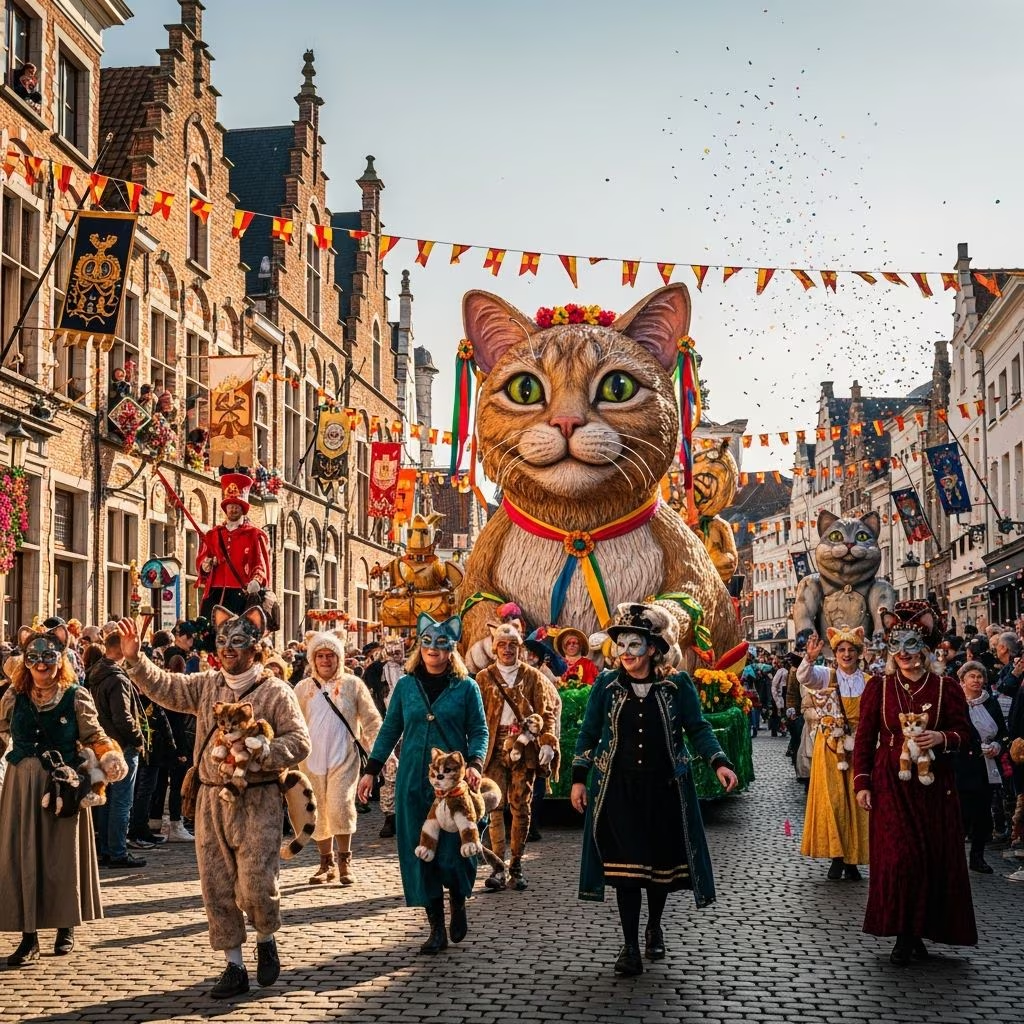
Every three years, the charming Belgian town of Ypres bursts into life with a procession dedicated entirely to cats. Known as Kattenstoet, or the ‘Cat Parade,’ this event draws tens of thousands of visitors to witness a spectacle that blends historical reenactments, elaborate costumes, and whimsical tributes to felines. Held on the second Sunday of May, it transforms the streets into a playground of creativity and cultural pride.
The Medieval Roots of a Modern Spectacle
In the Middle Ages, Ypres—also called Ieper—was a thriving center for cloth production. The town’s grand Cloth Hall stored vast quantities of wool and fabric, which attracted rodents that threatened the merchandise. To combat this, locals encouraged cats to roam the halls, keeping pests at bay during the cold winter months. However, as spring arrived and the wool was sold off, the cat population surged, leading to overpopulation concerns.
Superstitions of the era compounded the issue. Cats were often linked to witchcraft and malevolent forces, making them targets of fear rather than affection. On what became known as ‘Cat Wednesday’ during the second week of Lent, townsfolk gathered at the Cloth Hall’s towering belfry. From its heights, they hurled live cats into the square below, a grim ritual believed to purge evil spirits or simply manage the feline surplus. This practice persisted for centuries, with the last documented instance occurring around 1817 or 1819.
Historical accounts vary on the exact motivations. Some legends emphasize the witchcraft angle, portraying the throws as symbolic exorcisms. Others focus on practical pest control, noting that cats were disposable once their winter services ended. Regardless, the tradition left a dark mark on Ypres’ history, evolving only after societal shifts toward animal welfare.
Reviving Tradition: The Birth of Kattenstoet
By the 20th century, attitudes toward cats had softened dramatically. In 1937, Ypres officials sought to reclaim and reframe this piece of heritage. They organized the first modern Kattenstoet, replacing live cats with stuffed toys tossed from the belfry by a jester figure. This symbolic gesture acknowledged the past while celebrating cats as beloved companions.
The event paused during World War II but roared back in 1946, expanding into a full-fledged parade by 1955. What began as a modest gathering has grown into a national treasure, occurring triennially to allow for elaborate preparations. Recent editions, like the 2024 parade post-COVID hiatus, attracted over 50,000 spectators, underscoring its enduring appeal.
A Day in the Life of the Parade
The Kattenstoet unfolds over several hours on Ypres’ cobblestone streets, centered around the iconic Cloth Hall. Around 2,000 participants don meticulously crafted costumes portraying cats, mice, witches, knights, and medieval cloth merchants. Brass bands lead the way, their lively tunes mingling with the chatter of costumed dancers and horseback riders.
Eye-catching floats dominate the procession, showcasing larger-than-life cat figures, local folklore, and Ypres’ textile legacy. Modern twists delight crowds—a massive Garfield emerging from a box or cartoonish felines waving to onlookers. These mobile artworks require months of community effort, hand-sewn and painted with precision.
- Costume Highlights: Participants in fur suits, witch hats, and chainmail armor recreate historical scenes.
- Musical Elements: Local bands and drummers provide rhythmic energy.
- Float Themes: From ancient legends to pop culture cats, blending old and new.
As the parade culminates at the Cloth Hall, anticipation peaks. The jester ascends the belfry, hurling hundreds of plush cats into the throng below. Children and adults alike stretch out arms, vying for a lucky catch believed to bring good fortune. This ritual echoes the medieval throws but with joy instead of cruelty.
Beyond the Parade: Community Traditions
Kattenstoet permeates Ypres beyond the main event. Shops adorn windows with cat motifs—painted murals, sculptures, and displays. Bakeries whip up feline-shaped pastries, from cookie cats to waffle kittens, tempting festival-goers. Residents open homes for viewings, fostering a sense of shared festivity.
The afternoon features a theatrical flourish: a mock witch-burning, where a puppet effigy meets a harmless fiery end. This nods to superstition’s role in the cat-throwing era, closing the historical loop with humor and spectacle.
| Element | Description | Historical Tie-In |
|---|---|---|
| Belfry Toss | Jester throws plush cats | Replaces live cat throws |
| Floats | Giant cat and history scenes | Honors cloth trade and legends |
| Costumes | Cats, witches, knights | Recreates medieval life |
| Witch Burning | Mock puppet fire | Symbolizes purging superstitions |
Economic and Cultural Impact on Ypres
For a town of just 35,000, Kattenstoet is an economic powerhouse. Hotels fill months in advance, restaurants buzz with visitors from Europe and beyond—one attendee even traveled from Tokyo. The influx bolsters local businesses, from artisans crafting costumes to vendors selling cat-themed wares.
Culturally, it reinforces Ypres’ identity. Known for World War I memorials, the festival adds a lighter, quirky layer. It educates on uncomfortable history while promoting animal love, drawing families, history buffs, and cat enthusiasts. Organizers report growing international interest, solidifying its status as Belgium’s must-see event.
Planning Your Visit to Kattenstoet
Mark your calendar for the next edition—the second Sunday of May in 2027, 2030, and beyond. Arrive early; streets close hours ahead, and prime viewing spots vanish fast. Book accommodations in Ypres or nearby towns like Poperinge. Public transport from Brussels or Ghent is reliable, though driving offers flexibility for side trips to Flanders fields.
Pack comfortable shoes for walking, rain gear (Belgian weather is unpredictable), and cat ears for fun. Families thrive here—kids adore the plush toss and sweets. Vegetarians and vegans find ample options amid the waffle stalls.
- Best Viewing Spots: Grote Markt square for belfry action; side streets for floats.
- Tips: Arrive by 10 AM; bring cash for street food.
- Accessibility: Wheelchair-friendly paths available; check official site.
Why Kattenstoet Captivates the World
In a sea of music festivals and food fairs, Kattenstoet stands unique. It confronts a brutal past head-on, alchemizing it into exuberant present-day joy. Cats, once vilified, now reign supreme—symbols of playfulness amid Ypres’ resilient spirit. Whether you’re a feline fanatic or history seeker, this parade offers unforgettable memories.
The festival’s evolution mirrors broader shifts: from superstition to science, cruelty to compassion. It reminds us how communities rewrite narratives, turning shame into celebration. As global attendance swells, Kattenstoet proves that even the strangest traditions can purr-fectly endure.
Frequently Asked Questions (FAQs)
When is Kattenstoet held?
The festival occurs every three years on the second Sunday of May in Ypres, Belgium. The next one follows the 2024 event.
Is it family-friendly?
Yes, it’s suitable for all ages with plush toys, music, and treats. The mock witch-burning is theatrical, not graphic.
How many people attend?
Expect around 50,000 visitors, including international tourists.
What’s the origin of the cat-throwing?
Medieval pest control and anti-witchcraft beliefs led to live cats being thrown from the belfry until the early 1800s.
Can I participate?
Locals form groups for costumes and floats; visitors can join as spectators or volunteers via official channels.
References
- Kattenstoet | Belgium’s Fantastic Feline Festival — Hiro + Wolf. 2022. https://hiro-and-wolf.com/blogs/dog-blog/kattenstoet-belgiums-fantastic-feline-festival
- Kattenstoet (The Belgian Cat Festival): Origins & Celebration Facts — Catster. 2024. https://www.catster.com/lifestyle/kattenstoet-the-belgian-cat-festival/
- Kattenstoet — Wikipedia. 2024. https://en.wikipedia.org/wiki/Kattenstoet
- A city with a medieval history of killing cats now celebrates them — Deccan Herald. 2024-05-13. https://www.deccanherald.com/world/a-city-with-a-medieval-history-of-killing-cats-now-celebrates-them-3029561
- Around The World In 80 Cats #12: Belgium — Catsparella. 2012-05. http://www.catsparella.com/2012/05/around-world-in-80-cats-12-belgium.html
- Festival of Cats — Britannica. 2024. https://www.britannica.com/topic/Festival-of-Cats



