

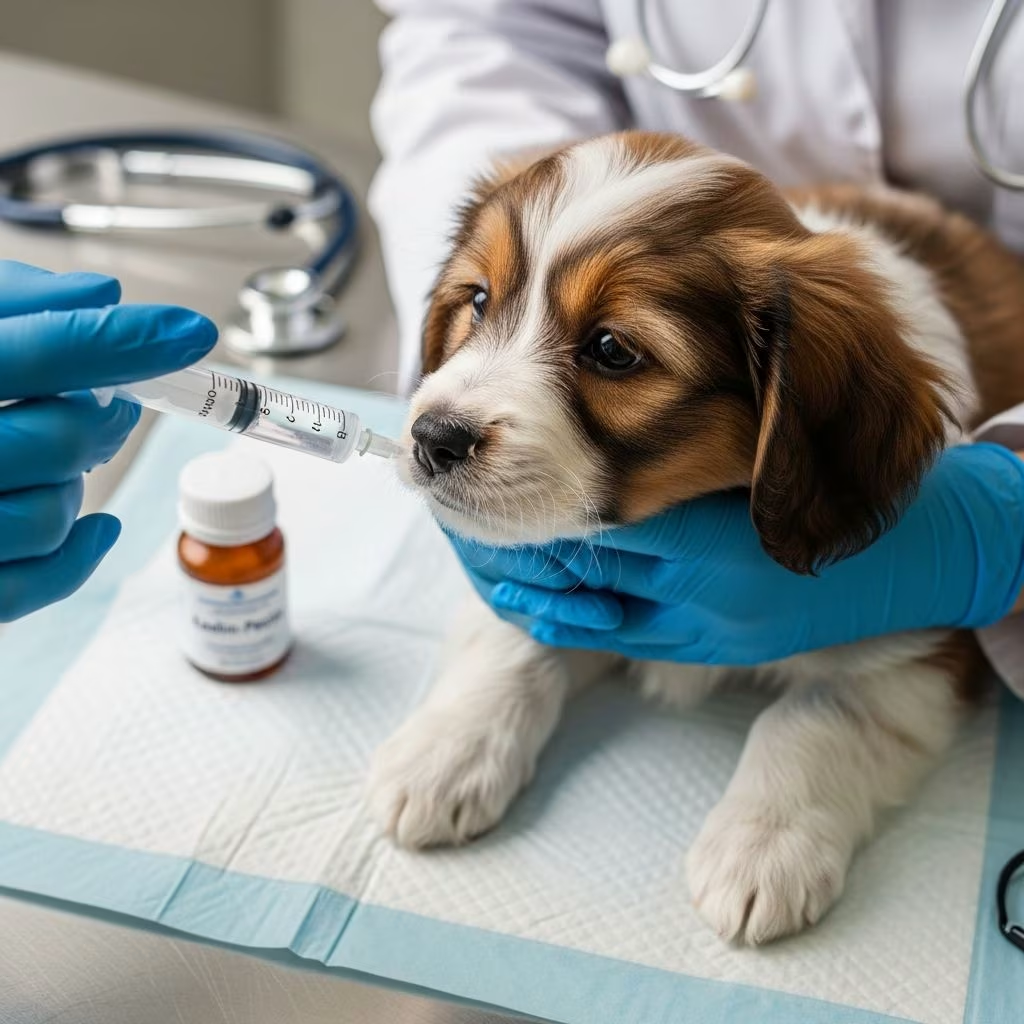
Understanding Kaolin-Pectin for Dogs and Cats
Kaolin-pectin is a widely recognized over-the-counter medication used to treat gastrointestinal issues in companion animals. The medication combines two natural substances to provide relief from common digestive problems in pets. As a pet owner, understanding how this medication works, when it’s appropriate, and how to administer it safely is essential for maintaining your animal’s health and comfort.
What is Kaolin-Pectin?
Kaolin-pectin is a combination gastrointestinal protectant and adsorbent medication commonly marketed under brand names such as Kapectolin® and K-P®. The medication consists of two distinct components that work together to address digestive upset.
Kaolin is a fine, white clay composed of aluminum silicate that forms through the decomposition of crystalline minerals. This natural substance has been used in medicine for centuries and is also commonly used in manufacturing porcelain and other industrial applications. Pectin, on the other hand, is a carbohydrate extracted from the rind of citrus fruits, providing additional therapeutic benefits to the formulation.
How Kaolin-Pectin Works
Kaolin-pectin functions through multiple mechanisms to address gastrointestinal distress in pets. The medication provides a protective coating action that shields the stomach lining from irritation and inflammation. This protective barrier is particularly beneficial for animals experiencing gastritis or other inflammatory conditions affecting the digestive tract.
The adsorbent properties of kaolin-pectin allow the medication to bind to harmful substances within the gastrointestinal tract. This binding action may help eliminate bacterial toxins, including endotoxins and enterotoxins, that could otherwise contribute to prolonged illness. Additionally, the pectin component may help decrease pH levels in the intestine, creating a more acidic environment that can be therapeutic for certain digestive conditions.
The combination of these actions makes kaolin-pectin a popular supportive care option for managing diarrhea and other minor gastrointestinal disturbances in companion animals. However, it’s important to note that while this medication provides symptomatic relief, it does not replace the body’s fluid and electrolyte losses.
Primary Uses of Kaolin-Pectin
Kaolin-pectin is primarily used as an oral anti-diarrheal agent for dogs and cats. The medication is indicated for the treatment of noninfectious diarrhea and can provide relief from several gastrointestinal conditions:
– Acute diarrhea from dietary indiscretion or minor dietary changes- Stomach inflammation and gastritis- Mild gastrointestinal upset and nausea- General digestive discomfort in companion animals
The medication is particularly useful for addressing diarrhea that doesn’t stem from infectious causes, such as bacterial or viral infections. For infectious diarrhea, your veterinarian may recommend additional treatments alongside or instead of kaolin-pectin.
Brand Names and Formulations
Kaolin-pectin is available under numerous brand names and generic formulations. Understanding the different names and formulations can help pet owners identify the correct medication.
Human Formulations: In addition to veterinary products, kaolin-pectin is available in human formulations marketed as Kao-Spen®, Kapectolin®, and K-P®. Multiple generic preparations are also available for human use. It’s important to note that the original formulation of Kaopectate® contained kaolin and pectin; however, the modern formulation of this product has changed. Always verify the active ingredient on the bottle before administering any medication to your pet.
Veterinary Formulations: Numerous pharmaceutical companies produce veterinary-specific kaolin-pectin preparations under various trade names. Many are labeled for animal use, though FDA approval status may vary. A typical veterinary formulation contains approximately 5.8 grams of kaolin with 0.26 grams of pectin per 30 milliliters of oral suspension.
Proper Dosing Information
Accurate dosing is critical for ensuring the safe and effective use of kaolin-pectin in your pet. Dosing varies based on your animal’s species and weight, and medication should never be administered without first consulting your veterinarian.
Dogs and Cats: The typical dose administered to dogs and cats is 0.5 to 1.0 milliliter per pound of body weight, or 1 to 2 milliliters per kilogram. This medication is given orally every four to six hours. As a practical guideline, this typically amounts to approximately 1 to 2 teaspoons (10 milliliters total) per 10 pounds of body weight every four to six hours.
Before measuring and administering each dose, always shake the suspension well to ensure even distribution of the active ingredients. Proper mixing is essential for consistent dosing.
Treatment Duration: The length of treatment depends on the specific condition being treated, how your pet responds to the medication, and whether any adverse effects develop. Even if your pet begins to feel better, it’s important to complete the full treatment plan as directed by your veterinarian to prevent relapse of symptoms. Do not discontinue the medication early unless specifically instructed to do so by your veterinary professional.
Timeline for Effectiveness
Pet owners often wonder how quickly they’ll notice improvement after starting kaolin-pectin treatment. Most animals should begin to feel better within 1 to 2 days of starting the medication. Clinical signs of gastrointestinal distress should improve within this timeframe. However, if your pet does not respond to therapy within this period, seems lethargic, quits eating, or you have other concerns, contact your veterinarian immediately.
The effects of kaolin-pectin are relatively short-lived, meaning the medication stops working within approximately 24 hours. However, if your animal has decreased kidney and/or liver function, the benefits may be prolonged due to slower drug metabolism and elimination.
Precautions and Safety Considerations
While kaolin-pectin is generally considered safe and effective when prescribed by a veterinarian, pet owners should be aware of several important precautions and safety considerations before administering this medication.
Allergy and Hypersensitivity: Kaolin-pectin should not be used in animals with known hypersensitivity or allergy to any component of the medication. If your pet has previously had an adverse reaction to this drug, inform your veterinarian before treatment.
Medication Interactions: Kaolin-pectin may interact with other medications. It’s essential to consult with your veterinarian about all medications and supplements your pet is currently receiving. Drugs that may interact with kaolin-pectin include:
– Lincomycin- Trimethoprim/sulfa combinations- Penicillamine- Digoxin
Potential Side Effects
Although there are no serious complications typically associated with kaolin-pectin administration in pets, some animals may experience side effects. The most common side effect is mild constipation, which is usually transient and self-resolving. Constipation may be more pronounced when the medication is administered in higher doses.
It’s worth noting that there is not complete scientific agreement regarding the effectiveness of kaolin-pectin for treating diarrhea in animals. While the medication may change the consistency of feces, clinical studies have not definitively demonstrated that it decreases fluid or electrolyte loss or shortens the duration of illness. Nevertheless, many veterinarians continue to recommend it as a safe, supportive care measure.
Important Limitations
Pet owners should understand that kaolin-pectin has important limitations. Most significantly, this medication does not replace important fluid and electrolyte losses that occur with diarrhea. In cases of severe or prolonged diarrhea, your pet may require additional supportive care, including fluid therapy or electrolyte replacement. Never rely solely on kaolin-pectin for the treatment of significant gastrointestinal illness.
When to Contact Your Veterinarian
While kaolin-pectin is available over the counter, it should not be administered without first consulting your veterinarian. Additionally, contact your veterinary professional if:
– Your pet does not respond to therapy within 1-2 days- Your pet appears lethargic or lacks energy- Your pet stops eating or shows decreased appetite- Your pet vomits or shows signs of abdominal pain- Diarrhea persists or worsens despite treatment- Your pet shows signs of dehydration- You have any other concerns about your pet’s condition
Use in Other Species
While this article focuses on dogs and cats, kaolin-pectin is also used in other species including horses, cattle, foals, calves, and lambs. In horses, the typical dose is 3 to 4 milliliters per kilogram given orally every 6 to 8 hours as needed. Larger livestock animals receive higher doses of 6 to 10 fluid ounces. Some evidence suggests that endurance horses may particularly benefit from kaolin-pectin, especially when combined with electrolyte replacements, as the medication can provide stomach comfort and protect inflamed mucosa.
Storage and Handling
Proper storage of kaolin-pectin suspension is important for maintaining medication effectiveness and safety. Store the medication at controlled room temperature between 59 to 86 degrees Fahrenheit (15 to 30 degrees Celsius). Keep the container tightly closed when not in use, and protect the medication from freezing. Always check the expiration date before administering any medication to your pet.
Frequently Asked Questions
Q: Can I give my pet kaolin-pectin without seeing a veterinarian?
A: While kaolin-pectin is available over the counter, it should not be administered without first consulting your veterinarian. Your veterinarian needs to determine the underlying cause of your pet’s symptoms and ensure this medication is appropriate for your animal’s specific situation.
Q: How long can I give kaolin-pectin to my pet?
A: The duration of treatment depends on your pet’s response to the medication and the specific condition being treated. Always follow your veterinarian’s instructions regarding treatment length, and complete the full course even if your pet feels better to prevent relapse.
Q: Will kaolin-pectin cure my pet’s diarrhea?
A: Kaolin-pectin provides symptomatic relief from diarrhea but does not address underlying causes or replace fluid and electrolyte losses. If your pet doesn’t improve within 1-2 days, additional treatment may be necessary.
Q: Are there any side effects I should watch for?
A: The most common side effect is mild, transient constipation. If your pet experiences any other concerning symptoms, contact your veterinarian immediately.
Q: Can kaolin-pectin interact with my pet’s other medications?
A: Yes, kaolin-pectin may interact with certain medications including lincomycin, trimethoprim/sulfa, penicillamine, and digoxin. Always inform your veterinarian about all medications and supplements your pet is receiving.
References
- Kaolin and Pectin (Kapectolin®, K-P®) for Dogs and Cats — Pet Place. 2024. https://www.petplace.com/article/drug-library/drug-library/library/kaolin-and-pectin-kapectolin-k-p-for-dogs-and-cats
- Kaolin Pectin Suspension — U.S. Food and Drug Administration, DailyMed. 2024. https://dailymed.nlm.nih.gov/dailymed/fda/fdaDrugXsl.cfm?setid=61ed9bb5-9cf2-4a4e-9f66-c10b54f0b1cb
- Kaolin/Pectin Treatment Guidelines — Boerum Hill Veterinary Care. 2024. https://boerumhillvet.com/wp-content/uploads/2024/06/Kaolin_Pectin.pdf
- Drugs Used to Treat Diarrhea in Monogastric Animals — Merck Veterinary Manual. 2024. https://www.merckvetmanual.com/pharmacology/systemic-pharmacotherapeutics-of-the-digestive-system/drugs-used-to-treat-diarrhea-in-monogastric-animals
- Q&A: Kaolin-Pectin for Horses — Kentucky Equine Research. 2024. https://ker.com/equinews/answer/kaolin-pectin-for-horses/



