

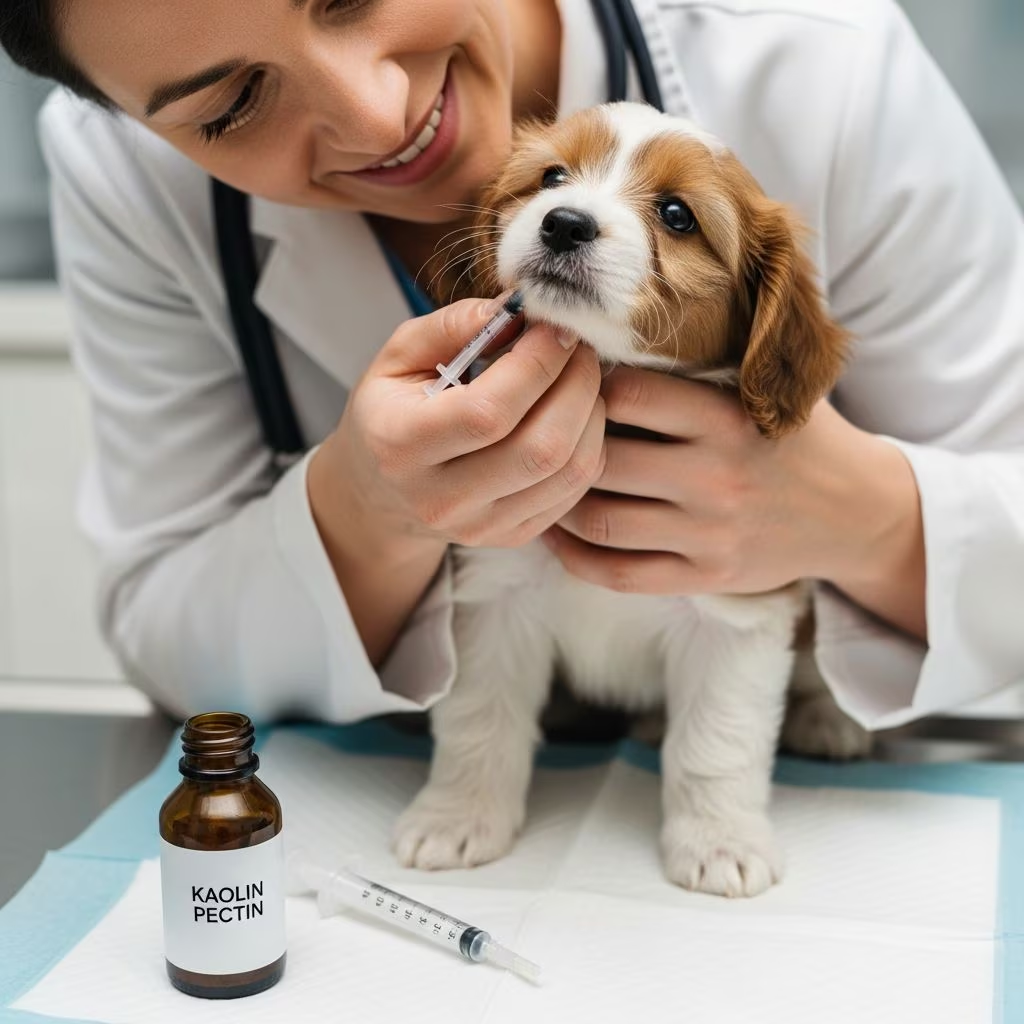
Kaolin pectin stands out as a time-tested, natural remedy widely used in veterinary medicine to address common digestive problems in pets, particularly diarrhea in dogs and cats. This combination harnesses the absorbent properties of kaolin clay alongside the soothing fiber of pectin to provide gentle yet effective support for upset stomachs.
Understanding the Components of Kaolin Pectin
At its core, kaolin pectin consists of two key natural ingredients. Kaolin, a fine aluminum silicate clay derived from mineral deposits, excels at adsorbing toxins, bacteria, and excess fluids within the gastrointestinal tract. This adsorption process prevents harmful substances from being absorbed into the bloodstream, promoting quicker recovery from digestive disturbances.
Pectin, on the other hand, is a soluble fiber extracted from fruits like apples and citrus. It forms a gel-like protective coating over the gut lining, which helps soothe irritation, reduce inflammation, and firm up loose stools by binding excess water in the intestines.
Together, these elements create a synergistic effect, making kaolin pectin a go-to supportive treatment for noninfectious diarrhea, nausea, and indigestion in pets.
Primary Benefits for Canine and Feline Health
- Digestive Stabilization: By absorbing toxins and firming stools, it reduces bowel movement frequency, helping pets avoid dehydration—a critical risk during diarrhea episodes.
- Gut Protection: The pectin layer shields sensitive mucosal linings from further irritation, aiding healing in inflamed intestines.
- Toxin Neutralization: Kaolin binds pathogens and harmful agents, supporting detoxification without aggressive interventions.
- Nausea Relief: Its coating action calms the stomach, easing vomiting and discomfort associated with upset digestion.
- Skin Applications: Topically, kaolin soothes minor wounds, rashes, or insect bites by reducing inflammation.
How Kaolin Pectin Functions in a Pet’s Digestive System
Upon oral administration, kaolin pectin suspension travels through the digestive tract, where kaolin’s porous structure traps bacteria, toxins, and fluids like a sponge. This mechanism, known as adsorption, facilitates their safe elimination via feces rather than absorption.
Simultaneously, pectin swells in the presence of water, creating a barrier that moderates gut pH and promotes a balanced environment for beneficial bacteria. This dual action not only alleviates acute symptoms but also supports long-term gut recovery.
In cases of food intolerances, infections, or environmental stressors causing diarrhea, this remedy provides rapid symptomatic relief, often within hours, while the body naturally resolves the underlying issue.
Safe Administration Guidelines for Dogs and Cats
Veterinarians recommend kaolin pectin for short-term use in managing mild, noninfectious diarrhea. Always consult a vet before starting, especially for puppies, kittens, seniors, or pets with chronic conditions.
| Pet Type | Typical Dosage | Frequency | Notes |
|---|---|---|---|
| Dogs (under 20 lbs) | 1-2 tsp | 3-4 times daily | Adjust based on vet advice; mix with food if needed. |
| Dogs (20-50 lbs) | 1-2 tbsp | 3-4 times daily | Monitor for constipation. |
| Dogs (over 50 lbs) | 2-4 tbsp | 3-4 times daily | Ensure hydration. |
| Cats | 1/2-1 tsp | 2-3 times daily | Use syringe for precision; short-term only. |
Dosages are general and product-specific; follow label instructions or veterinary prescriptions precisely to avoid overuse.
Potential Side Effects and Precautions
Kaolin pectin is generally safe with a low risk profile, but constipation represents the most common side effect due to its fluid-absorbing nature. Other rare issues include allergic reactions or impaction in dehydrated pets.
- Discontinue if symptoms persist beyond 48 hours or worsen.
- Avoid in pets with bowel obstructions, severe dehydration, or bloody stools—seek immediate vet care.
- Not a substitute for diagnostics in chronic or infectious diarrhea cases.
Hydration is vital; provide ample fresh water and consider electrolyte solutions if dehydration signs appear.
Comparing Kaolin Pectin to Alternative Remedies
While effective, kaolin pectin suits acute, short-term needs. For broader or long-term support, alternatives like clinoptilolite (a zeolite mineral) offer extended detoxification, immune modulation, and microbiome benefits.
| Aspect | Kaolin Pectin | Clinoptilolite |
|---|---|---|
| Duration of Use | Short-term (acute diarrhea) | Long-term preventive care |
| Detox Scope | Gut-focused toxin binding | Systemic heavy metal removal |
| Immune Effects | Indirect via reduced inflammation | Direct modulation |
| Side Effects | Possible constipation | Minimal |
Probiotics complement kaolin pectin by repopulating beneficial gut flora post-diarrhea.
When to Consult a Veterinarian
Kaolin pectin excels for mild cases, but professional evaluation is essential if diarrhea lasts over 24-48 hours, accompanies lethargy, fever, vomiting, blood, or weight loss. Puppies and kittens dehydrate quickly, warranting prompt care.
Diagnostic tests may uncover parasites, infections, or dietary triggers requiring targeted treatments like antibiotics or dewormers.
Integrating Kaolin Pectin into Holistic Pet Care
Beyond acute relief, incorporate preventive strategies: high-quality diets, probiotic supplements, stress reduction, and regular deworming minimize digestive upsets. Kaolin pectin fits seamlessly as a first-line, natural tool in this regimen.
For topical use, mix kaolin powder into a paste for skin irritations, promoting healing without steroids.
Frequently Asked Questions (FAQs)
Is kaolin pectin safe for puppies and kittens?
Yes, in vet-recommended doses, but young pets need close monitoring due to dehydration risks.
Can cats take kaolin pectin?
Absolutely; it’s formulated for both dogs and cats, aiding noninfectious diarrhea effectively.
How quickly does it work?
Many pets show improvement in stool consistency within 12-24 hours.
Is it a probiotic?
No, it supports gut health through adsorption and coating, not by adding live bacteria.
Can it treat food poisoning in pets?
It helps by binding toxins, but vet assessment is crucial for severe cases.
Real-World Applications and Vet Insights
Veterinary manuals endorse kaolin pectin as a staple for supportive diarrhea care in monogastric animals like dogs and cats. Its palatability in suspension form encourages compliance, even in finicky eaters.
Pet owners report success in scenarios like scavenging incidents, diet changes, or travel stress, underscoring its versatility.
References
- Kaolin Pectin for Dogs Diarrhea — Vornaco. 2024. https://vornaco.com/kaolin-pectin-for-dogs/
- Kaolin for Dogs: Are There Better Options? — Bonza Dog. 2024-10. https://www.bonza.dog/2024/10/kaolin-for-dogs-are-there-better-options/
- Kaolin/Pectin — VCA Animal Hospitals. N/A. https://vcahospitals.com/know-your-pet/kaolin-pectin
- Kaolin/Pectin — Boerum Hill Vet. 2024-06. https://boerumhillvet.com/wp-content/uploads/2024/06/Kaolin_Pectin.pdf
- Drugs Used to Treat Diarrhea in Monogastric Animals — Merck Veterinary Manual. N/A. https://www.merckvetmanual.com/pharmacology/systemic-pharmacotherapeutics-of-the-digestive-system/drugs-used-to-treat-diarrhea-in-monogastric-animals
- Anti-Diarrhea Liquid — Durvet. N/A. https://www.durvet.com/product/anti-diarrhea-liquid/



