

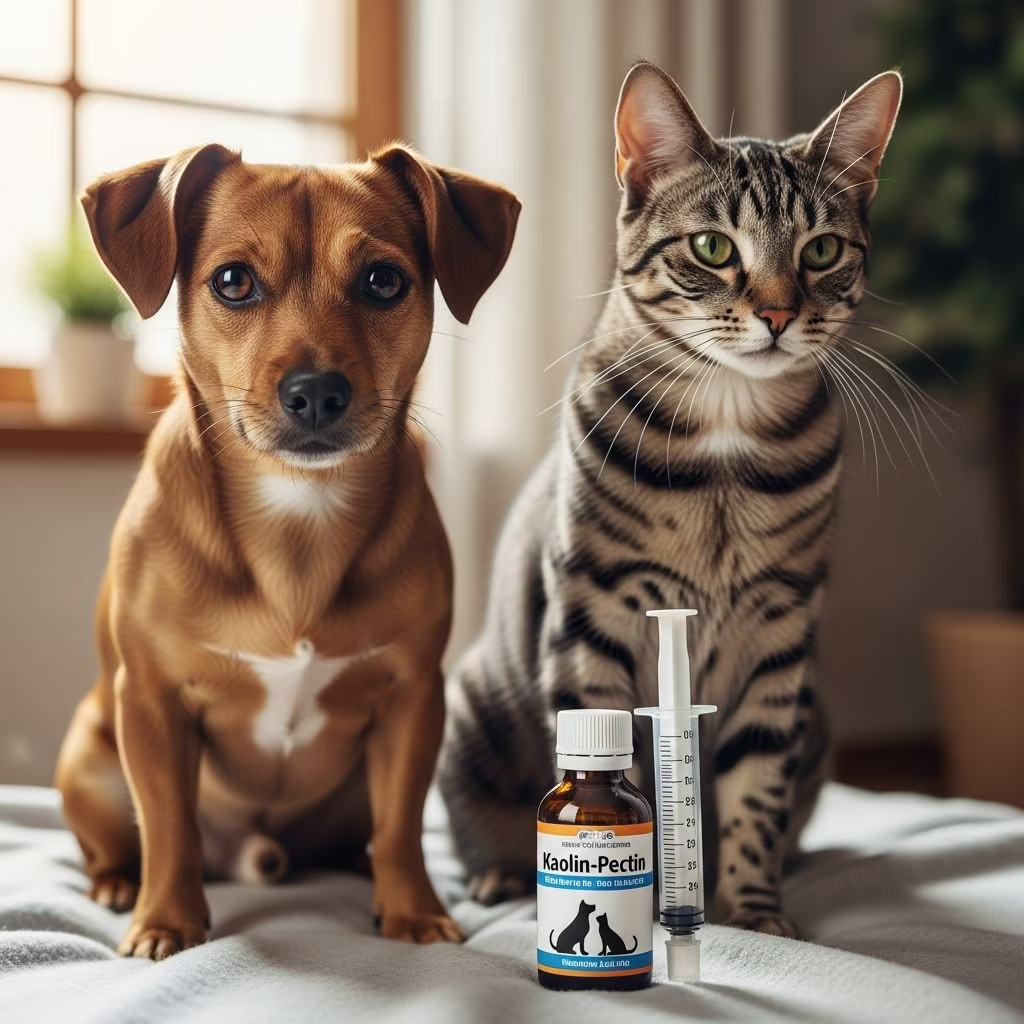
Kaolin-Pectin for Dogs and Cats: A Comprehensive Guide
Kaolin-pectin is a commonly used over-the-counter medication designed to help manage gastrointestinal issues in pets. Available under brand names such as Kapectolin® and K-P®, this medication serves as an important tool in veterinary medicine for addressing non-infectious diarrhea and minor stomach complaints in dogs and cats. While it has been used in animal care for many years, understanding how this medication works and when it should be used is essential for pet owners seeking to provide appropriate care for their companions.
What Is Kaolin-Pectin?
Kaolin-pectin is a combination medication consisting of two distinct components that work together to support gastrointestinal health. Kaolin is a form of aluminum silicate, a naturally occurring mineral compound, while pectin is a carbohydrate extracted from the rind of citrus fruits. This combination has been formulated into veterinary-grade suspensions specifically designed for oral administration in companion animals.
The medication is available in multiple formulations, including both human and veterinary preparations. Common brand names for human formulations include Kao-Spen®, Kapectolin®, and K-P®, along with numerous generic preparations. Some older formulations of Kaopectate® contained kaolin-pectin as the active ingredient, though pet owners should verify the active ingredients in their specific product. Veterinary formulations are produced by numerous pharmaceutical companies under various trade names and generic preparations, though it is uncertain whether all animal-labeled products have received FDA approval for that specific purpose.
How Does Kaolin-Pectin Work?
Kaolin-pectin operates through multiple mechanisms to help alleviate gastrointestinal distress. The primary action involves providing a protective coating that shields the stomach lining from irritation and inflammation. This demulcent effect creates a barrier that reduces direct contact between irritated tissue and stomach contents.
Additionally, the medication exhibits adsorbent properties, meaning it can bind to harmful substances within the gastrointestinal tract. This adsorbent effect is particularly valuable because it may help prevent the absorption of bacteria and various toxins that could otherwise exacerbate gastrointestinal distress. The pectin component may also act to decrease the pH in the intestine, creating a more acidic environment that may help support healthy digestion. Some products use an alternative adsorbent compound called attapulgite in place of kaolin, providing similar therapeutic benefits.
Uses of Kaolin-Pectin in Veterinary Medicine
Kaolin-pectin is used primarily as an oral anti-diarrheal agent in veterinary practice. The medication is indicated for use in treating non-infectious diarrhea and minor stomach problems, including stomach inflammation or gastritis. It serves as a supportive care measure for simple diarrhea cases and may help address upset stomach and associated nausea in companion animals.
The medication is particularly useful for cases where diarrhea is not caused by infectious agents such as bacteria or viruses. Pet owners should understand that while kaolin-pectin can help manage symptoms, it is most effective when the underlying cause of diarrhea has been determined to be non-infectious. In cases of infectious diarrhea, veterinary intervention with appropriate medications may be necessary.
Precautions and Important Considerations
While kaolin-pectin is generally regarded as safe when used under veterinary supervision, several important precautions should be observed. The medication should not be administered to animals with known hypersensitivity or allergies to any component of the formulation. Pet owners must inform their veterinarian of any previous adverse reactions their pets have experienced to similar medications.
The medication should not be used in cases where diarrhea is caused by infectious organisms, as it may mask symptoms and delay necessary treatment. Additionally, kaolin-pectin combination products that contain bismuth subsalicylate, such as certain formulations of Kaopectate®, should not be used in cats due to potential toxicity concerns.
Kaolin-pectin may interact with other medications your pet may be receiving. Pet owners should consult with their veterinarian regarding potential drug interactions, particularly with medications such as lincomycin, trimethoprim/sulfa, penicillamine, or digoxin. The medication should not be administered without first consulting a veterinarian to ensure it is appropriate for your specific pet.
Side Effects and Tolerability
Kaolin-pectin is typically well-tolerated in dogs and cats when used as directed. In most cases, the medication produces minimal adverse effects. However, pet owners should be aware that mild constipation represents the most common side effect, particularly when higher doses are administered. This constipation is usually transient and resolves once treatment is discontinued or dosage is adjusted.
While there are no serious complications typically associated with kaolin-pectin administration, it is worth noting that there is not complete agreement in the veterinary community regarding the medication’s overall effectiveness. Despite its long history of use and popularity in veterinary practice, clinical studies have not consistently demonstrated significant benefits beyond improvement in fecal consistency. The medication does not replace important fluid and electrolyte losses that may occur with diarrhea.
Dosing Information for Dogs and Cats
Proper dosing is crucial for achieving therapeutic benefits while minimizing the risk of adverse effects. The typical dose administered to dogs and cats is 0.5 milliliters to 1.0 milliliter per pound of body weight, which translates to 1 to 2 milliliters per kilogram. This dose is generally administered every four to six hours via oral administration.
For practical measurement purposes, this dosing typically amounts to approximately 1 to 2 teaspoons (totaling 10 milliliters) per 10 pounds of body weight, given every four to six hours. Before administering any dose, the suspension should be shaken well to ensure proper mixing of the components and uniform distribution of the active ingredients.
Dosing Guidelines Table
| Patient Type | Dose | Frequency | Route |
|---|---|---|---|
| Dogs and Cats | 0.5-1.0 mL per pound (1-2 mL/kg) | Every 4-6 hours | Oral |
| Dogs and Cats (alternative) | 1-2 teaspoons per 10 pounds | Every 4-6 hours | Oral |
Duration of Treatment
The duration of kaolin-pectin administration depends on several factors, including the specific condition being treated, your pet’s response to the medication, and the development of any adverse effects. Pet owners should expect to see improvement within 1 to 2 days if the medication is working effectively. However, the effects of kaolin-pectin are relatively short-lived, lasting approximately 24 hours, though benefits may be prolonged in animals with decreased kidney or liver function.
It is important to complete the entire prescribed treatment course unless specifically directed otherwise by your veterinarian, even if your pet appears to feel better. Completing the full treatment plan helps prevent relapse of symptoms and ensures comprehensive management of the underlying condition.
When to Contact Your Veterinarian
Pet owners should maintain communication with their veterinarian throughout treatment. If your pet does not respond to therapy, seems lethargic, quits eating, or you have any other concerns, contact your veterinarian promptly. Additionally, if your pet experiences severe or worsening constipation or any other concerning symptoms, veterinary guidance should be sought.
The medication does not replace important fluid and electrolyte losses associated with diarrhea. If diarrhea persists or your pet shows signs of dehydration, such as decreased appetite, lethargy, or dry mucous membranes, veterinary intervention may be necessary to address fluid and electrolyte imbalances.
Availability and Supply
A variety of oral suspensions containing kaolin-pectin are available over the counter, making them accessible to pet owners without requiring a prescription. However, veterinary supervision and guidance remain essential before administering this medication. Your veterinarian can determine whether kaolin-pectin is appropriate for your pet’s specific condition and can recommend the correct dosage based on your animal’s weight and health status.
Frequently Asked Questions
Q: Can kaolin-pectin be given to cats as well as dogs?
A: Yes, kaolin-pectin can be used in both dogs and cats for treating non-infectious diarrhea and upset stomach. However, ensure you are using a formulation appropriate for cats and avoid bismuth subsalicylate-containing products in cats.
Q: Is a prescription required to purchase kaolin-pectin?
A: No, kaolin-pectin is available over the counter without a prescription. However, you should consult with your veterinarian before administering it to ensure it is appropriate for your pet’s condition.
Q: What should I do if my pet experiences constipation from kaolin-pectin?
A: Mild constipation is the most common side effect and is usually transient. Contact your veterinarian if constipation is severe or persists. Your veterinarian may adjust the dosage or discontinue the medication.
Q: Can kaolin-pectin be used for infectious diarrhea?
A: No, kaolin-pectin should only be used for non-infectious diarrhea. If diarrhea is caused by bacteria, viruses, or parasites, your veterinarian may prescribe different medications or antibiotics.
Q: How quickly does kaolin-pectin work?
A: You should expect to see improvement within 1 to 2 days if the medication is working effectively. The effects are short-lived, lasting approximately 24 hours.
Q: Are there any medication interactions I should know about?
A: Yes, kaolin-pectin may interact with other medications, including lincomycin, trimethoprim/sulfa, penicillamine, and digoxin. Always inform your veterinarian about other medications your pet is receiving.
Q: Should I shake the bottle before administering kaolin-pectin?
A: Yes, you should always shake the suspension well before measuring and administering a dose to ensure proper distribution of the active ingredients.
References
- Kaolin and Pectin (Kapectolin®, K-P®) for Dogs and Cats — Pet Place. 2024. https://www.petplace.com/article/drug-library/drug-library/library/kaolin-and-pectin-kapectolin-k-p-for-dogs-and-cats
- Kaolin Pectin Suspension — National Library of Medicine DailyMed. 2024. https://dailymed.nlm.nih.gov/dailymed/fda/fdaDrugXsl.cfm?setid=61ed9bb5-9cf2-4a4e-9f66-c10b54f0b1cb
- Drugs Used to Treat Diarrhea in Monogastric Animals — Merck Veterinary Manual. 2024. https://www.merckvetmanual.com/pharmacology/systemic-pharmacotherapeutics-of-the-digestive-system/drugs-used-to-treat-diarrhea-in-monogastric-animals
- Kaolin/Pectin Medication Guide — Boerum Hill Veterinary. 2024. https://boerumhillvet.com/wp-content/uploads/2024/06/Kaolin_Pectin.pdf
- Kaolin Pectin Solution — Santa Cruz Animal Health. 2024. https://www.scahealth.com/p/durvet-kao-pec



