

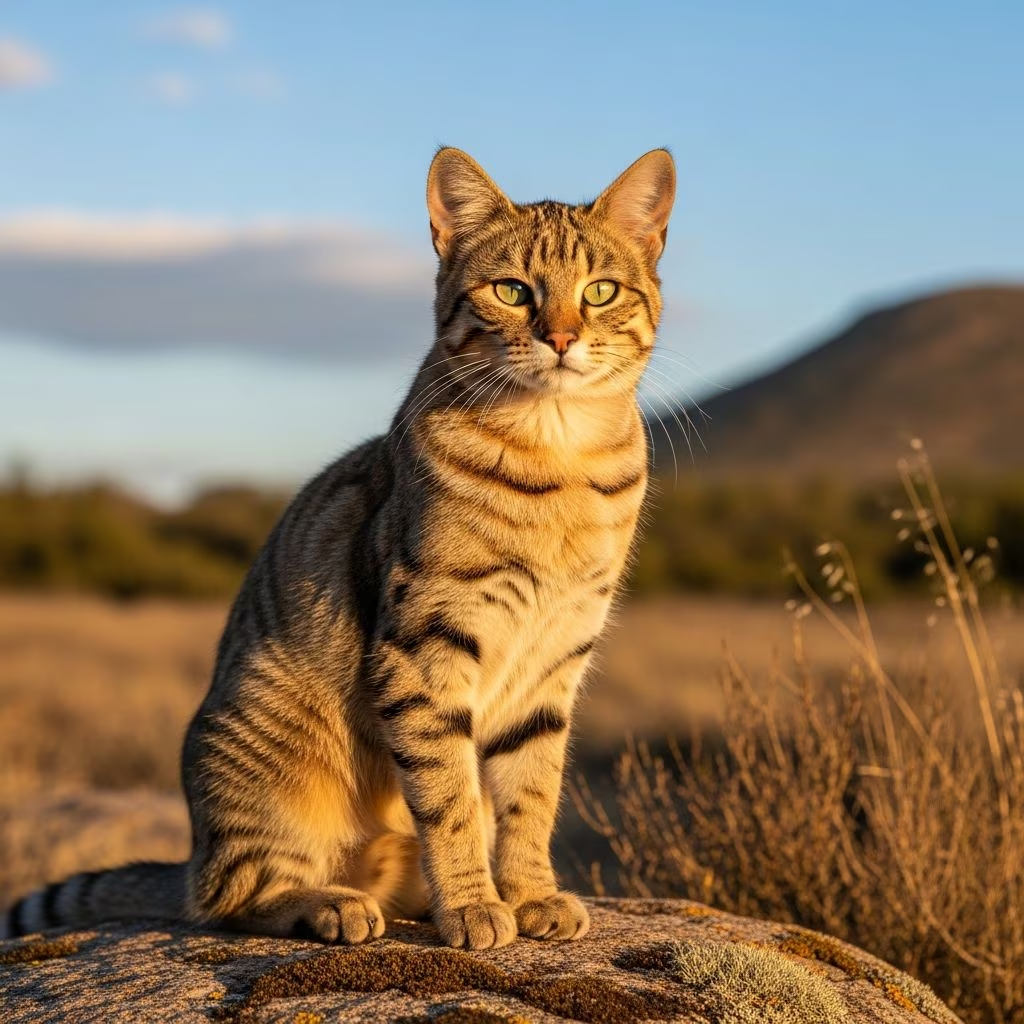
The Kanaani cat is a striking hybrid breed that fuses the grace of domestic cats with the wild spirit of its ancestors, creating an energetic and intelligent companion ideal for active households. Developed in Israel to resemble the native jungle cat while remaining fully domesticated, this breed captivates with its athletic build, ticked coat patterns, and boundless playfulness.
Kanaani Cat Breed Overview & Stats
| Attribute | Details |
|---|---|
| Height | Medium (10–14 inches at shoulder) |
| Weight | 7–12 pounds |
| Lifespan | 12–15 years |
| Colors | Ticked tabby, solid black, bi-colored, brown ticked, cinnamon, chocolate with spotted or marbled patterns |
| Suitable For | Active and experienced cat owners, singles or families with older children |
| Temperament | Energetic, independent, intelligent, playful, affectionate yet bold |
This overview highlights the Kanaani’s medium size and robust physique, making it agile and suited for homes with ample space for exploration. Males typically weigh more than females, reaching up to 12 pounds with a muscular frame.
Kanaani Cat Characteristics
The Kanaani boasts a muscular yet elegant body reminiscent of wild felines, featuring long slender legs, oval paw pads, and a gait that echoes the prowl of a forest cat. Its short, dense, coarse coat is ‘ticked’—each hair banded with multiple colors—creating blurred spots or marbled effects in shades from beige and brown to chocolate and cinnamon. Distinctive markings include a necklace of fur around the neck, an ‘M’ on the forehead, at least three black tail rings ending in a dark tip, and black paw pads.
Medium to large in stature, Kanaani cats have wide-based, pointed ears often tufted, set far apart on a wedge-shaped head. Their large almond-shaped eyes gleam in vivid green (yellow-green in kittens), exuding alertness and curiosity. The tail is strong and long, aiding their exceptional jumping and climbing prowess. This wildcat-like appearance stems from selective breeding to preserve Israeli felid traits without actual wild hybridization in recent generations.
- Athletic build: Long legs and compact oval paws enable swift, graceful movement.
- Coat texture: Coarse and short with minimal undercoat, resistant to matting.
- Head features: Expressive wedge muzzle, large ears, and signature facial markings.
- Eyes: Always green in adults, a breed hallmark.
History & Origin of the Kanaani Cat Breed
The Kanaani breed emerged in the early 2000s in Israel, spearheaded by breeder Miki Saul. Inspired by the wild African jungle cat (Felis chaus) native to the region, Saul aimed to recreate its appearance in a domesticated cat to support conservation efforts and preserve cultural felid heritage. Initial crosses involved Bengal cats (known for their wild Asian leopard cat ancestry), Egyptian Maus, and other breeds like Ocicats and Abyssinians, with later generations incorporating Israeli street cats for authenticity.
Recognized by the World Cat Federation (WCF), the breed standard emphasizes ticking, green eyes, and wildcat mimicry without non-domestic blood after F4 generations. The name ‘Kanaani’ derives from ‘Canaan,’ the ancient biblical term for Israel, symbolizing its roots. Unlike true hybrids like Bengals with recent wild input, modern Kanaanis are fully domestic, though their genetics retain an exotic flair. This deliberate breeding has produced a stable, healthy line now gaining international interest.
Kanaani Kittens
Kanaani kittens burst with even more vigor than adults, rarely pausing in their whirlwind of activity. From early weeks, they chase shadows, pounce on moving toes, and scale furniture with magnetic claws, often collapsing into sleep mid-play wherever they land. Their oversized ears, fluffy ticked coats, and yellow-green eyes evolve into the breed’s signature green as they mature around 2–3 years.
Raised in catteries with ample socialization, these kittens thrive on interactive toys mimicking prey. Early handling fosters their people-oriented nature, but their independence shines through—they explore boldly rather than cling. Potential owners should prepare for pint-sized hurricanes: provide tall cat trees, puzzle feeders, and scratching posts from day one. Kittens reach maturity slowly, gaining full size and muscle by 3 years, during which their wildcat traits intensify.
Temperament & Intelligence of the Kanaani Cat
Kanaani cats embody high energy and playfulness, racing through homes at all hours, leaping to impossible heights, and engaging in epic chase sessions. Affectionate with family, they form deep bonds yet cherish independence, lounging solo without separation anxiety. Braver than most breeds, well-socialized Kanaanis greet guests confidently rather than hiding, though they reserve lap privileges for trusted humans.
Exceptionally intelligent, they excel at problem-solving—mastering cabinet latches, escaping enclosures, and devising treat heists. This sharpness aids hunting instincts; they stalk toys (or imagined prey) with precision. Vocal communicators, Kanaanis chirp, meow, and trill in ‘conversations,’ voicing needs loudly. Territorial tendencies make them picky with other pets—best as solo cats or with familiar littermates from kittenhood. With children, they’re tolerant if respectful, but supervision prevents overzealous play.
- Playful & energetic: Needs daily vigorous exercise like wand toys and climbing.
- Independent: Thrives alone but bonds deeply with owners.
- Bold explorers: Curious climbers who investigate every nook.
- Vocal: Wide repertoire of sounds for expression.
Training Your Kanaani Cat
Training Kanaanis demands patience due to their willful nature. Positive reinforcement works best—reward desired behaviors like using scratchers with treats or play. They learn commands quickly but obey selectively, often ‘training’ owners instead. Harness training for outdoor adventures suits their adventurous spirit, but indoor enrichment is key. Early socialization curbs potential aggression toward strangers or pets.
Are Kanaani Cats Good with Children?
Yes, with older, gentle children who respect boundaries. Their energy matches active kids for play, but tiny tots may overwhelm them, risking scratches during rowdy sessions. Supervised interactions build positive associations.
Health Predispositions & Care for Kanaani Cats
Robust overall, Kanaanis enjoy 12–15 years with proper care, but Bengal ancestry raises hypertrophic cardiomyopathy (HCM) risk—heart muscle thickening impairing function. Annual vet checks, including cardiac ultrasounds, monitor this. Dental issues, obesity from inactivity, and standard feline concerns like urinary problems apply. Core vaccines (rabies, distemper, leukemia) and parasite prevention are essential.
Feed high-protein diets supporting their active lifestyle; portion control prevents weight gain. Regular play burns calories. No breed-specific hereditary diseases are confirmed due to youth, but genetic testing breeders screen for HCM.
Grooming Your Kanaani Cat
Low-maintenance short coat requires weekly brushing to reduce shedding and distribute oils. Bathing is rare; they self-groom efficiently. Trim nails biweekly, clean ears monthly, and brush teeth daily with feline paste to combat plaque. Their coarse fur resists dirt, making them tidy despite adventures.
Exercise & Environment Needs
Daily 30–60 minutes of interactive play—laser pointers, feather wands, puzzle toys—channels energy. Tall cat trees, window perches, and tunnels foster climbing and hunting. Secure enclosures allow safe outdoor time, preventing escapes by these adept athletes.
Nutrition, Diet & Feeding Kanaani Cats
High-quality kibble or wet food rich in meat proteins fuels their metabolism. Feed 2–3 meals daily, adjusting for age/activity: kittens 3–4 times, adults 1/2–3/4 cup dry. Fresh water always; fountains appeal to their curiosity. Avoid grains/carbs to mimic wild diets.
3 Little-Known Facts About Kanaani Cats
- Vocally expressive: Beyond meows, they chirp and trill like wild kin, holding full ‘talks’ with owners.
- Always green-eyed: Fixed green eyes distinguish them; no variations unless outcrossed.
- Escape virtuosos: Problem-solving smarts make them notorious for jailbreaks and mischief.
Frequently Asked Questions
Are Kanaani cats friendly?
Yes, they’re affectionate with family, playful, and bold with strangers when socialized.
Can Kanaani cats be left alone?
They’re independent and tolerate solitude better than clingy breeds, but daily play prevents boredom.
Do Kanaani cats get along with dogs?
Possibly, if raised together; their hunting drive may clash with small pets.
How do Kanaani cats differ from Bengals?
Similar energy but Kanaanis prioritize jungle cat mimicry, with ticked coats and Israeli origins.
Where to find Kanaani kittens for sale?
Reputable WCF-registered catteries; expect $800–$2000. Prioritize health-tested lines.
References
- Kanaani cat – Wikipedia — Wikipedia. 2023-10-15. https://en.wikipedia.org/wiki/Kanaani_cat
- Kanaani Cat: Breed Info, Pictures, Care & Traits — Catster. 2023-05-20. https://www.catster.com/cat-breeds/kanaani-cat/
- All about Kanaani breed — Animalia.bio. 2024-01-12. https://animalia.bio/pets/kanaani
- Kanaani — ZooBonus. 2023-08-05. https://zoobonus.ua/en/breed/kanaani
- Kanaani Cat Breed Profile [Video] — YouTube (VetNearMe). 2023-11-10. https://www.youtube.com/watch?v=irjtVTApIQ8



