

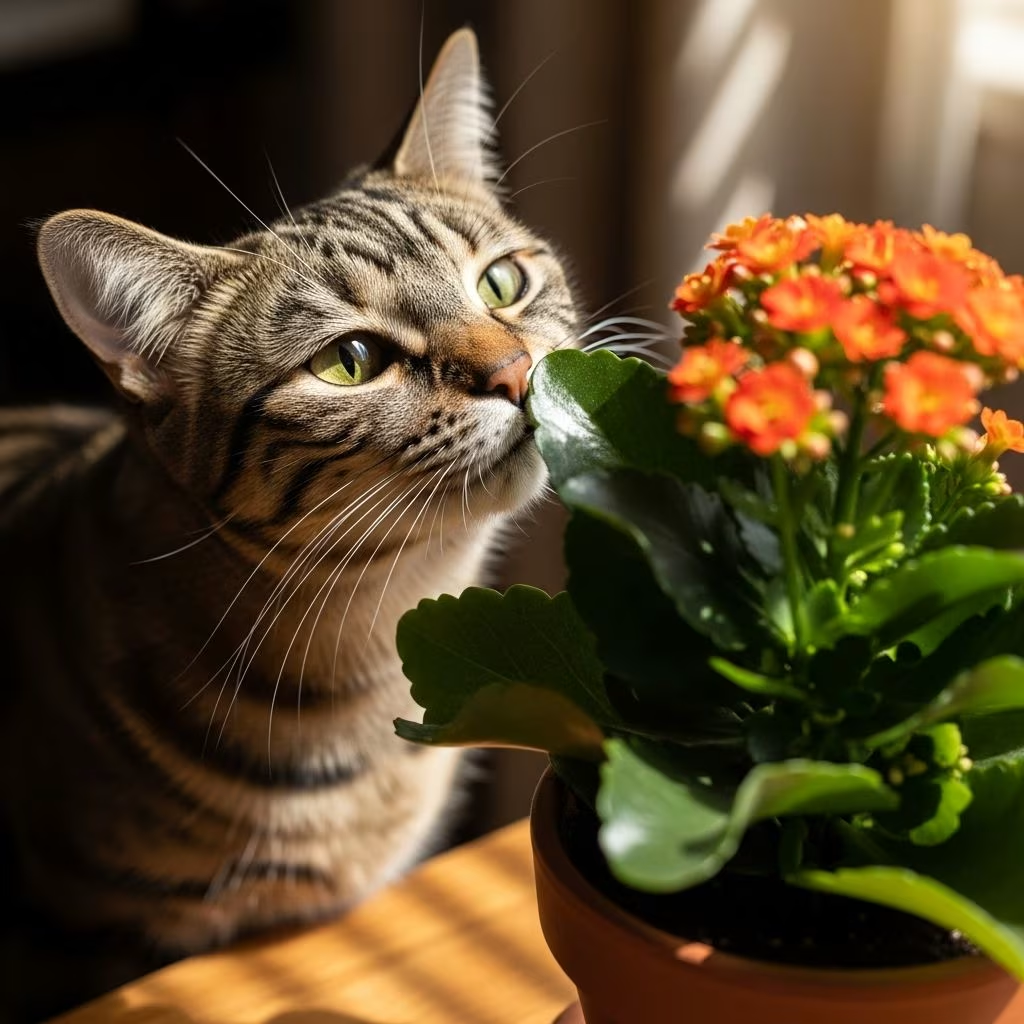
Kalanchoe plants, prized for their vibrant blooms and easy care, carry mild toxins that can harm cats if ingested. These succulents primarily trigger stomach issues but may lead to serious heart complications in larger doses.
Understanding Kalanchoe and Its Appeal in Homes
These resilient succulents thrive indoors with minimal effort, producing clusters of colorful flowers in shades from yellow to red. Their low-maintenance nature makes them favorites among plant enthusiasts, especially in pet households seeking greenery without hassle. However, their cardiac glycosides, known as bufadienolides, pose risks to curious cats who nibble on leaves or flowers.
Found in various species like Kalanchoe blossfeldiana, these plants store toxins more densely in blossoms, heightening danger during winter flowering peaks. While not as lethal as some flora, even small bites warrant caution for feline health.
Why Cats Face Danger from This Plant
Cats explore their world orally, often chewing foliage for curiosity or boredom relief. Kalanchoe’s fleshy leaves mimic appealing toys or treats, inviting investigation. Indoor confinement amplifies exposure as cats patrol shelves and windowsills where plants perch.
- Bufadienolides disrupt heart ion channels, mimicking digitalis effects.
- Higher concentrations in flowers increase potency during bloom seasons.
- Mild cases dominate, but vulnerability varies by cat age, size, and health.
Recognizing Poisoning Symptoms in Your Cat
Effects emerge hours post-ingestion, starting with digestive distress. Vigilance helps catch issues early for prompt intervention.
| Symptom | Description | Severity Level |
|---|---|---|
| Vomiting | Frequent expulsion of stomach contents, possibly with plant bits | Mild to Moderate |
| Diarrhea | Loose, watery stools leading to dehydration risk | Mild to Moderate |
| Drooling | Excessive saliva from mouth irritation | Mild |
| Weakness | Lethargy or collapse from fluid loss or cardiac strain | Moderate to Severe |
| Heart Irregularities | Abnormal rhythms, rapid beats, or breathing difficulty (rare) | Severe |
Gastrointestinal signs appear first and consistently, while cardiac ones signal heavier exposure needing urgent care. Monitor for dehydration cues like dry gums or sunken eyes.
Immediate Steps if Your Cat Ingests Kalanchoe
Act swiftly without delay. Do not induce vomiting unless a vet directs, as it risks aspiration in felines.
- Remove plant remnants from mouth gently.
- Prevent further access by securing or discarding the plant.
- Contact a vet or poison hotline immediately, noting ingestion amount and time.
- Observe closely; transport if symptoms escalate.
Supportive treatments include fluids for hydration, anti-nausea drugs, and heart monitoring in clinics. Activated charcoal binds residual toxins effectively if given soon.
How Vets Diagnose and Treat Kalanchoe Exposure
Diagnosis relies on history, symptoms, and plant identification. ECGs detect arrhythmias; bloodwork checks electrolytes and organ function.
Treatment focuses on symptom relief:
- IV fluids combat dehydration and support circulation.
- Antiemetics curb vomiting cycles.
- Cardiac meds stabilize rare rhythm issues.
- GI protectants soothe irritated linings.
Most cats recover fully with timely care, though severe cases demand hospitalization.
Preventing Exposure: Practical Strategies for Cat Owners
Proactive measures safeguard pets without sacrificing plant joy.
- Elevate plants on high shelves or hanging baskets beyond leap range.
- Use pet-proof enclosures like glass cabinets.
- Opt for deterrents: citrus sprays or aluminum foil bases repel nibblers.
- Supervise play areas and train ‘leave it’ commands.
- Maintain multiple litter boxes to curb stress-chewing.
Enrich environments with cat grass or toys to redirect curiosity.
Common Household Plants to Avoid with Cats
Beyond Kalanchoe, several popular greens threaten felines. Awareness prevents mishaps.
| Plant | Toxicity Level | Key Risks |
|---|---|---|
| Lilies | Severe | Kidney failure from any part or vase water |
| Aloe Vera | Mild | Abdominal pain, vomiting, diarrhea |
| Daffodils | Moderate | Bulb-induced GI upset |
| Sago Palm | Severe | Liver damage, high seed toxin |
| Dieffenbachia | Moderate | Oral pain, swelling, drooling |
Research before adopting any foliage; apps like ASPCA’s plant list aid quick checks.
Safe, Cat-Friendly Plants for Your Living Space
Embrace greenery worry-free with these vetted options.
- Spider Plant: Air-purifying, resilient; induces mild harmless laxative.
- Boston Fern: Lush, humidity-loving; fully non-toxic.
- Parlor Palm: Elegant, slow-growing; safe for nibbling.
- Catnip: Encourages play; natural stimulant.
- Swedish Ivy: Trailing beauty; no adverse effects.
These enhance homes while prioritizing pet wellness.
Long-Term Health Impacts and Recovery Outlook
Minor ingestions typically resolve without lasting harm, but repeated exposure stresses kidneys or hearts. Chronic cases risk cumulative damage, underscoring prevention’s value.
Post-recovery, resume normal diets gradually. Annual vet checkups catch vulnerabilities early. Most cats rebound swiftly, resuming antics within days.
FAQs on Kalanchoe and Cat Safety
Is all Kalanchoe equally toxic to cats?
Yes, species share bufadienolides, though flower-heavy varieties pack more punch.
How much Kalanchoe triggers symptoms in cats?
Small amounts cause GI woes; larger doses risk cardiac events. Exact thresholds vary.
Can Kalanchoe poisoning be fatal?
Rarely in cats with prompt care, but untreated severe cases can lead to collapse.
What home remedies help Kalanchoe ingestion?
None reliably; professional guidance trumps DIY to avoid complications.
Are Kalanchoe flowers more dangerous than leaves?
Yes, toxins concentrate in blooms, amplifying risks during flowering.
Expert Insights on Plant-Pet Harmony
Veterinarians stress education: label plants, use apps for toxicity scans, and foster enriched spaces. Integrating safe flora boosts mental health for owners and pets alike, creating balanced homes.
References
- Kalanchoe – Toxic and Non-toxic Plants — ASPCA. Accessed 2026. https://www.aspca.org/pet-care/aspca-poison-control/toxic-and-non-toxic-plants/kalanchoe
- Kalanchoe Is Toxic To Dogs | Pet Poison Helpline® — Pet Poison Helpline. Accessed 2026. https://www.petpoisonhelpline.com/poison/kalanchoe/
- Kalanchoe species poisoning in pets — ASPCApro (Veterinary Medicine). 2004-11. https://www.aspca.org/sites/default/files/v-vetm1104_933-936.pdf
- Kalanchoe Poisoning in Pets: Risks, Symptoms & Treatment — Animal Poisons. Accessed 2026. https://www.animalpoisons.com.au/news/kalanchoe-poisoning/
- Is Kalanchoe Poisonous to Cats? Vet-Reviewed Toxicity Explained — Catster. Accessed 2026. https://www.catster.com/cat-health-care/is-kalanchoe-poisonous-to-cats/



